Open main menu Wikipedia Search Al-Azhar Mosque Read in another language
Watch this page Edit "Al-Azhar" redirects here. For other uses, see Al-Azhar (disambiguation). Al-Azhar Mosque (Arabic: الجامع الأزهر, romanized: al-Jāmiʿ al-ʾAzhar, lit. 'The Most Resplendent Congregational Mosque'), known simply in Egypt as Al-Azhar, is an Egyptian mosque in Islamic Cairo. Al-Mu'izz li-Din Allah of the Fatimid dynasty commissioned its construction for the newly established capital city in 970. Its name is usually thought to allude to the Islamic prophet Muhammad's daughter Fatimah, a revered figure in Islam who was given the title az-Zahrāʾ ("the shining or resplendent one"). It was the first mosque established in Cairo, a city that has since gained the nickname "the City of a Thousand Minarets".[b]
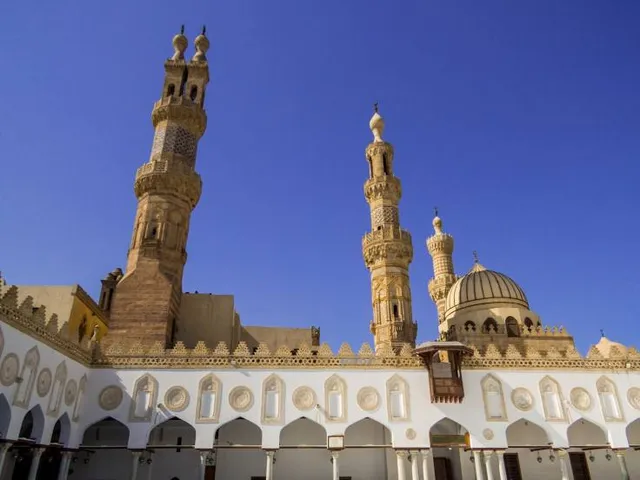
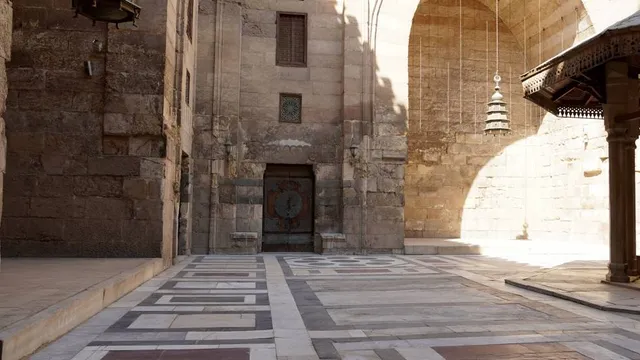
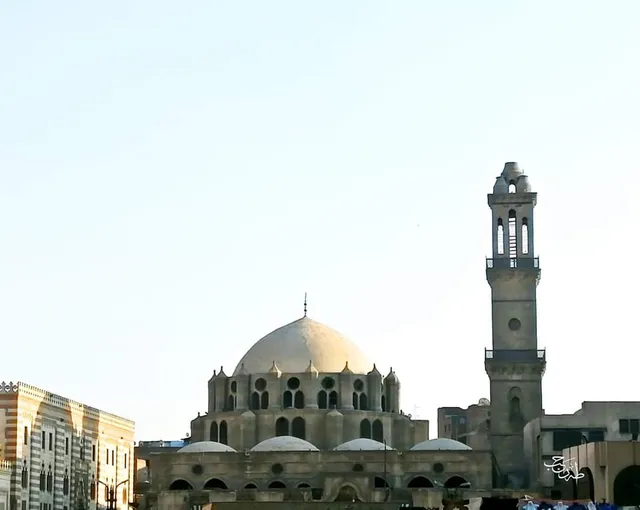
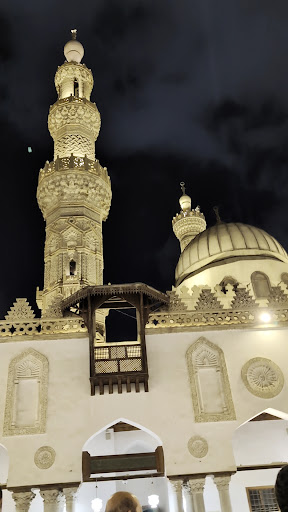
al-Azhar Mosque الجامع الأزهر Exterior view of al-Azhar Mosque. Four minarets and three domes visible Exterior view of al-Azhar Mosque. Religion Affiliation Islam Branch/tradition Sunni Islam[a] Leadership Mohamed el-Tayeb Location Location Cairo, Egypt Geographic coordinates 30.045709°N 31.262683°E Architecture Type Mosque Style Fatimid Date established 972 Specifications Capacity 20,000 Minaret(s) 5 Site area 15,600 m2 (168,000 sq ft)[1] After its dedication in 972, and with the hiring by mosque authorities of 35 scholars in 989, the mosque slowly devel
الازهر - القاهره. الجامع الازهر، القاهرة، مصر، بناه جوهر الصقلى قائد المعز لدين الله الفاطمى سنة 970، و أقيمت به اول صلاة جمعه سنة 972. عند بناءه كان يتكون من ثلاث أيوانات حول الصحن، وكان أكبرها أيوان القبله، و كان به خمس أروقة. وعلى مر السنين والعهود تمت فيه بعض الزيادات، أهمها فى عصر الدوله المملوكيه. مساحته الآن حوالى 12.000 م مربع. للجامع ثمانية أبواب تمن أبواب.
شيد الجامع الازهر فى الاصل للصلاة ، واقتصرت فى اول الامر الحلقات الدراسيه المقامة به على الدعايه للحكم الفاطمى و نشر الفقه الشيعى. كان الوزير ابن كلس من الاوائل الذين درسوا فيه، وعين به 37 فقيهاً للتدريس و خصص لهم مرتبات شهرية ومنحهم سكناً.
بنى الفاطميون الجامع الازهر لكي يكون مسجداً جامعاً فى عاصمتهم الجديدة. حيث كان فى مصر آنذاك مسجدان جامعان هما جامع عمرو بن العاص فى الفسطاط و جامع احمد بن طولون فى القطائع ، و كان هناك مسجداً جامعاً تالتاً فى العسكر لكن وقتها كان أطلالاً. هدف الفاطميين من بنا الازهر جنب عادة بنا المساجد الجامعه فى العواصم الجديده و انه يكون مكان يصلى فيه الخليفه و العسكر انه يكون كمان مركز لنشر مذهبهم الشيعى و رمز لانتصارهم على الدوله العباسيه. ابتدا بنا الازهر فى ابريل 970م و خلص بناه فى سنتين و تلت تشهر و اتفتح للصلا لاول مره يوم الجمعه 21 يونيه سنة 972م ( 7 رمضان 361هـ ). فى الاول ماكانش اسمه الجامع الازهر لكن " جامع القاهره " و ده كان اسمه الغالب تقريباً طول العصر الفاطمى ، و بيتقال انه اتسمى الجامع الازهر فى عهد العزيز بالله اللى بنى قصور اتسمت " القصور الزاهره " فسمو جامع القاهره " الازهر " ، لكن الارجح انه اتسمى نسبه للسيده فاطمة الزهراء اللى اتنسب اسم الدوله الفاطميه ليها.
فى البدايه الازهر كانت صفته دينيه مثل المساجد الجامعه الثانيه لكن بعدها اخد صفه علميه تعليميه ، وحصل ذلك منذ قرر الفاطميون نشر مذهبهم عن طريق التدريس فى حلقاته و بقيت الصفه التعليميه للازهر سائده طول العصر الفاطمى [1].
بعد ما قضى صلاح الدين الأيوبى (1137 - 1193) على الدوله الفاطميه و حول مصر للمذهب السنى سنة 1171، اتوقفت صلاة الجمعه فيه لغاية ما رجعها السلطان الظاهر بيبرس (حكم 1260 - 1277) [2].
فضلت الدراسه فى الجامع الازهر بنظام الحلقات حوالين الشيخ المدرس لغاية ما صدر اول قانون للازهر سنة 1872 بينظم طريقة اللحصول على شهادة العالميه و درجاتها. فى زمن محمد عبده (مفتى مصر مش شيخ الازهر) اتعملت فى الازهر لجنة اداره دايمه عشان تشرف على التدريس و نظام الأروقه. و فى سنة 1896 صدر قانون كساوى العلما و درجاتهم، و بعد كده اتعملت لايحة مرتبات، و اتنظمت شئون الاساتذه و الطلاب. اتضافت للمناهج مواد جديده زى الأخلاق و الحساب و الجبر و الهندسه و التاريخ الاسلامى، و تقويم البلدان. و فى سنة 1911 صدر قانون ينظم الدراسه فى مراحل، لكل منها نظام، و مواد تعليميه خاصه بيها. فى سنة 1930، وقت الشيخ المراغى، صدر قانون مهم حول الازهر لجامعه اسلاميه. و اتطورت الدراسه فيه بقوانين 1936 و 1937 و 1938 وكان الازهر مسجد شيعي علشان كان معمول ايام اهر ملك فاطمي و الفاطميين شيعه ولكن لما صلاح الدين شاله بقا الازهر مسجد لنشر المذهب السني بدل...
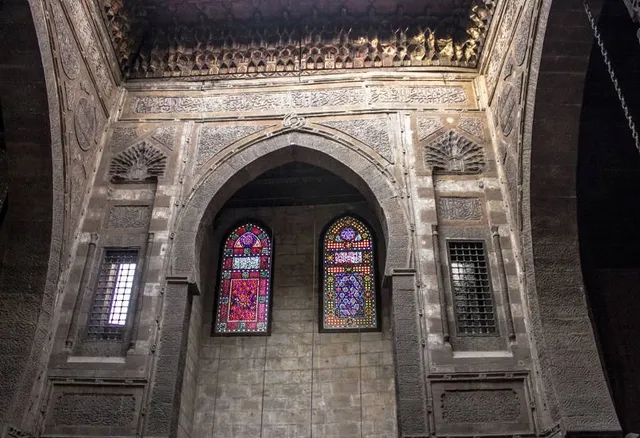
Read moreAl-Azhar Mosque, Cairo: A Review and Explanation Al-Azhar Mosque, simply known as "Al-Azhar" in Egypt, is a cornerstone of Islamic history and a significant landmark in Cairo. Here's a review and explanation of this revered site: Historical Significance: Oldest in Cairo: Built between 970 and 972 AD during the Fatimid Caliphate, it holds the distinction of being the first mosque established in the city of Cairo. Symbol of Islamic Learning: Initially intended as a congregational mosque, it quickly evolved into a prominent center for Islamic learning. It has functioned as a university for over a thousand years, making it the oldest continuously operating Islamic university in the world. Influence on Sunni Islam: While founded during the Fatimid (Shia) rule, Al-Azhar later became a major center for Sunni Islamic scholarship and remains a leading authority in Sunni Islam today. Architectural Evolution: Over the centuries, the mosque has undergone numerous renovations and expansions under different rulers, including the Mamluks and Ottomans. This has resulted in a fascinating blend of architectural styles. Architectural Features: Fatimid Architecture: The mosque showcases excellent examples of Fatimid architecture, evident in its design and intricate patterns. Minarets: It boasts several minarets, including the famous Al-Azhar Minaret, which stands tall at 66 meters and is a striking example of Fatimid design. Prayer Hall: The main prayer hall features a massive dome supported by impressive arches. Decorative Elements: Throughout the mosque, you can admire intricate tile work and beautiful calligraphy, reflecting the artistic heritage of different eras. Expansive Complex: The mosque complex has grown significantly over time, now encompassing a vast area with multiple gates, courtyards, and educational facilities. Visitor Experience: Cultural Immersion: Visiting Al-Azhar Mosque offers a deep immersion into Islamic culture and history. Center of Peace: Many visitors find a sense of peace and tranquility within the mosque's serene atmosphere. Educational Hub: It's a place where you can witness the ongoing pursuit of Islamic knowledge and scholarship. Architectural Marvel: Architecture enthusiasts will appreciate the diverse styles and historical layers visible in the mosque's structure. In Conclusion: Al-Azhar Mosque is much more than just a place of worship; it is a living testament to Islamic history, a renowned center of learning, and an architectural marvel. A visit to this iconic mosque in Cairo offers a unique and enriching experience for anyone interested in culture, history, and spirituality. It's a must-see for those exploring the historical...
Read moreAl-Azhar Mosque, the beacon of knowledge and faith, and one of the historical strongholds for the spread of Islam and peace among nations and countries and the most famous in Egypt and the world Islam Al-Azhar Mosque and University for more than a thousand years on June 22, 972 AD opened the Al-Azhar Mosque to pray, which is currently one of the most important and ancient mosques and universities in the world and the oldest existing impact of the Fatimid state in Egypt ..
On April 4, 970, the Fatimid caliph al-Muizz, the religion of God, laid the cornerstone of the Al-Azhar Mosque, that is, in the same year in which the leader Jawhar al-Skali opened Egypt and ordered the construction of Cairo, and the construction of the mosque was completed on June 22, 972 AD The historians differed on the reason for naming the Al-Azhar Mosque, some of whom attributed it to Mrs. Fatima Al-Zahra, which is more likely according to the Al-Azhar page, and there are those who attributed the name to the presence of the mosque between the luxurious and splendid palaces that surrounded it. And after its inauguration, Al-Azhar became a center of education, and dozens of scholars were employed to give lessons, laying the foundation for what could become the leading university in the Islamic world, where Al-Azhar is the second oldest university to exist continuously in the world after the University of Al-Karaouine. Al-Azhar Mosque played a major national role in the modern era in disseminating science and science Teaching in Al-Azhar at the beginning of the twentieth century was carried out through educational seminars and the study was divided into three primary, secondary and higher stages, and the duration of education in each of them is four years, and the successful student in each of them is granted a certificate of completion of the stage.
In 1961 the Egyptian government issued Law No. 103, which formally created Al-Azhar University and became one of the bodies of Al-Azhar for specialized higher education, along with other bodies for education before the first university stage, and another for the Supreme Council of Al-Azhar, and a third for the Islamic Research Academy, which is concerned with the dissemination of Islamic culture He wrote heritage, and advocacy and student delegations in the outside world and...
Read more