Reposting as previous one was removed due to notifications!! - Reposting since the previous one removed as a result of some reports!!
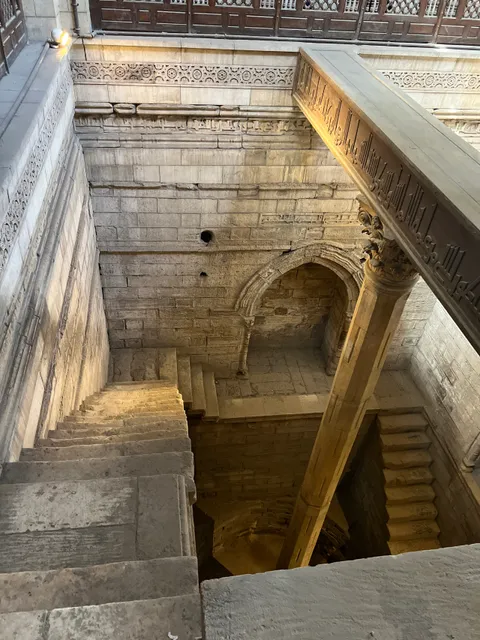
The Nile scale, created in 861 AD during the reign of the trusted Caliph Al-Abbasi, is located on Rawdah Island in Cairo. It consists of a stone well with a depth of about 13 meters, mediated by a marble column with a height of about 10 meters, used to measure the ratio of the Nile. The goal was to estimate the fertility of agricultural lands each year and determine taxes based on the level of flood.
The column is surrounded by stairs, platform or stone pavement with three arches in the style of Fatimian era, and the opening of the scale covers a dome rebuilt in the Ottoman era in 1825 AD during the reign of Muhammad Ali Pasha after the demolition of the original dome. The scale contains architectural and decorative elements from earlier eras, including Abbasic Kufi inscriptions etched on the walls, which include Quranic verses such as: “And from water made all things live,” and the names of the Khalifa, along with geometric and botanical decorations dating back to the Fatimian period.
All thanks and appreciation to the professors who trusted the details with their camera lenses.
The Nilometer was built in 861 AD during the reign of the Abbasid Caliph Al-Mutawakkil, and is located on Al-Rawda Island in Cairo. It consists of a stone well approximately 13 meters deep, at the center of which stands an octagonal marble column about 10 meters height, used to measure the Nile’s water level. The purpose of the measurements was to estimate the fertility of agricultural lands each year and determine the taxes accordingly based on the flood level.
The column is surrounded by stone stairs and landing with three arches built in the Fatimid architectural style, and the opening of the Nilometer is covered by a dome that was rebuilt in the Ottoman period in 1825 AD during the reign of Muhammad Ali Pasha, after the original dome had collapsed. The structure contains architectural and decorative elements from earlier periods, including Abbasid Kufic inscriptions carved into the walls with Qur’anic verses such as “And We made from water every living thing”, as well as the names of caliphs. Additionally, geometric and floral motifs from the Fatimid era...
Read moreRawda Island Nilometer – مقياس النيل بجزيرة الروضة
The Rawda Island Nilometer is one of Egypt’s most fascinating historical structures, used for centuries to measure the water levels of the Nile River. It is one of the oldest Nilometers in the world, playing a crucial role in Egypt’s agricultural and economic planning during ancient and medieval times.
⸻
Location: • Situated on Rawda Island (Al-Roda Island) in the Manial district, Cairo. • Located near Manasterly Palace and the Umm Kulthum Museum.
⸻
Historical Significance: • Built in AD 861 during the Abbasid Caliphate, under Caliph Al-Mutawakkil. • Designed by the renowned architect Ahmed Ibn Muhammad Al-Farghani (Alfraganus), a Persian astronomer and engineer. • It was used to predict flood seasons, which determined taxation, irrigation plans, and food supply in Egypt.
⸻
Architectural Features: • Octagonal Marble Column: Located at the center, rising from a stone basin. • Underground Chamber: The Nilometer is built within a cylindrical stone structure, allowing direct contact with the Nile’s waters. • Three Levels of Markings: Ancient cursive Kufic inscriptions indicate different water levels: • Too low: Signals drought and famine. • Ideal level (16 cubits = ~8.4 meters): Ensures a prosperous agricultural season. • Too high: Indicates the risk of flooding. • Islamic Calligraphy: Quranic verses about water and prosperity are inscribed inside.
⸻
Function & Importance: • Ancient Egypt: Nilometers helped predict agricultural yields and taxation policies. • Islamic Era: Continued to be used by the ruling authorities for economic planning. • Modern Times: No longer in use, but preserved as an important historical site.
⸻
Visiting Information: • Opening Hours: Typically 9:00 AM – 4:00 PM, but may vary. • Entry Fee: Included in the Manasterly Palace ticket. • Best Time to Visit: Early morning for fewer crowds and better lighting for photography.
⸻
Why Visit? • Witness one of the oldest water measurement systems in the world. • Admire the beautiful Islamic architecture and inscriptions. • Explore nearby attractions like Manasterly Palace and the Umm Kulthum Museum.
The Rawda Island Nilometer is a must-visit for history and architecture enthusiasts, offering a unique glimpse into Egypt’s relationship...
Read moreمصر هبة النيل”… قالها هيرودوت عندما زار مصر وتعرف علي أحوالها وأحوال شعبها، وجد أن النيل شريان الحياة الأساسي بأرضها وارتبط فيضانه بالحياة في مصر وسط ممارسة احتفالات طقسية مثل وفاء النيل فضلا عن اختيار الآلهة حابي وسوبيك رمزا للنهر العظيم، ومنذ استقرار الدولة المركزية في مصر كان “قياس النيل” اجراء حتمي بدأ بحجر “باليرمو” في عصر الأسرة الخامسة، 🤔
وجاء اختيار مكان “مقياس النيل” بالمنيل في عصر الخليفة العباسي المتوكل بهدف تحديد قيمة الضرائب على المصريين من خلال ارتفاع مستوى النيل وحجم الفيضان، وفي هذا التقرير نوضح للقارىء كيف اعتمدت الحضارات التي قامت على ضفتي النيل على الزراعة، كنشاط رئيسي ومميز لها، خاصة في مصر، وفاء نظرا لكونها من أوائل الدول التي قامت علي أرضها حضارات. لهذا كان لفيضان النيل أهمية كبري في الحياة المصرية القديمة، كان هذا الفيضان يحدث بصورة دورية في فصل الصيف من كل عام.
وارتبط هذا الفيضان بطقوس شبه مقدسة حيث كانوا يقيمون احتفالات وفاء النيل ابتهاجا بالفيضان، وجعلوا من الإله “حابى” رمزاً للنيل، ومن أرباب النيل أيضا “سوبيك”؛ على شكل التمساح الذى كان يعبد في إسنا وكوم امبو والفيوم. ومعه الصبية الستة عشر الذين يمثلون قيمة إرتفاع منسوب النيل،
فإذا كان ارتفاع مياه النيل 16 وحدة يعد بشرى بوفاء النيل، وأن الأراضي ستروى، ويكون الناتج من الزراعة كافيا لسد احتياجات الدولة. أما إذا كان ارتفاع المياه أقل من 16 وحدة كان علامة على قدوم الجفاف، وبالتالى تتهيأ الدولة لأخذ الاحتياطات اللازمة. وفي حال ارتفاع المنسوب أكثر من 19 فهذا ينبئ بقدوم كارثة الفيضان، ولا بد أن تبدأ الدولة في ترتيب خطوط دفاع لها.👏
ومنذ استقرار الإدارة المركزية للدولة، واصل قدماء المصريين تسجيل منسوب مياه النيل في سجلات رسمية. وتظهر أقدم السجلات لمناسيب الفيضان على “حجر باليرمو”، من الأسرة الخامسة؛ ويحمل عدد 63 سجلا لمناسيب مياه النيل. واستمر قياس منسوب النيل وتطور، حتي عام 861 م ؛ حين بني “مقياس النيل” أو “مقياس الروضة”، على جزيرة الروضة. واستمر استخدام هذا المقياس حتى بداية القرن العشرين. وقد نال نهر النيل عناية عظيمة من حكام مصر باعتباره شريان الحياة فيها إذ تعتمد عليه سعادة وامان المصريين.😊
وقد بذل هؤلاء الحكام جهوداً لضمان العدالة عن طريق قياس مستوى الماء في النيل فيما يخص المحاصيل الزراعية، فالأراضي التي يغمرها النيل بالفيضان تختلف عن تلك التي يصعب ريها.
موقع المقياس:
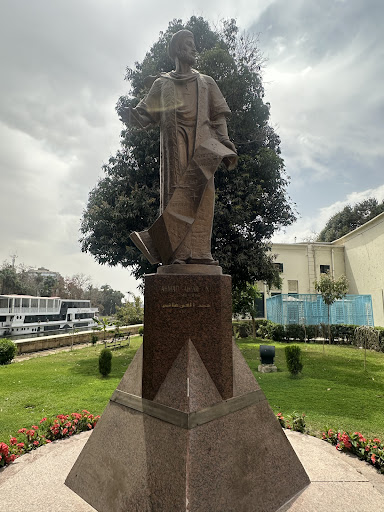
وعند دخولك إلي الساحه التي تجمع بين متحف أم كلثوم ومقياس النيل فاول ما يقع نظرك عليه هو تمثال للمهندس “احمد الفرغانى” الذى انشاء مقياس النيل يتوسط حديقة جميلة أمام مبنى المقياس.
تمثال للمهندس “احمد الفرغانى”👇
وقد أنشىء المقياس فى عهد الخليفة المتوكل على الله العباسى سنة 247 هـ – 861 م ، وقد قام بتنفيذ هذا الاثر العالم الإسلامى أحمد الفرغانى الذى قدم من مدينة فرغانة بأوزبكستان وقد استطاع أضافة عنصر الإبهار للمقياس، حينما استطاع أن يبني جسم المقاييس في ستة أشهر هو الوقت الذى يقل فيه مستوى مياه نهر النيل قبل الفيضان.
والغرض من انشاء مقياس النيل هو تحديد قيمة الضرائب على الشعب المصرى من خلال قياس فيضان النيل ومن ثم معرفة نوعية المحاصيل التى سوف تزرع وتقدير رسوم الضرائب عليها، ولكن بعد انشاء السد العالى، اندثر دور مقياس النيل ويعتبر مقياس النيل ثانى أقدم اثر اسلامى فى مصر بعد جامع “عمرو بن العاص”
وصف المقياس 😉
ويتكون المقياس من جزءين، الأول علوي يظهر فوق الأرض عبارة عن قبه تأخذ شكلا مخروطيا ذات طراز تركي، وهذه القبة من الداخل مزخرفة بزخارف نباتية من الأزهار والأوراق النباتية بألوان مختلفة، وزخارف كتابية دعائية مذهبة باسم الخديوي عباس حلمي الأول الذي أقام هذه القبة. وبالقبة مجموعة من النوافذ المصنوعة من الخشب الخرط تحدها اطارات مذهبة شكل القبة المخروطية من الداخل
أما الجزء الثاني من المقياس فهو البئر ويوجد أسفل القبة وتحت سطح الأرض، نصل اليه عن طريق مجموعة من السلالم تبدأ من قمة البئر إلى القاع. ونجد فى وسط البئر عمود رخامي مدرج، مثمن القطاع يبلغ طولة 12.5 متر، يعلوه تاج روماني حفر عليه علامات القياس.
والبئر مربع الشكل مشيد بأحجار مهذبة (ناعمة) روعة في بنائها حيث أن الأحجار تزيد سمكها كلما زاد العمق، وعلى هذا شيد البئر من ثلاث طبقات: السفلى على هيئة دائرة وذلك حتى لا يتسبب دخول المياه فى كسر عمود المقياس نتيجة قوة اندفاعها، يعلوها طبقة مربعة ضلعها أكبر من قطر الدائرة، والمربع العلوي والأخير ضلعه أكبر من المربع الأوسط ومهمته...
Read more