The Coptic Museum things to do, attractions, restaurants, events info and trip planning
Basic Info
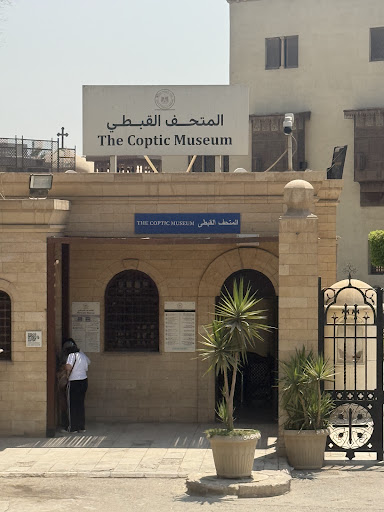
The Coptic Museum
3 Mari Gerges, Kom Ghorab, Old Cairo, Cairo Governorate 4244001, Egypt
4.5(752)
Closed


tickets
Save
spot
spot
Ratings & Description
Info
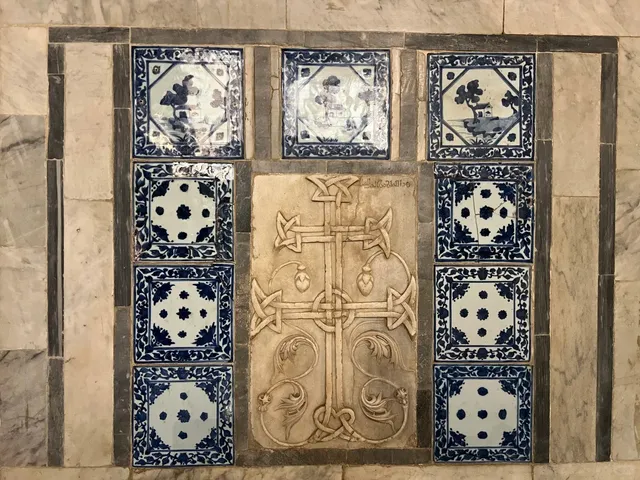
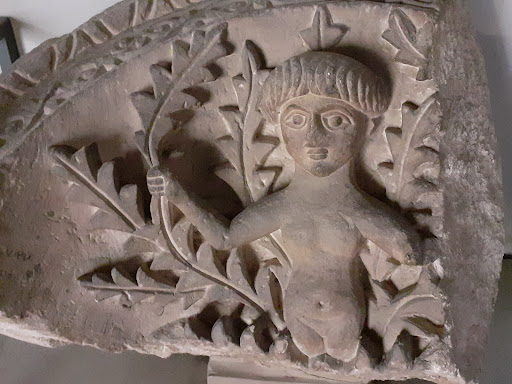
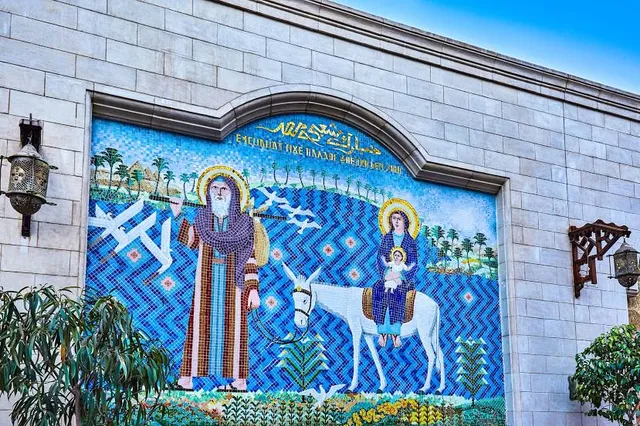
The Coptic Museum is a museum in Coptic Cairo, Egypt with the largest collection of Coptic Christian artifacts in the world. It was founded by Marcus Simaika in 1908 to house Coptic antiquities. The museum traces the history of Egypt from its beginnings to the present day.
Cultural
Family friendly
Accessibility
attractions: The Hanging Church, Saints Sergius and Bacchus Church, Synagogue Ben Ezra, Fortress of Babylon, Darb 1718, Amr ibn al-As Mosque, Manasterly Bridge, Umm Kulthum Museum, Foustat Traditional Crafts Center, Rawda Island Nilometer, restaurants: Old Cairo Restaurant & Cafe, Restaurant, Hey resturant, local businesses: St. George's church, St Barbara Church, Old Cairo Bazaar, Amr ibn Al-A'as Mosque, Church of Saint Menas (Cairo), Souq El Fustat, البريد المصرى - Egypt Post
 Learn more insights from Wanderboat AI.
Phone
+20 2 23628766
Website
egymonuments.gov.eg
Open hoursSee all hours
Fri9 AM - 5 PMClosed
Plan your stay

Pet-friendly Hotels in Cairo
Find a cozy hotel nearby and make it a full experience.

Affordable Hotels in Cairo
Find a cozy hotel nearby and make it a full experience.

The Coolest Hotels You Haven't Heard Of (Yet)
Find a cozy hotel nearby and make it a full experience.

Trending Stays Worth the Hype in Cairo
Find a cozy hotel nearby and make it a full experience.
Reviews
Live events
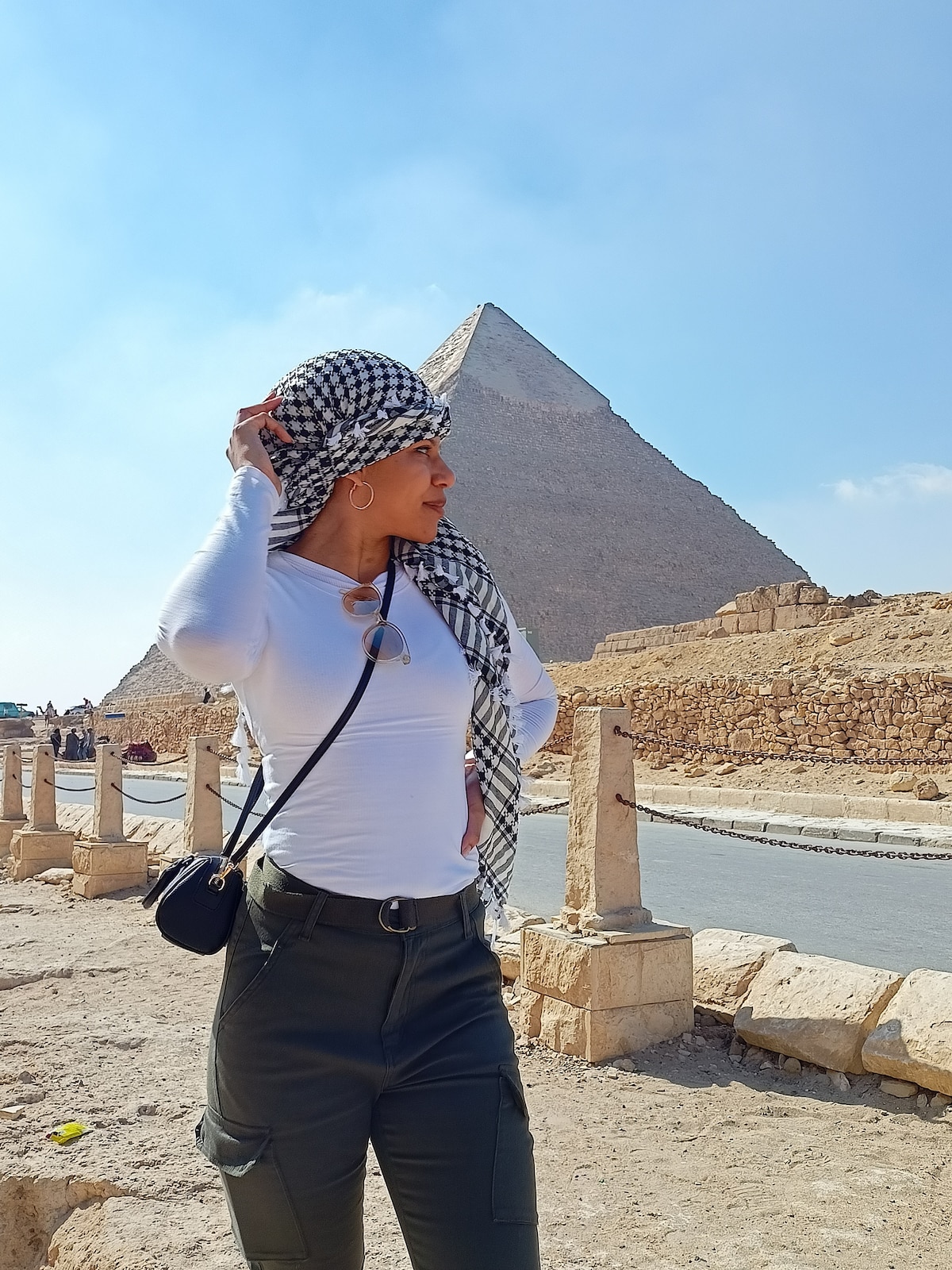
Private tour to Giza Pyramids, Sphinx, ATVs& Lunch
Fri, Feb 27 • 8:00 AM
Qasr Ad Dobarah, Cairo Governorate, 11512, Egypt
View details
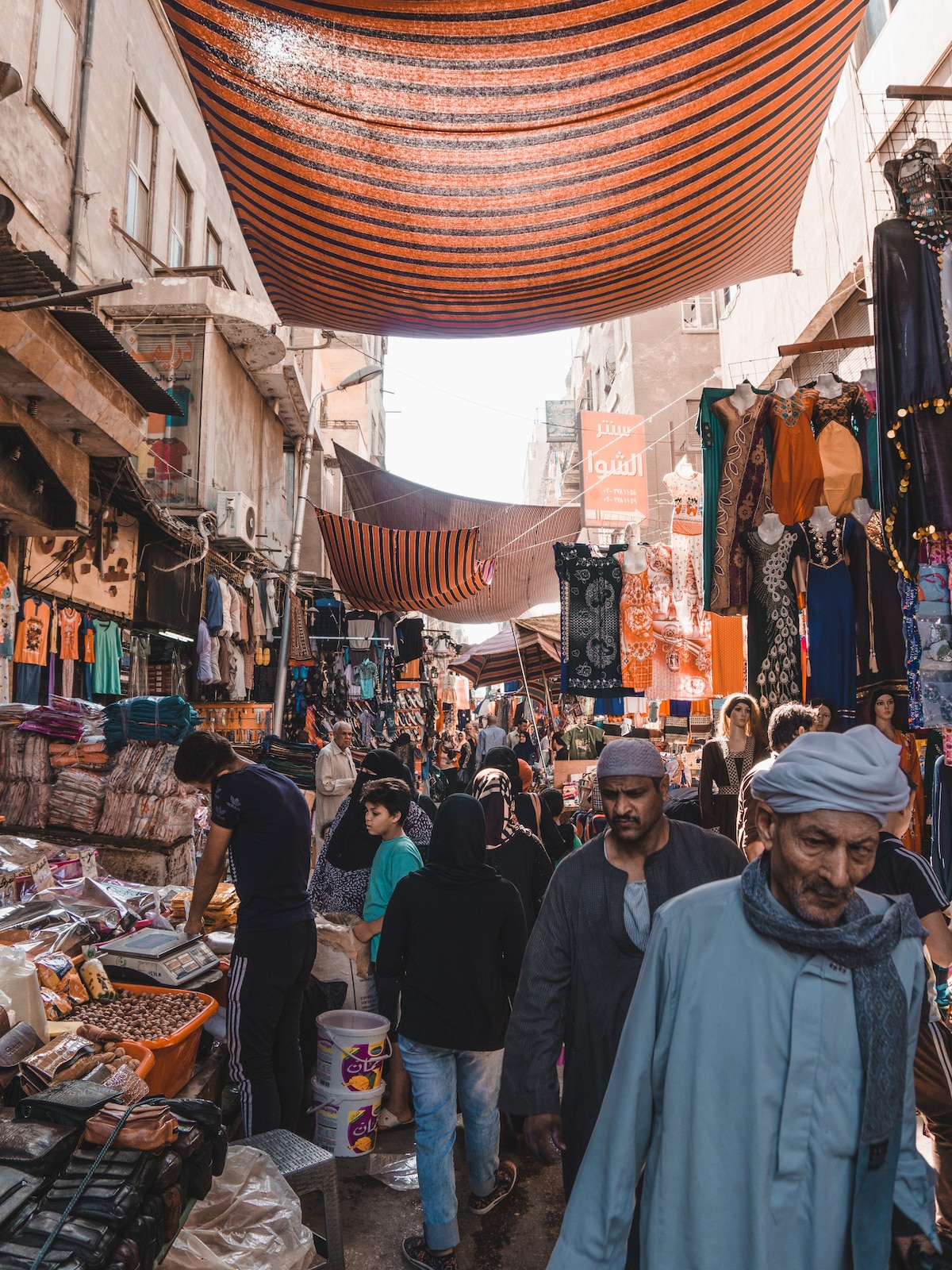
Engage with Egyptian life & Bazzar
Fri, Feb 27 • 6:30 PM
As Sawabi, Cairo Governorate, 4331216, Egypt
View details

Cairo Street Food with a Local Family
Sat, Feb 28 • 6:00 PM
Al Balaqsah, Cairo Governorate, 4280130, Egypt
View details
Nearby attractions of The Coptic Museum
The Hanging Church
Saints Sergius and Bacchus Church
Synagogue Ben Ezra
Fortress of Babylon
Darb 1718
Amr ibn al-As Mosque
Manasterly Bridge
Umm Kulthum Museum
Foustat Traditional Crafts Center
Rawda Island Nilometer
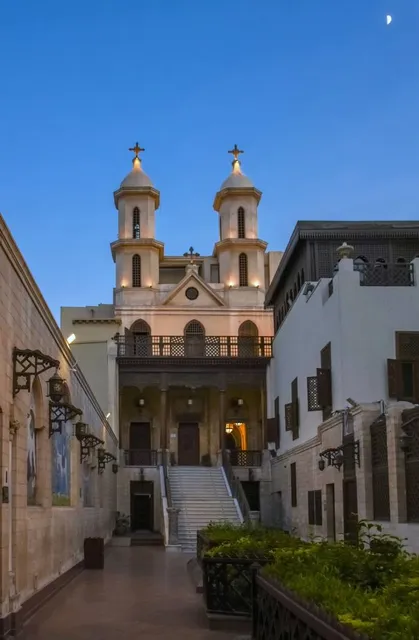
The Hanging Church
4.7
(3.3K)
Closed
Click for details

Saints Sergius and Bacchus Church
4.7
(1.2K)
Closed
Click for details
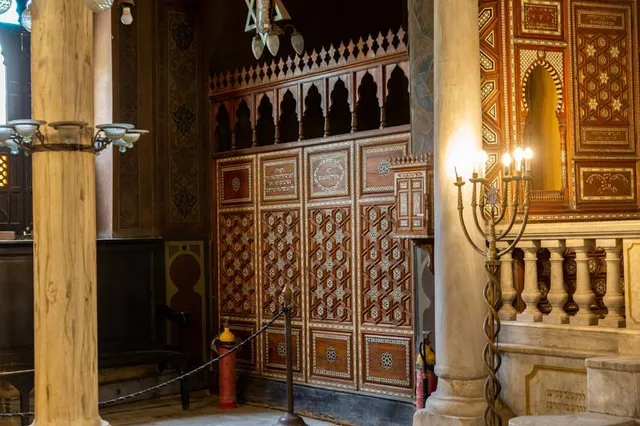
Synagogue Ben Ezra
4.3
(182)
Closed
Click for details
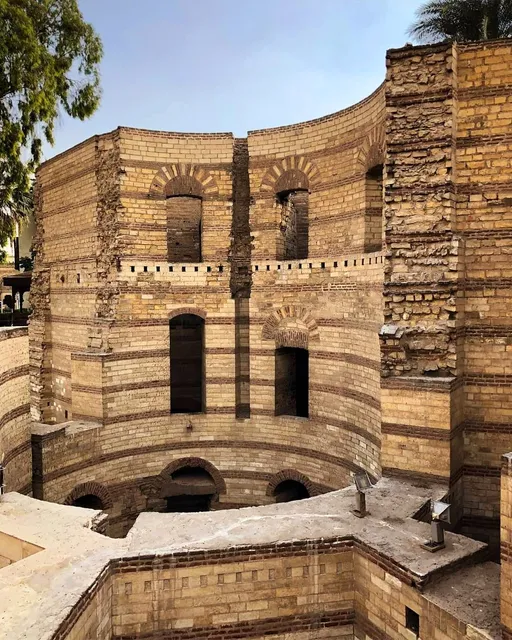
Fortress of Babylon
4.4
(102)
Open until 12:00 AM
Click for details
Nearby restaurants of The Coptic Museum
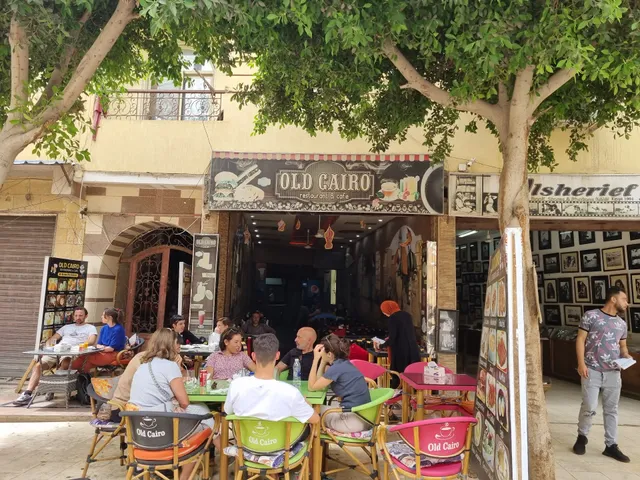
Old Cairo Restaurant & Cafe
Restaurant
Hey resturant

Old Cairo Restaurant & Cafe
4.5
(347)
Closed
Click for details
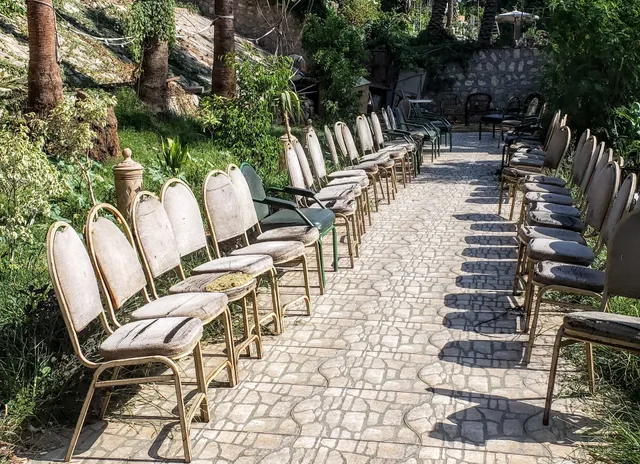
Restaurant
3.8
(77)
Closed
Click for details

Hey resturant
4.0
(1)
Open until 12:00 AM
Click for details
Nearby local services of The Coptic Museum
St. George's church
St Barbara Church
Old Cairo Bazaar
Amr ibn Al-A'as Mosque
Church of Saint Menas (Cairo)
Souq El Fustat
البريد المصرى - Egypt Post
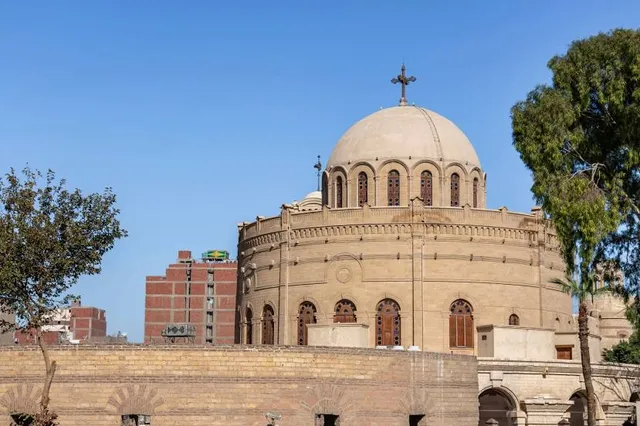
St. George's church
4.7
(365)
Click for details
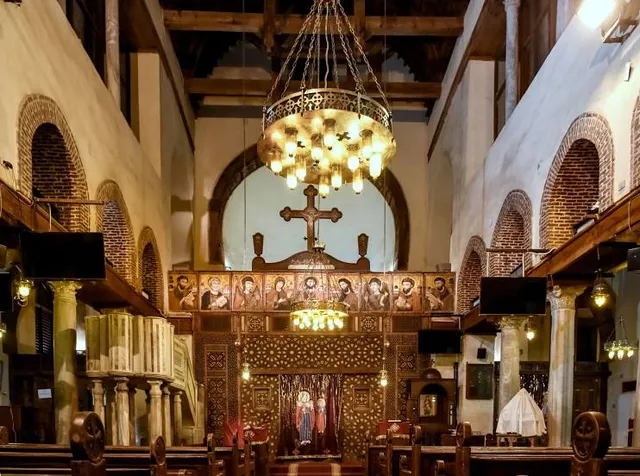
St Barbara Church
4.8
(119)
Click for details
Old Cairo Bazaar
4.2
(321)
Click for details
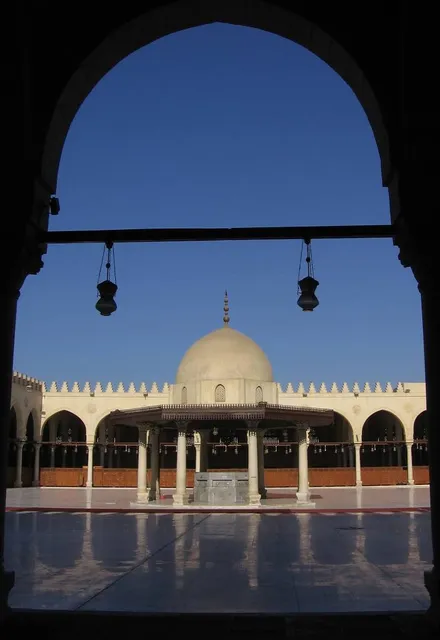
Amr ibn Al-A'as Mosque
4.7
(4K)
Click for details