L'Abbaye-aux-Hommes things to do, attractions, restaurants, events info and trip planning
Basic Info
L'Abbaye-aux-Hommes
Esp. Jean-Marie Louvel, 14000 Caen, France
4.6(2.4K)
Open until 5:00 PM


tickets
Save
spot
spot
Ratings & Description
Info
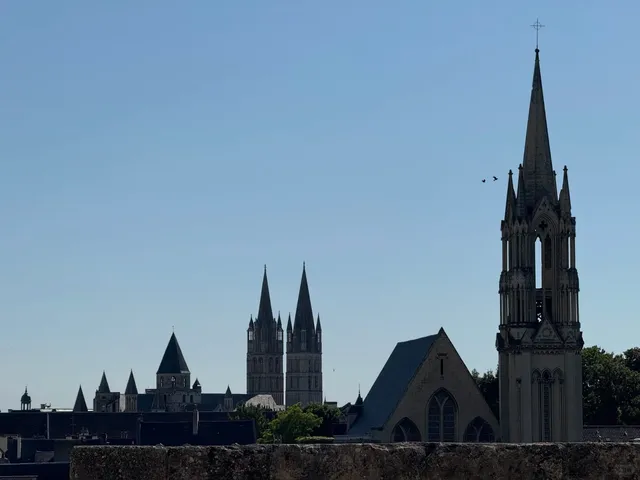
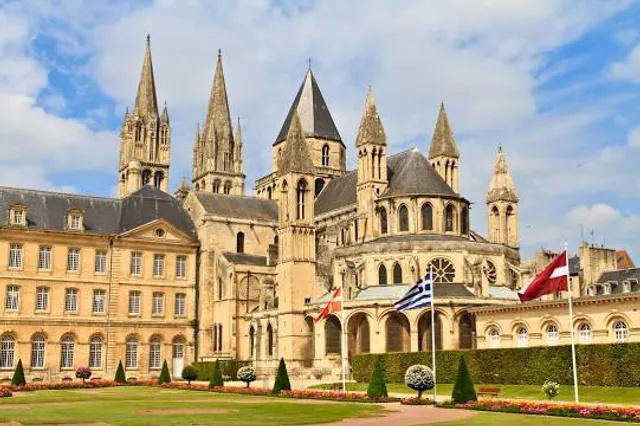
The Abbey of Saint-Étienne, also known as Abbaye aux Hommes by contrast with the Abbaye aux Dames, is a former Benedictine monastery in the French city of Caen, Normandy, dedicated to Saint Stephen. It was founded in 1063 by William the Conqueror and is one of the most important Romanesque buildings in Normandy.
Cultural
Accessibility
attractions: Artothèque Caen, Ducal Palace XIV century, Musée d'initiation à la nature, Saint Nicolas Church, L'abbatiale Tattoo Shop, Cemetery Saint Nicolas, Stade Hélitas, Grand Auditorium de Caen, Frac Normandie, Statue de Louis XIV par Louis Petitot 1828 ISMH, restaurants: Raffaella - Le Clan des Mamma, Pizzas & Cocktails - Caen Saint Sauveur, Saveurs du Viêtnam, Joufflu 1er, Simplexité, Le Bistrot du Palais, Cave Terres de Raisin Caen, BOUILLON Caponière, Restaurant MAGMA, Sœurs - café fleuri, Le Diplomate, local businesses: Moi d'abord - Coiffeur Caen, Camille.M Abbaye aux Hommes - Institut de Beauté & Massage Caen, TimeKeeping - Horloger - Caen, Madylon, 24 Rue Saint-Manvieu, Coccimarket, Skull And Bones, Traiteur Volailler Archimagirus, Un Amour, Une Histoire..., POMPES FUNÈBRES DE FRANCE - Caen
 Learn more insights from Wanderboat AI.
Phone
+33 2 31 30 42 81
Website
caen.fr
Open hoursSee all hours
Fri9 a.m. - 5 p.m.Open
Plan your stay

Pet-friendly Hotels in Caen
Find a cozy hotel nearby and make it a full experience.

Affordable Hotels in Caen
Find a cozy hotel nearby and make it a full experience.

The Coolest Hotels You Haven't Heard Of (Yet)
Find a cozy hotel nearby and make it a full experience.

Trending Stays Worth the Hype in Caen
Find a cozy hotel nearby and make it a full experience.
Reviews
Live events
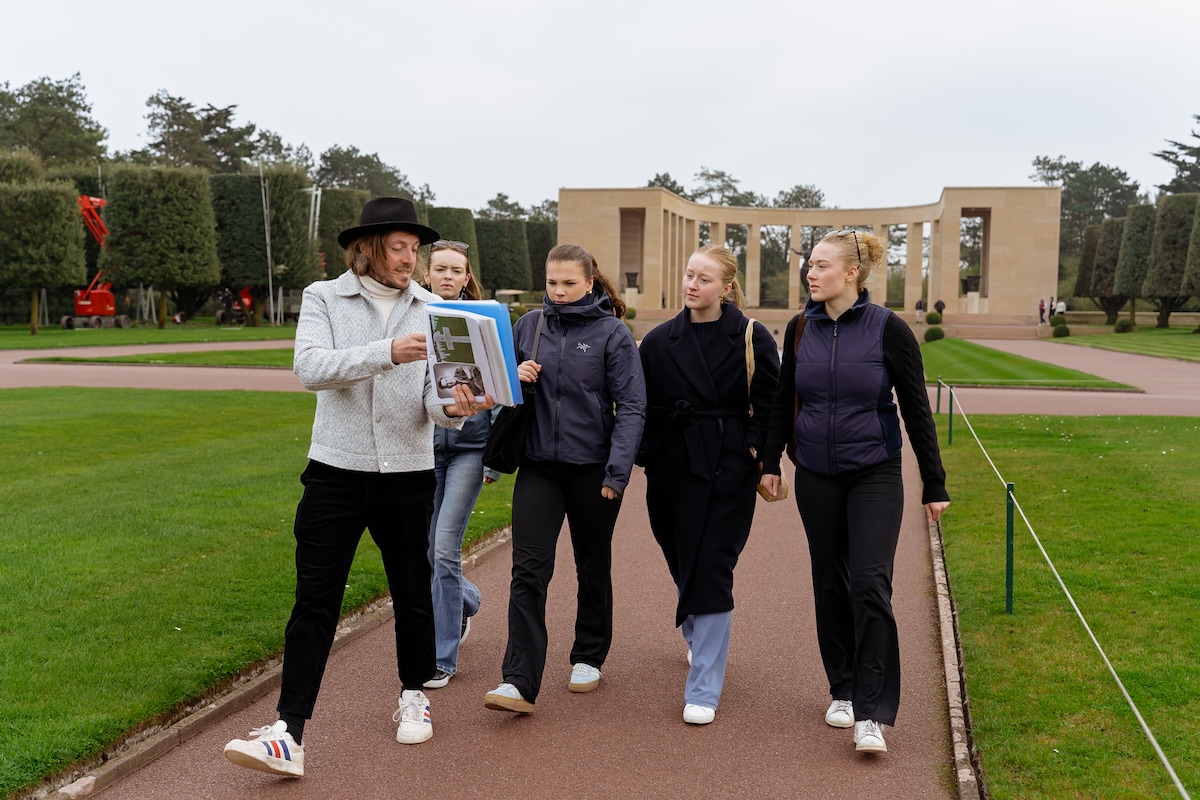
D-Day Tour
Mon, Feb 23 • 8:30 AM
14400, Bayeux, France
View details
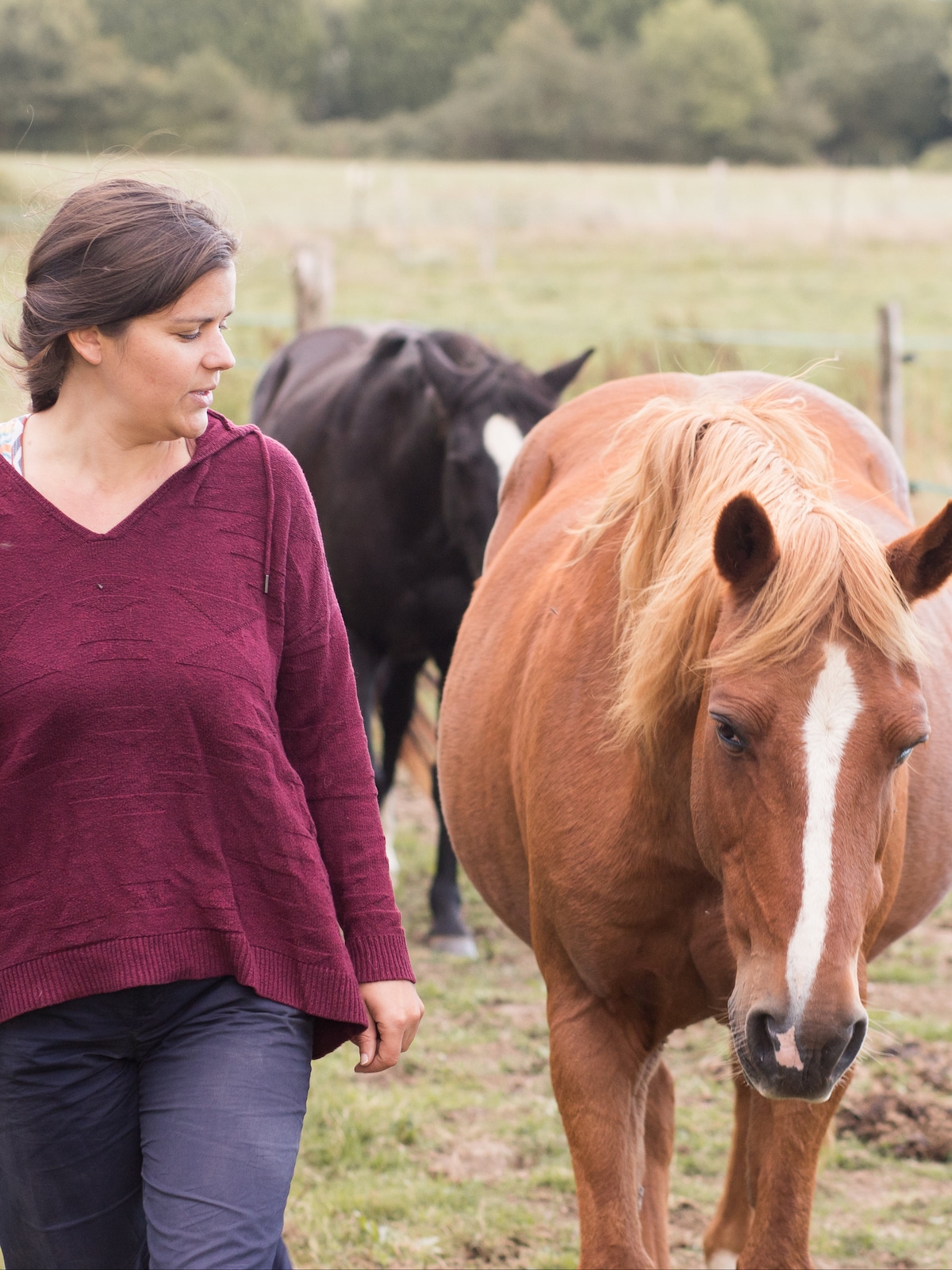
Discover equicoaching -individual session
Fri, Feb 20 • 4:00 PM
14510, Gonneville-sur-Mer, France
View details
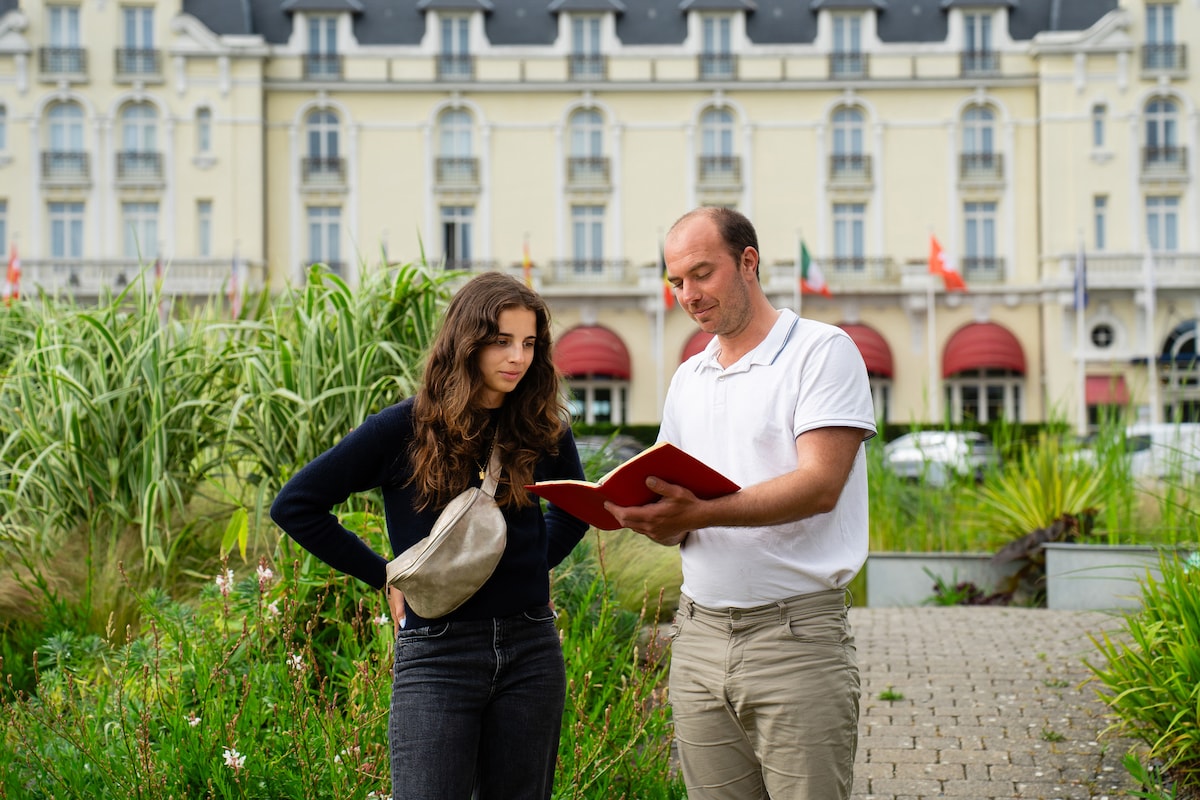
Discover Cabourg & Dives-sur-mer by bike
Fri, Feb 20 • 2:00 PM
14160, Dives-sur-Mer, France
View details
Nearby attractions of L'Abbaye-aux-Hommes
Artothèque Caen
Ducal Palace XIV century
Musée d'initiation à la nature
Saint Nicolas Church
L'abbatiale Tattoo Shop
Cemetery Saint Nicolas
Stade Hélitas
Grand Auditorium de Caen
Frac Normandie
Statue de Louis XIV par Louis Petitot 1828 ISMH
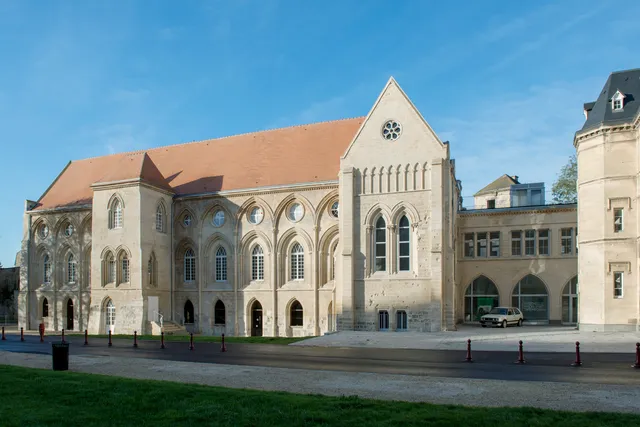
Artothèque Caen
4.7
(88)
Open until 6:00 PM
Click for details
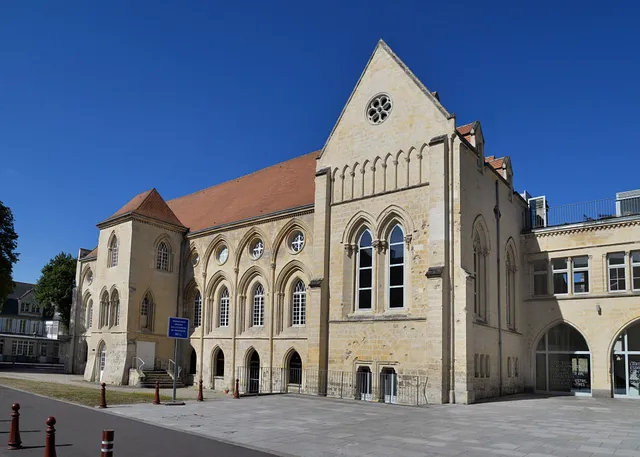
Ducal Palace XIV century
4.5
(20)
Open until 5:00 PM
Click for details
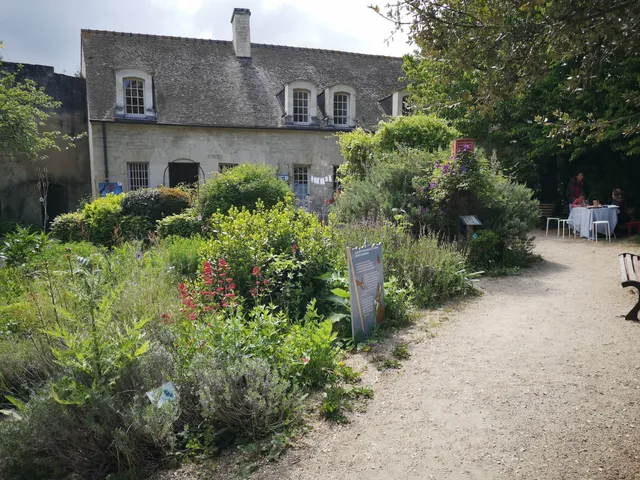
Musée d'initiation à la nature
4.6
(40)
Open until 12:00 AM
Click for details

Saint Nicolas Church
4.5
(65)
Open 24 hours
Click for details
Nearby restaurants of L'Abbaye-aux-Hommes
Raffaella - Le Clan des Mamma, Pizzas & Cocktails - Caen Saint Sauveur
Saveurs du Viêtnam
Joufflu 1er
Simplexité
Le Bistrot du Palais
Cave Terres de Raisin Caen
BOUILLON Caponière
Restaurant MAGMA
Sœurs - café fleuri
Le Diplomate
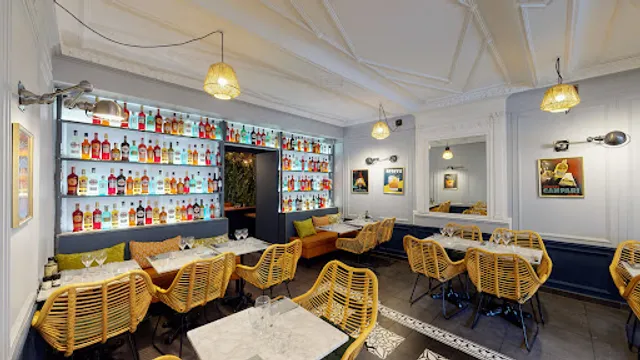
Raffaella - Le Clan des Mamma, Pizzas & Cocktails - Caen Saint Sauveur
4.5
(1.9K)
Closed
Click for details
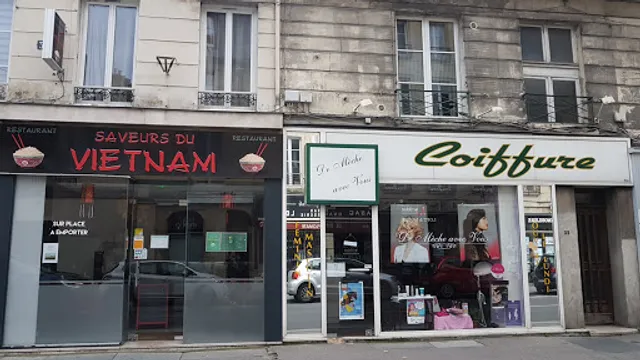
Saveurs du Viêtnam
4.8
(99)
Closed
Click for details
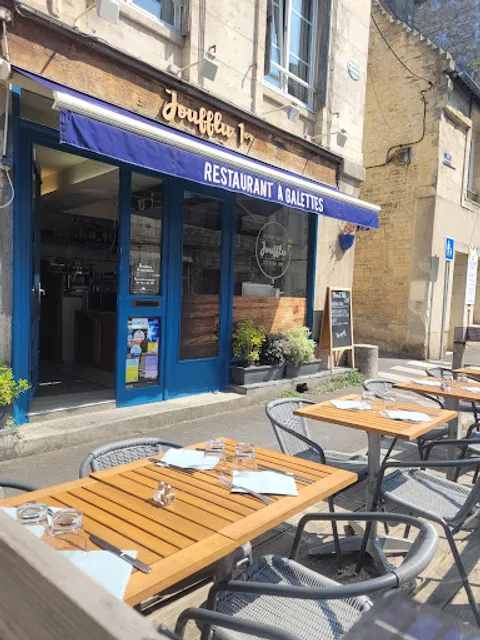
Joufflu 1er
4.8
(218)
Closed
Click for details
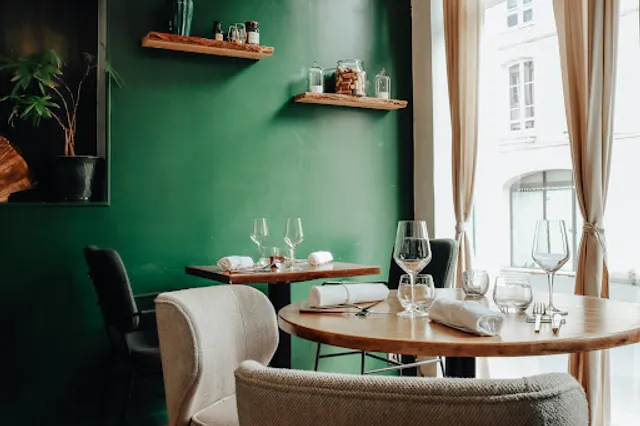
Simplexité
4.9
(175)
Closed
Click for details
Nearby local services of L'Abbaye-aux-Hommes
Moi d'abord - Coiffeur Caen
Camille.M Abbaye aux Hommes - Institut de Beauté & Massage Caen
TimeKeeping - Horloger - Caen
Madylon
24 Rue Saint-Manvieu
Coccimarket
Skull And Bones
Traiteur Volailler Archimagirus
Un Amour, Une Histoire...
POMPES FUNÈBRES DE FRANCE - Caen

Moi d'abord - Coiffeur Caen
4.8
(187)
Click for details

Camille.M Abbaye aux Hommes - Institut de Beauté & Massage Caen
4.9
(157)
Click for details
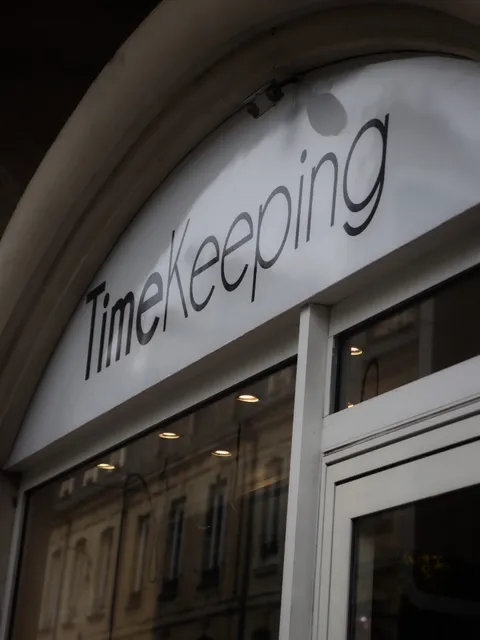
TimeKeeping - Horloger - Caen
4.8
(113)
Click for details
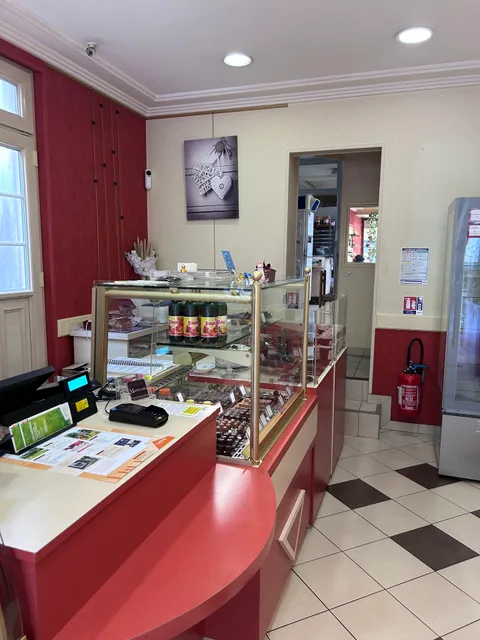
Madylon
4.6
(49)
Click for details