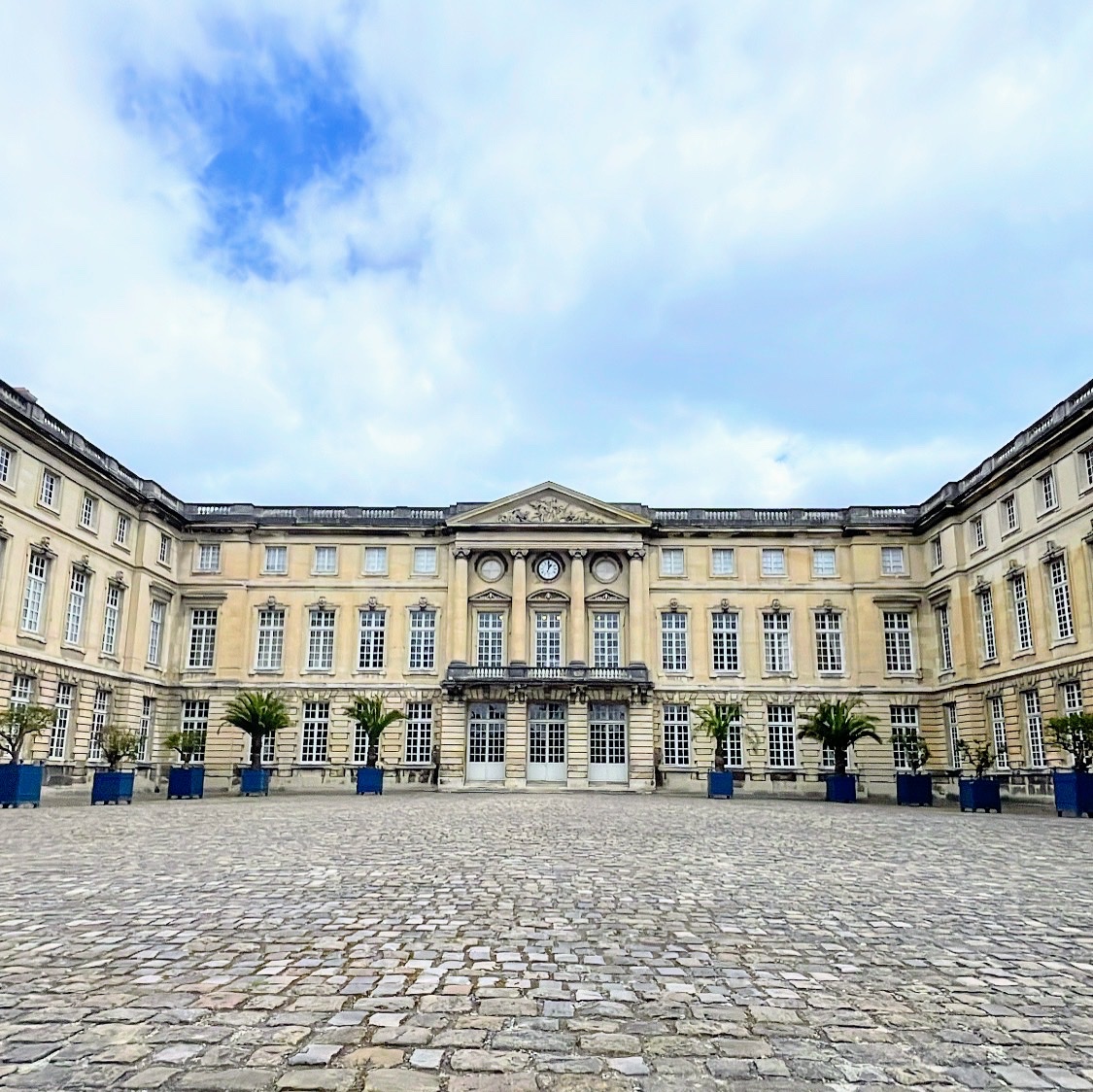
Château de Compiègne Visited during “siesta o’clock” and had the whole château almost to ourselves — even free entry! Beautiful antique furniture, detailed curation, and impressive artwork made it a joy to explore. The stuffed bear was unforgettable, if bittersweet. Peaceful, elegant, and far less crowded than France’s bigger attractions.
Château de Compiègne Visité pendant « l’heure de sieste » — entrée gratuite et le château presque rien que pour nous ! Superbes meubles anciens, une curation détaillée et des œuvres d’art impressionnantes. L’ours empaillé reste inoubliable, quoique un peu triste. Paisible, élégant, et bien moins bondé que les grandes attractions françaises.
Our visit to the Château de Compiègne was an unexpected highlight of our trip. We arrived during what I can only assume was “siesta o’clock,” which meant free entry — already enough to put a smile on my face. What followed was even better: we practically had the entire château to ourselves.
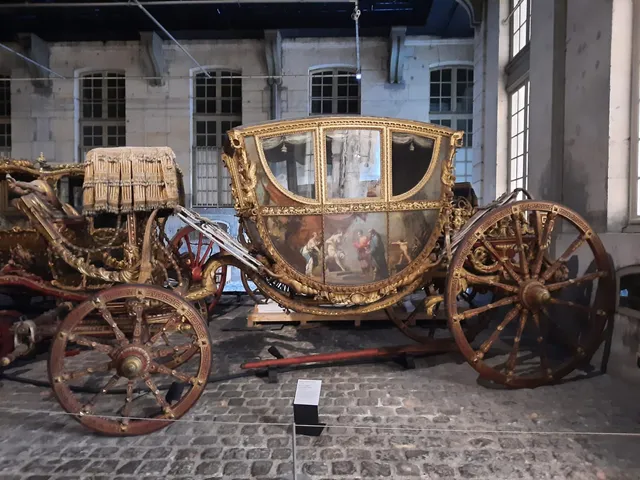
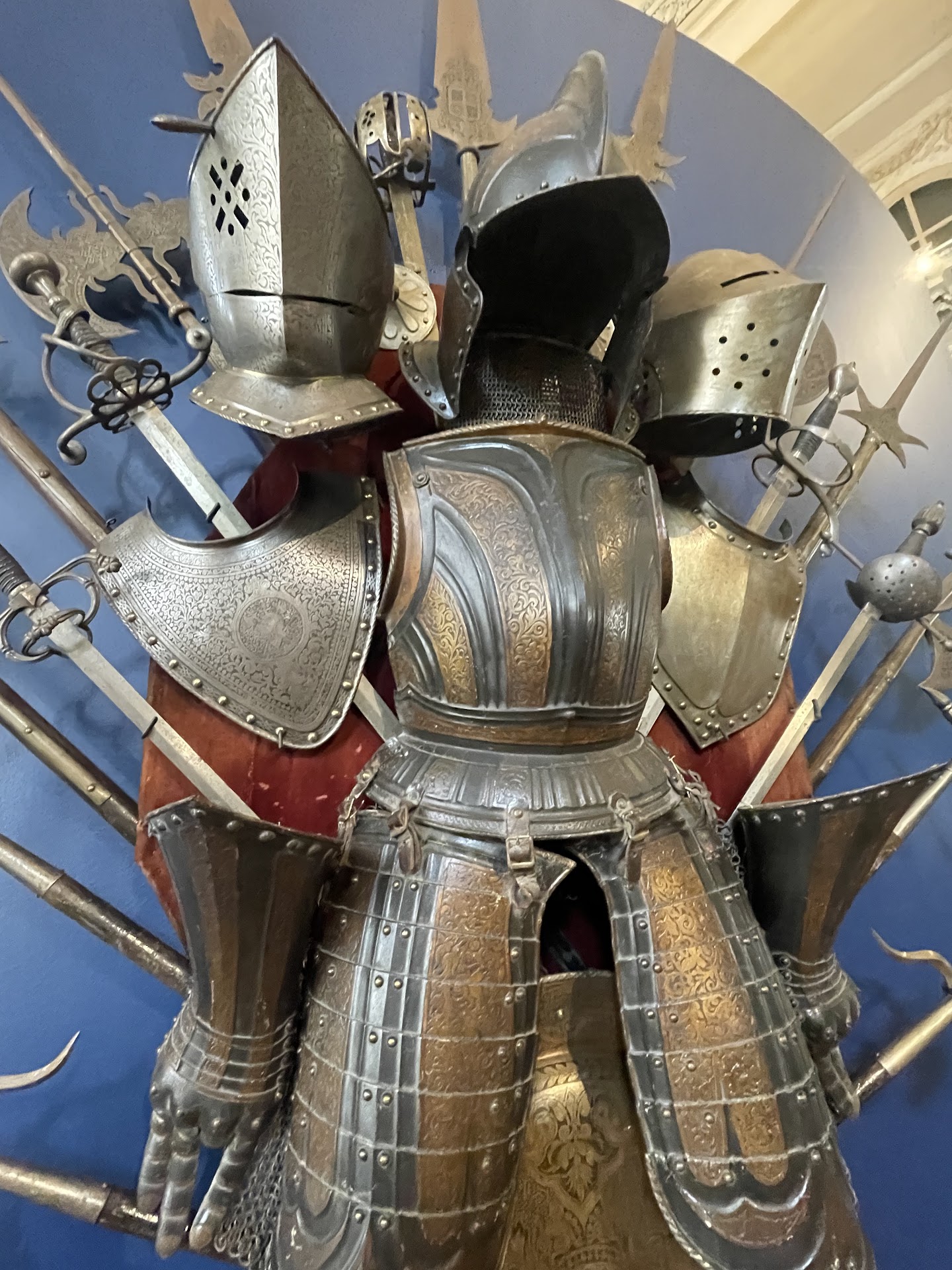
Wandering through the grand rooms with only a handful of other visitors made the experience feel special, almost as if we’d been granted private access. The château is beautifully curated, with antique furniture and decorative pieces that help bring the history of its former occupants to life. Each room had thoughtful detail and context, particularly around the artefacts and artwork on display.
The art collection was a real highlight, with paintings and sculptures that gave a vivid sense of the château’s past. And then there was the stuffed bear — unusual, slightly out of place, and somehow memorable. I couldn’t help but admire it while also feeling a little sad for the unfairness of its death.
Overall, the Château de Compiègne offered a far more relaxed and authentic cultural experience compared to some of France’s more famous attractions. With fewer crowds, a strong sense of history, and a beautifully maintained collection, it’s a place I’d recommend...
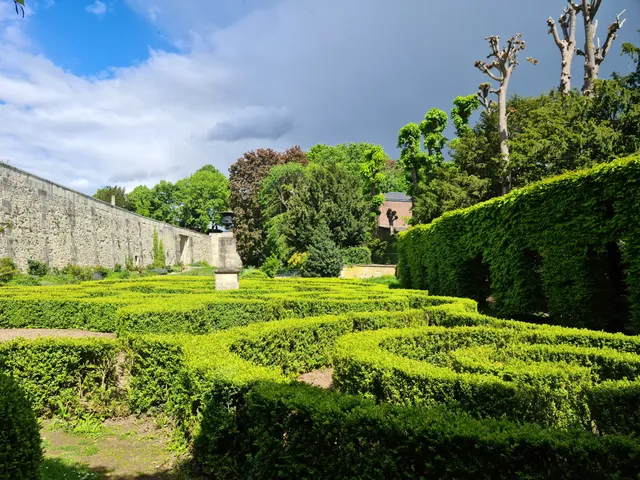
Read moreNot great for children. The gardens are great and the chateau is beautiful but I would not recommend this to kids (apart from the gardens.) We had two audioguides (and I speak fluent French so was happy to read the signs) but found the information incredibly unengaging. This is a period of history I am not very familiar with, and I left having not been able to learn anything really. My husband had my small son (3) on his shoulders so he wouldn’t touch anything (as there is NOTHING for children to engage with while the adults are reading the tiny signs) - three members of staff came rushing up to us to tell us that this is forbidden. As pushchairs and slings are not permitted, we had to wrestle our three year old around the palace, trying to explain why he couldn’t touch anything - we go to museums and galleries every week and have never had this issue before. I also struggled to find the audioguide points in each room, so this was mostly useless. A couple of rooms had an audio guide for ‘jeunes’ which I thought my 5 year old would enjoy, but when I listened to them, they were incredibly dull. In short - the gardens are beautiful - the museum is well maintained and well staffed, but it is not a friendly or fun place for families. Pay your ticket entry and trot around, but don’t expect to really learn anything if you’ve got kids with you! Top tip - The museum at the Cloitres in the town is AMAZING! It’s totally free, the lady who was in charge was so friendly and sweet with the children. They had a booklet with lots of activities to do, which my 5 year old really enjoyed. Although the museum is tiny, we spent a very happy 90mins there and came away having...
Read moreHet is een mooi kasteel om te bezoeken. Het is een kijk museum. Maar, indien geschiedenis niet je ding is, kan het ook een saai kasteel zijn. Het een jong kasteel, meer een werk- en woon paleis. Zonder slotgracht en kanonnen voor de deur. Je gaat van zaal naar zaal, en aanschouw het interieur. Informatieborden verhalen over het gebruik van de vertrekken tijdens de keizerrijken. In Nederland noemen we zo'n bezoek ook wel, gluren bij de buren. Oftewel, hoe wonen of woonden zij? Parkeren: Gratis, voor de deur. Maar daar wil iedereen wel staan. Iets verderop, achter groene hagen, links en rechts van deze brede laan, zijn nog meer parkeerplaatsen. Ze staan niet aangegeven, maar zijn herkenbaar door de 2 gebodsborden: verboden voor vrachtwagens en verboden voor bussen. Audio tour: Inbegrepen bij de entree is ook een audio tour, uw gids door het kasteel, het verhaalt over het leven aan het hof, de details van het interieur, over de makers ervan, enz. De audio tour is in diverse talen, waaronder Nederlands. Per kamer/salon is een audio fragment. Er zijn extra audio-fragmenten die dieper ingaan op details van de kamers. Tevens zijn er audio-fragmenten, gericht op kinderen. Dus terwijl u het ene verhaal hoort, hoort uw kind ongeveer het zelfde, maar dan in andere woorden. De informatie is overvloedig, u gaat al die namen niet onthouden. Talen: Frans, de hoofd taal. Engels, op de informatie -borden. Dit is niet consequent doorgevoerd. En diverse andere talen bij de audio-toer. Kinderen: Ik denk niet dat dit hun ding is, meubeltjes kijken. De wat oudere kinderen zullen zeker baad hebben met hun eigen toer. Toegankelijkheid: Goed, er is een lift aanwezig. In slechts een enkele zaal mag u zitten, neem dus gerust de aangeboden klapstoel aan het begin van de route mee. Honden: Geen idee, maar zou ze niet meenemen. Kluisjes: Aanwezig, en gratis te gebruiken. Tuin: Is gratis voor een ieder te bezoeken. Het kasteel is zeker niet verkeerd, maar moet samen gaan met je kennis van het verleden. Voorbeeld, in de salon van vermaak staat een tafel met vier stoelen en een spel kaarten. Gelijk aan de tafel in de film Napoleon, alwaar de Engelse ambassadeur een kaartje legt. En in gedachte vult de salon met aanwezigen, gelijk aan deze film. Rokerig en rumoerig. En zo liepen we met z'n tweeën, op een maandag, in een leeg kasteel, op ons gemak, vertrek voor vertrek, het leven aan het hof...
Read more