HTML SitemapExplore
logo
Find Things to DoFind The Best Restaurants

Saint-Michel tumulus — Attraction in Lorient

Name
Saint-Michel tumulus
Description
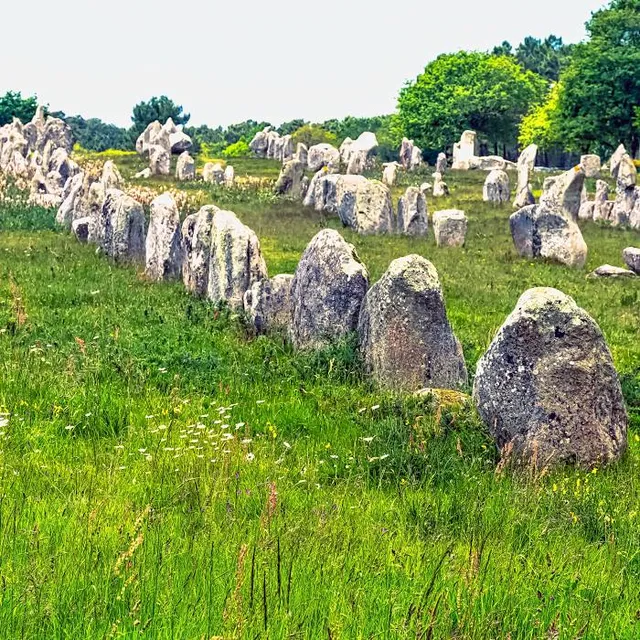
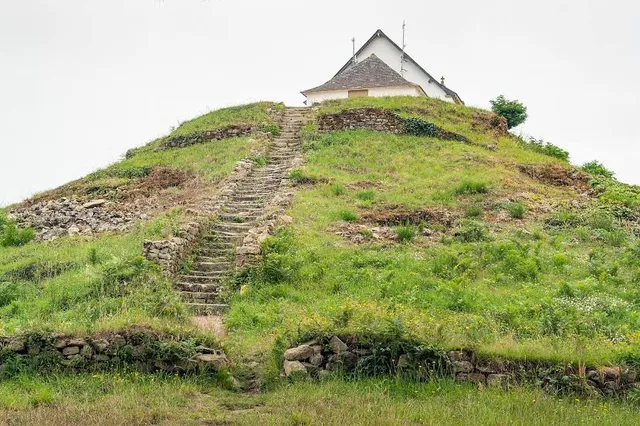
The Saint-Michel tumulus is a megalithic grave mound, located east of Carnac in Brittany, France. It is the largest grave mound in continental Europe.
Nearby attractions
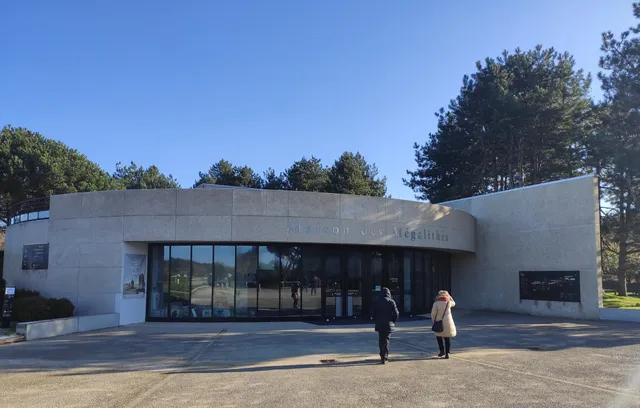
prehistoric museum
Place Christian Bonnet anciennement, 10 Pl. de la Chapelle, 56340 Carnac, France
Church St. Cornely
3 D119, 56340 Carnac, France
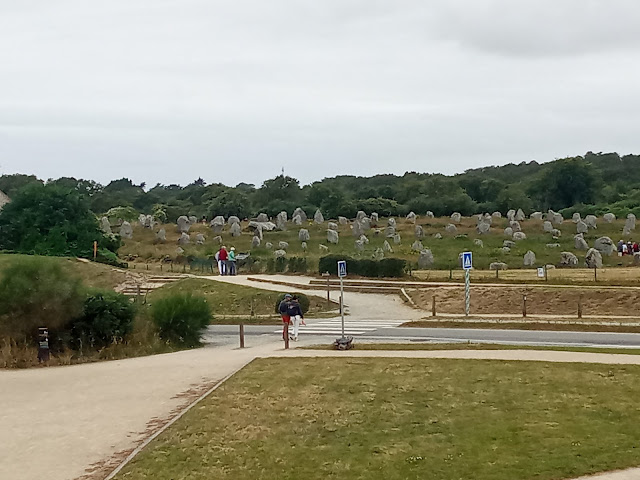
Alignements de Carnac
LIeu-dit le Ménec, 56340 Carnac, France
The Garden Césarine
Av. de la Poste, 56340 Carnac, France
Nearby restaurants
Restaurant du Tumulus
Chem. du Tumulus, 56340 Carnac, France
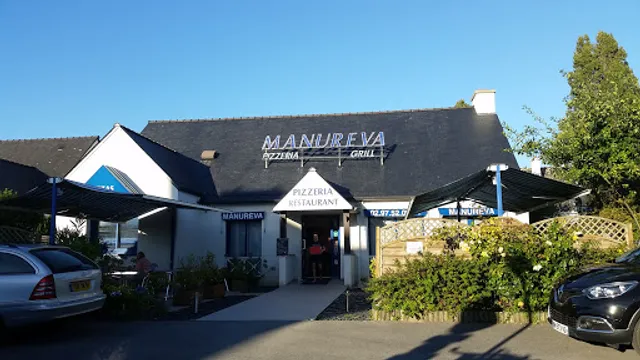
Manureva
8 Rue de Poul Person, 56340 Carnac, France
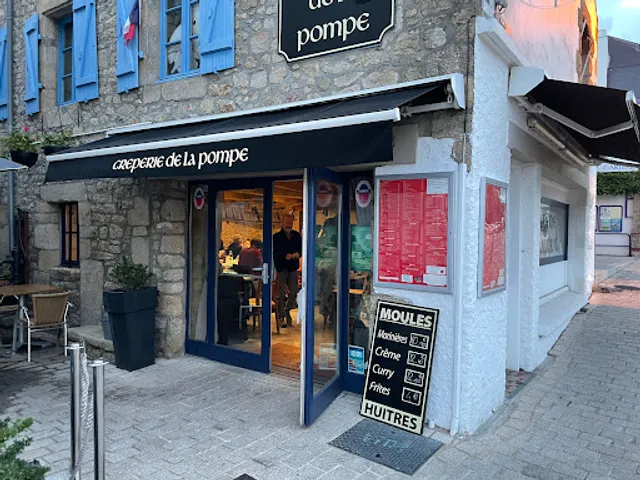
Crêperie De La Pompe
1 Pl. de la Chapelle, 56340 Carnac, France
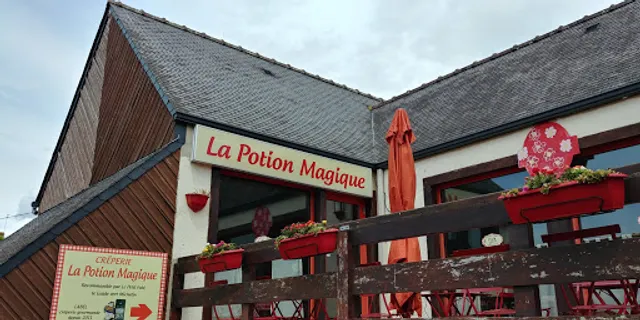
La Potion Magique
10 Rue Saint-Cornély, 56340 Carnac, France
Chez Marie
3 Pl. de l'Église, 56340 Carnac, France
PIZZERIA HELENA
1 Av. Zacharie le Rouzic, 56340 Carnac, France
Ty Jeanne
19 Pl. de la Chapelle, 56340 Carnac, France
Restaurant Brasserie La Dame de Caro Carnac Ville
2 Rue Saint-Cornély, 56340 Carnac, France
Itsasoa
1 Rue Ker Anna, 56340 Carnac, France
Ty Gwelig
8 Rue Colary, 56340 Carnac, France
Related posts
Keywords
Saint-Michel tumulus tourism.Saint-Michel tumulus hotels.Saint-Michel tumulus bed and breakfast. flights to Saint-Michel tumulus.Saint-Michel tumulus attractions.Saint-Michel tumulus restaurants.Saint-Michel tumulus travel.Saint-Michel tumulus travel guide.Saint-Michel tumulus travel blog.Saint-Michel tumulus pictures.Saint-Michel tumulus photos.Saint-Michel tumulus travel tips.Saint-Michel tumulus maps.Saint-Michel tumulus things to do.
Saint-Michel tumulus things to do, attractions, restaurants, events info and trip planning
Saint-Michel tumulus
FranceBrittanyLorientSaint-Michel tumulus

Basic Info

Saint-Michel tumulus

Unnamed Road, 56340 Carnac, France
4.3(1.3K)
Open 24 hours
Save
spot

Ratings & Description

Info

The Saint-Michel tumulus is a megalithic grave mound, located east of Carnac in Brittany, France. It is the largest grave mound in continental Europe.

Cultural
Outdoor
Pet friendly
attractions: prehistoric museum, Church St. Cornely, Alignements de Carnac, The Garden Césarine, restaurants: Restaurant du Tumulus, Manureva, Crêperie De La Pompe, La Potion Magique, Chez Marie, PIZZERIA HELENA, Ty Jeanne, Restaurant Brasserie La Dame de Caro Carnac Ville, Itsasoa, Ty Gwelig
logoLearn more insights from Wanderboat AI.

Plan your stay

hotel
Pet-friendly Hotels in Lorient
Find a cozy hotel nearby and make it a full experience.

hotel
Affordable Hotels in Lorient
Find a cozy hotel nearby and make it a full experience.

hotel
The Coolest Hotels You Haven't Heard Of (Yet)
Find a cozy hotel nearby and make it a full experience.

hotel
Trending Stays Worth the Hype in Lorient
Find a cozy hotel nearby and make it a full experience.

Reviews

Nearby attractions of Saint-Michel tumulus

prehistoric museum

Church St. Cornely

Alignements de Carnac

The Garden Césarine

prehistoric museum

prehistoric museum

4.2

(698)

Open 24 hours
Click for details
Church St. Cornely

Church St. Cornely

4.5

(579)

Open until 6:00 PM
Click for details
Alignements de Carnac

Alignements de Carnac

4.4

(8.3K)

Open 24 hours
Click for details
The Garden Césarine

The Garden Césarine

4.4

(236)

Open 24 hours
Click for details

Things to do nearby

Discover wildlife with a curator
Fri, Dec 5 • 9:00 AM
56400, Auray, France
View details
Create your own Murano beads
Thu, Dec 11 • 9:30 AM
56550, Locoal-Mendon, France
View details
Urban Art in Vannes with an Artist
Fri, Dec 5 • 10:00 AM
56000, Vannes, France
View details
Nearby restaurants of Saint-Michel tumulus

Restaurant du Tumulus

Manureva

Crêperie De La Pompe

La Potion Magique

Chez Marie

PIZZERIA HELENA

Ty Jeanne

Restaurant Brasserie La Dame de Caro Carnac Ville

Itsasoa

Ty Gwelig
Restaurant du Tumulus

Restaurant du Tumulus

4.2

(15)

Click for details
Manureva

Manureva

4.2

(190)

Click for details
Crêperie De La Pompe

Crêperie De La Pompe

4.2

(297)

Click for details
La Potion Magique

La Potion Magique

4.6

(675)

$$

Click for details
Get the Appoverlay
Get the AppOne tap to find yournext favorite spots!
Wanderboat LogoWanderboat

Your everyday Al companion for getaway ideas

CompanyAbout Us
InformationAI Trip PlannerSitemap
SocialXInstagramTiktokLinkedin
LegalTerms of ServicePrivacy Policy

Get the app

© 2025 Wanderboat. All rights reserved.
logo

Posts

Cor CaterCor Cater
⭐️⭐️⭐️⭐️ The Saint-Michel Tumulus is a large Neolithic burial mound, built in the fifth millennium BC. At 125 meters long and 10 meters high, it’s one of the largest in Europe. Excavations in the 19th century revealed a central chamber containing funerary objects: axes, flint tools, pearls, and sillimanite. These suggest it was used for high-status burials and may have held ceremonial or symbolic significance. The site was also the location of a military engagement between French and British forces in 1795, adding a later historical layer. The walk up is fairly short, and the view from the top is open and expansive, with a clear sense of the surrounding landscape. It’s easy to see why this location was chosen. At the summit, however, the presence of a Catholic church built directly over the tumulus is jarring. It’s a familiar pattern, Christian structures placed over older spiritual sites. Whatever practices or beliefs the site originally supported have been overwritten. The church’s placement turns what might have been a rare opportunity to engage with a pre-Christian landscape into something more about continuity of institutional religion. Still, the site is worth a visit, especially for those interested in early European prehistory and how different layers of history interact and compete over time. ⸻ ⭐️⭐️⭐️⭐️ Le tumulus Saint-Michel est un grand monument funéraire néolithique, construit au cinquième millénaire avant notre ère. Mesurant 125 mètres de long et 10 mètres de haut, il est l’un des plus grands d’Europe. Des fouilles menées au XIXe siècle ont révélé une chambre centrale contenant des objets funéraires : haches, outils en silex, perles et sillimanite. Ces découvertes indiquent qu’il s’agissait d’un lieu de sépulture réservé à des individus de haut rang, probablement utilisé dans un cadre rituel ou symbolique. Le site a également été le théâtre d’un affrontement militaire entre les forces françaises et britanniques en 1795, ajoutant une couche historique plus récente. L’ascension est relativement courte, et la vue depuis le sommet est dégagée, donnant une bonne lecture du paysage environnant. On comprend facilement pourquoi cet emplacement a été choisi. Cependant, la présence d’une église catholique construite directement au sommet du tumulus surprend. C’est un schéma bien connu, celui de structures chrétiennes édifiées sur des lieux spirituels plus anciens. Les croyances ou pratiques d’origine ont été recouvertes. L’église transforme ce qui aurait pu être une rare occasion de se connecter à un paysage préchrétien en une affirmation du pouvoir religieux établi. Malgré cela, le site mérite une visite, en particulier pour ceux qui s’intéressent à la préhistoire européenne et à la manière dont les différentes strates historiques coexistent, ou s’effacent, au fil du temps.
Xavier Burgos PadillaXavier Burgos Padilla
Luftaufnahme des Tumulus Saint-Michel i der Alignements von Menéć von Suden El túmul de Saint-Michel, situat al punt més alt de Carnac, és un exemple emblemàtic de la monumentalitat funerària neolítica a l'Europa occidental. Va ser classificat com a monument històric l'any 1889. Aquest monument megalític fa 125 m de llarg, 60 m d'amplada i 10 m d'alçada. Al seu cim es va reconstruir l'any 1926, una capella dedicada a Sant Miquel. Aquest túmul artificial, construït cap a mitjans del V mil·lenni aC, cobreix una complexa estructura funerària revelada per les diferents exploracions arqueològiques realitzades als segles XIX i XX. Dirigida per René Galles l'any 1862, les primeres investigacions van portar al descobriment, després d'excavar un pou vertical, d'una volta que contenia nombrosos objectes. De 1900 a 1907, Zacharie Le Rouzic va emprendre excavacions més sistemàtiques. Va crear una sèrie de galeries de mines que revelen diverses voltes satèl·lits així com un dolmen de corredor a l'est del túmul. Els objectes descoberts durant les diferents campanyes (fulles de destral en pedra polida, objectes d'adorn, eines de sílex i fragments d'ossos) es conserven als museus de Carnac i Vannes.
Elizabeth BakerElizabeth Baker
Being interested in this period of history and having visited many UK sites, I really found this site unique and the scale of the tumulus is impressive. You cannot enter the chapel at the top but you do get fantastic views of the surrounding area. When planning which sites to visit at Carnac, add this one to your shortlist. Free to enter.
See more posts
See more posts
hotel
Find your stay

Pet-friendly Hotels in Lorient

Find a cozy hotel nearby and make it a full experience.

⭐️⭐️⭐️⭐️ The Saint-Michel Tumulus is a large Neolithic burial mound, built in the fifth millennium BC. At 125 meters long and 10 meters high, it’s one of the largest in Europe. Excavations in the 19th century revealed a central chamber containing funerary objects: axes, flint tools, pearls, and sillimanite. These suggest it was used for high-status burials and may have held ceremonial or symbolic significance. The site was also the location of a military engagement between French and British forces in 1795, adding a later historical layer. The walk up is fairly short, and the view from the top is open and expansive, with a clear sense of the surrounding landscape. It’s easy to see why this location was chosen. At the summit, however, the presence of a Catholic church built directly over the tumulus is jarring. It’s a familiar pattern, Christian structures placed over older spiritual sites. Whatever practices or beliefs the site originally supported have been overwritten. The church’s placement turns what might have been a rare opportunity to engage with a pre-Christian landscape into something more about continuity of institutional religion. Still, the site is worth a visit, especially for those interested in early European prehistory and how different layers of history interact and compete over time. ⸻ ⭐️⭐️⭐️⭐️ Le tumulus Saint-Michel est un grand monument funéraire néolithique, construit au cinquième millénaire avant notre ère. Mesurant 125 mètres de long et 10 mètres de haut, il est l’un des plus grands d’Europe. Des fouilles menées au XIXe siècle ont révélé une chambre centrale contenant des objets funéraires : haches, outils en silex, perles et sillimanite. Ces découvertes indiquent qu’il s’agissait d’un lieu de sépulture réservé à des individus de haut rang, probablement utilisé dans un cadre rituel ou symbolique. Le site a également été le théâtre d’un affrontement militaire entre les forces françaises et britanniques en 1795, ajoutant une couche historique plus récente. L’ascension est relativement courte, et la vue depuis le sommet est dégagée, donnant une bonne lecture du paysage environnant. On comprend facilement pourquoi cet emplacement a été choisi. Cependant, la présence d’une église catholique construite directement au sommet du tumulus surprend. C’est un schéma bien connu, celui de structures chrétiennes édifiées sur des lieux spirituels plus anciens. Les croyances ou pratiques d’origine ont été recouvertes. L’église transforme ce qui aurait pu être une rare occasion de se connecter à un paysage préchrétien en une affirmation du pouvoir religieux établi. Malgré cela, le site mérite une visite, en particulier pour ceux qui s’intéressent à la préhistoire européenne et à la manière dont les différentes strates historiques coexistent, ou s’effacent, au fil du temps.
Cor Cater

Cor Cater

hotel
Find your stay

Affordable Hotels in Lorient

Find a cozy hotel nearby and make it a full experience.

Get the Appoverlay
Get the AppOne tap to find yournext favorite spots!
Luftaufnahme des Tumulus Saint-Michel i der Alignements von Menéć von Suden El túmul de Saint-Michel, situat al punt més alt de Carnac, és un exemple emblemàtic de la monumentalitat funerària neolítica a l'Europa occidental. Va ser classificat com a monument històric l'any 1889. Aquest monument megalític fa 125 m de llarg, 60 m d'amplada i 10 m d'alçada. Al seu cim es va reconstruir l'any 1926, una capella dedicada a Sant Miquel. Aquest túmul artificial, construït cap a mitjans del V mil·lenni aC, cobreix una complexa estructura funerària revelada per les diferents exploracions arqueològiques realitzades als segles XIX i XX. Dirigida per René Galles l'any 1862, les primeres investigacions van portar al descobriment, després d'excavar un pou vertical, d'una volta que contenia nombrosos objectes. De 1900 a 1907, Zacharie Le Rouzic va emprendre excavacions més sistemàtiques. Va crear una sèrie de galeries de mines que revelen diverses voltes satèl·lits així com un dolmen de corredor a l'est del túmul. Els objectes descoberts durant les diferents campanyes (fulles de destral en pedra polida, objectes d'adorn, eines de sílex i fragments d'ossos) es conserven als museus de Carnac i Vannes.
Xavier Burgos Padilla

Xavier Burgos Padilla

hotel
Find your stay

The Coolest Hotels You Haven't Heard Of (Yet)

Find a cozy hotel nearby and make it a full experience.

hotel
Find your stay

Trending Stays Worth the Hype in Lorient

Find a cozy hotel nearby and make it a full experience.

Being interested in this period of history and having visited many UK sites, I really found this site unique and the scale of the tumulus is impressive. You cannot enter the chapel at the top but you do get fantastic views of the surrounding area. When planning which sites to visit at Carnac, add this one to your shortlist. Free to enter.
Elizabeth Baker

Elizabeth Baker

See more posts
See more posts

Reviews of Saint-Michel tumulus

4.3
(1,279)
avatar
5.0
17w

⭐️⭐️⭐️⭐️

The Saint-Michel Tumulus is a large Neolithic burial mound, built in the fifth millennium BC. At 125 meters long and 10 meters high, it’s one of the largest in Europe. Excavations in the 19th century revealed a central chamber containing funerary objects: axes, flint tools, pearls, and sillimanite. These suggest it was used for high-status burials and may have held ceremonial or symbolic significance.

The site was also the location of a military engagement between French and British forces in 1795, adding a later historical layer.

The walk up is fairly short, and the view from the top is open and expansive, with a clear sense of the surrounding landscape. It’s easy to see why this location was chosen.

At the summit, however, the presence of a Catholic church built directly over the tumulus is jarring. It’s a familiar pattern, Christian structures placed over older spiritual sites. Whatever practices or beliefs the site originally supported have been overwritten. The church’s placement turns what might have been a rare opportunity to engage with a pre-Christian landscape into something more about continuity of institutional religion.

Still, the site is worth a visit, especially for those interested in early European prehistory and how different layers of history interact and compete over time.

⸻

⭐️⭐️⭐️⭐️ Le tumulus Saint-Michel est un grand monument funéraire néolithique, construit au cinquième millénaire avant notre ère. Mesurant 125 mètres de long et 10 mètres de haut, il est l’un des plus grands d’Europe. Des fouilles menées au XIXe siècle ont révélé une chambre centrale contenant des objets funéraires : haches, outils en silex, perles et sillimanite. Ces découvertes indiquent qu’il s’agissait d’un lieu de sépulture réservé à des individus de haut rang, probablement utilisé dans un cadre rituel ou symbolique.

Le site a également été le théâtre d’un affrontement militaire entre les forces françaises et britanniques en 1795, ajoutant une couche historique plus récente.

L’ascension est relativement courte, et la vue depuis le sommet est dégagée, donnant une bonne lecture du paysage environnant. On comprend facilement pourquoi cet emplacement a été choisi.

Cependant, la présence d’une église catholique construite directement au sommet du tumulus surprend. C’est un schéma bien connu, celui de structures chrétiennes édifiées sur des lieux spirituels plus anciens. Les croyances ou pratiques d’origine ont été recouvertes. L’église transforme ce qui aurait pu être une rare occasion de se connecter à un paysage préchrétien en une affirmation du pouvoir religieux établi.

Malgré cela, le site mérite une visite, en particulier pour ceux qui s’intéressent à la préhistoire européenne et à la manière dont les différentes strates historiques coexistent, ou s’effacent, au...

   Read more
avatar
5.0
1y

Tumulus de St Michel is located on the NE edge of Carnac. Hotel du Tumulus is conveniently located adjacent to the giant mound. A small chapel is perched on the summit of the mound. There are two modern entrances, on the S and W sides, into the two chambers and passages buried within the tumulus. However, these are only accessible on guided tours. Despite the encroachment of modernity, Tumulus de St Michel manages to retain its gravitas. It provides extensive views over Carnac...

   Read more
avatar
5.0
2y

TÚMULO DE SAN MICHAEL. EL LUGAR DEL VIAJE, EL LUGAR DEL ÁNGEL. El monte de Hermes y Mercurio.

Esta gran montaña artificial (el túmulo de Saint-Michel consiste en un montículo de tierra y piedras de 125 metros de largo, 50 metros de ancho y 10 metros de altura) fue construido en varias etapas, hacia la mitad del 5 º milenio a.C. (datado en el año 4500 antes de Cristo). Esta arquitectura funeraria monumental destinada a una personalidad de la época desvela unas extraordinarias competencias técnicas, un empeño particularmente bien logrado de los constructores y, sobre todo, una jerarquía social confirmada por la calidad de su estructura y elementos interiores. La elección del emplazamiento de la sepultura contribuye plenamente a su dimensión excepcional: el punto culminante del territorio. Visible por todos y desde todos los sitios, desde la cima de este monumento restaurado por el Centro de monumentos nacionales se puede disfrutar de una panorámica única. Dentro de su interior se encontró la piedra alquímica del conocimiento en forma de cuentas, la variscita. Estas cuentas formaron parte del ritual que los sacerdotes-chamanes realizaban durante la ceremonia de enterramiento de los difuntos durante el Neolítico y épocas posteriores, como media que facilitaba el tránsito...

   Read more
Page 1 of 7
Previous
Next