Cathédrale Saint-Pierre Saint-Paul things to do, attractions, restaurants, events info and trip planning
Basic Info
Cathédrale Saint-Pierre Saint-Paul
Pl. Saint-Pierre, 10000 Troyes, France
4.6(1.7K)
Closed
Save
spot
spot
Ratings & Description
Info
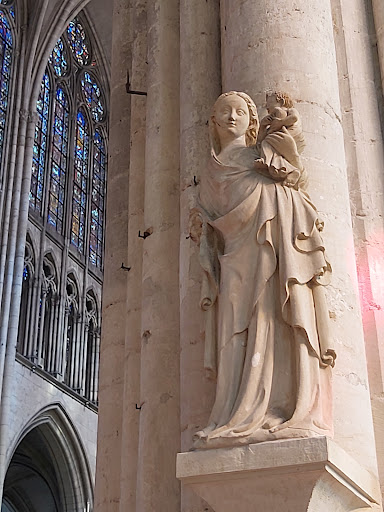
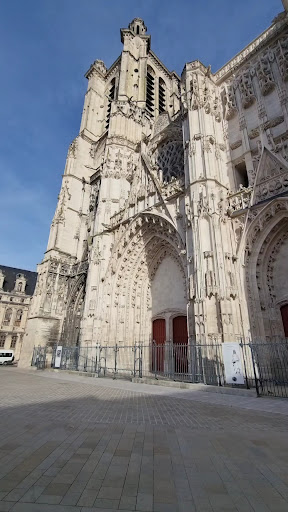
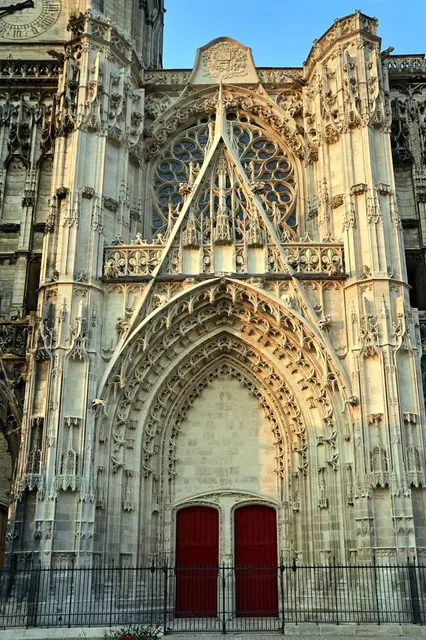
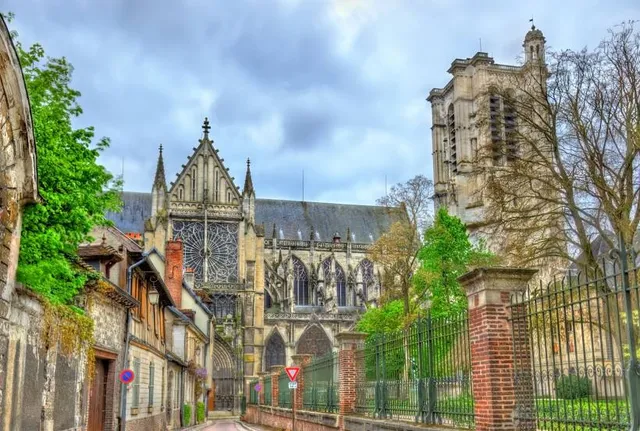
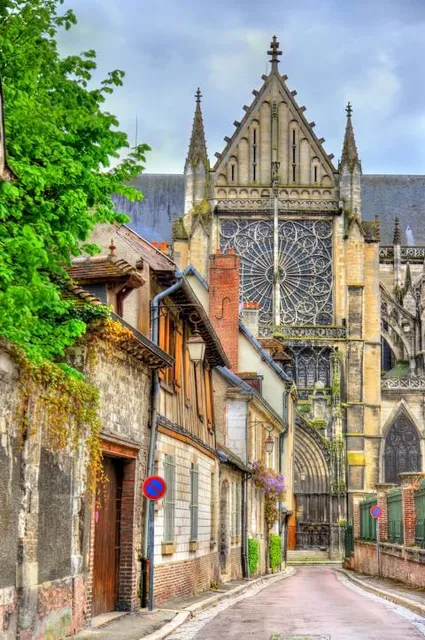
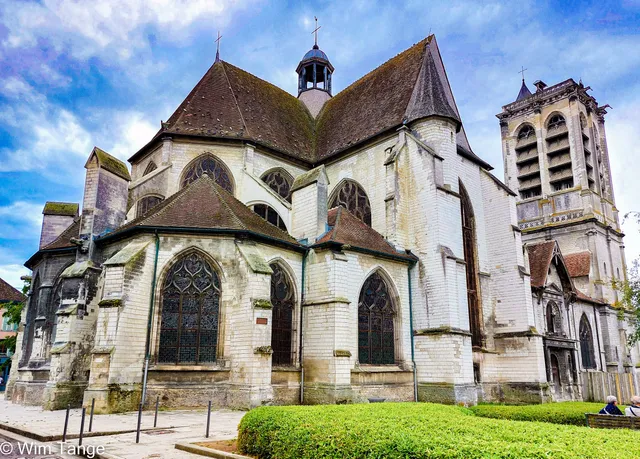
Troyes Cathedral is a Catholic church, dedicated to Saint Peter and Saint Paul, located in the town of Troyes in Champagne, France. It is the episcopal seat of the Bishop of Troyes. The cathedral, in the Gothic architectural style, has been a listed monument historique since 1862.
Cultural
Accessibility
attractions: Museum of Fine Arts and Archeology, Cité du Vitrail, Hôtel du Petit Louvre, Hôtel-Dieu-le-Comte, flee poor fools, Basilique Saint-Urbain de Troyes, Apothicairerie de l'Hôtel-Dieu-le-Comte, Église Saint-Rémy, Église Sainte-Madeleine, Église Saint-Jean-au-Marché, restaurants: Le Dropkick Bar Troyes, El Majless, SOLEIL DE L INDE, La Barge Restaurant, Les Sens'iel Steakhouse, AU LIBANAIS, L'insolite restaurant africain, L'atelier lahmacun, Le Quai de Champagne | Restaurant | Chef Jean-Paul Braga, Saveurs et Félicité, local businesses: Modern Art Museum, Église Saint-Nizier, Le Coeur de Troyes, Bassin de la Préfecture, Roman Catholic Diocese of Troyes, Ruelle des Chats
 Learn more insights from Wanderboat AI.
Phone
+33 3 25 76 98 18
Website
cathedraledetroyes.com
Open hoursSee all hours
Tue9:30 a.m. - 12:30 p.m., 2 - 6 p.m.Closed
Plan your stay

Pet-friendly Hotels in Troyes
Find a cozy hotel nearby and make it a full experience.

Affordable Hotels in Troyes
Find a cozy hotel nearby and make it a full experience.

The Coolest Hotels You Haven't Heard Of (Yet)
Find a cozy hotel nearby and make it a full experience.

Trending Stays Worth the Hype in Troyes
Find a cozy hotel nearby and make it a full experience.
Reviews
Live events

Golri Show
Sat, Feb 28 • 6:30 PM
1 Rue des Perrières 10410 Saint-Parres-aux-Tertres
View details
Nearby attractions of Cathédrale Saint-Pierre Saint-Paul
Museum of Fine Arts and Archeology
Cité du Vitrail
Hôtel du Petit Louvre
Hôtel-Dieu-le-Comte
flee poor fools
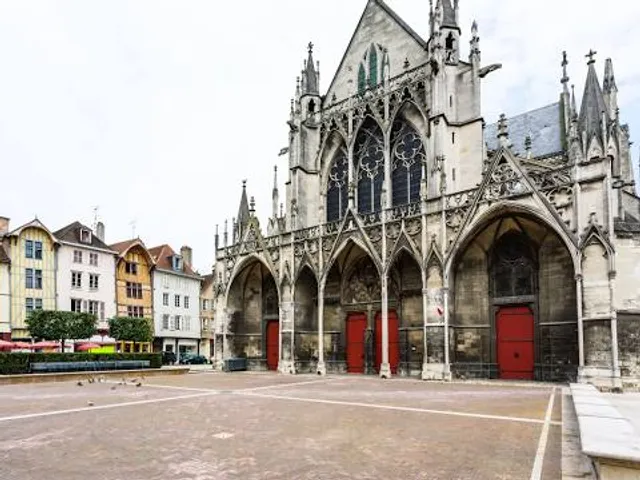
Basilique Saint-Urbain de Troyes
Apothicairerie de l'Hôtel-Dieu-le-Comte
Église Saint-Rémy
Église Sainte-Madeleine
Église Saint-Jean-au-Marché
Museum of Fine Arts and Archeology
4.5
(324)
Open until 12:00 AM
Click for details
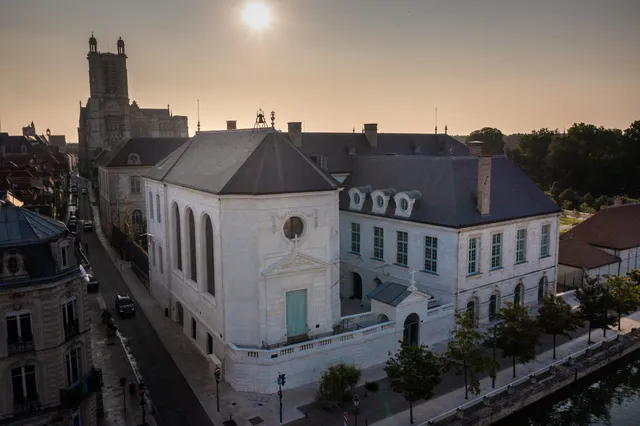
Cité du Vitrail
4.6
(389)
Open until 12:00 AM
Click for details
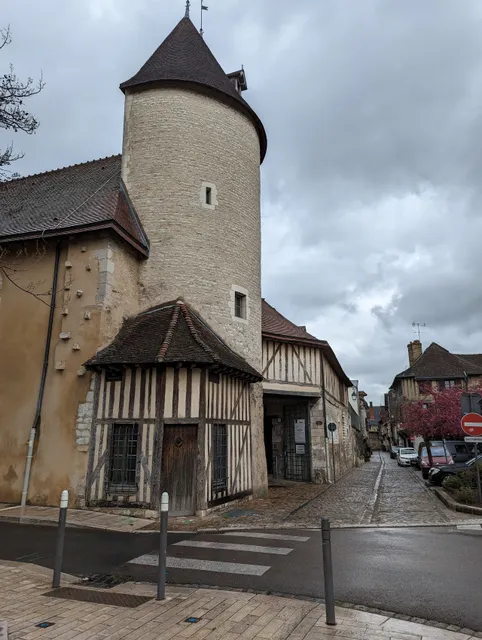
Hôtel du Petit Louvre
4.2
(29)
Open until 12:00 AM
Click for details
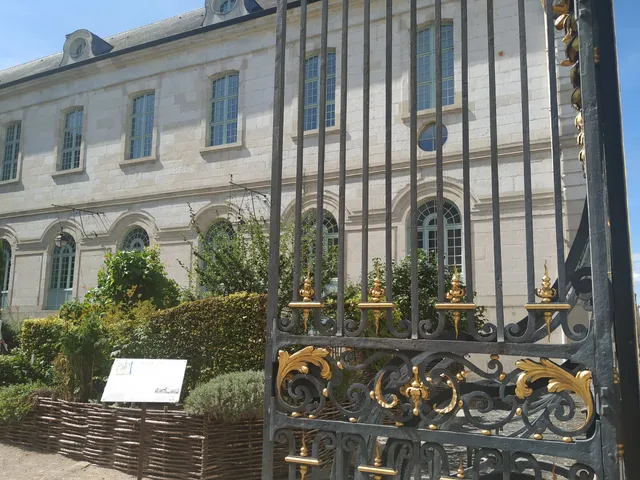
Hôtel-Dieu-le-Comte
4.6
(27)
Open 24 hours
Click for details
Nearby restaurants of Cathédrale Saint-Pierre Saint-Paul
Le Dropkick Bar Troyes
El Majless
SOLEIL DE L INDE
La Barge Restaurant
Les Sens'iel Steakhouse
AU LIBANAIS
L'insolite restaurant africain
L'atelier lahmacun
Le Quai de Champagne | Restaurant | Chef Jean-Paul Braga
Saveurs et Félicité
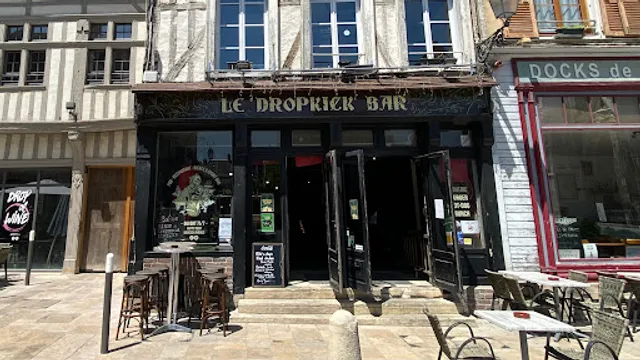
Le Dropkick Bar Troyes
4.5
(474)
Closed
Click for details
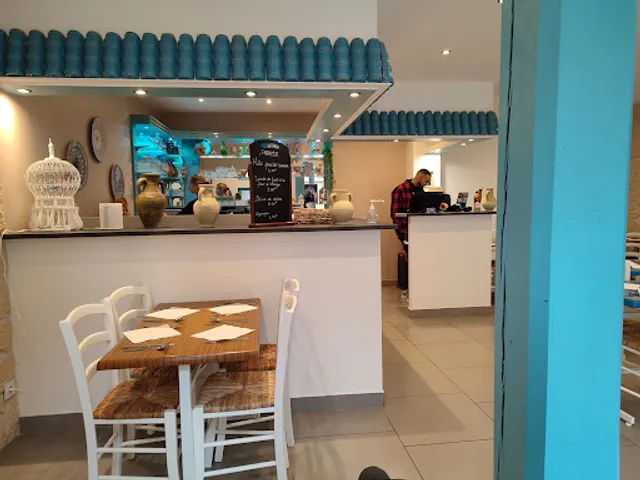
El Majless
4.8
(214)
Open until 12:00 AM
Click for details
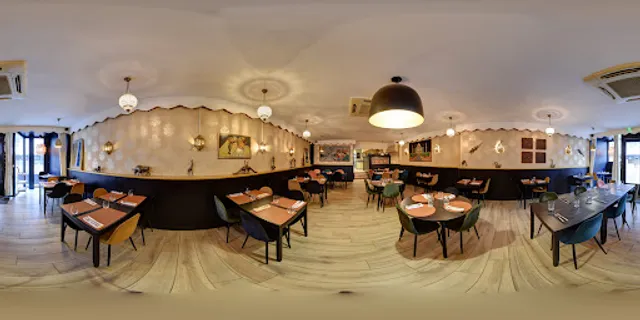
SOLEIL DE L INDE
4.4
(371)
Open until 12:00 AM
Click for details
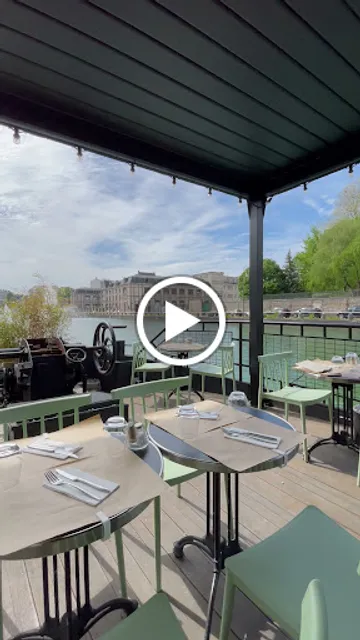
La Barge Restaurant
4.2
(911)
Open until 12:00 AM
Click for details
Nearby local services of Cathédrale Saint-Pierre Saint-Paul
Modern Art Museum
Église Saint-Nizier
Le Coeur de Troyes
Bassin de la Préfecture
Roman Catholic Diocese of Troyes
Ruelle des Chats
Modern Art Museum
4.6
(190)
Click for details
Église Saint-Nizier
4.4
(15)
Click for details
Le Coeur de Troyes
4.6
(650)
Click for details
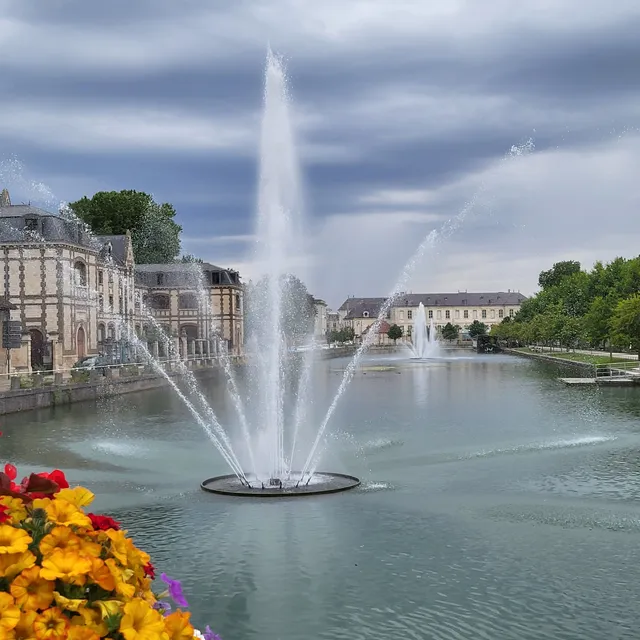
Bassin de la Préfecture
4.6
(9)
Click for details