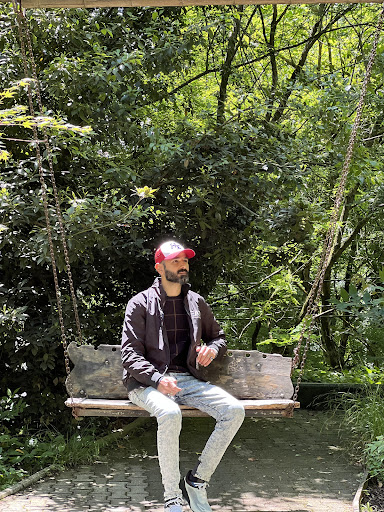
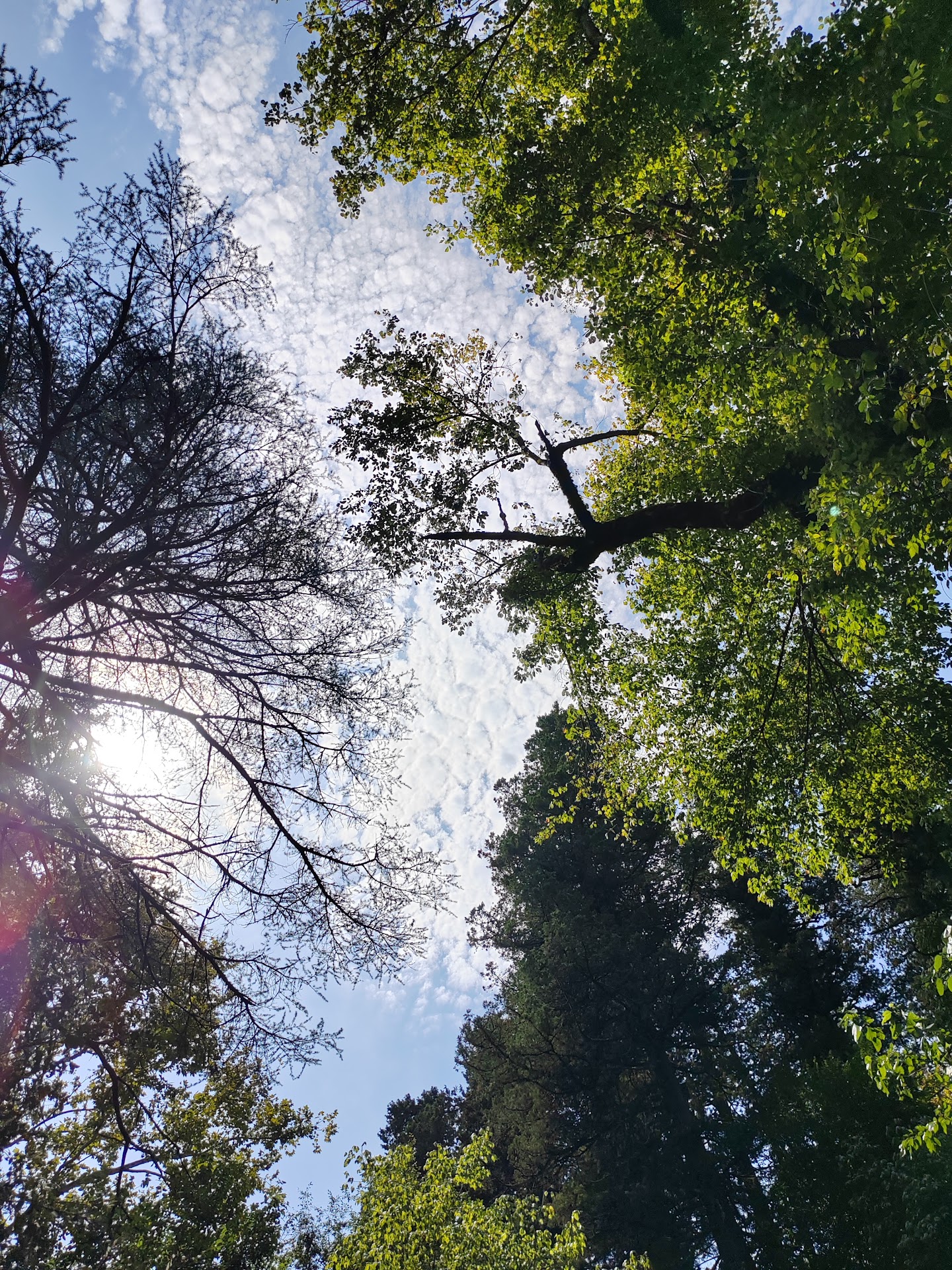
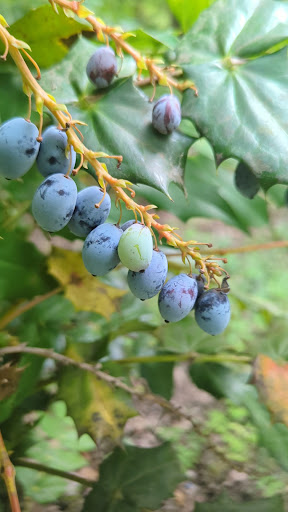
Kutaisi Botanical Garden is located in the city of Kutaisi, on the right bank of River Rioni and because of its age and characteristic of planning, it is considered to be one of the important parts of the construction of the park and garden. It is one of the first points of introduction of subtropical trees and shrubs in Imereti.
The garden has several hundreds of different species of the world. Kutaisi Botanical Garden has several natural terraces. Geographically, it is the most eastern part of the Kolkheti lowland and is 150 meters above sea level. The main scientific direction of the garden is the preservation and protection of plant biodiversity.
Dendroflora of the Botanical Garden has about 700 species of plants, trees, and shrubs, from all the flora regions of the world. Here are 210 species of plants belonging to 80 botanical families.
History Kutaisi Botanical Garden was founded in 1969, but it has the heritage of the garden that was built 120-140 years ago in the city. In the middle of the 19th century, the garden was originally called farm garden. Later it was known as "tchomi Park".
It is closely linked to the creation of the Kutaisi City Gardens (later Boulevard, now the city park) and the farm garden (now Botanical Garden). The city garden was built around 1820 and the farm garden in 1840. This period that lasted until 1900-1910 should be considered as the first period of introduction of foreign exotic plants in Kutaisi.
In the Kutaisi Botanical Garden, the second period of planting new species of plants and thus enrichment of garden vegetation is associated with the name of the subtropical institution in the former Tchomi Park (the same farm garden).
The most important part of plant introduction starts with the creation of the Kutaisi Botanical Garden. From this period intensively begins introduction of the plants. New geofloristic plots are being created.
In the Botanical Garden of Kutaisi during the last 25 years, plants were brought from Botanical Gardens in Batumi, Sokhumi, Tbilisi, and part of species was from the Botanical Gardens of the former Soviet Union. Most of these seeds were from Moscow, Riga, Kiev, Nikita, Donetsk Botanical Gardens. #georgia #Kutaisi #atlanta #atl #tbilisi #florida #texas #newyork #love #travel #california #photography #usa #alabama #batumi #miami #explorepage #nature #tennessee #instagram #football #explore #instagood #like #art #russia #follow #fashion...
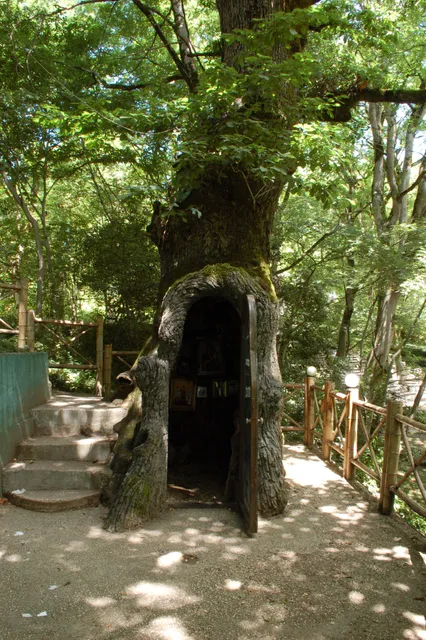
Read moreThe Kutaisi Botanical Garden is such a peaceful and charming place to spend a few hours. It feels like stepping into a calm oasis right in the city. The garden is full of beautiful trees and plants, and there are plenty of benches where you can sit, relax, and just enjoy the greenery. My favorite part was the little chapel built inside a centuries-old oak tree—it’s something truly unique and magical to see.
The paths are pleasant to walk, and you’ll also come across fountains, sculptures, and quiet corners that make it perfect for photos or simply unwinding. The entrance fee is very affordable, and it’s an easy walk from the city center. While it’s not the most polished or modern botanical garden, that’s part of its charm—it feels authentic, natural, and very serene.
I highly recommend it for anyone visiting Kutaisi who wants a relaxing break from...
Read moreI thoroughly enjoyed my visit to the botanical garden, which was breathtakingly beautiful and impeccably maintained. The garden showcased a diverse array of plant species, but unfortunately, there was no information available on how to purchase seeds or propagate the plants. However, the serene atmosphere and abundance of benches made it an ideal spot to unwind and relax. The garden also features a hiking trail for those looking to explore further. I appreciated the affordable entrance fee, which was significantly cheaper than other similar attractions. I highly recommend visiting the botanical garden for a peaceful and rejuvenating experience. Additionally, dog owners will appreciate that the garden is dog-friendly, making it a great outing for the...
Read more