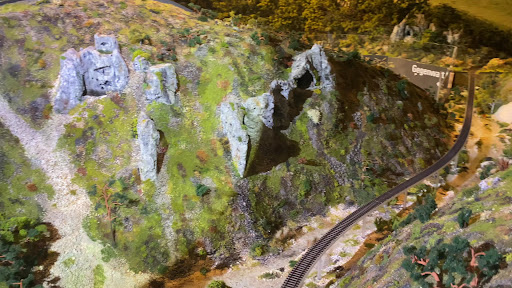
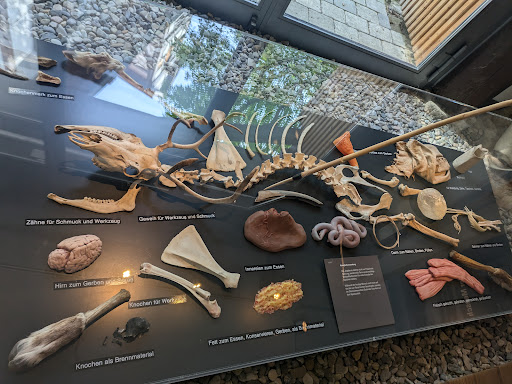
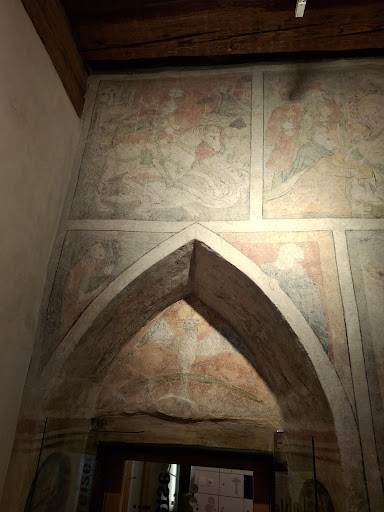
Blaubeuren Prehistory Museum things to do, attractions, restaurants, events info and trip planning
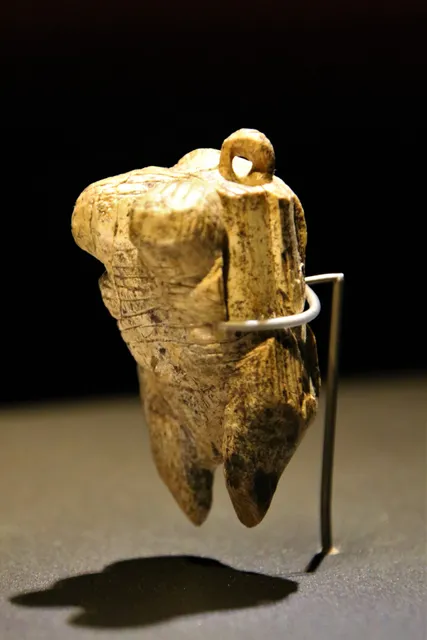
Basic Info
Blaubeuren Prehistory Museum
Kirchpl. 10, 89143 Blaubeuren, Germany
4.7(189)
Open until 12:00 AM

tickets
Save
spot
spot
Ratings & Description
Info
Cultural
Family friendly
Accessibility
attractions: Monk's Bathhouse Museum, Die schöne Lau Blaubeuren, küssende Sau, Brillenhöhle, restaurants: Café-Confiserie Kuhn, Badhaus Café – Specialty Coffee & Fair Trade, Steakhouse ATELIER Hot Stone Steak, Adler, Il Gusto - Italienische Spezialitäten, Espressobar, Betriebsverpflegung, Eiscafé "Eis Bof", BRÄUSTÜBLE PUMATOR, Wirtschaft zum Schwanen, Wirtschaft zum Fass, VYLIAN Restaurant in Blaubeuren - Vietnamese & Asian Cuisine, local businesses: Blaubeuren Abbey, Blautopf, Blautopf
 Learn more insights from Wanderboat AI.
Phone
+49 7344 966990
Website
urmu.de
Open hoursSee all hours
MonClosedOpen
Plan your stay

Pet-friendly Hotels in Gemeindeverwaltungsverband Blaubeuren
Find a cozy hotel nearby and make it a full experience.

Affordable Hotels in Gemeindeverwaltungsverband Blaubeuren
Find a cozy hotel nearby and make it a full experience.

The Coolest Hotels You Haven't Heard Of (Yet)
Find a cozy hotel nearby and make it a full experience.

Trending Stays Worth the Hype in Gemeindeverwaltungsverband Blaubeuren
Find a cozy hotel nearby and make it a full experience.
Reviews
Live events

Candlelight: Tribut an ABBA und mehr
Fri, Feb 27 • 6:00 PM
Grüner Hof 7, Ulm, 89073
View details

Paarmomente: Ulm für Zwei - Die Schatzsuche
Mon, Feb 23 • 11:00 AM
Münsterplatz 21, 89073 Ulm, 89073
View details
Candlelight: Ed Sheeran meets Coldplay
Sat, Feb 28 • 8:00 PM
Frauenstraße 110, Ulm, 89073
View details
Nearby attractions of Blaubeuren Prehistory Museum
Monk's Bathhouse Museum
Die schöne Lau Blaubeuren
küssende Sau
Brillenhöhle
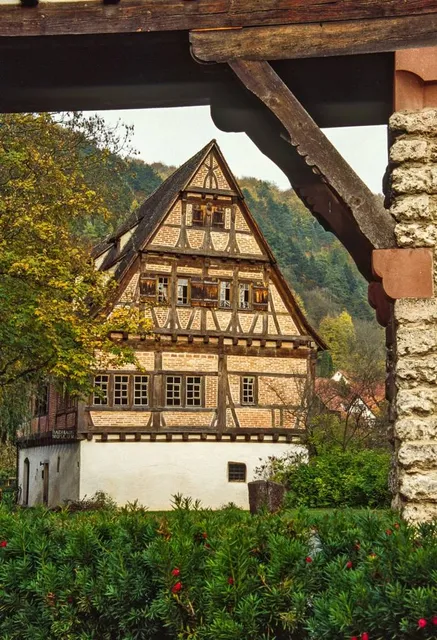
Monk's Bathhouse Museum
4.5
(17)
Open 24 hours
Click for details
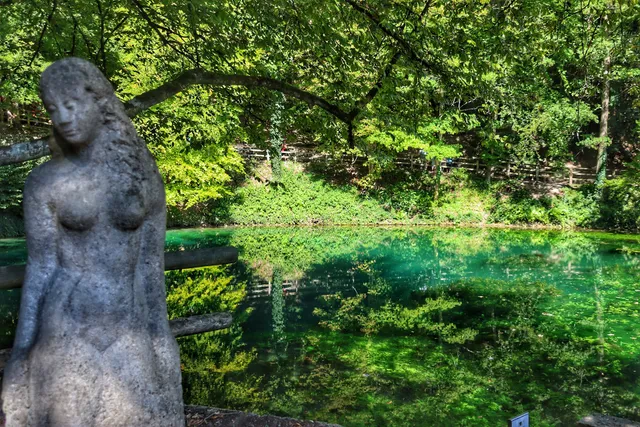
Die schöne Lau Blaubeuren
4.6
(43)
Open until 12:00 AM
Click for details
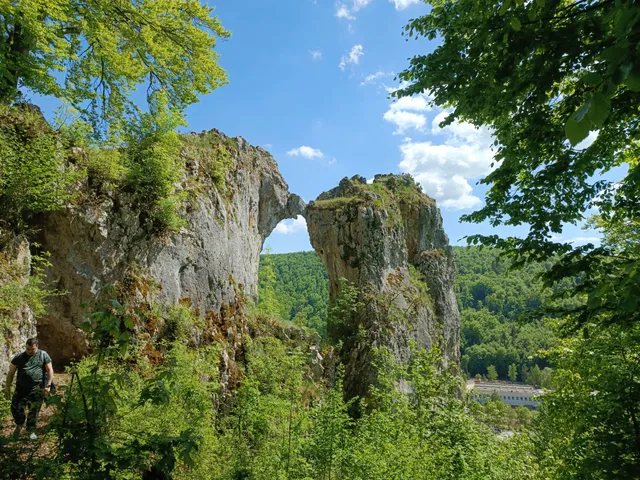
küssende Sau
4.6
(231)
Open until 12:00 AM
Click for details
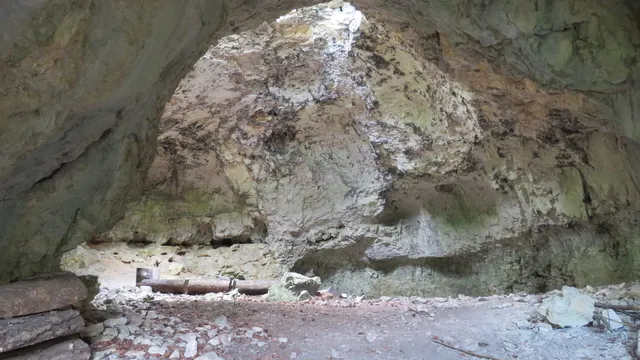
Brillenhöhle
3.8
(75)
Open until 12:00 AM
Click for details
Nearby restaurants of Blaubeuren Prehistory Museum
Café-Confiserie Kuhn
Badhaus Café – Specialty Coffee & Fair Trade
Steakhouse ATELIER Hot Stone Steak
Adler
Il Gusto - Italienische Spezialitäten, Espressobar, Betriebsverpflegung
Eiscafé "Eis Bof"
BRÄUSTÜBLE PUMATOR
Wirtschaft zum Schwanen
Wirtschaft zum Fass
VYLIAN Restaurant in Blaubeuren - Vietnamese & Asian Cuisine
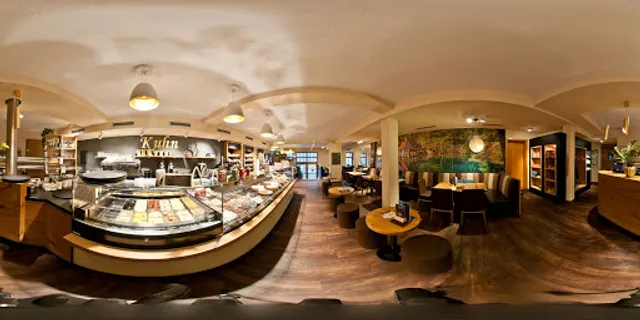
Café-Confiserie Kuhn
4.2
(317)
Open until 12:00 AM
Click for details
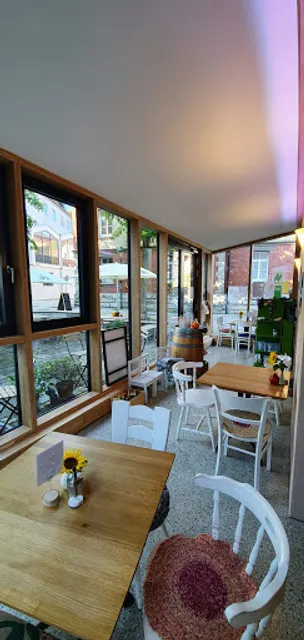
Badhaus Café – Specialty Coffee & Fair Trade
4.8
(193)
Open until 10:00 PM
Click for details
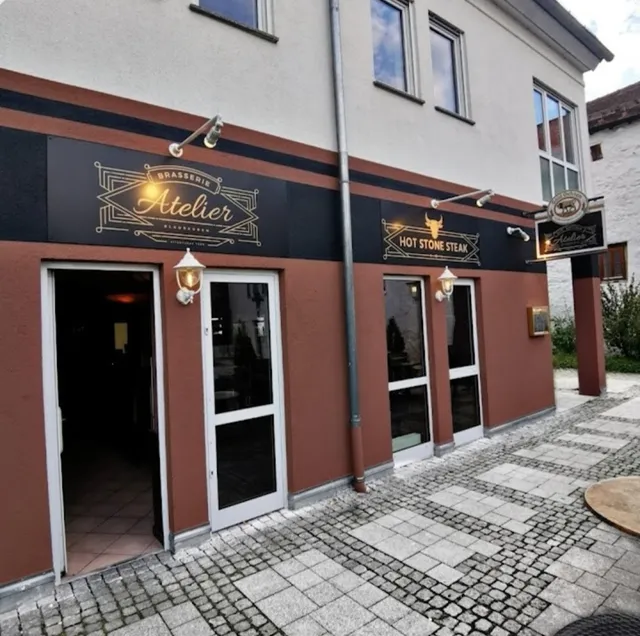
Steakhouse ATELIER Hot Stone Steak
4.9
(479)
$$
Open until 12:00 AM
Click for details
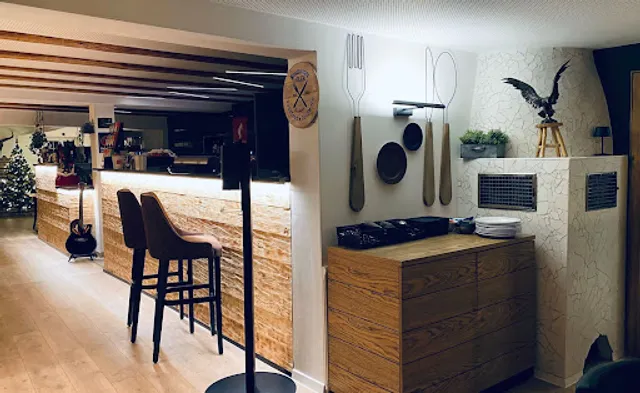
Adler
4.6
(227)
$$
Open until 12:00 AM
Click for details
Nearby local services of Blaubeuren Prehistory Museum
Blaubeuren Abbey
Blautopf
Blautopf
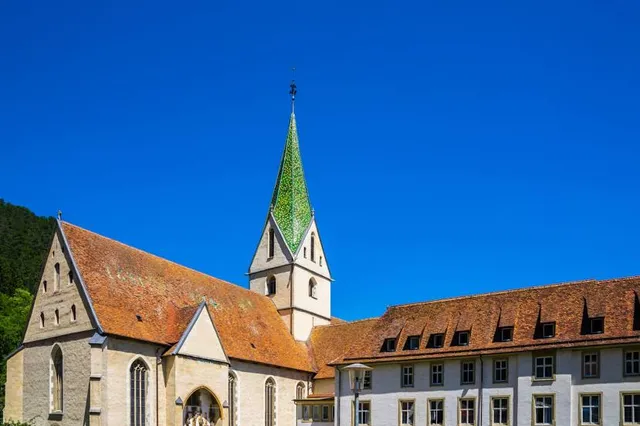
Blaubeuren Abbey
4.6
(560)
Click for details
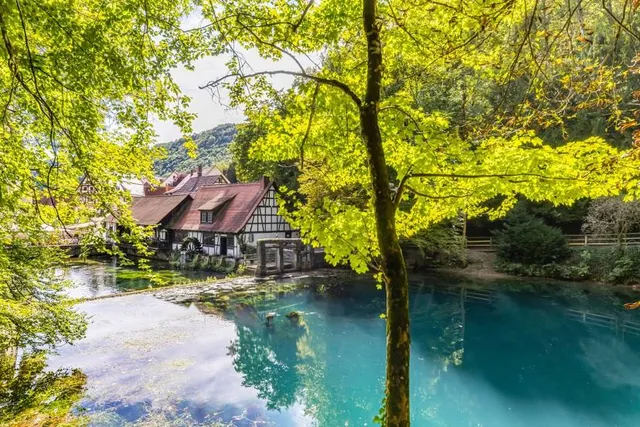
Blautopf
4.7
(1.3K)
Click for details
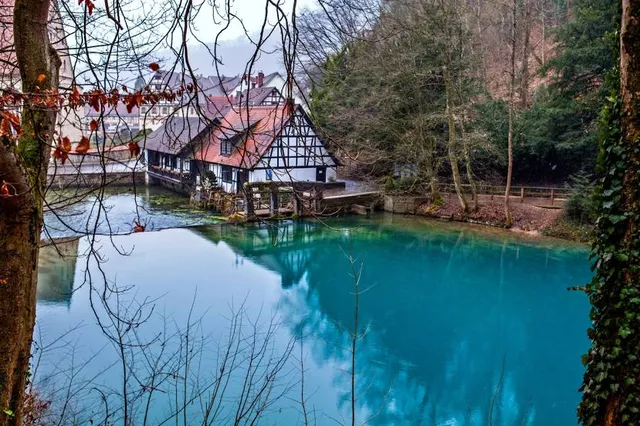
Blautopf
4.8
(83)
Click for details