Deutsches Eck things to do, attractions, restaurants, events info and trip planning
Basic Info
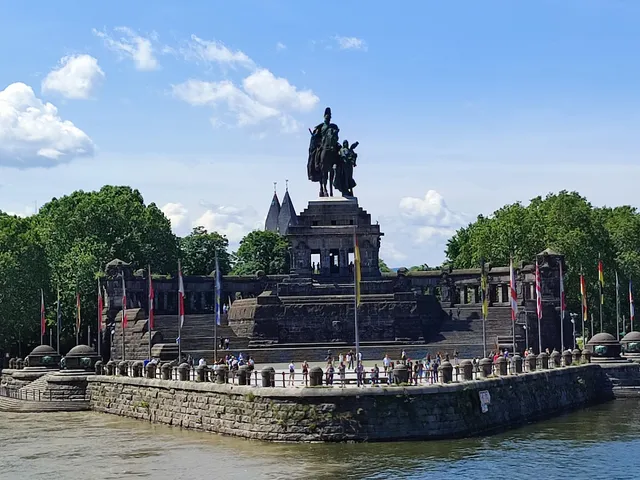
Deutsches Eck
Konrad-Adenauer-Ufer, 56068 Koblenz, Germany
4.6(13.6K)
Open until 12:00 AM
Save
spot
spot
Ratings & Description
Info
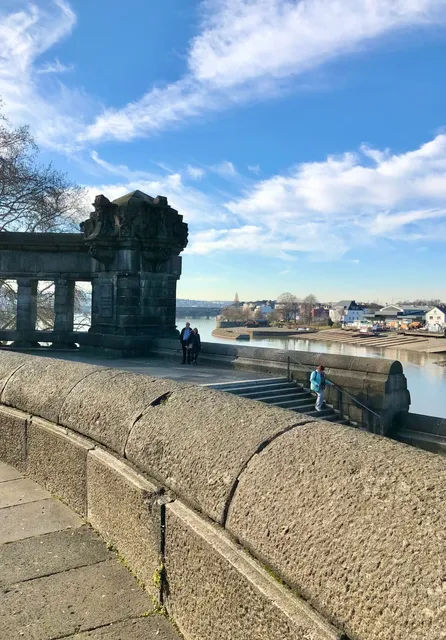
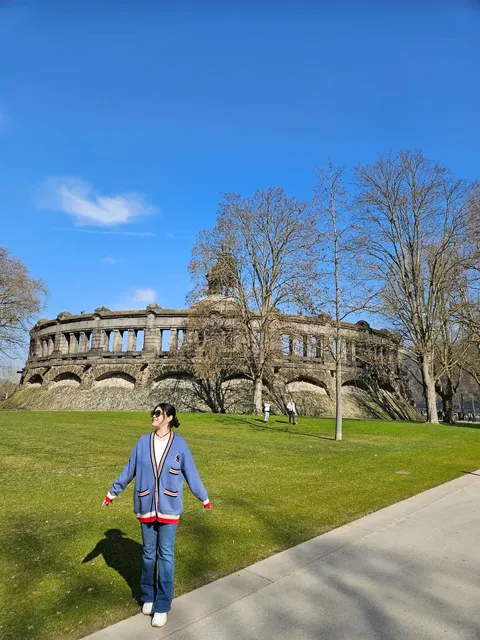
Deutsches Eck is the name of a promontory in Koblenz, Germany, where the Mosel river joins the Rhine. Named after a local commandry of the Teutonic Order, it became known for a monumental equestrian statue of William I, first German Emperor, erected in 1897 in appreciation of his role in the unification of Germany.
Cultural
Outdoor
Family friendly
attractions: Kaiser-Wilhelm Monument, Basilica of St. Castor, Blumenhof, Schängel Fountain, Garten Herlet, Florinskirche, Mother of Beethoven House, Liebfrauenkirche (Church of Our Lady), Johannes-Müller-Denkmal in Koblenz, Denkmalzone „Vier Türme“, restaurants: Gerhards Genussgesellschaft - Koblenz, Königsbacher Biergarten am Deutschen Eck GmbH, Wacht am Rhein, An Nam Asia Fusion & Sushi, Winninger Weinstuben, Ristorante Pizzeria da Pulcinella, Restaurant Adaccio, Thailändisches Restaurant Chaopraya Koblenz, La Gondola - Koblenz, Einstein Koblenz, local businesses: Ludwig Museum im Deutschherrenhaus. Coblence, Peter-Altmeier-Denkmal, History Column, Musée du Land de Coblence, fortaleza de Cobleza, Téléphérique de Coblence, Stadtarchiv Koblenz
 Learn more insights from Wanderboat AI.
Phone
+49 261 1291610
Website
visit-koblenz.de
Open hoursSee all hours
SunOpen 24 hoursOpen
Plan your stay

Pet-friendly Hotels in Koblenz
Find a cozy hotel nearby and make it a full experience.

Affordable Hotels in Koblenz
Find a cozy hotel nearby and make it a full experience.

The Coolest Hotels You Haven't Heard Of (Yet)
Find a cozy hotel nearby and make it a full experience.

Trending Stays Worth the Hype in Koblenz
Find a cozy hotel nearby and make it a full experience.
Reviews
Nearby attractions of Deutsches Eck
Kaiser-Wilhelm Monument
Basilica of St. Castor
Blumenhof
Schängel Fountain
Garten Herlet
Florinskirche
Mother of Beethoven House
Liebfrauenkirche (Church of Our Lady)
Johannes-Müller-Denkmal in Koblenz
Denkmalzone „Vier Türme“
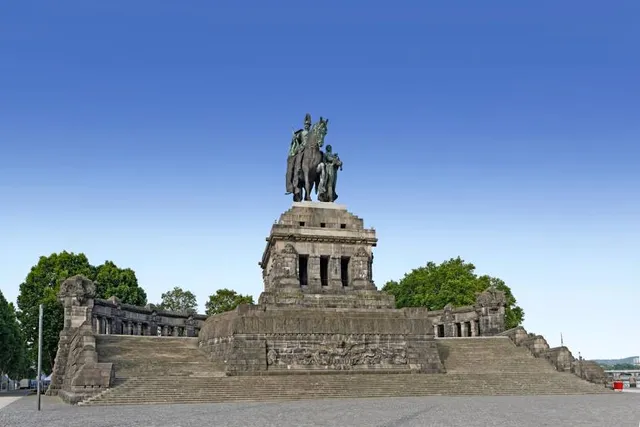
Kaiser-Wilhelm Monument
4.7
(530)
Open until 12:00 AM
Click for details
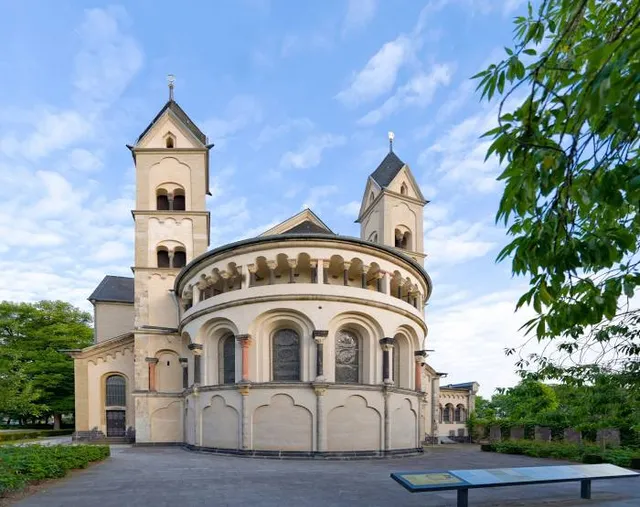
Basilica of St. Castor
4.6
(386)
Closed
Click for details
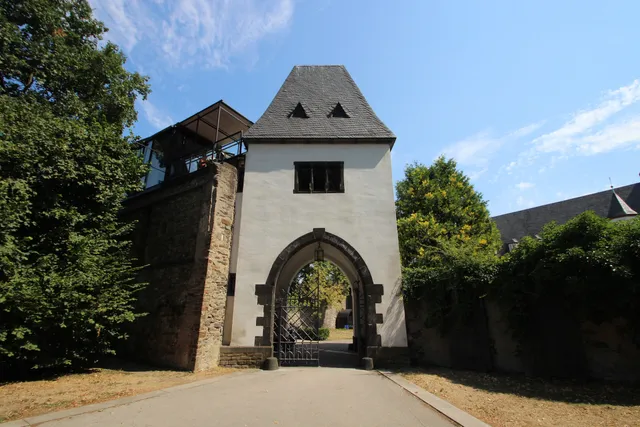
Blumenhof
4.6
(68)
Open until 12:00 AM
Click for details
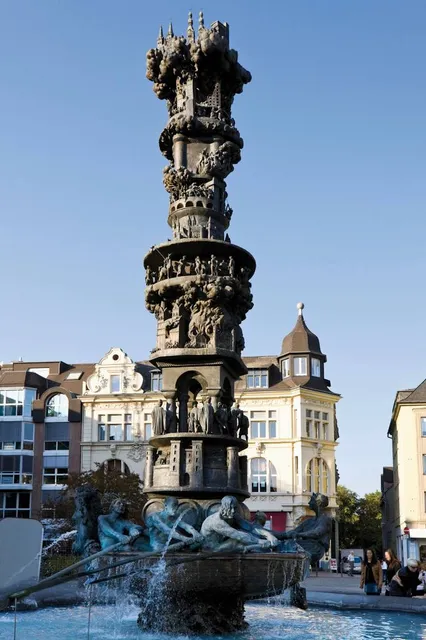
Schängel Fountain
4.5
(737)
Open until 12:00 AM
Click for details
Nearby restaurants of Deutsches Eck
Gerhards Genussgesellschaft - Koblenz
Königsbacher Biergarten am Deutschen Eck GmbH
Wacht am Rhein
An Nam Asia Fusion & Sushi
Winninger Weinstuben
Ristorante Pizzeria da Pulcinella
Restaurant Adaccio
Thailändisches Restaurant Chaopraya Koblenz
La Gondola - Koblenz
Einstein Koblenz
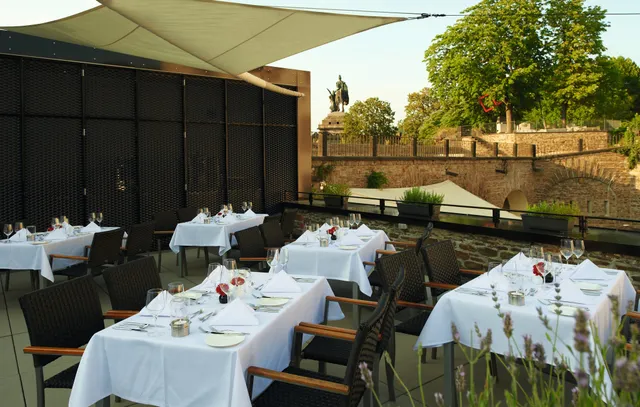
Gerhards Genussgesellschaft - Koblenz
4.7
(377)
$$$
Open until 11:00 PM
Click for details
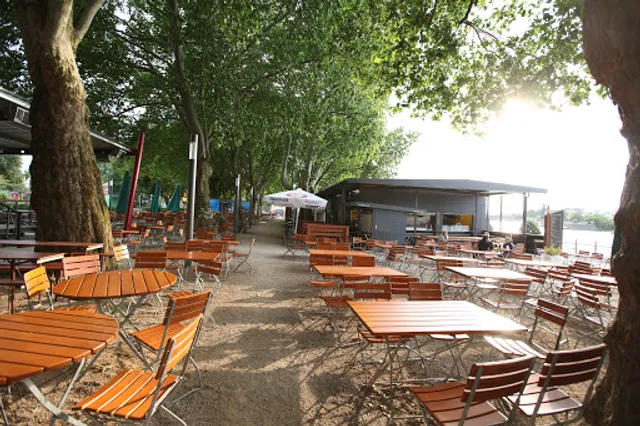
Königsbacher Biergarten am Deutschen Eck GmbH
4.0
(471)
Click for details
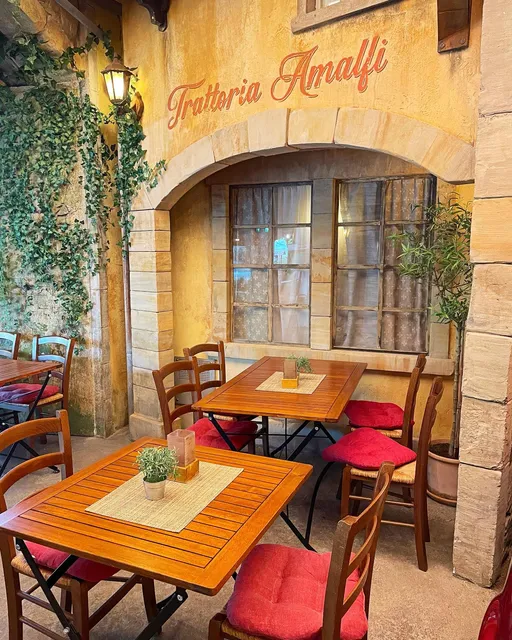
Wacht am Rhein
4.4
(1.7K)
Closed
Click for details
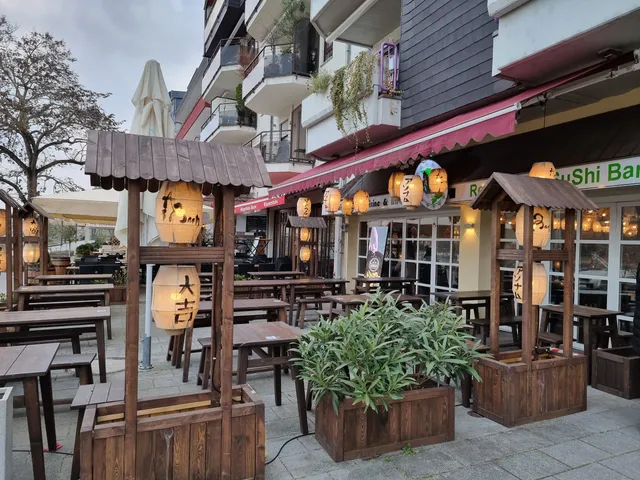
An Nam Asia Fusion & Sushi
4.5
(605)
Open until 10:30 PM
Click for details
Nearby local services of Deutsches Eck
Ludwig Museum im Deutschherrenhaus. Coblence
Peter-Altmeier-Denkmal
History Column
Musée du Land de Coblence
fortaleza de Cobleza
Téléphérique de Coblence
Stadtarchiv Koblenz
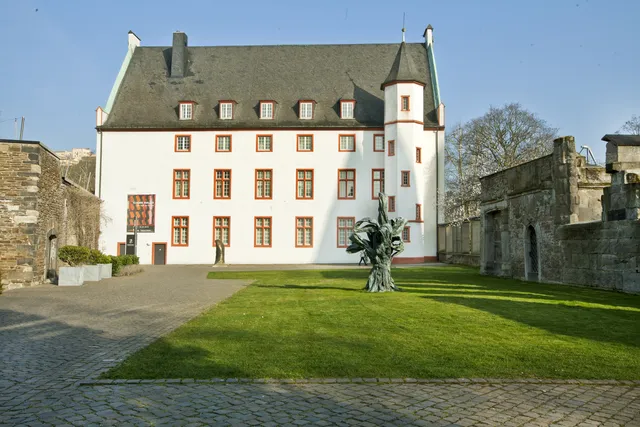
Ludwig Museum im Deutschherrenhaus. Coblence
4.4
(128)
Click for details
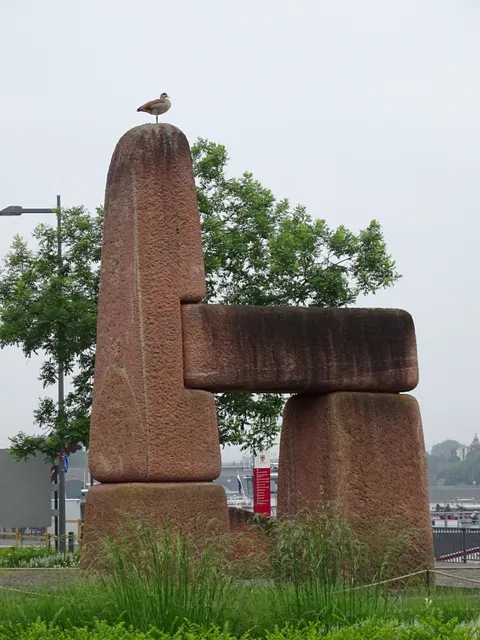
Peter-Altmeier-Denkmal
4.0
(69)
Click for details
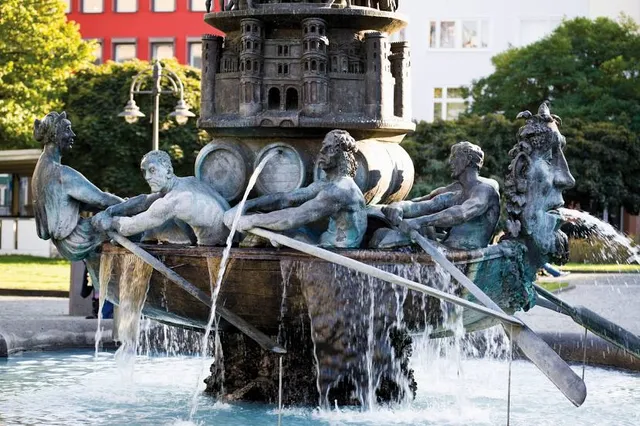
History Column
4.5
(874)
Click for details
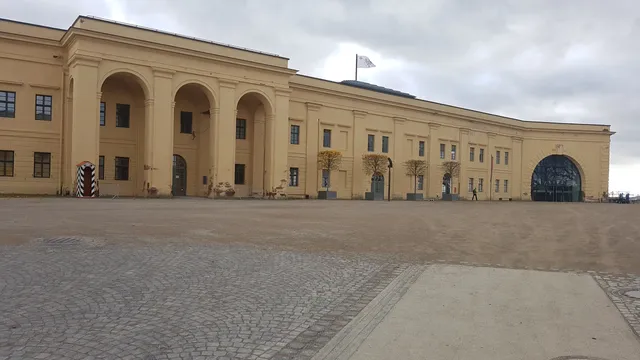
Musée du Land de Coblence
4.5
(93)
Click for details