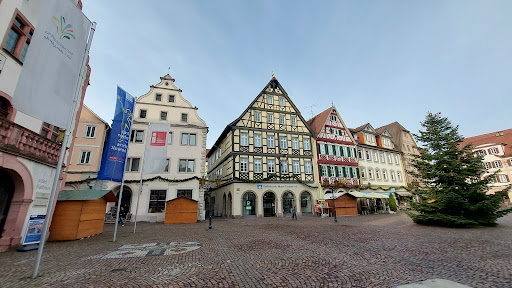
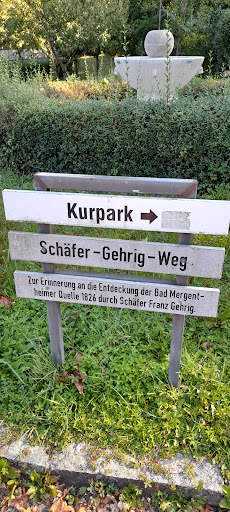
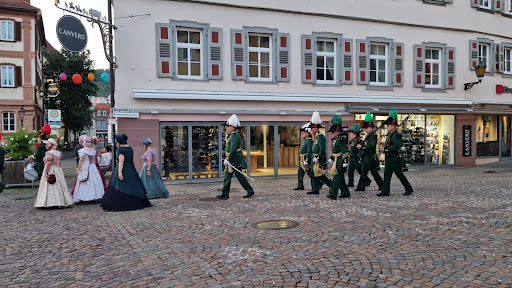
Bad Mergentheim Altstadt things to do, attractions, restaurants, events info and trip planning
Basic Info
Bad Mergentheim Altstadt
Burgstraße, 97980 Bad Mergentheim, Germany
4.6(408)
Open until 12:00 AM
Save
spot
spot
Ratings & Description
Info
Cultural
Scenic
Family friendly
attractions: Deutschordensmuseum, Marktplatz/ market square, Residenzschloss Mergentheim - Staatliche Schlösser und Gärten Baden-Württemberg, Schlosshof, Kurpark Bad Mergentheim, Recreation and leisure park Bad Mergentheim GmbH, restaurants: Trattoria- Pizzeria "Il Siciliano", Zwillingshaus - Webers Paneria!, Zunftstuben Poseidon, La Flamme Bad Mergentheim - Flammkuchen aller Art, Alte Kanzlei, NORDSEE Bad Mergentheim Kirchstraße, Gasthof Johanniter, Schlosscafe Bad Mergentheim, Eiscafé Venezia, Eis am Schloss, local businesses:
 Learn more insights from Wanderboat AI.
Open hoursSee all hours
SunOpen 24 hoursOpen
Plan your stay

Pet-friendly Hotels in Verwaltungsgemeinschaft Bad Mergentheim
Find a cozy hotel nearby and make it a full experience.

Affordable Hotels in Verwaltungsgemeinschaft Bad Mergentheim
Find a cozy hotel nearby and make it a full experience.

The Coolest Hotels You Haven't Heard Of (Yet)
Find a cozy hotel nearby and make it a full experience.

Trending Stays Worth the Hype in Verwaltungsgemeinschaft Bad Mergentheim
Find a cozy hotel nearby and make it a full experience.
Reviews
Nearby attractions of Bad Mergentheim Altstadt
Deutschordensmuseum
Marktplatz/ market square
Residenzschloss Mergentheim - Staatliche Schlösser und Gärten Baden-Württemberg
Schlosshof
Kurpark Bad Mergentheim
Recreation and leisure park Bad Mergentheim GmbH
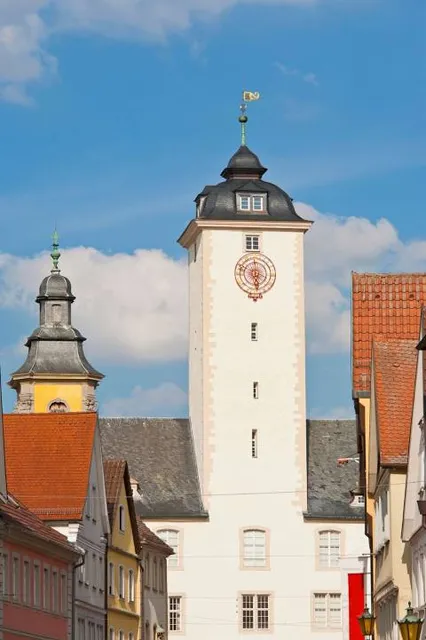
Deutschordensmuseum
4.5
(760)
Open until 5:00 PM
Click for details
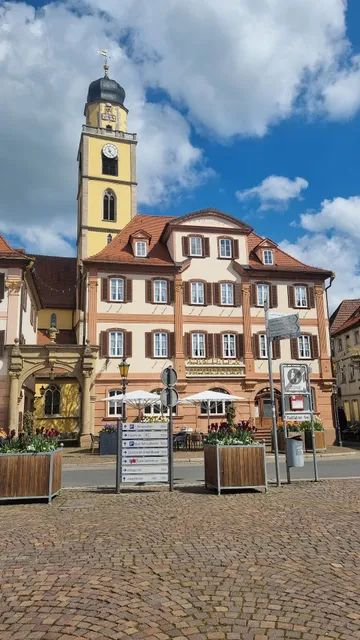
Marktplatz/ market square
4.8
(9)
Open until 12:00 AM
Click for details
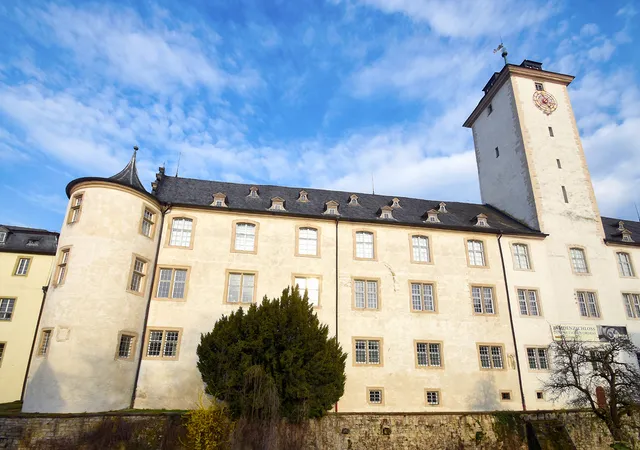
Residenzschloss Mergentheim - Staatliche Schlösser und Gärten Baden-Württemberg
4.7
(58)
Open until 5:00 PM
Click for details
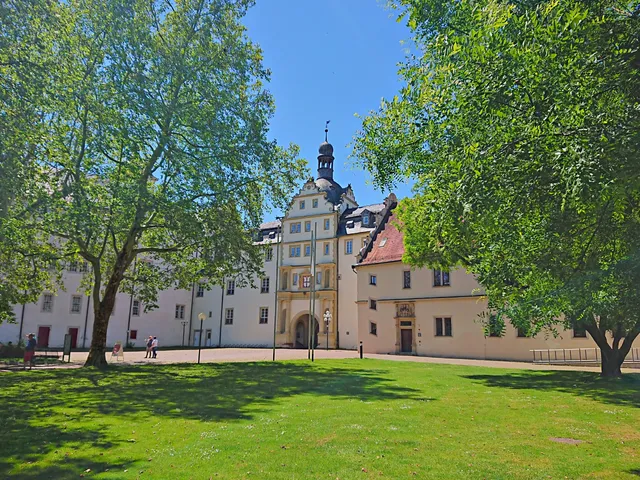
Schlosshof
4.6
(32)
Open 24 hours
Click for details
Nearby restaurants of Bad Mergentheim Altstadt
Trattoria- Pizzeria "Il Siciliano"
Zwillingshaus - Webers Paneria!
Zunftstuben Poseidon
La Flamme Bad Mergentheim - Flammkuchen aller Art
Alte Kanzlei
NORDSEE Bad Mergentheim Kirchstraße
Gasthof Johanniter
Schlosscafe Bad Mergentheim
Eiscafé Venezia
Eis am Schloss
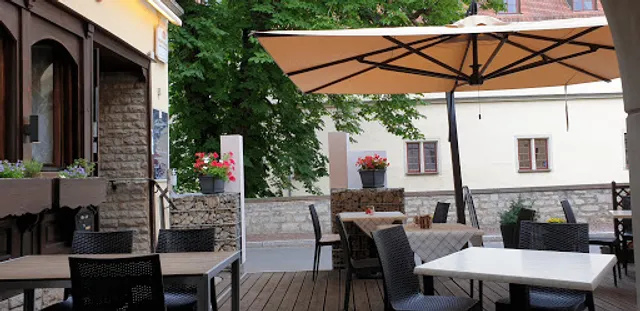
Trattoria- Pizzeria "Il Siciliano"
4.4
(481)
Open until 2:00 PM
Click for details
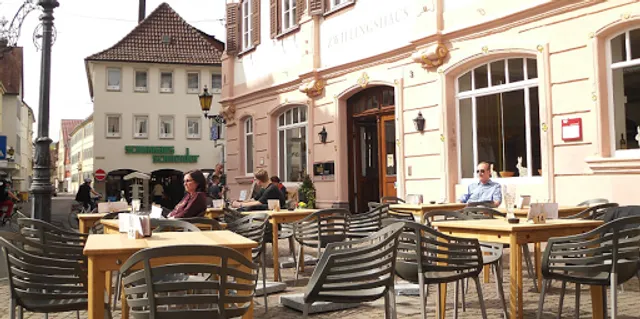
Zwillingshaus - Webers Paneria!
4.4
(171)
Open until 6:00 PM
Click for details
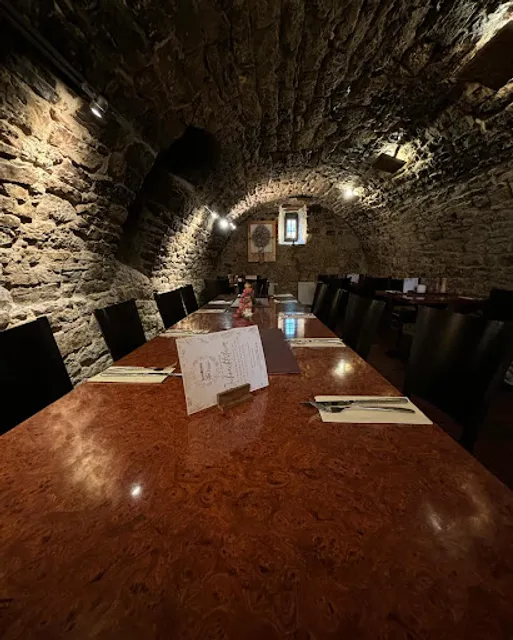
Zunftstuben Poseidon
4.4
(874)
Open until 3:00 PM
Click for details
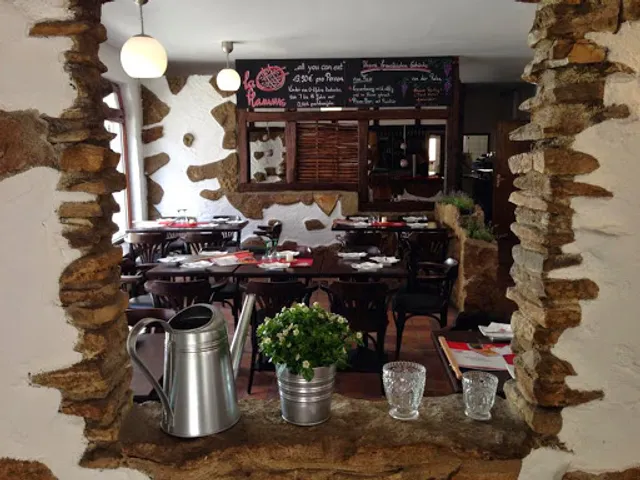
La Flamme Bad Mergentheim - Flammkuchen aller Art
4.6
(585)
Closed
Click for details