Be enchanted by the timeless beauty and captivating allure of Sounion, a place where history meets the breathtaking expanse of the Aegean Sea. My recent visit to this picturesque haven left an indelible mark on my soul, and I can't help but sing praises for the awe-inspiring experience that is Cape Sounion.
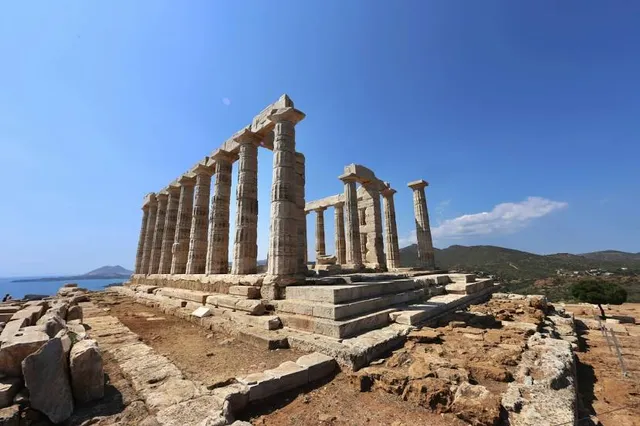
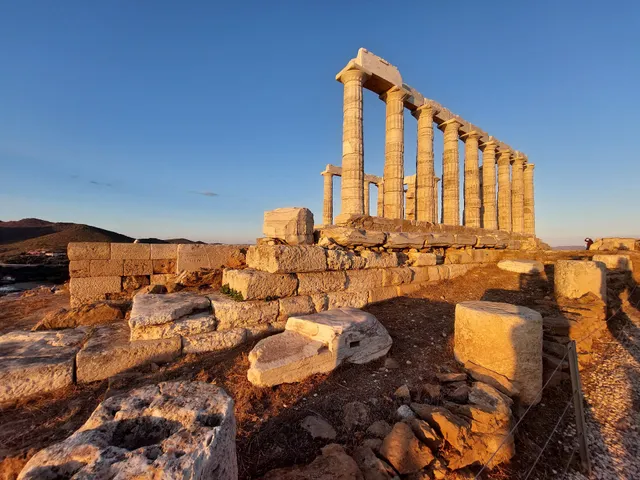
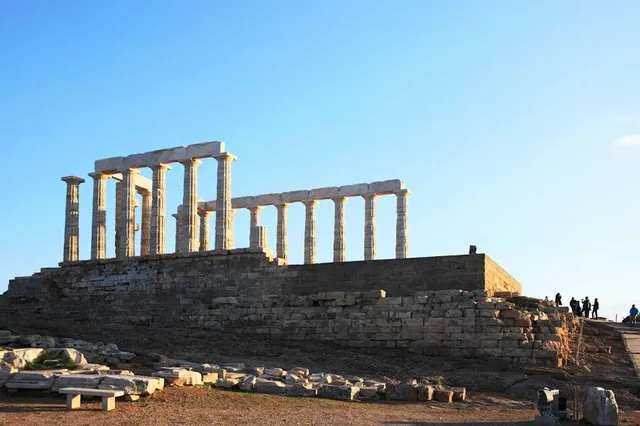
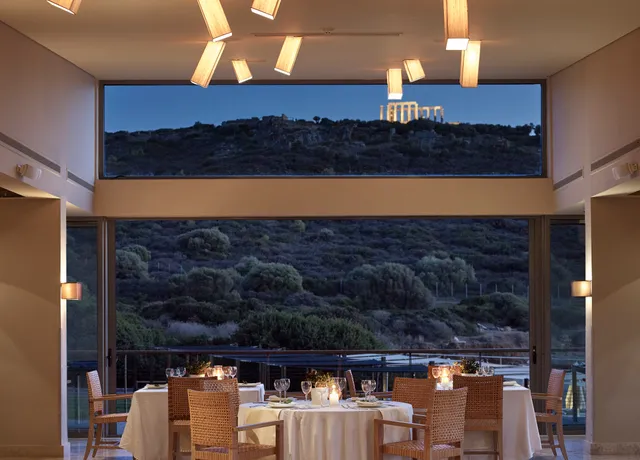
The crown jewel of this enchanting destination is undoubtedly the Temple of Poseidon, perched majestically atop the cliffs. As the sun begins its descent, casting a warm, golden glow across the ancient stones, you can't help but be transported to a bygone era. The sheer grandeur of the temple against the backdrop of the azure sea is a spectacle that words struggle to capture.
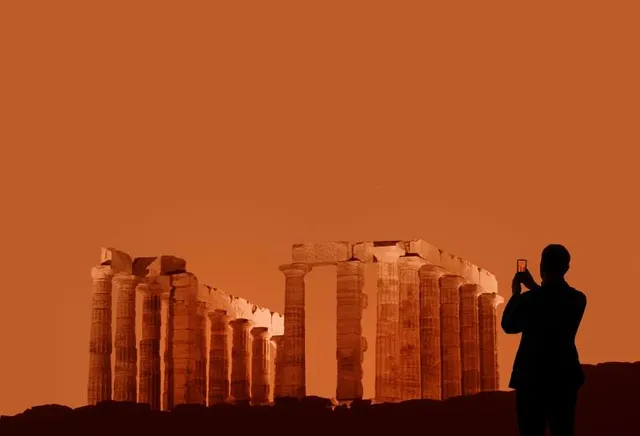
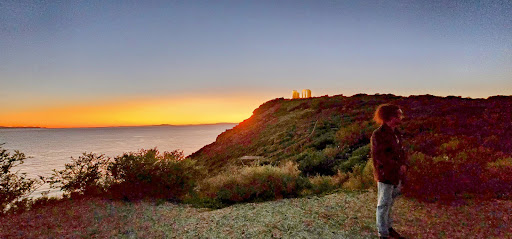
Sunset at Sounion is nothing short of a divine masterpiece. As the sun dips below the horizon, the sky transforms into a canvas of hues that range from fiery oranges to soft purples. It's a moment that transcends time, a communion of nature and history that leaves you breathless.
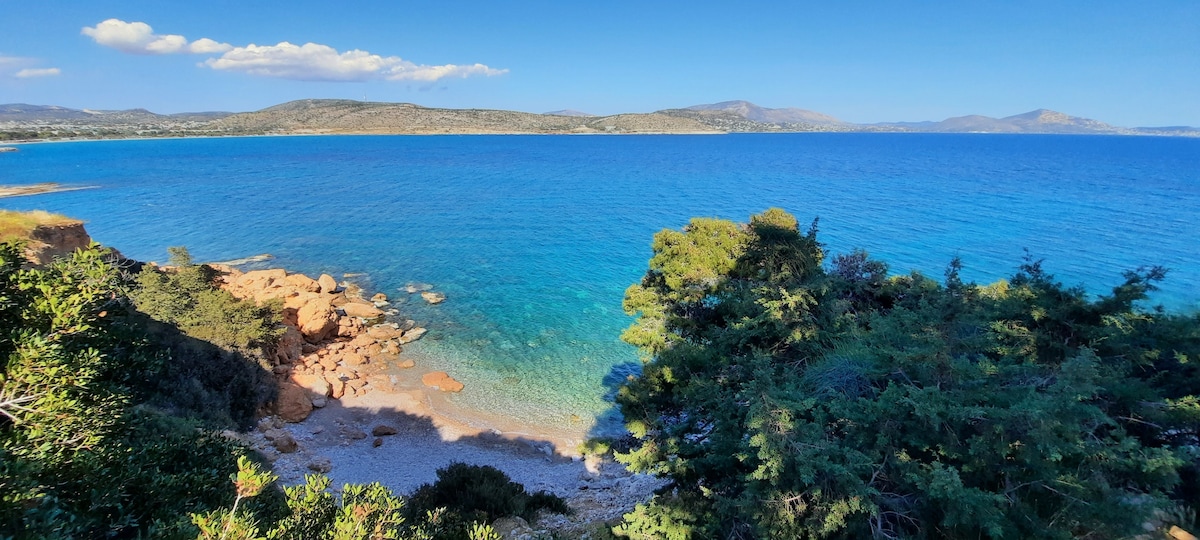
The atmosphere at Sounion is a harmonious blend of serenity and historical resonance. The sea breeze carries whispers of tales from ancient Greece, and you can almost feel the energy of centuries past. The well-preserved ruins and the sea view create a sense of connection to the rich tapestry of human history that unfolded on these very grounds.
For the romantics, Sounion is an unparalleled haven. Whether you're strolling along the ancient pathways, hand in hand with a loved one, or perched on the cliffs, gazing at the endless sea, there's an undeniable romanticism that permeates every corner of this historic site.
Sounion is not just a tourist destination; it's a cherished cultural gem that invites you to immerse yourself in the splendor of Greece's past.
Sounion is not just a journey to a historic site; it's a pilgrimage to the soul of ancient Greece. The Temple of Poseidon, the mesmerizing sunsets, and the palpable sense of history make Sounion a must-visit destination for anyone seeking a profound connection with the roots of Western civilization. Prepare to be enchanted, for Sounion is a treasure trove of wonders waiting to...
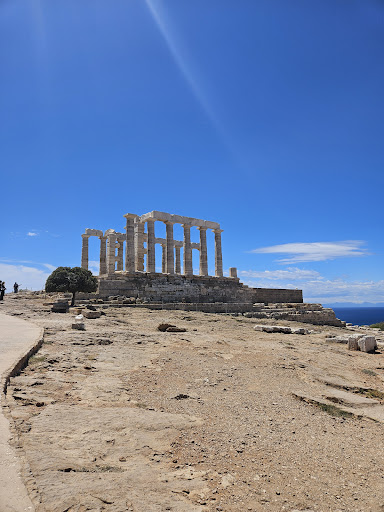
Read moreAlthough the columns at the Temple of Poseidon appear to be gleaming white from a distance in the full sun, when you get closer you can see that they are made of gray-veined marble, quarried from the Agrileza valley 2 km (1 mile) north of the cape, and have 16 flutings rather than the usual 20. Climb the rocky path and beyond the scanty remains of an ancient propylon (gateway), you enter the temple compound. On your left is the temenos (precinct) of Poseidon; on your right, a stoa (arcade) and rooms. The temple itself (now roped off) was commissioned by Pericles, the leader of Greece's golden age. It was probably designed by Ictinus, the same architect who helped design the Temple of Hephaistos in the ancient Agora of Athens, and was built between 444 and 440 BC. The people here were considered Athenian citizens, the sanctuary was Athenian, and Poseidon occupied a position second only to Athena herself. The badly preserved frieze on the temple's east side is thought to have depicted the fight between the two gods to become patron of Athens.
The temple was built on the site of an earlier cult to Poseidon. Two colossal statues of youths, carved more than a century before the temple's construction (perhaps votives to the god), were discovered in early excavations. Both now reside at the National Archaeological Museum in Athens. The 15 Doric columns that remain stand sentinel over the Aegean, visible from miles away. Lord Byron had a penchant for carving his name on ancient monuments, and you can see it and other graffiti on the right corner pillar of the portico. The view from the summit is breathtaking. In the slanting light of the late-afternoon sun, the landmasses to the west stand out in sharp profile: the bulk of Aegina backed by the mountains of the Peloponnese. To the east, on a clear day, one can spot the Cycladic islands of Kea, Kythnos, and Serifos. On the land side, the slopes of the acropolis retain traces of the...
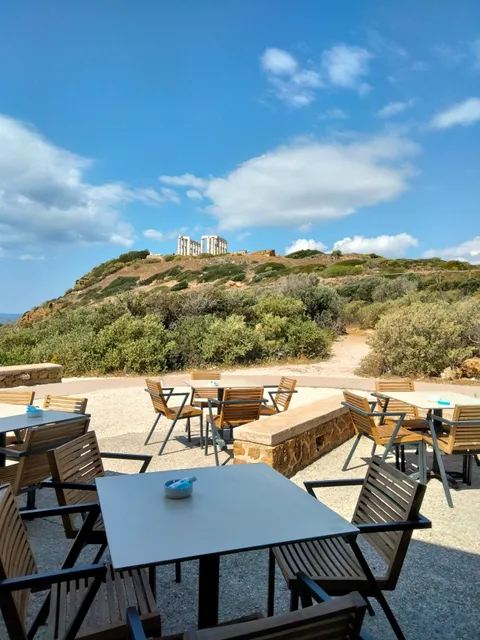
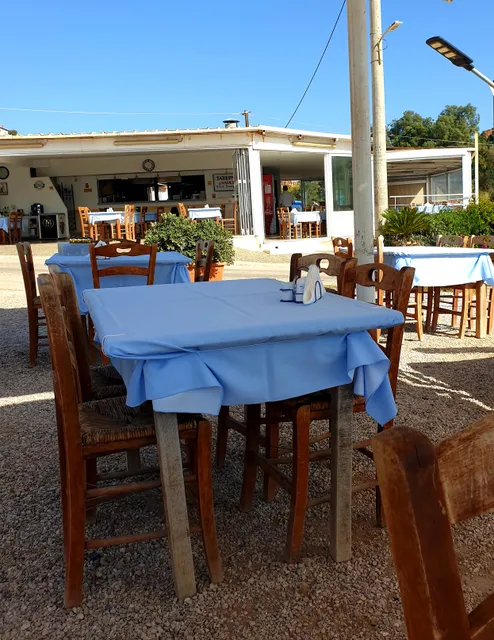
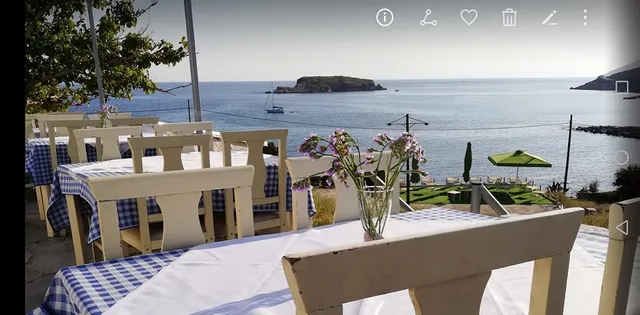
Read moreVisited in March 2024 We drove down from Athens one evening to see the Temple of Poseidon and it was a highlight of our trip in Greece. The drive down is gorgeous with azure waters along the road as you drive this beautiful road. The first hill we popped over when we got close gave us our first reveal and it was majestic and awe inspiring. When we got to the site we have good parking because we go there a little earlier than sunset which is when a lot of tour busses pull up to get the setting sun on this southern tip which is a must see for tourists so it was busy around that time. Arriving a little earlier gave us an opportunity to take some great pictures and enjoy the space. There was a tourist trap restaurant there at the site and we did not expect much. WOW were we wrong, it was fantastic. We slovaki, gyro and a salad. It was quick, delicious and the staff was very friendly. BRAVO!
The Temple of Poseidon is an ancient Greek temple on Cape Sounion, Greece, dedicated to the god Poseidon. There is evidence of the establishment of sanctuaries on the cape from as early as the 11th century BC. Sounion's most prominent temples, the Temple of Athena and the Temple of Poseidon, are however not believed to have been built until about 700 BC, and their kouroi (freestanding Greek statues of young men) date from about one hundred years later. The material and size of the offerings at the Temple of Poseidon indicate that it was likely frequented by members of the elite and the aristocratic class. The Greeks considered Poseidon to be the "master of the sea". Given the importance to Athens of trade by sea and the significance of its navy in its creation and survival during the fifth century, Poseidon was of a particular relevance and value to...
Read more