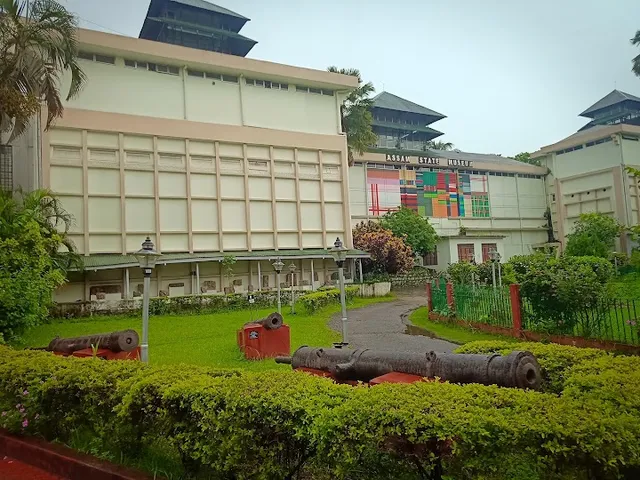
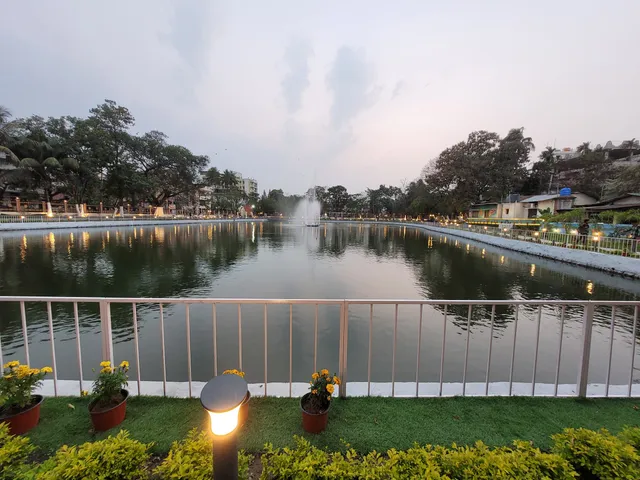
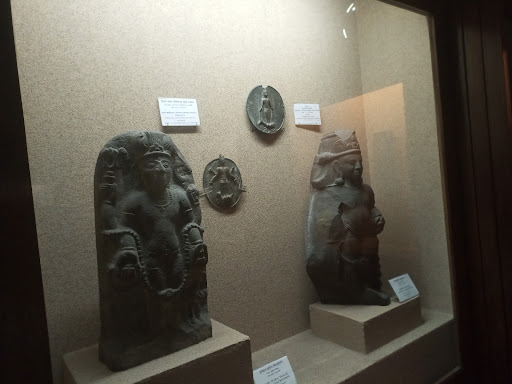
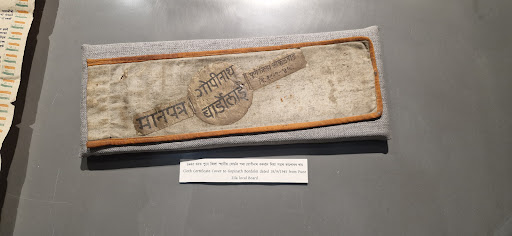
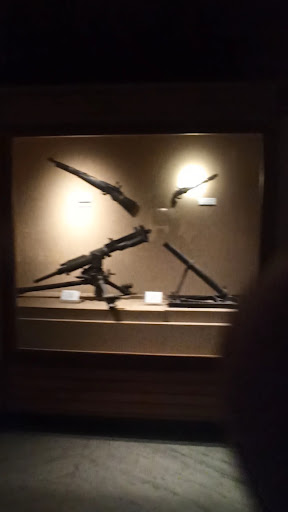
The Assam State Museum is located in the southern end of Dighali Pukhuri tank which is in the heart of Guwahati city, Assam. The Museum was established by the Kamarupa Anusandhan Samiti (Assam Research Society) in 1940.[1] Late Kanklal Baruah was founder president. In the year 1953, it was taken over by the State Govt.Assam State MuseumEstablished1940LocationG.N.B.Road, Guwahati, IndiaCoordinates26.1853352°N 91.7519043°E(Collections)The exhibits of the Museum are displayed under different sections, viz., Epigraphy, Sculptures-The sculptures from the Assam region fall into four principal categories - stone, wood, metal and terracotta, Miscellaneous, Natural History, Crafts, Anthropology & Folk Art & Arms section. The collections which are on display here, are very rare.The library in Assam State Museum was established in 1985, is rich in its stenographic collections. There are various periodicals, journals and books relating to art, culture, mythology, biography, encyclopedic works and even the Asiatic Society journals of the country.(Visiting Hours)The museum remains open 06 days from 10:00am – 5:00pm during summers and from 10:00am – 4:30pm during winters except on Mondays; 2nd and 4th Saturday and Government Holidays.Assam State Museum OverviewAssam State Museum, also known as Assam Rajyik State Museum, is located in the heart of Guwahati city in Dighali Pukhuri tank. It is one of the most famous museums of the North- East India that gives insights into the rich culture of ancient history and as well as the modern history of North-East India. Its prominent location in the center of the city attracts a large number of history buffs and tourists visiting Guwahati. The museum was established during the colonization of British in India in the year 1940. It was set up by the Kamarupa Anusandhan Samiti, Assam research society to showcase the history, sculptures, and handicrafts of North East India. The museum was developed under the presidency of Kanklal Baruah, and it was taken by the state soon after his death in the year 1953. The Museum offers an extensive collection of artifacts and sculptures dating back to the 5th-12th century to the new artifacts from the World War II. This museum is a great place to visit if you want a sneak-peak of the history of the North-east India.Collection at the museumThe museum is divided into various sections each one showcasing the different sect of history. Manuscript section displays the ancient manuscripts such as Assamese, Tai, Myanmarese, The interesting part, however, is the collection of these documents on the bark of old trees that are well-preserved inside the museum. Arms and ammunition section has a vast compilation of the swords, armors from the Medieval period to the Mughal period. It also houses the collection of ammunition from the World War II. The collection of arms of the Ahom dynasty of 1200's is the uniqueness of this section. The prehistoric terracotta section has put on display the sculptors from the Indus Valley civilization and the various terracotta objects extracted from the different parts of Northeast India. Numismatics and metallic sculptures section have the collection of metal relics of Vishnu, Goddess Durga, and Buddha along with the collection of coins from Mughal and Ahom dynasty. Epigraphy section has a collection of stone and copper inscriptions belonging to 5-18th century. Natural history gallery has the collection of natural biodiversity of the state including the life of one-horn rhino. The museum has also put on display the various handicrafts and handmade objects of the North-east India along with the reconstructed tribal huts. The conservation lab was opened in June 1984 to conserve the present collection of the sculptures and artifacts found in the museum and to extract more...
Read moreNestled in the heart of Assam, the Assam State Museum stands as a magnificent testament to the state's rich cultural heritage. With its extensive collection of artifacts and exhibits, this museum offers a captivating journey through Assam's history, art, and traditions. In this review, I will delve into the remarkable features that make the Assam State Museum a treasure trove of knowledge and a must-visit destination.
The museum's collection is a mesmerizing blend of archaeological artifacts, ancient sculptures, traditional costumes, and intricate handicrafts. As you wander through the halls, each section unveils a different aspect of Assam's diverse heritage, allowing visitors to gain a deep appreciation for the region's cultural tapestry. The exhibits are thoughtfully curated and accompanied by informative displays, providing valuable insights into the significance and symbolism behind each artifact.
One of the standout features of the Assam State Museum is its display of Assamese textiles and traditional attire. The intricate weaves and vibrant colors of the textiles showcase the skilled craftsmanship of Assamese weavers, while the traditional costumes offer a glimpse into the region's cultural attire across different communities. The museum's textile gallery is a visual feast that celebrates the artistry and cultural identity of Assam.
The museum's dedication to preserving Assam's heritage extends beyond its exhibits. The architecture of the building itself is reminiscent of Assamese style, blending harmoniously with the surrounding landscape. The spacious galleries and well-organized layout ensure a comfortable and immersive experience for visitors, allowing them to explore the museum at their own pace.
The museum also hosts temporary exhibitions, workshops, and cultural events, further enriching the visitor experience. These events provide opportunities to engage with local artists, craftsmen, and scholars, fostering a deeper understanding and appreciation for Assam's cultural traditions.
The Assam State Museum is a testament to the dedication and passion for preserving Assam's cultural legacy. From its comprehensive collection to its engaging exhibits and events, it offers a captivating journey into the state's vibrant past. Whether you are an art enthusiast, a history buff, or simply curious about Assam's rich heritage, a visit to the Assam State Museum promises an enlightening and...
Read moreঅসমৰ বিষয়ে ঐতিহাসিক জ্ঞান আহৰণ কৰাৰ বাবে যথোপযুক্ত মাধ্যম। Assam State Museum: A Treasure Trove of Heritage and Knowledge
The Assam State Museum is one of the oldest and most prestigious museums in India, established in 1940 by the Kamarupa Anusandhan Samiti, a voluntary organization dedicated to the research and preservation of the history and culture of the eastern region of India. The museum was later taken over by the Assam State Government in 1953, and has since been managed by the Directorate of Museums.
The museum is located at the southern end of Dighalipukhuri, a historic lake in the heart of Guwahati, and covers an area of about 13,500 square meters. The museum has a magnificent building, designed by the renowned architect R. G. B. Prasad, which blends traditional Assamese and modern architectural styles. The museum has six galleries, namely Epigraphy, Sculptures, Miscellaneous, Natural History, Art and Crafts, and Anthropology and Folk Art. The museum also has a library, an auditorium, a cafeteria, and a souvenir shop.
The museum boasts of a rich and diverse collection of exhibits, ranging from ancient stone and metal sculptures, terracotta and wood carvings, coins and inscriptions, manuscripts and paintings, weapons and armors, textiles and costumes, musical instruments and masks, to flora and fauna specimens, fossils and minerals, tribal and ethnic artifacts, and models and dioramas. The museum showcases the glorious past and the vibrant present of Assam and its neighboring states, and reflects the cultural, religious, linguistic, and ethnic diversity of the region. The museum also organizes various educational and cultural programs, such as workshops, seminars, lectures, film shows, and exhibitions, to promote awareness and appreciation of the heritage and knowledge of the region.
The Assam State Museum is a must-visit destination for anyone who wants to learn more about the history, culture, and nature of Assam and the North East India. The museum is a treasure trove of heritage and knowledge, and a source of inspiration and enlightenment for the visitors. The museum is open from 10:00 am to 5:00 pm during summers, and from 10:00 am to 4:30 pm during winters, except on Mondays, 2nd and 4th Saturdays, and...
Read more