Guwahati Zoo: A Sanctuary of Wildlife and Natural Beauty
 Kajal Singh 02 Dec, 2024 11 mins read 661

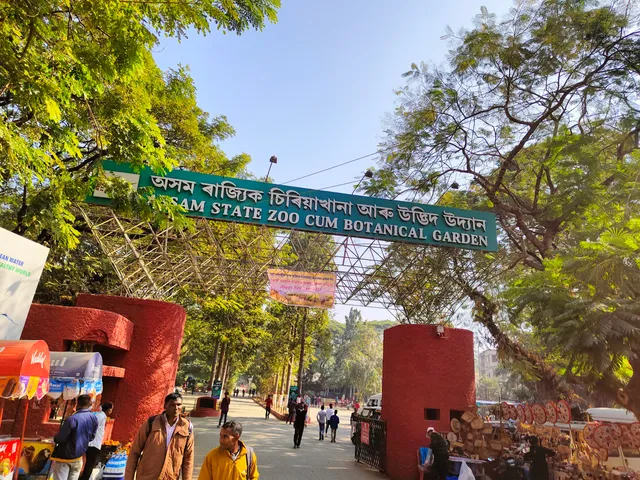
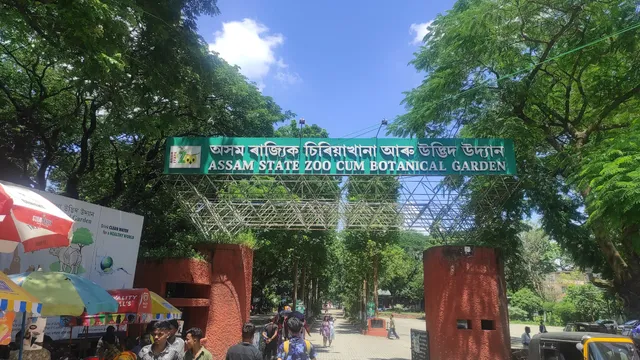
Guwahati Zoo (officially known as Assam State Zoo Cum Botanical Garden), is a popular destination for nature lovers, wildlife enthusiasts, and families. Located in the foothills of the Himalayas, this expansive zoo is home to a wide variety of animals, birds, and plant species. Whether you're a local or a tourist visiting Assam, Guwahati Zoo offers an enriching experience, showcasing the region’s rich biodiversity and wildlife conservation efforts.
In this article, we will explore the key features, significance, and attractions of the Guwahati Zoo, along with useful travel tips for visitors.
History and Establishment of Guwahati Zoo
The Guwahati Zoo was established in 1957 and was designed to conserve the diverse flora and fauna of Assam. It is one of the oldest and most well-maintained zoos in India. The zoo is spread across a sprawling 432-acre area and is situated in Hengrabari Reserve Forest, which is known for its lush greenery and diverse ecosystems.
Over the years, the zoo has grown into a key center for wildlife conservation and education. The Assam State Zoo Cum Botanical Garden has played an important role in preserving endangered species and educating the public about wildlife protection. Today, it houses over 1,000 animals belonging to various species, including mammals, reptiles, birds, and amphibians. The zoo also promotes environmental awareness and the importance of wildlife conservation.
Wildlife at Guwahati Zoo
One of the biggest attractions of Guwahati Zoo is its diverse collection of animals. The zoo is home to a wide variety of species, some of which are native to Assam and other parts of India. Here are some of the notable animals and groups you can expect to see during your visit:
a. Big Cats and Carnivores
The zoo is home to some majestic big cats, such as the Royal Bengal tiger, leopard, and clouded leopard. These creatures are often the highlight of a zoo visit, and the zoo’s large enclosures give them plenty of space to roam. The tiger, in particular, is a symbol of India’s wildlife, and Guwahati Zoo plays an important role in its conservation.
b. Primates
The zoo also features a variety of primates, including Hoolock gibbons (a species found in Assam), rhesus macaques, langurs, and baboons. These animals are fascinating to watch due to their intelligence and playful nature. The Hoolock gibbon, which is found only in the northeastern part of India, is an endangered species, making it one of the key animals the zoo helps protect.
c. Elephants and Deer
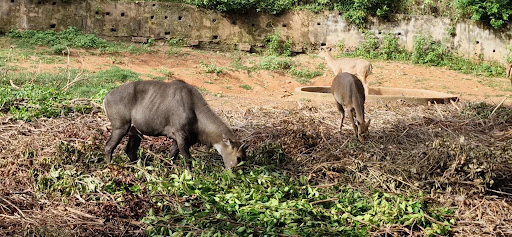
The Asiatic elephant, which is listed as endangered, is another highlight of the zoo. These gentle giants are a major attraction for visitors. The zoo also houses various species of deer, such as the Barking deer and Swamp deer, along with other herbivores like wild boars and sambar deer. These animals live in well-maintained enclosures designed to mimic their natural habitats.
d. Reptiles and Amphibians
The reptile section of Guwahati Zoo includes various species such as snakes, crocodiles, and turtles. The zoo also educates visitors about the importance of reptiles in maintaining ecological balance. You can find species like the King Cobra, Python, and Crocodile, among others.
e. Birds
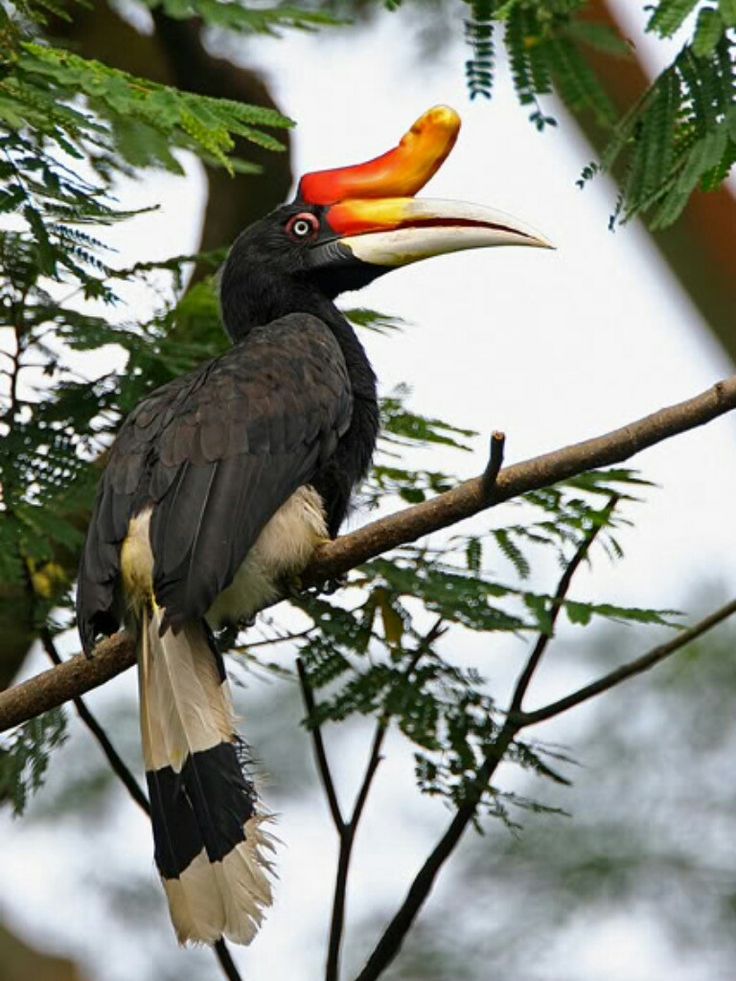
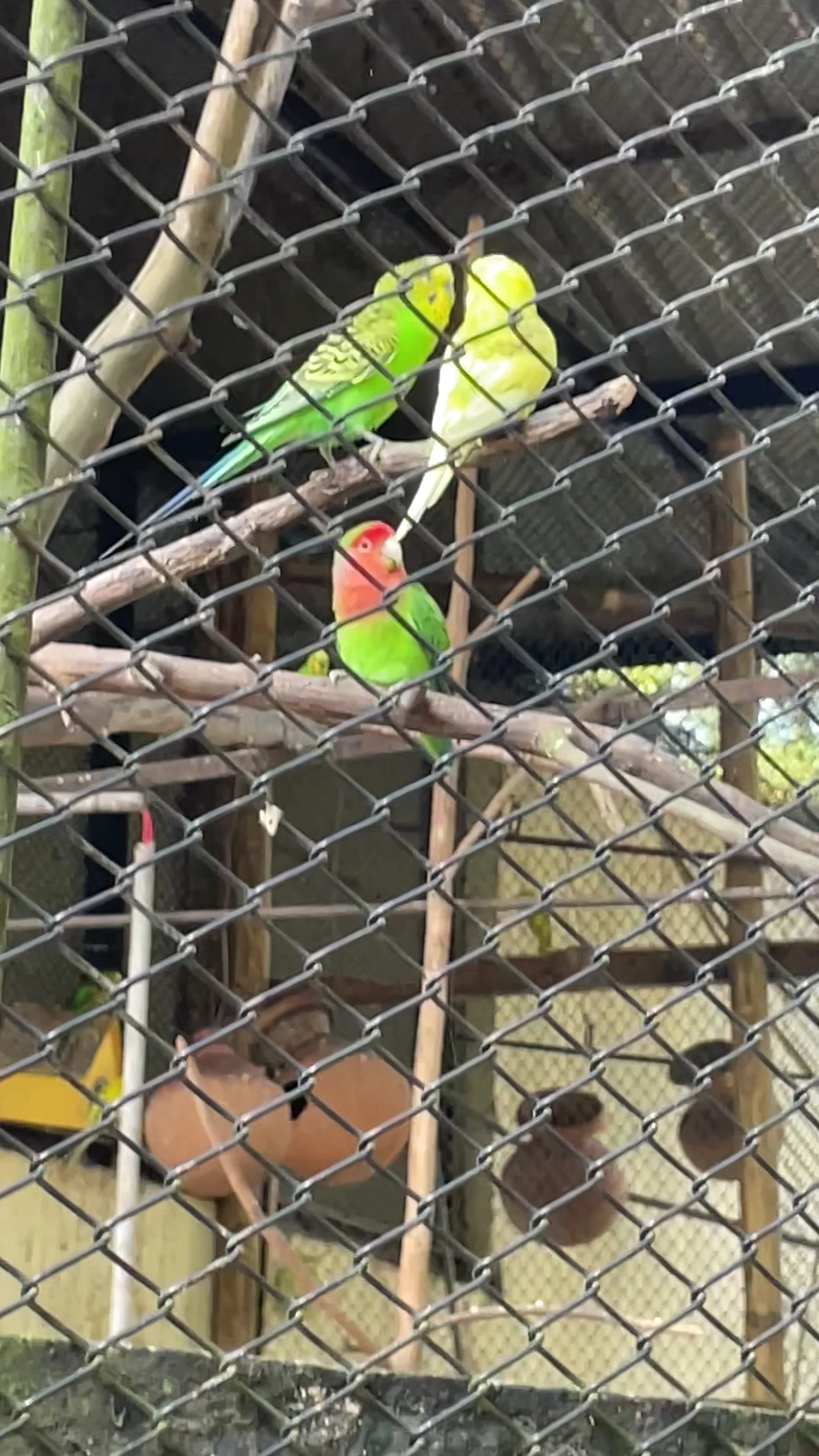
The zoo is home to a wide range of bird species, including local and migratory birds. Some of the notable birds you will find include Peafowl, Hornbills, Cranes, and Parakeets. The bird section of the zoo provides visitors with an opportunity to learn about different species of birds and their roles in nature.
Botanical Garden
In addition to the zoo, Guwahati Zoo also includes a Botanical Garden. This garden spans a significant portion of the zoo and contains a variety of plant species, including native trees, medicinal plants, and ornamental plants. Visitors can take a peaceful stroll through the garden, learning about the different plant species that contribute to the biodiversity of Assam....
Read moreAssam State Zoo cum Botanical Garden: Where Wildlife and Wildflowers Collide
Nestled amidst the bustling heart of Guwahati, Assam State Zoo cum Botanical Garden offers a delightful escape into a world of exotic animals and vibrant flora. It's not just a zoo; it's a kaleidoscope of nature, where one-horned rhinos graze alongside playful gibbons, and towering trees shelter a symphony of colorful birds. But be prepared for a lively atmosphere, especially on weekends and holidays, when throngs of eager visitors can create a bit of a hustle and bustle.
Wildlife Wonders:
The zoo boasts a diverse collection of creatures, from the majestic Asiatic lion and the endangered one-horned rhinoceros to the playful Asian golden langurs and the graceful hoolock gibbons. Each encounter is a window into the intricate dance of life in the wild, leaving you spellbound by the sheer variety and resilience of these furry and feathered inhabitants.
Botanical Bliss:
Beyond the animal enclosures, the botanical garden unfolds like a lush green canvas. Fragrant flowers paint the air with vibrant hues, while towering trees weave a canopy of shade, offering a welcome respite from the city's heat. Gentle pathways meander through this verdant wonderland, inviting you to soak in the serenity and discover hidden botanical treasures.
A Word of Caution:
While the zoo promises a captivating experience, be prepared for the potential downside of public holidays and weekends. Long queues and crowds can sometimes dampen the fun. To avoid wasting valuable time and ensure a smoother entry, I highly recommend booking your tickets online through the Assam State Zoo portal. It's a pro tip you won't regret!
A Bad Experience and a Beacon of Hope:
Speaking of online bookings, let me share a cautionary tale. My own attempt at online ticket booking resulted in a frustrating experience with an "unsuccessful booking fee not refunded." It's a reminder that glitches can occur, so approach online portals with a touch of caution.
The Silver Lining:
Despite the occasional hiccup, I still wholeheartedly recommend visiting Assam State Zoo cum Botanical Garden. The environment itself is a breath of fresh air, offering a haven of shade and tranquility amidst the city's chaos. The park, the museum, and the diverse inhabitants provide endless opportunities for exploration, relaxation, and even a touch of peace of mind. The security and helpfulness of the State police deployed there only add to the positive experience.
In Conclusion:
While a hint of organized chaos and the occasional technical hiccup might come with the territory, Assam State Zoo cum Botanical Garden remains a gem in Guwahati's crown. With its captivating wildlife, vibrant flora, and tranquil atmosphere, it's a place to reconnect with nature, marvel at the wonders of the wild, and create memories that will last a lifetime. Just remember, book your tickets online and embrace the occasional crowd – the wonders that await inside...
Read moreAssam is a beautiful and culturally rich state located in northeastern India. Known for its tea gardens, lush green landscapes, mighty Brahmaputra River, and unique cultural heritage, Assam plays a vital role in India's history, ecology, and economy.
Geography and Nature
Location: Assam is bordered by Bhutan and Arunachal Pradesh to the north, Nagaland and Manipur to the east, Meghalaya, Tripura, Mizoram, and Bangladesh to the south, and West Bengal to the west via the Siliguri Corridor.
The Brahmaputra River: One of the most iconic features of Assam, the Brahmaputra flows through the heart of the state, nurturing its fertile plains and supporting agriculture, transport, and cultural life.
Flora and Fauna: Assam is home to several national parks and wildlife sanctuaries, including:
Kaziranga National Park (famous for the one-horned rhinoceros)
Manas National Park (a UNESCO World Heritage Site)
Dibru-Saikhowa Wildlife Sanctuary
Culture and People
Diverse Ethnic Groups: Assam is a melting pot of ethnic communities, including Assamese, Bodos, tea tribes, Karbis, Mishings, and many others. This diversity is reflected in their language, food, music, and traditions.
Languages: The official language is Assamese, but many languages are spoken, including Bodo, Bengali, and Hindi.
Festivals:
Bihu is the most important festival, celebrated with dance, music, and traditional food, marking the agricultural cycle (especially Rongali Bihu in April).
Other festivals like Durga Puja, Eid, and Christmas are also celebrated with enthusiasm.
Traditional Dance and Music: The Bihu dance is famous for its energy and colorful attire. Folk music, especially with instruments like the dhol, pepa, and toka, is a vital part of Assamese culture.
Economy
Tea Industry: Assam is world-famous for its Assam Tea, grown in sprawling tea estates. It is one of the largest tea-producing regions in the world.
Oil and Natural Gas: Assam was the site of India’s first oil well at Digboi. It continues to be a key player in the oil and gas sector.
Silk and Handicrafts: Assam is renowned for its unique Muga silk (golden silk), Eri silk, and traditional handlooms like the mekhela chador (traditional attire for women).
Tourism
Tourist attractions in Assam include:
Kaziranga and Manas National Parks
Majuli Island – the largest river island in the world, known for Vaishnavite culture and monasteries
Sivasagar – a historic town with Ahom-era monuments
Kamakhya Temple – a famous Shakti Peeth in Guwahati
Tea gardens in Dibrugarh, Jorhat, and Tezpur
Conclusion
Assam is a land of unmatched natural beauty, rich traditions, and warm hospitality. With its vibrant festivals, diverse cultures, and ecological importance, it offers a unique experience to visitors and holds a special place in the cultural fabric of India. Whether it’s sipping tea on a misty morning, watching wildlife, or enjoying a Bihu celebration, Assam leaves a...
Read more