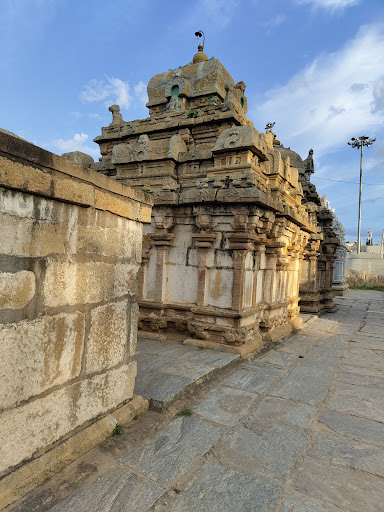
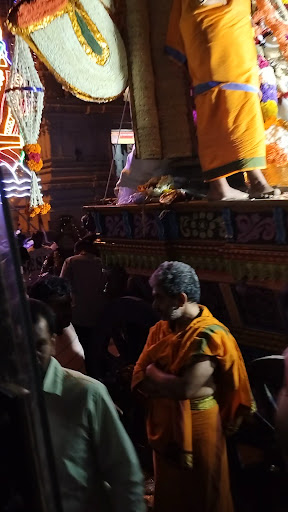
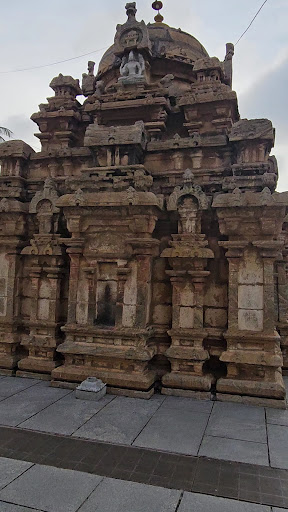
Shri Panchalinga Nageshwara Temple things to do, attractions, restaurants, events info and trip planning
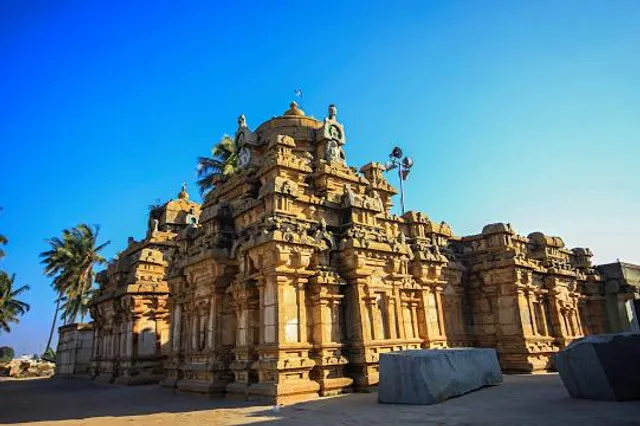
Basic Info
Shri Panchalinga Nageshwara Temple
BBMP office, Begur Rd, opposite to Begur, Begur, Bengaluru, Karnataka 560114, India
4.7(2.3K)
Closed
Save
spot
spot
Ratings & Description
Info
The Nageshvara temple complex is located in Begur, a small town within the Bangalore urban district of Karnataka state, India. Two shrines within the temple complex, the Nageshvara and Nageshvarasvami were commissioned during the rule of Western Ganga Dynasty Kings Nitimarga I and Ereyappa Nitimarga II.
Cultural
Family friendly
attractions: Begur Lake, Aqua tunnel exhibition, Begur Fort, restaurants: Rolls on Wheels - Shawarma & Wraps, Cafe Serene, Halli Mane, Karnataka Bakery, Saravanan Fish Fry, Shri Bhagya Sagar Veg, Sri Venkateshwara Bakery & Sweets, Veruthe Oru Thattukada, Thalassery Restaurant, British Burgers, local businesses: Bangalore Oxygen, Skylark JLB Residency
 Learn more insights from Wanderboat AI.
Open hoursSee all hours
Tue4 - 9 a.m., 5:30 - 8 p.m.Closed
Plan your stay

Pet-friendly Hotels in Bengaluru
Find a cozy hotel nearby and make it a full experience.

Affordable Hotels in Bengaluru
Find a cozy hotel nearby and make it a full experience.

The Coolest Hotels You Haven't Heard Of (Yet)
Find a cozy hotel nearby and make it a full experience.

Trending Stays Worth the Hype in Bengaluru
Find a cozy hotel nearby and make it a full experience.
Reviews
Live events
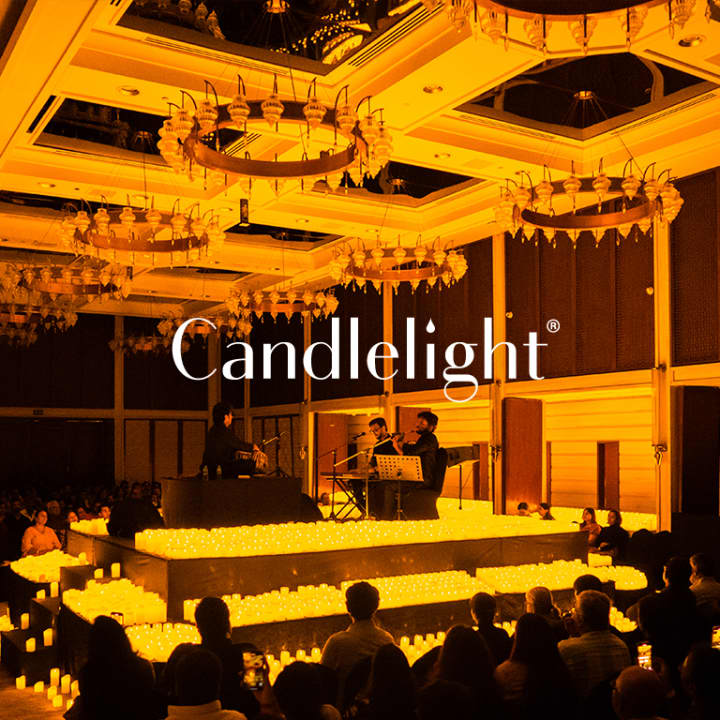
Candlelight Open Air: Tribute to A.R. Rahman
Sat, Feb 28 • 6:30 PM
Shankaraa, Kanakapura Main Road, Doddakallasandra, Bengaluru, 560062
View details
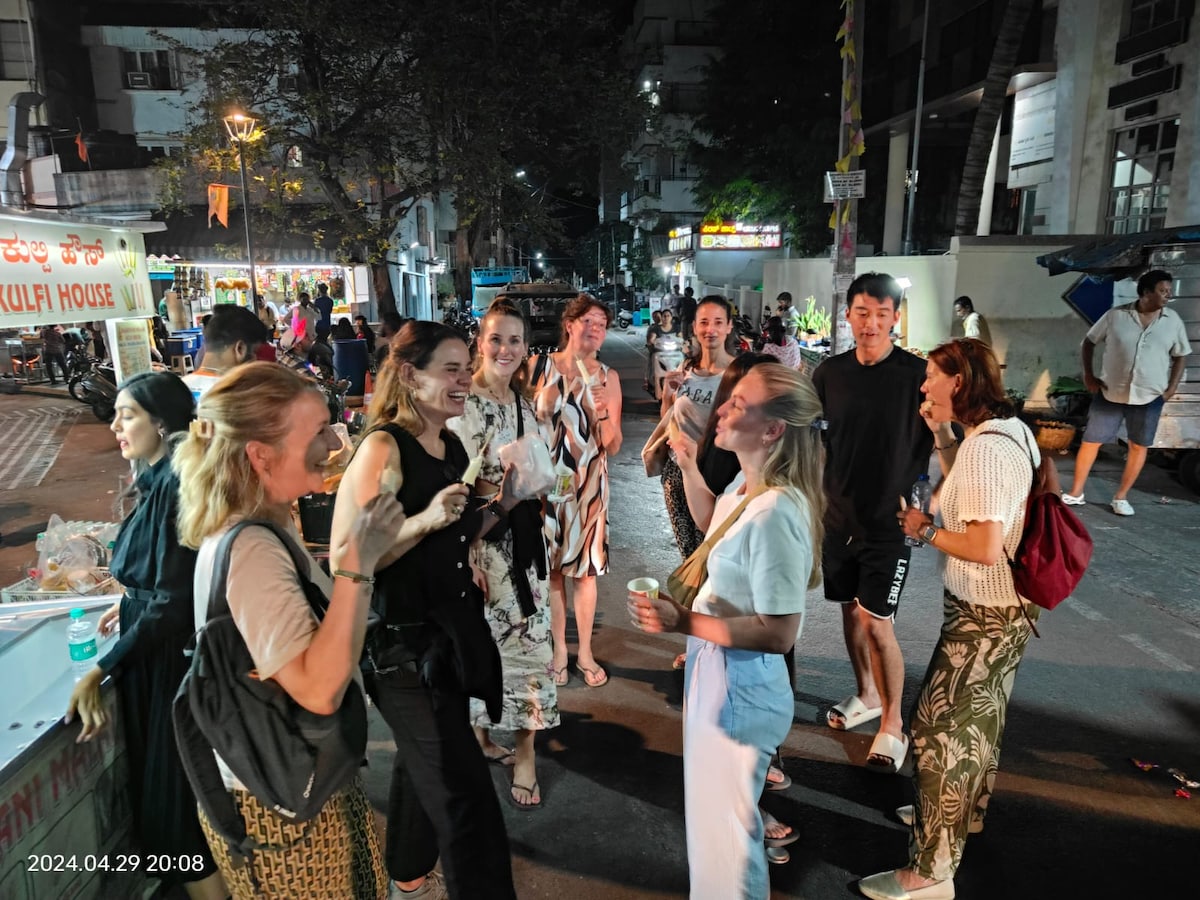
Street Food Tour near a Local Market in Bangalore
Tue, Feb 24 • 7:00 PM
Bengaluru, Karnataka, 560040, India
View details
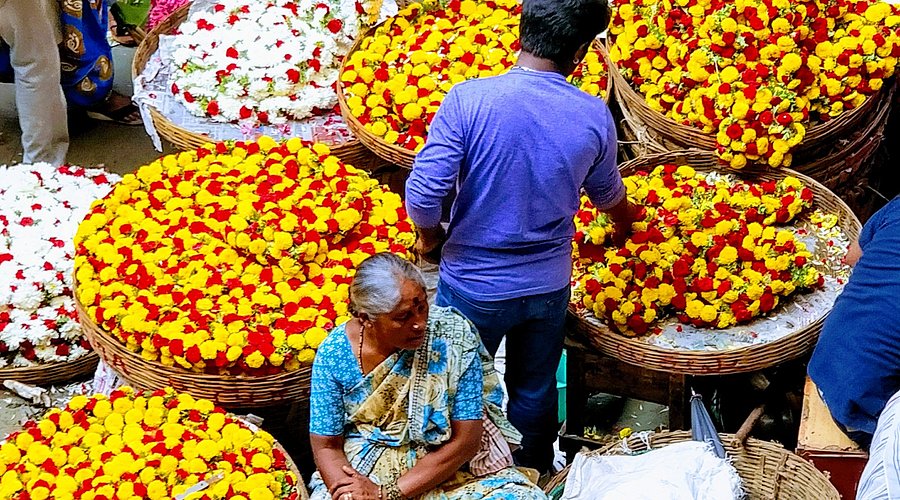
Explore Halasurus cultural sites
Tue, Feb 24 • 2:45 PM
Bengaluru, Karnataka, 560008, India
View details
Nearby attractions of Shri Panchalinga Nageshwara Temple
Begur Lake
Aqua tunnel exhibition
Begur Fort

Begur Lake
4.1
(313)
Open 24 hours
Click for details

Aqua tunnel exhibition
3.3
(15)
Open 24 hours
Click for details
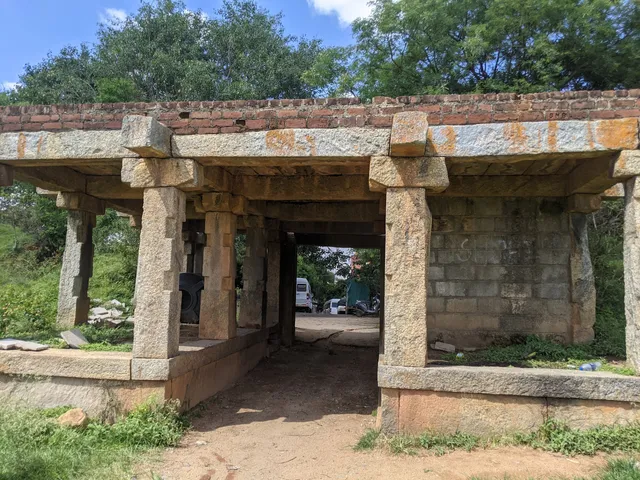
Begur Fort
3.9
(696)
Open until 12:00 AM
Click for details
Nearby restaurants of Shri Panchalinga Nageshwara Temple
Rolls on Wheels - Shawarma & Wraps
Cafe Serene
Halli Mane
Karnataka Bakery
Saravanan Fish Fry
Shri Bhagya Sagar Veg
Sri Venkateshwara Bakery & Sweets
Veruthe Oru Thattukada
Thalassery Restaurant
British Burgers

Rolls on Wheels - Shawarma & Wraps
3.0
(12)
Open until 5:00 AM
Click for details
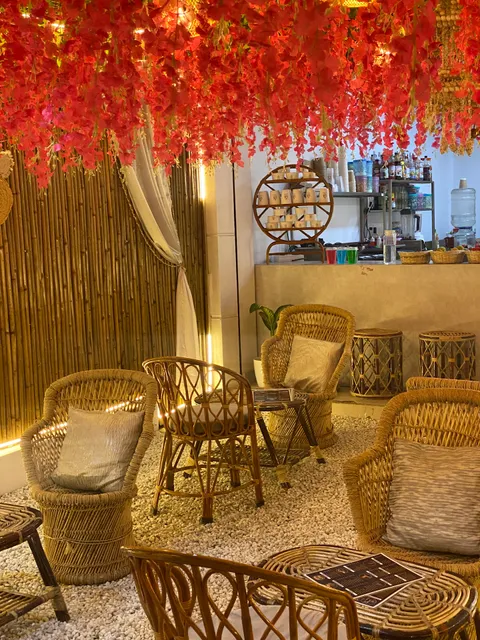
Cafe Serene
4.8
(52)
Open until 1:00 AM
Click for details
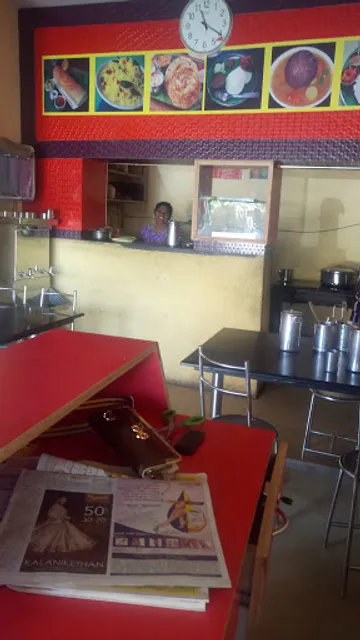
Halli Mane
4.3
(12)
Open until 10:00 PM
Click for details
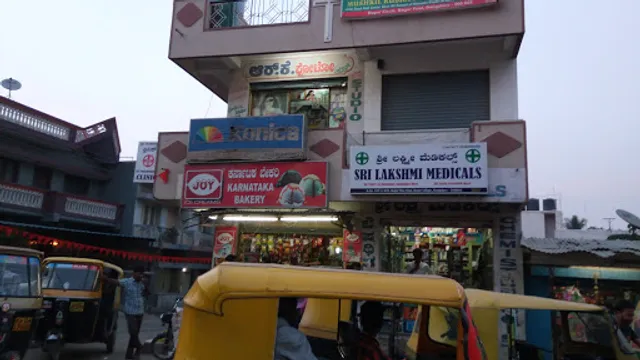
Karnataka Bakery
4.4
(1)
Closed
Click for details
Nearby local services of Shri Panchalinga Nageshwara Temple
Bangalore Oxygen
Skylark JLB Residency

Bangalore Oxygen
4.7
(15)
Click for details
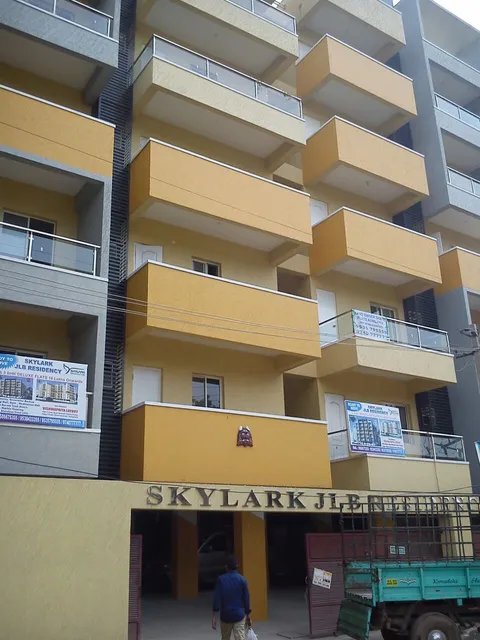
Skylark JLB Residency
4.0
(12)
Click for details