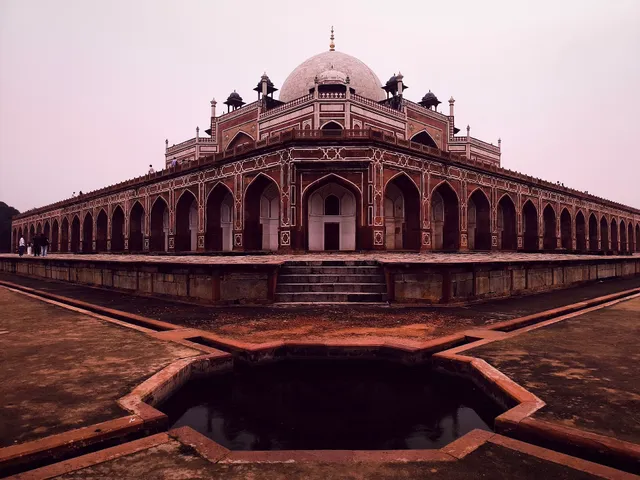
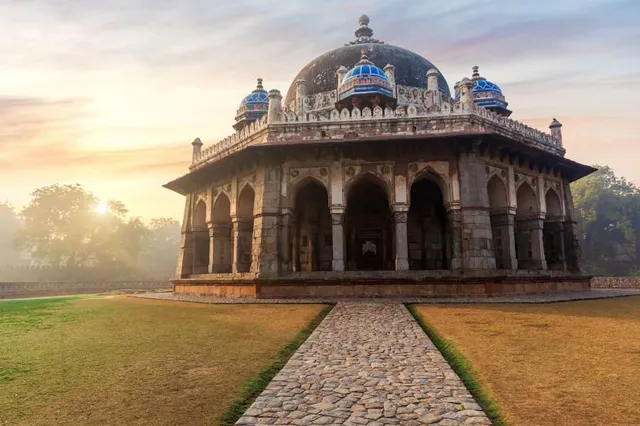
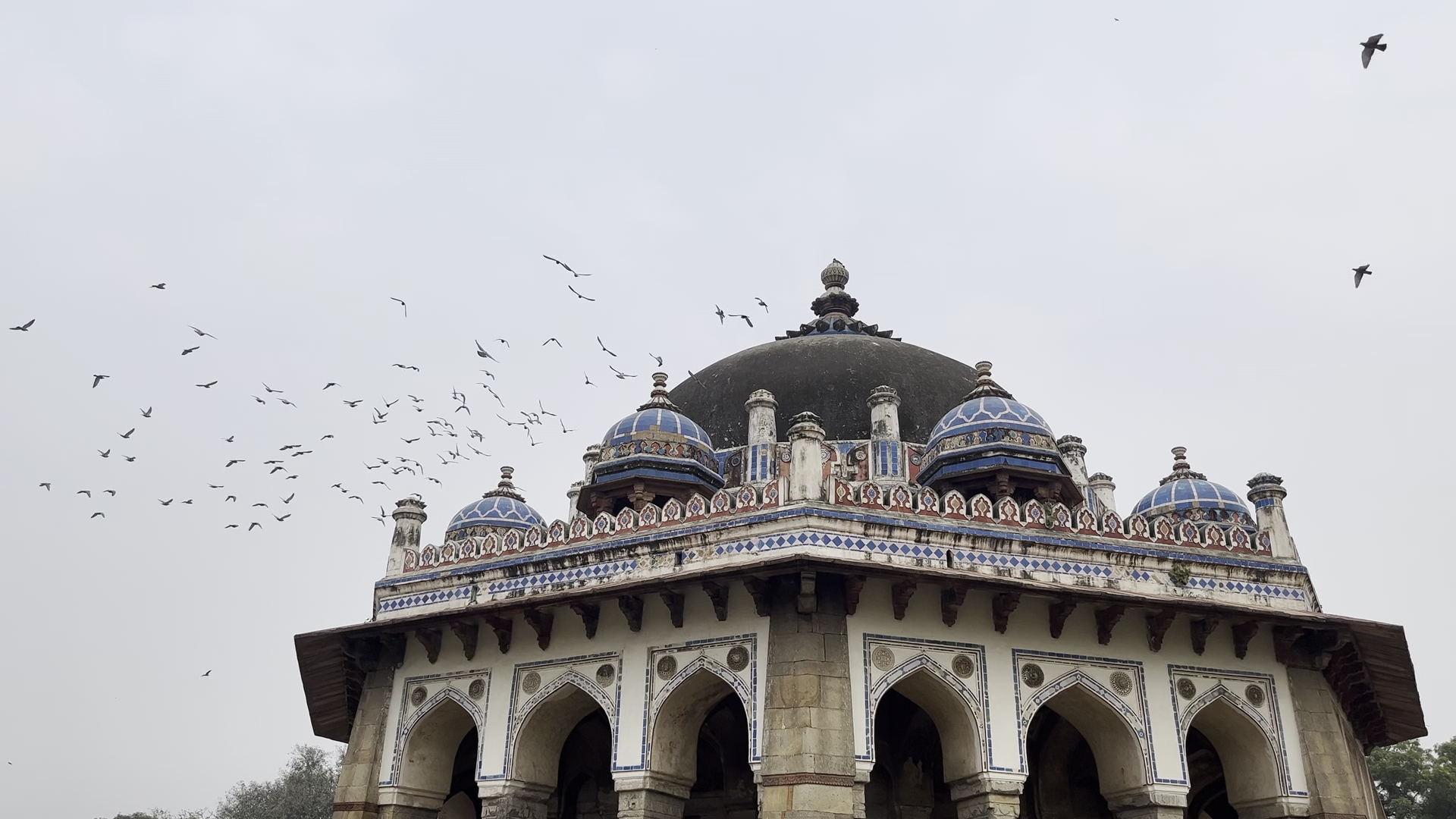
Humayun's tomb yaar kya cheez hai dekhte hi Dil ko chhu jane wali imart hai.Isa Khan’s Tomb, nestled within Delhi’s Humayun’s Tomb complex, is a captivating yet often overlooked gem of Indo-Islamic architecture. Constructed in 1547–48 during Isa Khan Niazi’s lifetime—a noble in Sher Shah Suri’s court—it predates Humayun’s Tomb by nearly two decades. This makes it one of the earliest examples of a garden tomb in India, setting the stage for later masterpieces like the Taj Mahal.
Architectural Highlights
Octagonal Design: The tomb features a distinctive octagonal layout, encircled by verandahs and triple-arched entrances on each side. Each corner is adorned with slender pillars that rise to form minaret-like structures.
Glazed Tilework: Vibrant blue, green, and yellow glazed tiles embellish the arches and domes, reflecting Persian and Afghan influences.
Intricate Jali Screens: Seven of the tomb's walls showcase elaborate lattice (jali) work, allowing light and air to filter through, creating a serene atmosphere. The western wall features a mihrab, indicating the direction of Mecca.
Sunken Garden: Surrounding the tomb is India's earliest known sunken garden, a design later emulated in Mughal architecture.
Adjacent Mosque: A small mosque within the complex mirrors the tomb's architectural style, complete with triple-arched entrances and intricate tilework.
Visitor Experience
Visitors often describe Isa Khan’s Tomb as a peaceful retreat from Delhi’s bustling tourist spots. The site offers a tranquil environment, ideal for photography and quiet reflection. Informative plaques provide historical context, enhancing the educational value of the visit.
Accessibility
While the broader Humayun’s Tomb complex offers some accessibility features, Isa Khan’s Tomb presents challenges for visitors with mobility impairments. The tomb sits on a raised platform accessible only by stairs, and there are no ramps currently in place. Efforts have been made to improve accessibility at heritage sites, but progress at this specific monument has been limited.
Practical Information
Location: Inside Humayun’s Tomb Complex, Nizamuddin, Delhi
Timings: Daily from 6:00 AM to 6:00 PM
Entry Fee: ₹40 for Indian citizens; ₹600 for foreign nationals
Best Time to Visit: October to March, during early mornings or late afternoons to avoid crowds and heat.
Final Thoughts
Isa Khan’s Tomb stands as a testament to the rich tapestry of Delhi’s architectural heritage. Its unique design elements and historical significance offer a profound glimpse into the evolution of Indo-Islamic architecture. Whether you're a history enthusiast, architecture aficionado, or a traveler seeking tranquility, this monument provides a...
Read moreHumayun's Tomb: A Historical Marvel in the Heart of Delhi
Located in the bustling city of Delhi, Humayun's Tomb is a stunning example of Mughal architecture and a must-visit historical landmark. Here's a comprehensive review of this incredible monument:
Timing: Humayun's Tomb is open from sunrise to sunset, with the following specific timings:
April to September: 6:00 AM to 6:00 PM October to March: 6:00 AM to 5:00 PM
Pros:
Breathtaking Architecture: Humayun's Tomb is a masterpiece of Mughal architecture, blending Indian, Persian, and Islamic styles. Historical Significance: The tomb is the final resting place of Humayun, the second Mughal emperor, and is a significant part of India's history. Serene Atmosphere: The complex is surrounded by beautiful gardens, providing a peaceful escape from the chaos of the city. Well-Maintained: The monument is well-maintained by the Archaeological Survey of India (ASI), ensuring a clean and safe experience for visitors.
Cons:
Crowded: Humayun's Tomb can get quite crowded, especially during peak tourist season. Limited Parking: Parking options are limited, and visitors may need to park their vehicles outside the complex. No Photography Inside: Photography is not allowed inside the tomb, which may be a disappointment for some visitors.
Review: Humayun's Tomb is a must-visit destination for anyone interested in history, architecture, or culture. The monument's stunning design, beautiful gardens, and historical significance make it a truly unforgettable experience.
Tips and Recommendations:
Best Time to Visit: Visit early in the morning or late in the evening to avoid the crowds. Wear Comfortable Shoes: The complex is large, and visitors will need to walk extensively. Respect the Monument: Follow the rules and regulations, and respect the monument's historical significance. Hire a Guide: Consider hiring a guide to get a deeper understanding of the monument's history and significance.
Ticket Prices:
Indian Citizens: ₹50 per person Foreign Nationals: ₹500 per person
Getting There:
Humayun's Tomb is located in Nizamuddin East, Delhi. The nearest metro station is Jawaharlal Nehru Stadium, which is about 2 km away. Visitors can take a taxi or auto-rickshaw from the metro station to the monument.
Overall, Humayun's Tomb is a fascinating historical landmark that offers a glimpse into India's rich past. With its stunning architecture, beautiful gardens, and historical significance, it is a must-visit destination for anyone interested in exploring the cultural...
Read moreHumayun's Tomb, one of Delhi's most iconic monuments, is more than just a magnificent structure—it is a symbol of love, legacy, and the beginning of a new architectural era in India.
The story begins with the death of Emperor Humayun, the second Mughal ruler of India, in 1556. After his tragic fall from the stairs of his library in Delhi, his widow, Empress Bega Begum (also known as Haji Begum), was devastated. In her deep sorrow and admiration for her late husband, she decided to build a grand mausoleum in his memory. It would be the first garden tomb on the Indian subcontinent.
Construction of the tomb began in 1565 and was completed in 1572. Bega Begum not only commissioned the project but also supervised much of its construction. She brought Persian architect Mirak Mirza Ghiyas from Herat (in modern-day Afghanistan), who blended Persian and Indian styles to create something the world had never seen before.
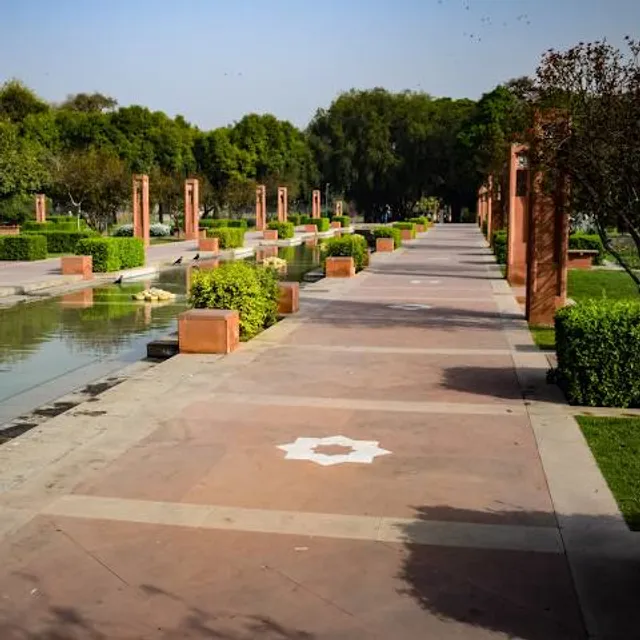
The tomb is made of red sandstone with white marble inlay and stands in the center of a large charbagh—an enclosed Persian-style garden divided into four parts by water channels. This garden was meant to represent paradise as described in the Quran.
Humayun’s Tomb set the stage for future Mughal architecture, inspiring later masterpieces such as the Taj Mahal. It was also the first structure to use the double dome in India and introduced the high-arched façade that became a signature of Mughal buildings.
But the tomb is more than just Humayun’s final resting place. Over 150 Mughal family members are buried there, earning it the name “Dormitory of the Mughals.” The monument, now a UNESCO World Heritage Site, survived centuries of change, including British occupation and partition riots.
In the early 21st century, the tomb underwent massive restoration. Today, it stands beautifully restored—a serene symbol of eternal love and a jewel of Indo-Islamic architecture. Visitors from around the world walk through its grand arched gateways and peaceful gardens, feeling the echo of history in its walls.
Humayun’s Tomb is not just a monument—it is a story of love, loss, and architectural brilliance that still inspires awe...
Read more