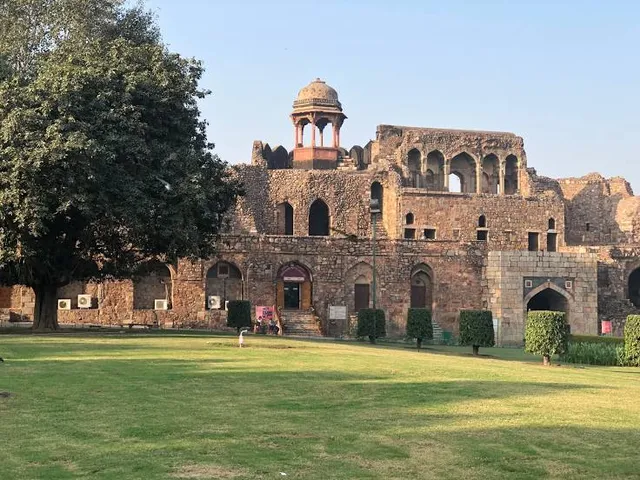
The National Zoological Park, commonly known as Delhi Zoo, is one of the premier zoological parks in India and a popular recreational spot for residents and tourists in New Delhi. Covering approximately 176 acres near the historic Old Fort (Purana Qila) area, the zoo has become a sanctuary for diverse species of animals and birds, promoting conservation, education, and nature appreciation in the heart of a bustling metropolis.
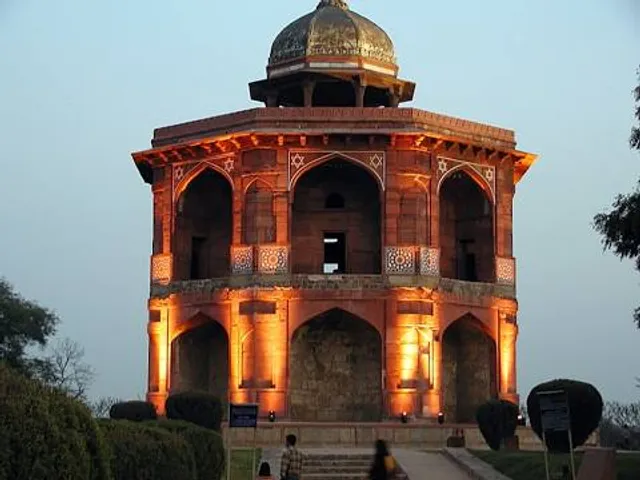
Historical Background In the post-independence period, Northern India lacked a well-maintained zoo to provide recreation and awareness about wildlife. Recognizing this need, the Indian Board of Wildlife, now known as the National Board for Wildlife, proposed establishing a zoo in the national capital in 1951. A special committee was formed in 1953 under the chairmanship of the Chief Commissioner of Delhi, which included prominent nature enthusiasts like then-Prime Minister Indira Gandhi. The committee selected a suitable site between the old historic landmarks of Purana Qila and Humayun’s Tomb.
Detailed planning was sought from international experts, with Mr. Carl Hagenbeck of the Hamburg Zoo famous for his innovative moat designs being commissioned. This led to the incorporation of large open enclosures separated by moats, offering the animals an environment closer to their natural habitats.
The National Zoological Park was inaugurated on November 1, 1959, initially called Delhi Zoo. In 1982, it was re-designated as the National Zoological Park with the vision of becoming a model zoo exemplifying humane and modern animal management practices.
Location and Layout Strategically located near the Old Fort, the zoo is easily accessible and offers a natural respite from the city's hustle. Its 176-acre expanse features lush green spaces, lakes, gardens, and naturally landscaped enclosures. Visitors explore the zoo on foot or can opt to use battery-operated vehicles available for rent, which provide a comfortable way to cover the sprawling grounds.
Wildlife and Conservation Efforts The zoo is home to over 1,300 animals comprising approximately 130 species of mammals, birds, and reptiles. It serves as a shelter for several endangered and protected species under India’s Wildlife Protection Act of 1972.
Some flagship species include:
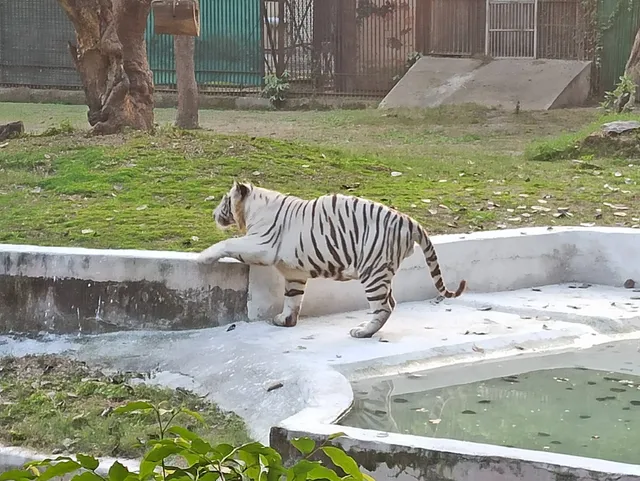
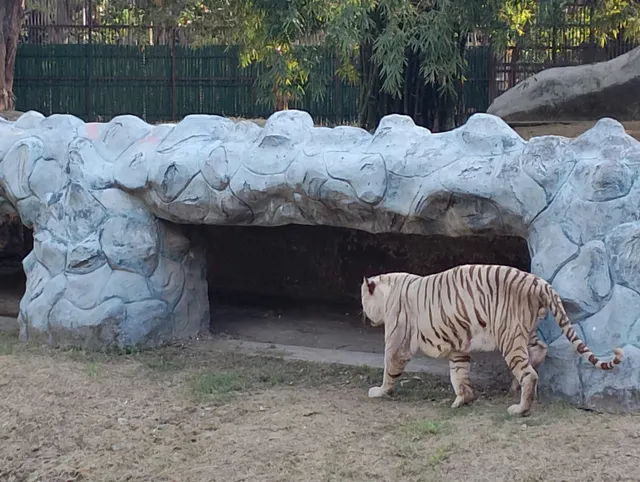
Bengal tiger
Asiatic lion
Indian rhinoceros
Indian bison (Gaur)
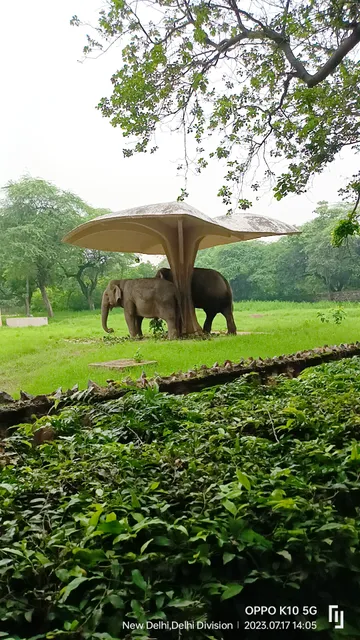
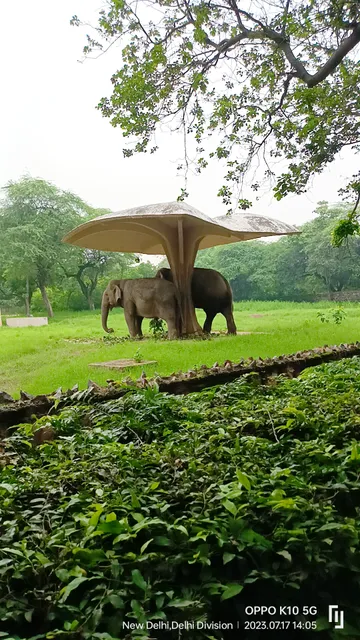
Indian elephant
Leopards
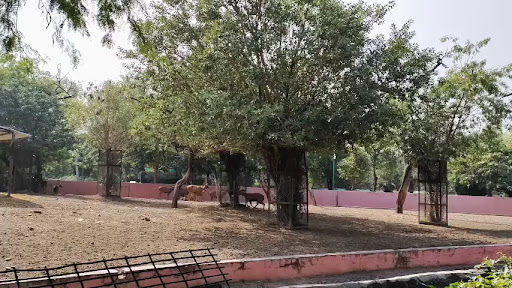
Various deer species such as the Sangai deer
The enclosures are designed with open moats instead of bars, giving animals negative stress-free zones and visitors an unobstructed view. A colony of free-range lion-tailed macaques adds to the zoological diversity. The aviary showcases exotic birds such as macaws, Egyptian vultures, and silver pheasants, while reptile exhibits include marsh crocodiles, gharials, and rock pythons.
The National Zoological Park is also a vital center for breeding endangered species to augment populations in the wild. Successful breeding programs for species like the Bengal tiger and Indian rhinoceros have been noteworthy.
Visitor Amenities and Experience The zoo provides essential amenities such as clean restrooms, cafes, drinking water facilities, and souvenir shops. Families, school groups, and tourists frequent the park, especially on weekends and holidays, to learn about wildlife and enjoy nature walks.
To ensure visitor safety, animal enclosures are secure, though extreme caution is advised, as seen in past incidents involving visitors near dangerous animals. The park emphasizes education and awareness, hosting guided tours and informative displays about wildlife...
Read moreOne of the prominent strengths of the National Zoological Park is its expansive and well-maintained grounds. The layout is thoughtfully designed, offering ample space for the animals to move around, providing visitors with a natural and comfortable environment to observe them. The lush greenery and carefully landscaped enclosures enhance the overall ambiance, making the visit a visually pleasing experience.
The National Zoological Park in Delhi has taken a positive step by transitioning to online ticketing, adding convenience and efficiency to the visitor experience. This move aligns with the digital era, allowing patrons to plan and secure their tickets in advance, minimizing the hassle of long queues at the entrance. And important to be noted that offline tickets are not available now, tickets need to generate through online portal.
The collection of animals at the zoo is quite extensive, showcasing a wide variety of species from different regions of India. From majestic lions and graceful deer to exotic birds and reptiles, the zoo successfully captures the biodiversity of the country. Educational signage provides valuable insights into the habits and habitats of these creatures, making it an enriching experience for visitors of all ages.
However, a drawback worth mentioning is that some animals seem to be missing from the collection, and a few enclosures are unoccupied. This could potentially be due to ongoing conservation efforts, but it does leave certain sections feeling incomplete.
The best time to explore the National Zoological Park is undoubtedly during the morning hours. The cooler temperatures and the lively activities of the animals as they start their day create an engaging atmosphere. Morning visits allow for a more relaxed and enjoyable experience, with the added benefit of avoiding the midday heat.
One notable downside, however, is the absence of a designated refreshment zone within the zoo premises. While the surrounding area offers various eateries, having a dedicated space within the zoo would enhance the overall visitor experience. Families with children, especially those with toddlers, may find this limitation challenging, as managing a hungry or fussy young one without access to food within the premises can be inconvenient.
Moreover, the strict policy prohibiting food items inside the zoo poses a challenge for parents with young children. If you're visiting with a baby aged 1-3 years, it's important to be aware that no exceptions are made, and planning accordingly becomes crucial.
In conclusion, the National Zoological Park in Delhi offers a compelling and educational experience for wildlife enthusiasts. The vast area, diverse animal collection, and the immersive atmosphere make it a worthwhile visit. However, addressing the absence of some animals, providing a designated refreshment zone, and reconsidering the food policy for visitors with young children would further elevate the overall experience for families and...
Read moreA Memorable Day at the National Zoological Park, Delhi
Rating: ★★★★☆ (4/5)
I recently had the pleasure of visiting the National Zoological Park in Delhi, and I must say it was a day filled with both wonder and contemplation. As an animal enthusiast, I was excited to explore this renowned establishment and witness its diverse collection of wildlife.
Upon entering the park, I was immediately struck by the lush greenery and well-maintained pathways that create a serene and natural ambiance. The park's layout is well thought out, with clear signage and maps at every juncture, making navigation a breeze. The exhibits are organized in a way that allows visitors to move smoothly from one section to another, ensuring a comprehensive experience.
The highlight of my visit was undoubtedly the variety of animals on display. From majestic tigers to playful monkeys, and graceful peacocks to exotic birds, the range of species kept me captivated throughout my journey. The enclosures appeared spacious, and it was evident that efforts had been made to replicate the animals' natural habitats. The big cats' enclosure, in particular, stood out, offering an unobstructed view of these magnificent creatures as they lounged in the shade.
One aspect that deserves commendation is the zoo's dedication to conservation and education. Several informative boards near each exhibit provided insights into the animals' behaviors, habitats, and conservation efforts. It's heartening to see an institution actively contributing to raising awareness about the need to protect and preserve our precious wildlife.
However, the park did have a few minor areas that could be improved. Some enclosures seemed a bit dated and in need of renovation. Additionally, the food and refreshment options were limited, which can be a downside for visitors looking for more diverse dining choices.
Despite these minor drawbacks, my visit to the National Zoological Park was a delightful experience overall. The well-maintained environment, diverse animal collection, and educational initiatives make it a worthwhile destination for families, students, and nature enthusiasts alike. I left the park with a renewed appreciation for the beauty of the animal kingdom and a sense of responsibility to ensure its protection.
In conclusion, the National Zoological Park in Delhi offers a fulfilling day out surrounded by nature's wonders. It's a place where you can connect with the animal world, learn about conservation efforts, and gain a deeper understanding of the importance of safeguarding our planet's biodiversity. If you're in Delhi and seeking an enriching and enjoyable outing, this park is definitely worth a visit. Whether you're strolling through the aviaries or observing the big cats in their habitat, the National Zoological Park promises an unforgettable experience that will leave you both educated...
Read more