My Experience at Purana Qila
Visiting historical places has always been a fascinating experience for me because they carry the charm of the past and tell the story of our ancestors. Recently, I had the opportunity to visit Purana Qila (Old Fort) in Delhi, and it was truly a memorable and enriching journey into history. The Purana Qila is one of the oldest forts in Delhi, and it is believed that the city of Indraprastha, mentioned in the Mahabharata, once existed at the very spot where the fort stands today. This thought itself filled me with excitement and curiosity as I entered the grand complex.
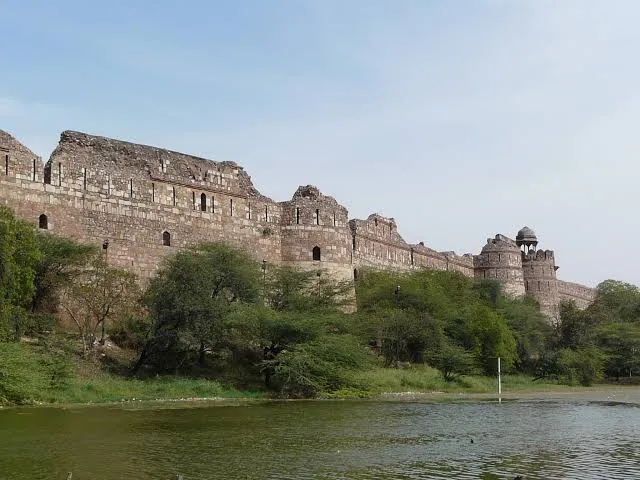
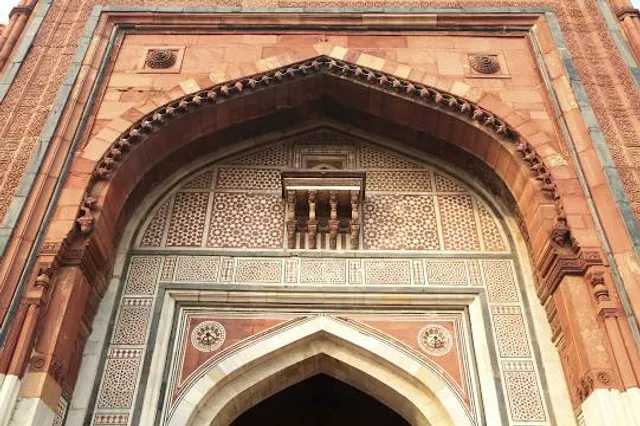
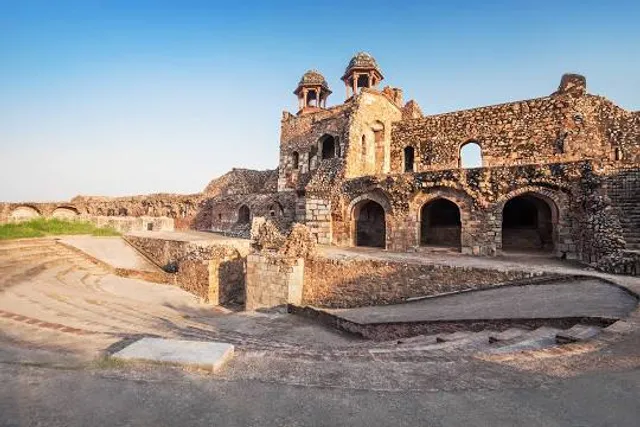
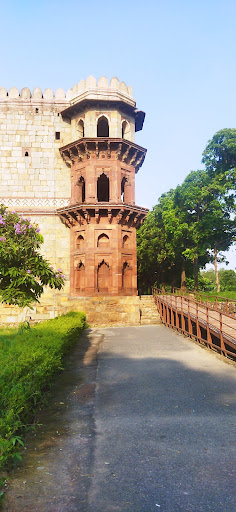
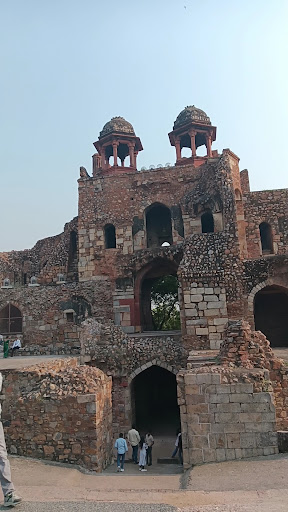
The first thing that caught my eye was the massive walls of the fort, which rose high with a sense of pride and strength. The walls are made of red sandstone and have survived centuries, standing tall as a symbol of Delhi’s glorious history. The three main gates of the fort—the Humayun Gate, Talaqi Gate, and Bara Darwaza—are beautifully designed with Islamic and Afghan-style architecture. When I passed through the Bara Darwaza, I felt as if I was stepping back in time into a world that belonged to kings, emperors, and warriors.
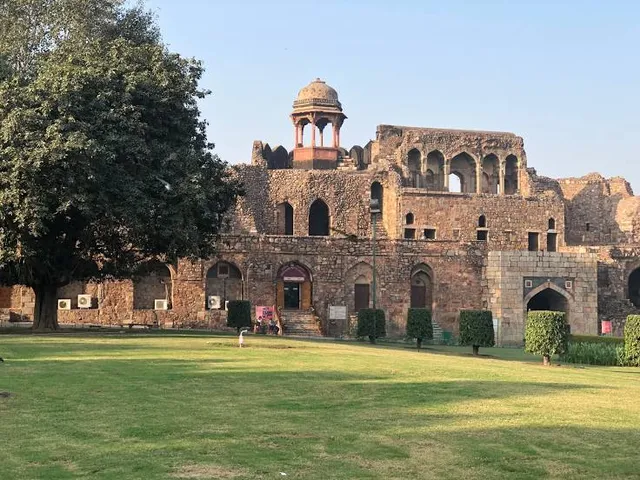
Inside the fort, I explored several important monuments. One of the most striking structures was the Qila-i-Kuhna Mosque, built by Sher Shah Suri. It is a masterpiece of Indo-Islamic architecture, with beautiful arches and intricate carvings on its walls. The calmness inside the mosque gave me a sense of peace, away from the noise of the city. Another remarkable monument was the Sher Mandal, a two-storey octagonal tower. It was originally built by Humayun, who used it as an observatory and library. Unfortunately, it is also the place where Humayun met with an accident while coming down the stairs, leading to his death. Standing in front of the Sher Mandal, I could almost imagine the historical events that unfolded there centuries ago.
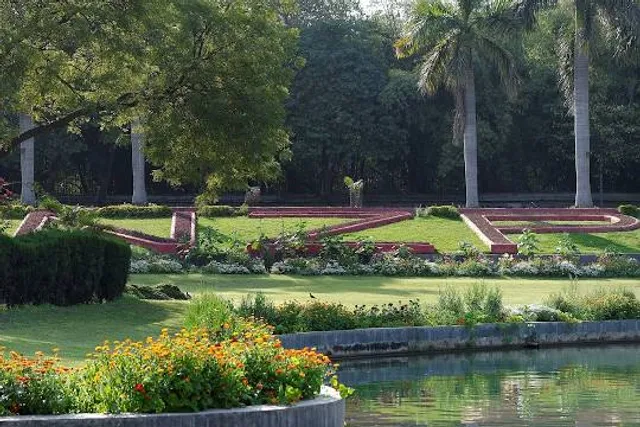
The fort complex also has beautiful gardens and wide open spaces. As I walked through the green lawns, I could see families sitting together, children playing, and tourists clicking pictures. The greenery around the ancient ruins made the whole place look even more majestic. From the top portions of the fort walls, I enjoyed a wide view of Delhi city, and it felt amazing to witness the blend of modern skyscrapers and ancient heritage standing side by side.
One of the highlights of my visit was the boat ride in the lake near the fort. The lake is situated outside the walls and provides a refreshing experience for visitors. Sitting in the boat and watching the reflection of the fort walls in the water was truly mesmerizing. It added a touch of relaxation after walking around the fort and learning about its history.
In the evening, I also got a chance to watch the light and sound show organized at the Purana Qila. This show beautifully narrates the history of Delhi, from the time of the Mahabharata to the Mughal rule. With colorful lights and powerful narration, the whole fort seemed to come alive, and I felt like I was watching history unfold before my eyes.
Overall, my visit to Purana Qila was a journey full of knowledge, wonder, and admiration. The fort not only reflects the architectural brilliance of the Mughal and Afghan rulers but also carries within it the timeless stories of India’s glorious past. It made me realize how important it is to preserve our heritage so that future generations can also witness and learn from it.
Visiting Purana Qila was not just an ordinary trip; it was an experience that connected me to history, culture, and the spirit of Delhi. I left the fort with a heart full of memories and a mind filled with curiosity to explore more such historical...
Read morePurani Killa, located in the heart of New Delhi, India, is an exquisite historical marvel that truly reflects the rich heritage of this vibrant country. I recently had the pleasure of visiting this ancient fortress, and the experience left me in awe.
Upon entering the premises, I was immediately captivated by the sheer magnificence of the architecture. The beautifully preserved walls and imposing gates transport you back in time, making you feel like a witness to India's glorious past. As you stroll through the site, the grandeur of the fort becomes more evident, with every corner revealing a different story from centuries gone by.
One of the highlights of the Purani Killa is the Qila-i-Kuhna Mosque, an impressive structure within the complex. Its intricate design and delicate calligraphy showcase the finesse of Mughal craftsmanship. As I sat inside the mosque, I could feel a sense of tranquility enveloping me, offering a moment of respite from the bustling city outside.
The adjacent Sher Mandal, an octagonal tower with a historical significance, was a sight to behold. Standing atop this structure, I was treated to a panoramic view of New Delhi's sprawling landscape, which is a photographer's delight.
The lush green gardens within Purani Killa provide a serene ambiance, perfect for spending some quality time with family and friends. It's a great spot for a leisurely picnic or a leisurely stroll amidst nature, away from the cacophony of the city.
Moreover, the fort hosts cultural events, light and sound shows, and heritage walks that provide a deeper understanding of India's storied past. These initiatives add a contemporary touch to the ancient ruins, making it an engaging experience for both locals and tourists.
The site is well-maintained, and I was pleased to see that efforts were made to preserve the historical integrity of Purani Killa. The presence of informative signboards and knowledgeable guides further enhanced my visit, offering valuable insights into the monument's history.
In conclusion, Purani Killa is an absolute must-visit destination for history enthusiasts, architecture admirers, and anyone seeking a connection with India's fascinating past. It is a testament to the country's cultural heritage and serves as a gentle reminder of the significance of preserving our historical landmarks for generations to come.
Whether you are a traveler or a local resident, do not miss the opportunity to explore the captivating charm of Purani Killa. It's a place where time stands still, and history comes alive in all its grandeur.
Prefer to go with your friends as it became couple attraction now a days.visit in winter or cloudy day bcoz you have to walk all around the killa .
Ticket price :25 for Indian
Nearest metro :- supreme Court (pragati maidan earlier)
Updates:-boat service is not available right now Note: This review is based on my experience as of my visit on 22 July 2023. Please check for any updates or changes...
Read more“Old Fort,” is among the oldest and most historically significant monuments in Delhi, India. Located in the southeastern part of modern New Delhi, it stands as a testament to Delhi’s layered past, connecting mythology, medieval empires, and the colonial era. With its massive walls, stately gateways, and architectural marvels, Purana Qila offers visitors a window into the city’s evolution over centuries.
Historical Significance The origins of Purana Qila intertwine with legend and history. Locally believed to be the site of the ancient city of Indraprastha from the Mahabharata, it is often called “Pandavon ka Qila” (Fort of the Pandavas). Historically, the fort was constructed by Mughal Emperor Humayun in the 16th century (between 1533 and 1538) as part of his new city called Dinpanah, meaning “Sanctuary of Faith.” Following Humayun’s defeat by Sher Shah Suri, the Afghan ruler enhanced the fortifications and added iconic structures, contributing to the fort’s Persian and Indian architectural synthesis.
Over its history, Purana Qila witnessed key battles and changes in regime and served various roles—from a royal residence to a military outpost. It also has significant colonial-era connections, as Sir Edwin Lutyens aligned the axis of New Delhi’s central vista (Rajpath) towards it, symbolically linking Delhi’s ancient and modern identities.
Architectural Highlights The fort’s walls form an impressive rectangular enclosure covering approximately 300 acres with a perimeter of about 1.5 to 1.9 kilometers. The fort originally had three grand gateways, thick bastions, and a deep moat once fed by the nearby Yamuna River.
Key structures within Purana Qila include:
Qila-i-Kuhna Mosque: Built by Sher Shah Suri in 1542, this mosque epitomizes the blend of Indo-Islamic architecture. Notable for its elegant arches, intricate calligraphy, and five-door façade, it is considered an architectural masterpiece of the period.
Sher Mandal: An octagonal double-storeyed tower, Sher Mandal served as a library for Emperor Humayun. It is also historically famous as the site of Humayun’s accidental death after a fall. The structure offers panoramic views of the fort and surroundings.
Massive Walls and Bastions: The fort's robust red sandstone walls are dotted with turrets and bastions designed for defense but also visually impressive. The walls’ design reflects the military and aesthetic priorities of the era.
Moat: Though now dry, the wide moat was once filled with water, enhancing the fort’s defensive capabilities.
Archaeological and Cultural Legacy Excavations at Purana Qila have revealed artifacts spanning many eras, including the Mauryan period, making it a site of great archaeological importance. Pottery, coins, and remnants of ancient water systems have been unearthed, illuminating the settlement’s...
Read more