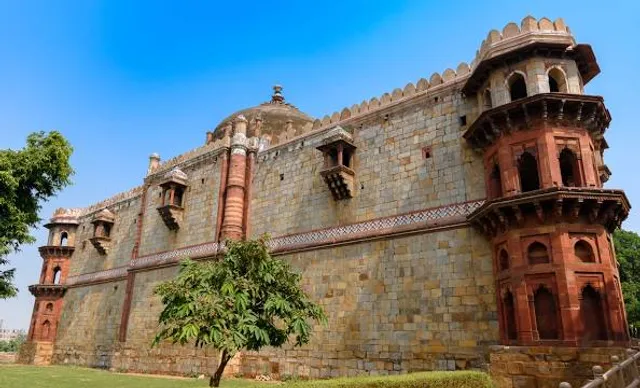
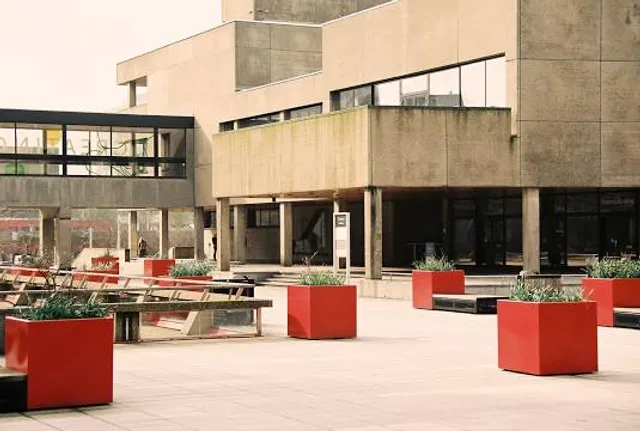
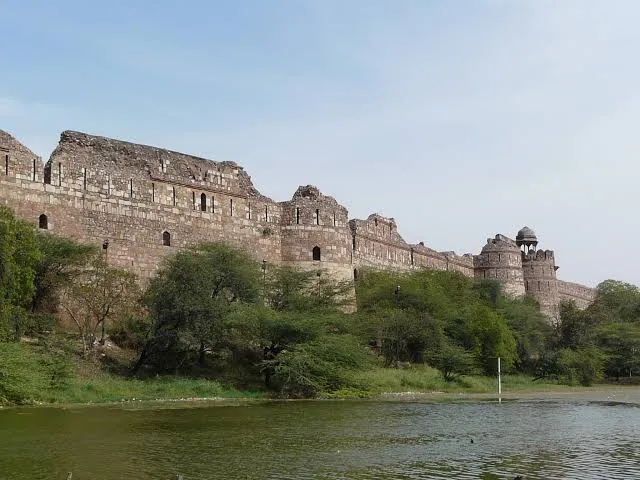
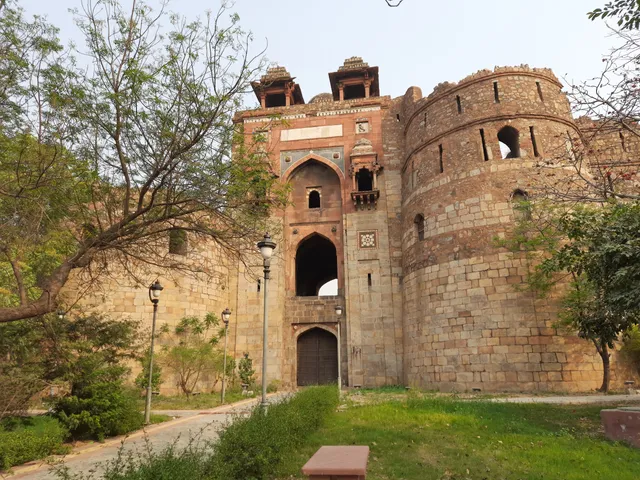
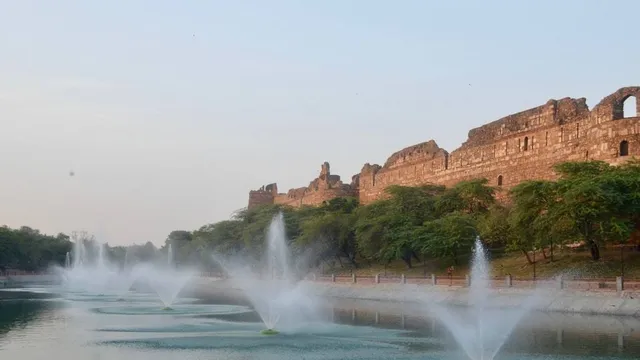
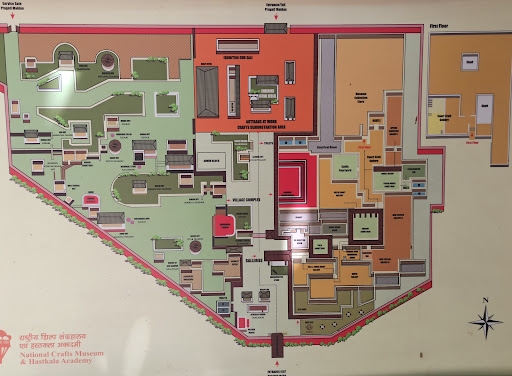
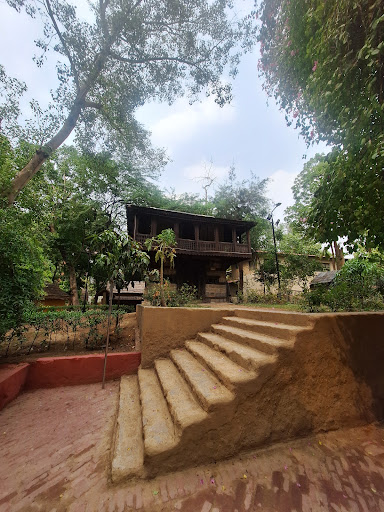
The National Crafts Museum & Hastkala Academy, celebrates the rich, diverse, and practicing craft and weaving traditions of India. Situated at the corner of Pragati Maidan, opposite the majestic Purana Qila, the museum was designed by the renowned architect Charles Correa. Museum is a visual repository show casing the traditional architectural marvels simulated in the museum building. The heritage crafts and textiles collections displayed around in the open-air areas, the galleries and the intricacies of making of handicraft and handloom artefacts can be seen under one roof. Also, if the visitor so desires may purchase few souvenirs direct from the artisans and weavers.
At present the Museum collection consists of over about 29,395 specimens in various crafts acquired over a period of 70 years sourced from various states named as Andhra Pradesh, Arunachal Pradesh, Assam, Bihar, Chhattisgarh, Goa, Gujarat, Haryana, Himachal Pradesh, Jharkhand, Karnataka, Kerala, Madhya Pradesh, Maharashtra, Manipur, Meghalaya, Mizoram, Nagaland, Odisha, Punjab, Rajasthan, Sikkim, Tamil Nadu, Telangana, Tripura, Uttar Pradesh, Uttarakhand, West Bengal and Union Territories of India named as Andaman & Nicobar islands, Chandigarh, Dadra and Nagar Haveli, Daman and Diu, Delhi, Jammu and Kashmir, Ladakh, Lakshadweep and Puducherry. The collection reflects the continuing traditions of handicrafts and handlooms, over the ages.
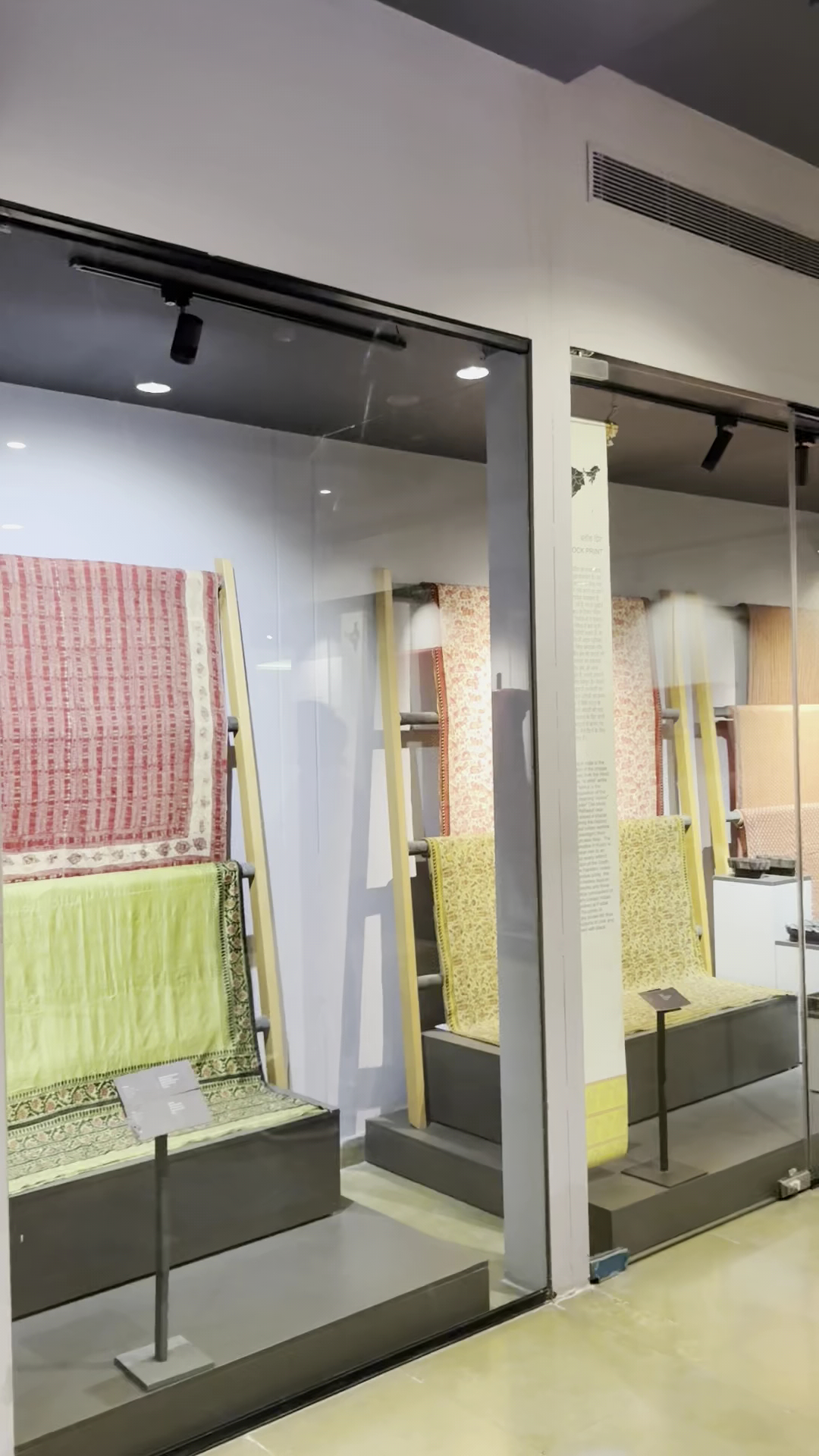
Museum collection consists of a variety of traditional artifacts such as Textiles, a vast range of metal lamps, sculptures, utensils etc, wood-works, folk/tribal paintings, range of cane and bamboo crafts, clay and terracotta figures and a lot more. The exquisite examples of textiles include Kalamkaris, Jamawars, Pashmina and Shahtosh shawls, embroidered fabrics especially Kanthas, Chikankari works and chaklas Tie and Die (Bandhani) fabrics, Baluchar and Jamdaani saris, Pichwais,Phulkaris, Ikat fabrics of Odisha, ChambaRumals, Block printed textile fabrics of Gujarat and Rajasthan, Himru textile pieces of Maharashtra, Naga shawls, Chanderi saris and a variety of tribal textiles of the Lambadi, Toda and Naga tribes.
Village Complex was set up in 1972 as Rural India Complex as a Part of Asia Trade Fair Designed by the well –known architect Ram Sharma and Sculptor Sankhu Chaudhuri, the Village Complex was later incorporated into the Crafts Museum. It comprises 19 structures- village dwellings, courtyards, shrines- from different parts of India, built in facsimile with skills and materials of the respective regions.
The Textiles Gallery hosts an extensive collection of traditional Indian textiles, which covers the vast range of hand-woven and handcrafted techniques found throughout India.
The Cultic Craft Gallery features sculptures, paintings, textiles and other objects associated with the rituals of various religions in India.
Crafts demonstration programme is a monthly promotional activity of our country’s intangible cultural heritage of Handicraft, Handloom & folk performances. The participating artisans and weavers unravel various processes, tools and techniques involved in making of a craft or textile. Hand crafting and handloom weaving are marvellous skills to watch live. The visitor learns about the tedious processes and enjoys purchasing a souvenir or two to carry home. During the one month stay in the museum, the performers craftsperson and weavers time and again go to the reserve collections and museum galleries to involve in reviving the traditional techniques and designs. This platform thus provides a direct platform to the performers, artisans and weavers to propagate their skills and product to the visiting public. The programme also enhances the ability to revive the forgotten designs...
Read moreNestled near Bharat Mandapam in Pragati Maidan, New Delhi, the National Craft Museum & Hastkala Academy is a beacon of knowledge and inspiration, offering an immersive journey through the wonders of Indian arts and crafts. This museum stands as a proud testament to India’s rich and diverse history in the field of arts and crafts, making it a must-visit destination for art enthusiasts and curious minds alike.
A Glimpse into the Museum: As you step into the museum, you are welcomed by an impressive collection of sculptures crafted from wood and stone, setting the tone for the exquisite displays that await. One of the key highlights of the museum is its dedication to showcasing India’s significant contributions to the advancement of art and craft, particularly in cloth designing. This focus not only highlights the technical prowess but also the creative ingenuity that has been honed over centuries.
What to See:
Handicrafts and Cultural Displays: The museum is a treasure trove of handicrafts, embodying the essence of Indian culture. From tribal historical crafts to intricate Madhubani paintings, the exhibits are a vibrant display of India’s artistic heritage. Textile Designs: The museum offers a deep dive into the history of textile work in India, showcasing beautiful textiles and the stories behind their creation. Wooden Sculptures: Admire the stunning wooden sculptures crafted by tribal artisans, which reflect the traditional craftsmanship passed down through generations. Cultic Objects Gallery: This gallery presents a fascinating array of cultic objects, each telling a unique story of India’s spiritual and cultural practices. Additional Amenities:
Retail Outlet: Visitors have the opportunity to purchase exquisite handicraft items, allowing them to take a piece of Indian culture home with them.
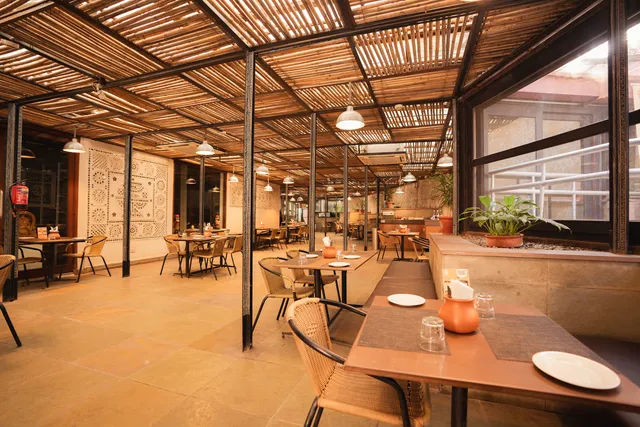
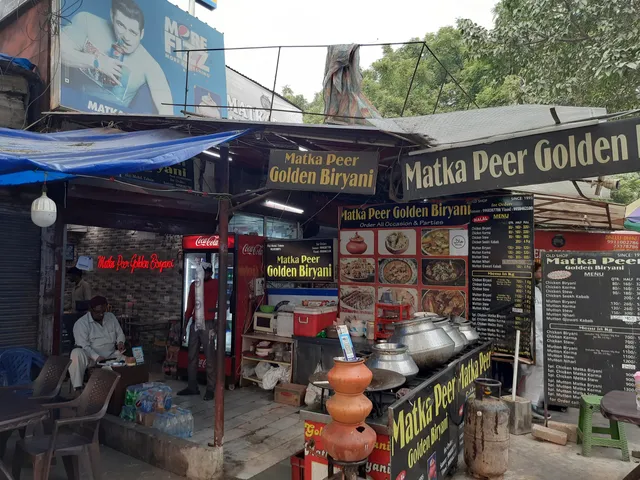
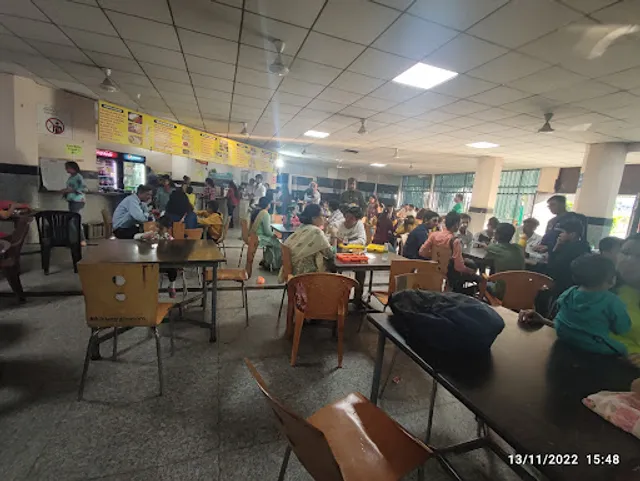
Cafeteria: A well-appointed cafeteria is available for those who wish to enjoy a leisurely lunch or snack amidst their explorations.
Free Parking: Convenient and free parking facilities add to the hassle-free experience.
Free Entry: The museum offers free entry for citizens of Bharat, making it accessible to all.
Overall Experience: The National Craft Museum & Hastkala Academy is more than just a museum; it is a celebration of India’s rich cultural tapestry. Whether you are an art lover, a student of history, or simply someone looking to explore the beauty of Indian craftsmanship, this museum offers something for everyone. Its educational value, combined with the aesthetic pleasure of its exhibits, makes it an enriching experience for adults and children alike.
A visit to this museum is not just an exploration of art; it is a journey through time, tracing the evolution of India’s artistic and cultural heritage. Don’t miss the chance to be inspired and awed by the beauty and history encapsulated...
Read more🏛️ Museum Highlights Objects range from Painted Grey Ware (c. 1000 BC), through Mauryan, Sunga, Kushan, Gupta, Rajput, Sultanate, up to Mughal eras, forming a continuous timeline of Delhi's history
The modest but rich display includes pottery fragments, coins, clay toys, and everyday tools—each labeled to tie into specific dynasties
Gallery of Repatriated Antiquities
A special wing features 190 objects recovered from abroad, stolen or illicitly exported—from Buddhist statues and Chola bronzes to a marble Brahma-Brahmani
These exhibits highlight the history of cultural heritage protection and emphasize legal efforts to reclaim India's treasures
Opening hours: Daily 10 AM–5 PM (closed Fridays)
📍 Location & Access
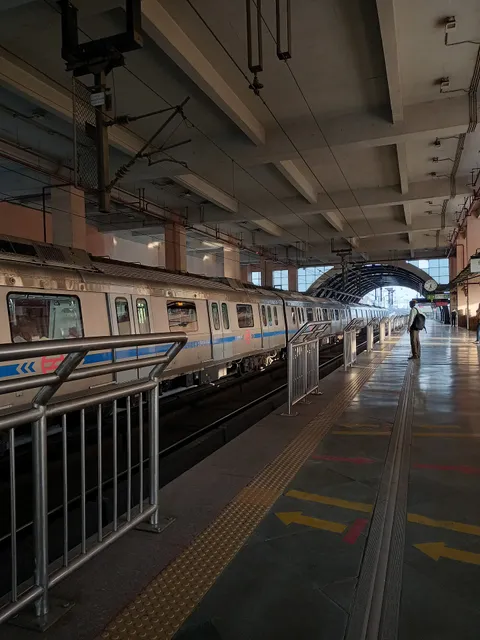
Nearest metro: Pragati Maidan on the Blue Line (10–15 min walk), plus buses and rickshaws are readily available
☕ Nearby Cultural + Café Scene
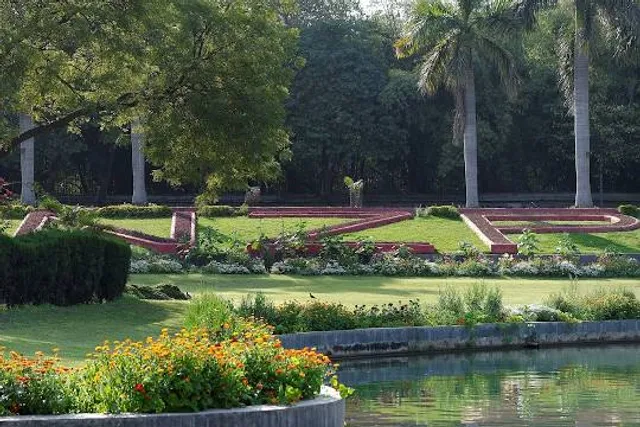
While the museum itself lacks a café, the adjacent National Crafts Museum (National Handicrafts & Handlooms Museum) features a lovely garden café and open craft displays
👤 My Visit (3 days ago)
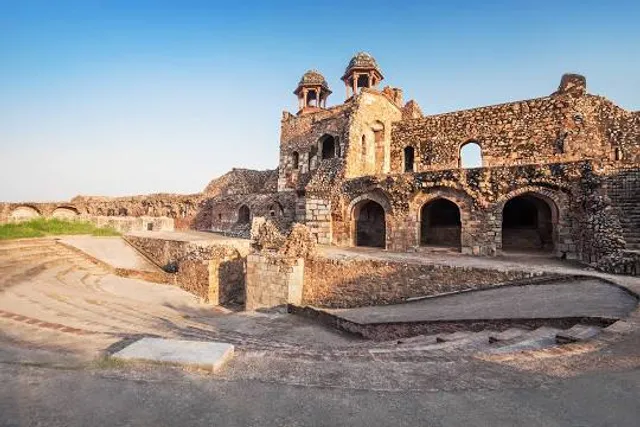
Visiting three days ago felt like stepping through time. As I walked into the compact museum, the original fort wall plaster reminded me I was in a living monument. The artifacts—from prehistoric pottery to magnificent Gupta coins—aligned chronologically, making the history flow logically. I spent over an hour reading about Painted Grey Ware and mythic Indraprastha
The gallery of recovered antiquities was especially moving: Chola bronzes and ancient Buddhist statues, once lost and now home again, told an emotional narrative of resilience and cultural pride. The guard's warning against photography encouraged a slower, more immersive experience.
⭐ Overall Review
A must-visit gem for anyone interested in India’s layered history.
Exceptional for its chronological storytelling, from 1000 BC to Mughal times.
The sleek gallery of repatriated antiquities adds depth and perspective.
Though small, it's well-curated and emotionally impactful.
A cafe in the neighboring Crafts Museum rounds off the visit beautifully—just reserve in advance.
🕰️ Spend 1–2 hours in the museum and another hour at the café for a complete cultural experience.
Quick Tips
Plan your visit Tue–Thu for lighter crowds.
Pair it with lunch or tea at the Crafts Museum café.
Combine with the fort tour and...
Read more