Sher Mandal things to do, attractions, restaurants, events info and trip planning
Basic Info
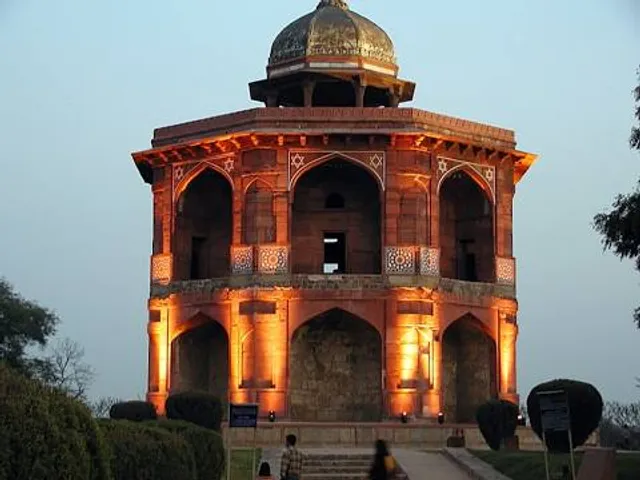
Sher Mandal
J65W+F27, Purana Quila Rd, Pragati Maidan, New Delhi, Delhi 110001, India
4.4(85)
Open 24 hours
Save
spot
spot
Ratings & Description
Info
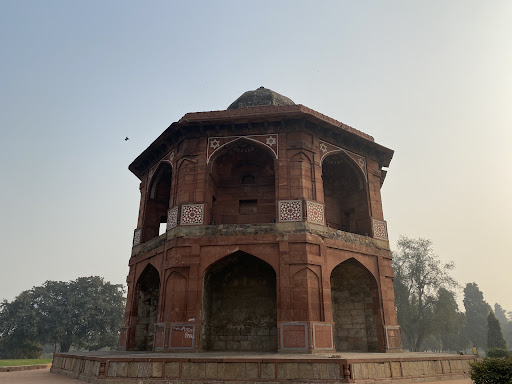
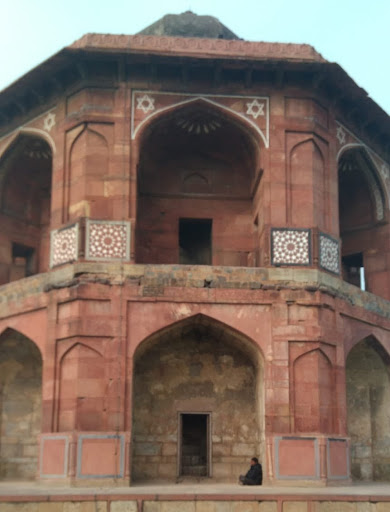
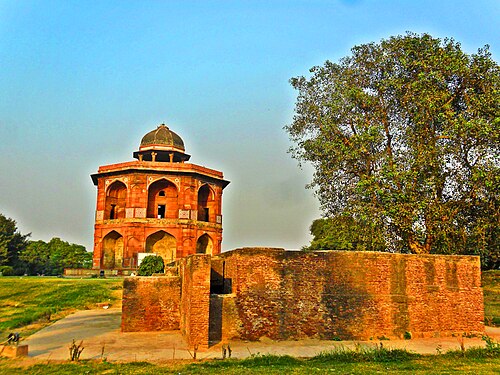
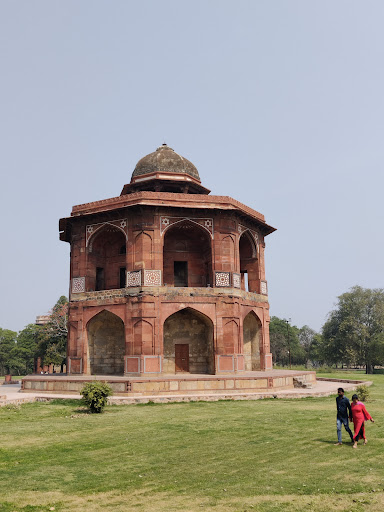
Sher Mandal is a 16th-century historic building within the Purana Qila fort located in Delhi, India. Designed in a blend of Timurid and Safavid architecture, it is the only surviving palace structure within the fort and has become a tourist attraction.
Cultural
Family friendly
attractions: National Zoological Park, Delhi, Quila-i-Kuhna Mosque, Purana Quila, Archaeological Museum, National Science Centre, Delhi, Zoo Park, National Crafts Museum & Hastkala Academy, Talāqi Darwaza, Purana Qila, Old Fort Lake, restaurants: Delhi Zoo Canteen, Cafe Lota, Science Centre Canteen, Hotel Jobs In India I Hotel Careers, Hospitality Jobs Portal, Indian Hotel Jobs, Babu Shahi Bawarchi, Kamal's Sweets, Nathus Sweets, Matka Peer Golden Biryani, Bombay Bhelpuri Sevpuri, La Croûte - Global Cuisine Restaurant & Pie Room, local businesses: Purana Quila, Delhi, National Zoological Park, Delhi, Zoo Park, Delhi Zoo, 3D Show, Pragati Maidan
 Learn more insights from Wanderboat AI.
Plan your stay

Pet-friendly Hotels in New Delhi
Find a cozy hotel nearby and make it a full experience.

Affordable Hotels in New Delhi
Find a cozy hotel nearby and make it a full experience.

The Coolest Hotels You Haven't Heard Of (Yet)
Find a cozy hotel nearby and make it a full experience.

Trending Stays Worth the Hype in New Delhi
Find a cozy hotel nearby and make it a full experience.
Reviews
Live events
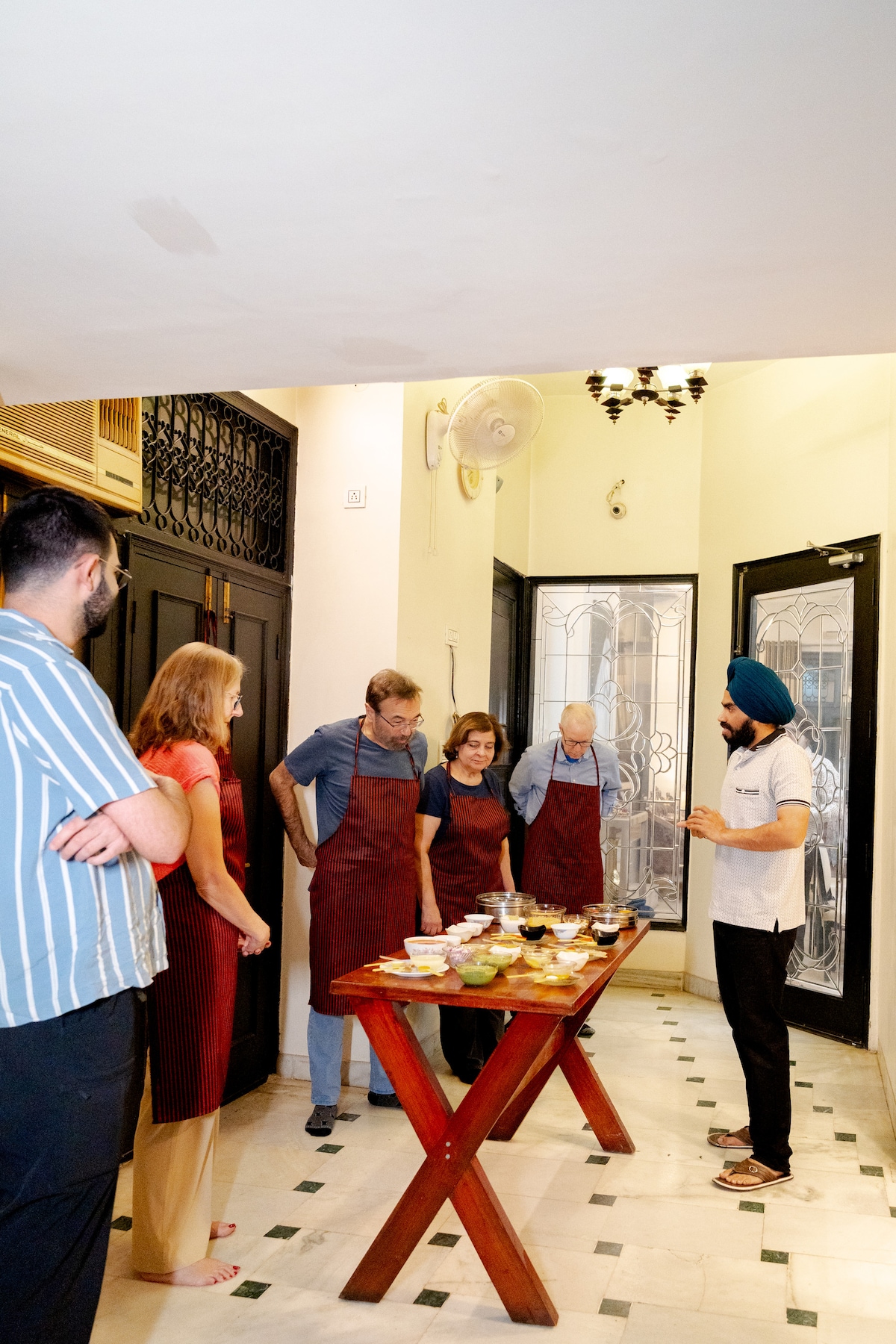
Hands-on Indian Cooking in a Real Indian Home
Fri, Feb 13 • 4:00 PM
New Delhi, Delhi, 110048, India
View details
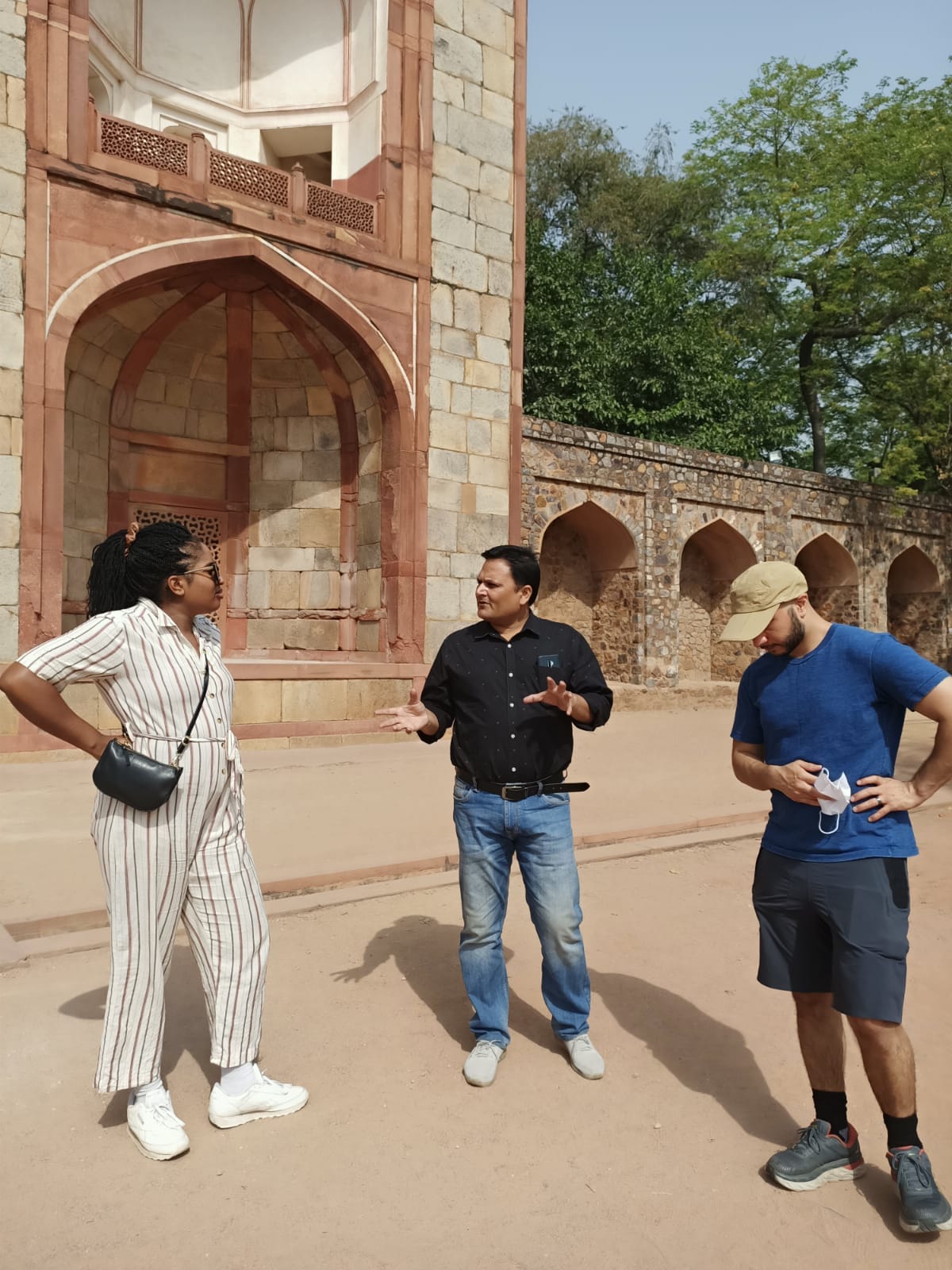
Enjoy the contrasting charms of Old & New Delhi
Fri, Feb 13 • 10:00 AM
New Delhi, Delhi, 110011, India
View details
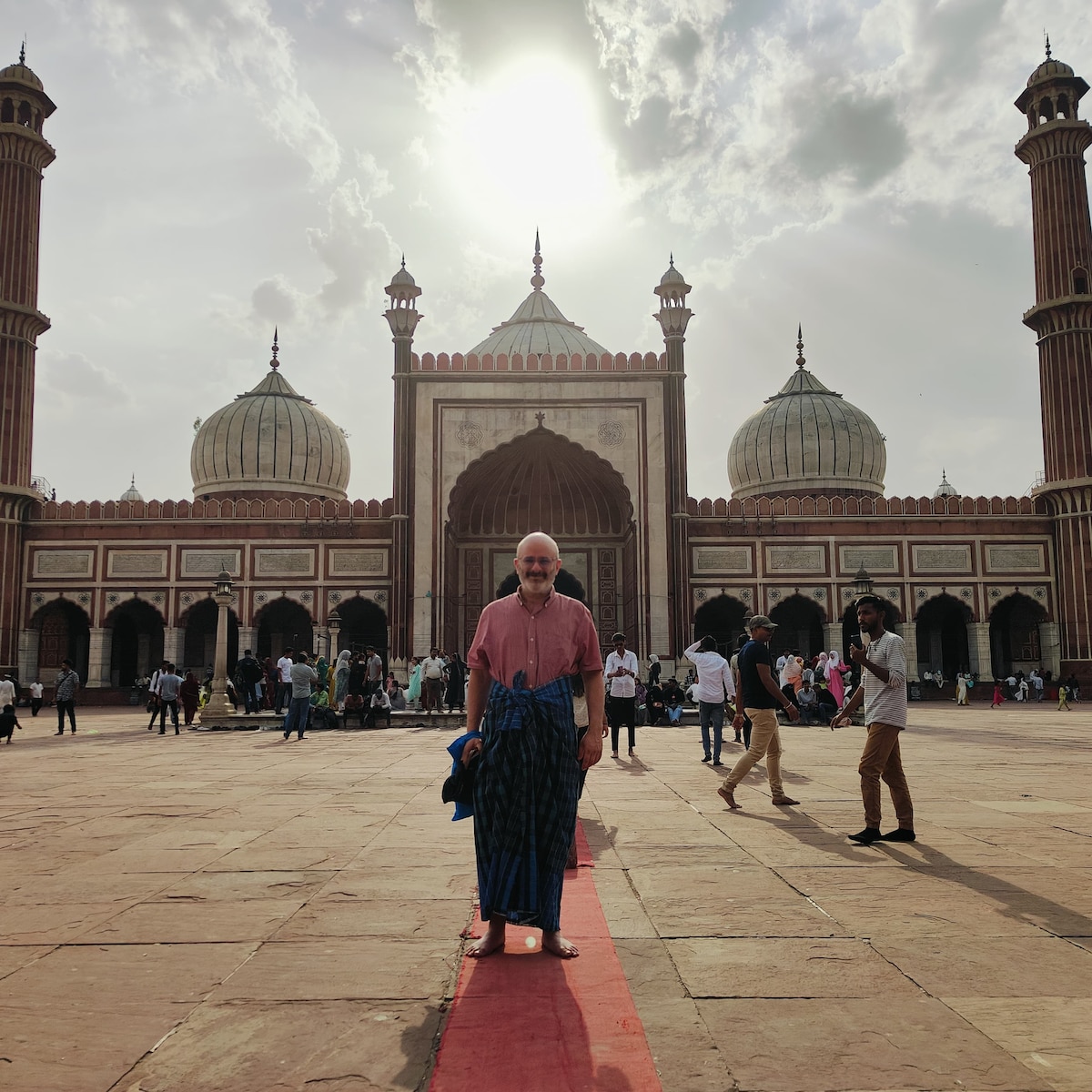
Fullday Old & New Delhi by Tuk Tuk-local Transport
Fri, Feb 13 • 10:00 AM
New Delhi, Delhi, 110006, India
View details
Nearby attractions of Sher Mandal
National Zoological Park, Delhi
Quila-i-Kuhna Mosque
Purana Quila
Archaeological Museum
National Science Centre, Delhi
Zoo Park
National Crafts Museum & Hastkala Academy
Talāqi Darwaza, Purana Qila
Old Fort Lake
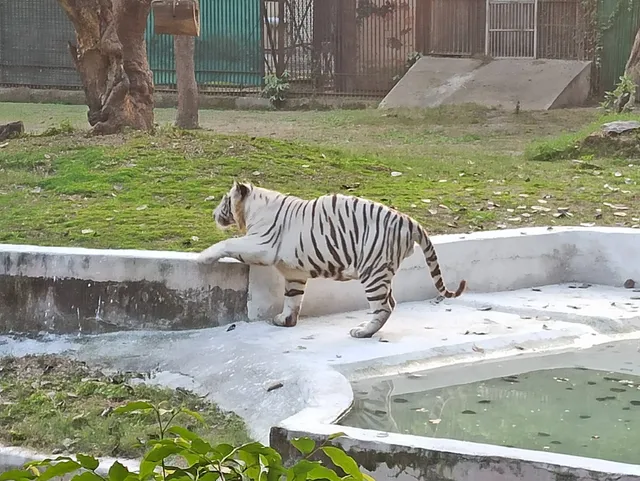
National Zoological Park, Delhi
4.1
(16.7K)
Closed
Click for details
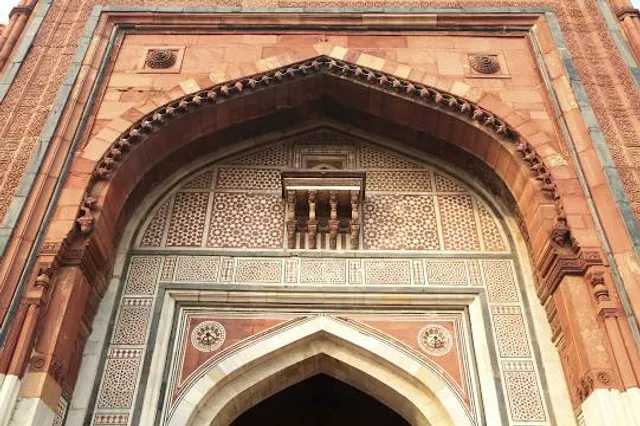
Quila-i-Kuhna Mosque
4.4
(127)
Closed
Click for details
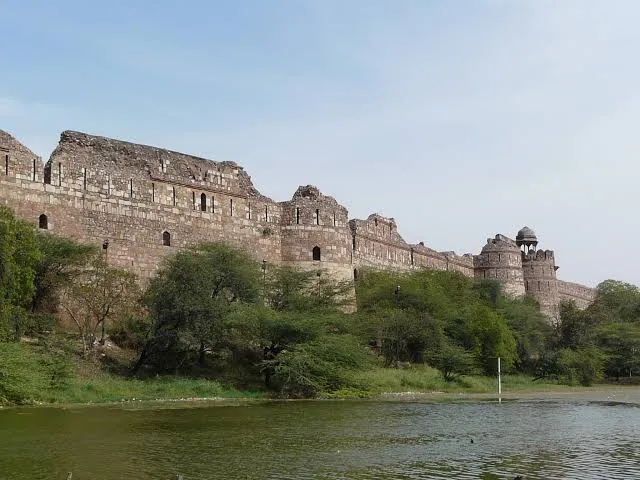
Purana Quila
4.2
(123)
Closed
Click for details
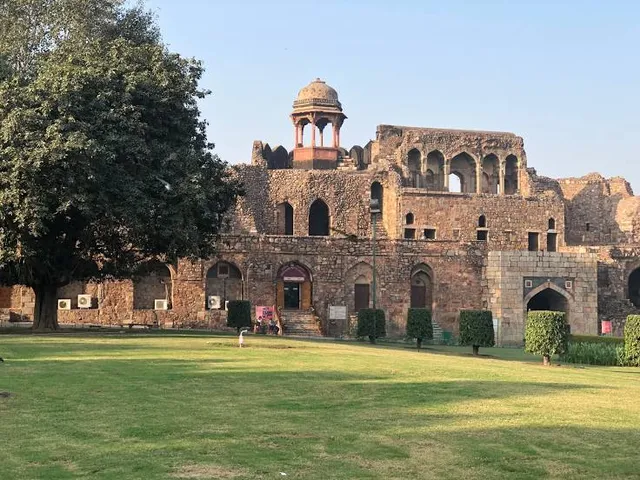
Archaeological Museum
4.2
(265)
Closed
Click for details
Nearby restaurants of Sher Mandal
Delhi Zoo Canteen
Cafe Lota
Science Centre Canteen
Hotel Jobs In India I Hotel Careers, Hospitality Jobs Portal, Indian Hotel Jobs
Babu Shahi Bawarchi
Kamal's Sweets
Nathus Sweets
Matka Peer Golden Biryani
Bombay Bhelpuri Sevpuri
La Croûte - Global Cuisine Restaurant & Pie Room
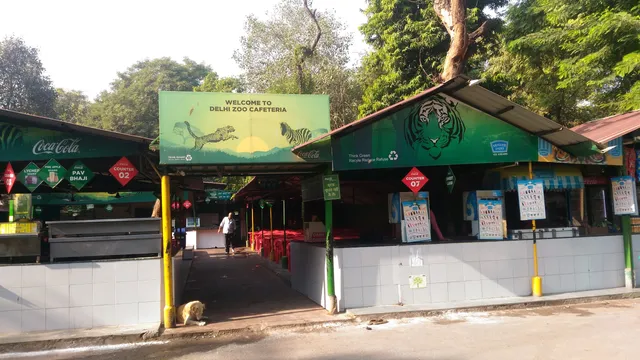
Delhi Zoo Canteen
3.6
(1.1K)
Closed
Click for details
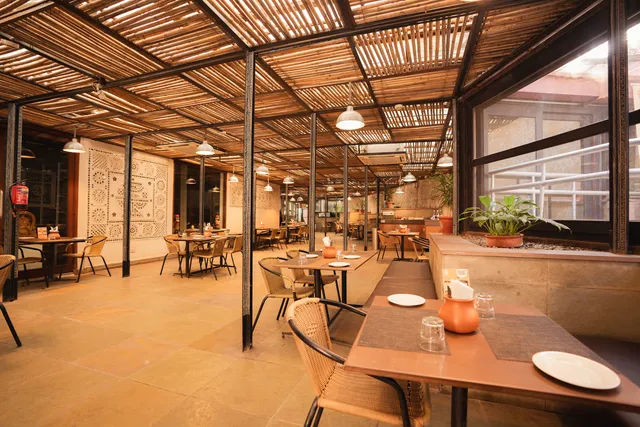
Cafe Lota
4.4
(1.9K)
$$
Closed
Click for details
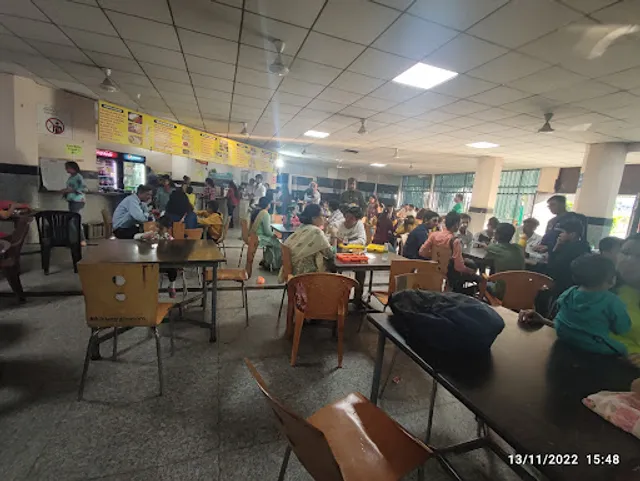
Science Centre Canteen
3.9
(279)
Open until 5:30 AM
Click for details

Hotel Jobs In India I Hotel Careers, Hospitality Jobs Portal, Indian Hotel Jobs
3.8
(10)
Open until 12:00 AM
Click for details
Nearby local services of Sher Mandal
Purana Quila, Delhi
National Zoological Park, Delhi
Zoo Park
Delhi Zoo
3D Show
Pragati Maidan
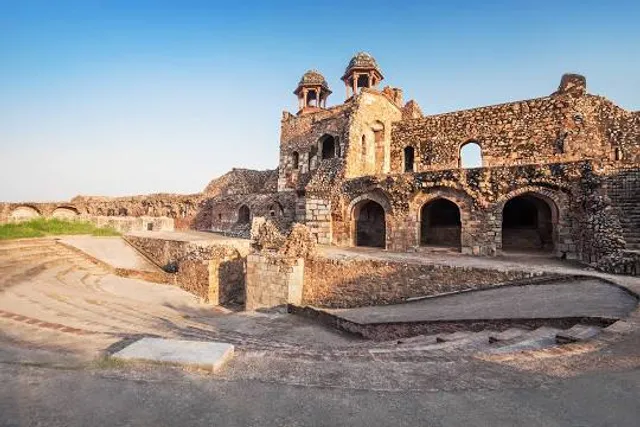
Purana Quila, Delhi
4.2
(11.6K)
Click for details
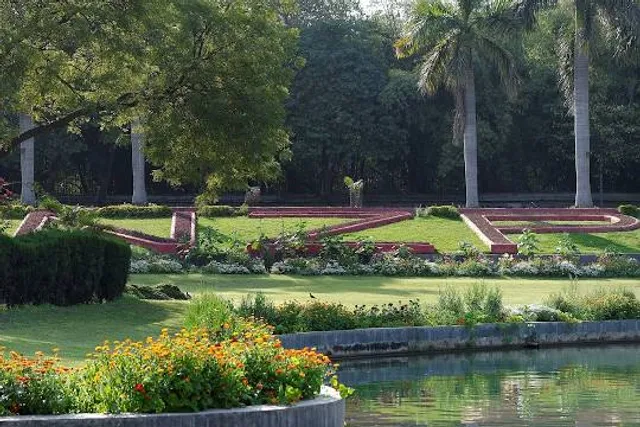
National Zoological Park, Delhi
4.1
(15K)
Click for details
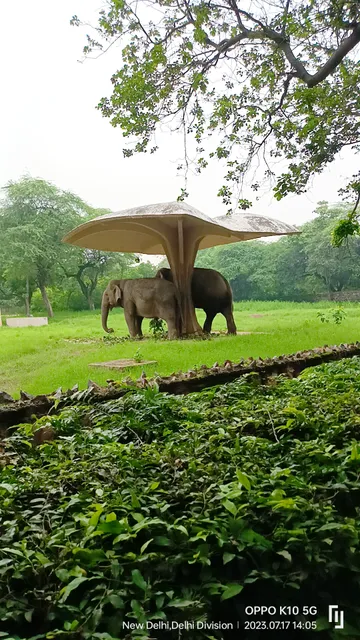
Zoo Park
4.1
(464)
Click for details
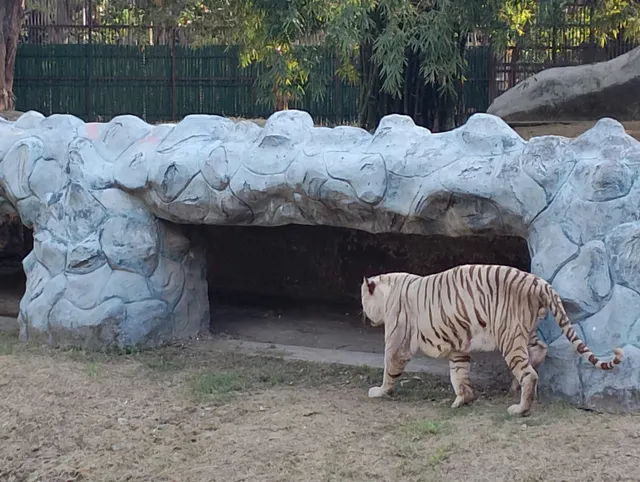
Delhi Zoo
4.1
(33)
Click for details