Before the development of clearly defined ports, mariners were guided by fires built on hilltops. Since raising the fire would improve the visibility, placing the fire on a platform became a practice that led to the development of the lighthouse. In antiquity, the lighthouse functioned more as an entrance marker to ports than as a warning signal for reefs and promontories, unlike many modern lighthouses. The most famous lighthouse structure from antiquity was the Pharos of Alexandria, Egypt, although it collapsed during an earthquake centuries later.
The intact Tower of Hercules at A Coruña, Spain gives insight into ancient lighthouse construction; other evidence about lighthouses exists in depictions on coins and mosaics, of which many represent the lighthouse at Ostia. Coins from Alexandria, Ostia, and Laodicea in Syria also exist.
Modern construction[edit] The modern era of lighthouses began at the turn of the 18th century, as lighthouse construction boomed in lockstep with burgeoning levels of transatlantic commerce. Advances in structural engineering and new and efficient lighting equipment allowed for the creation of larger and more powerful lighthouses, including ones exposed to the sea. The function of lighthouses shifted toward the provision of a visible warning against shipping hazards, such as rocks or reefs.
Winstanley's lighthouse at the Eddystone Rocks marked the beginning in a new phase of lighthouse development. The Eddystone Rocks were a major shipwreck hazard for mariners sailing through the English Channel.[1] The first lighthouse built there was an octagonal wooden structure, anchored by 12 iron stanchions secured in the rock, and was built by Henry Winstanley from 1696 to 1698. His lighthouse was the first tower in the world to have been fully exposed to the open sea.[2]
The civil engineer, John Smeaton, rebuilt the lighthouse from 1756–59;[3] his tower marked a major step forward in the design of lighthouses and remained in use until 1877. He modelled the shape of his lighthouse on that of an oak tree, using granite blocks. He rediscovered and used "hydraulic lime," a form of concrete that will set under water used by the Romans, and developed a technique of securing the granite blocks together using dovetail joints and marble dowels.[4] The dovetailing feature served to improve the structural stability, although Smeaton also had to taper the thickness of the tower towards the top, for which he curved the tower inwards on a gentle gradient. This profile had the added advantage of allowing some of the energy of the waves to dissipate on impact with the walls. His lighthouse was the prototype for the modern lighthouse and influenced all subsequent...
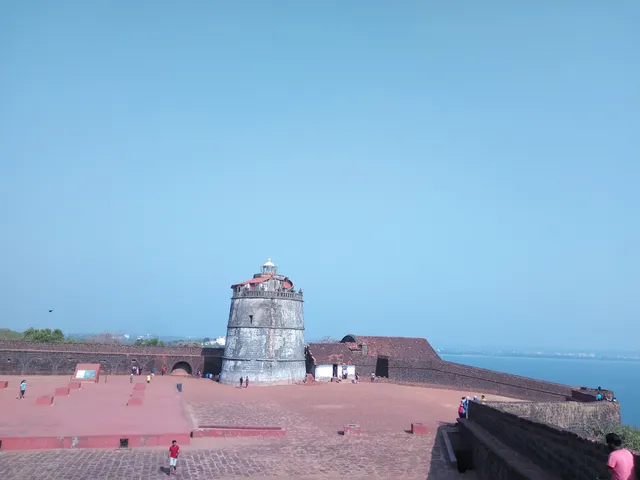
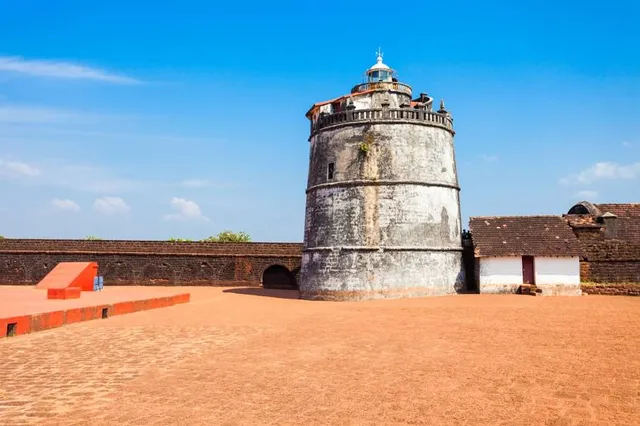
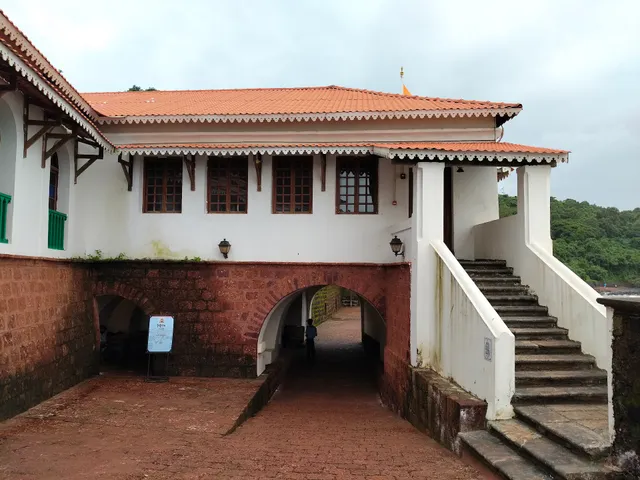
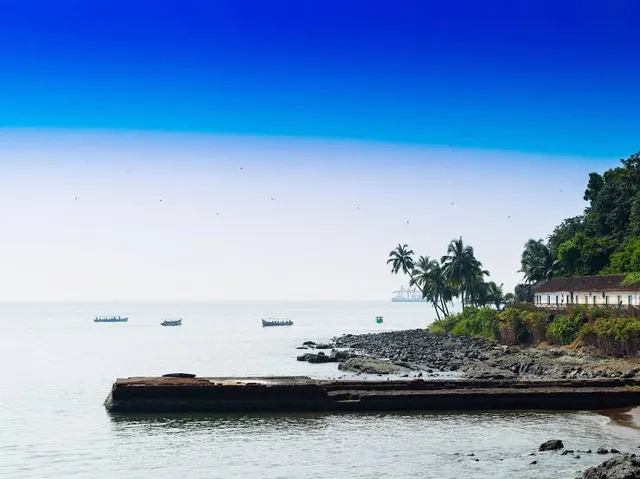
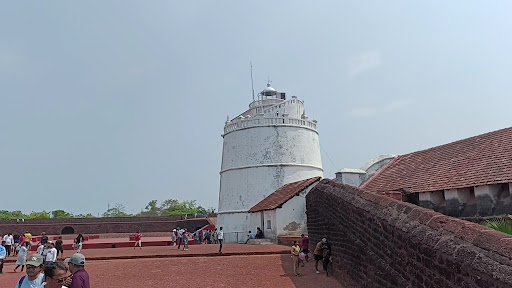
Read moreNice view point Constructed in 1612 to guard against the Dutch and the Marathas. The fort stands on the beach south of Candolim, at the shore of the Mandovi River. On the fort stands a four-storey Portuguese lighthouse, erected in 1864. Fort is divided in two segments: the upper part acted as fort and watering station.Its a historical place which is now defunct. It is fort built overlooking mandovi river. Nice scenery. But the pathways are broken and little dodgy for Elderly and young kids Make sure you wear comfertable shoes when visiting this place. Visit it early mornings or late evening to have the best experience. Its too warm in afternoon as there are no shades here.The famous fort Aguada - that was seen in Aamir Khan's Dil Chahata Hai song is one of the best tourist spots one should not miss while in Goa. The fort is not big but it has lots of inscription on the small pillars which are found spread over the fresh water storage tank. This tank used to store fresh water and was used by the ships set for sail. It has light house which is not open for public to climb up. The spots is worth visiting during the evening and sunset hours. It is very near from Calangute.Portuguese Era Lighthouse - A Must Visit Place Fort Aguada & its Lighthouse is a very famous part of Goa tour itinerary. It is situated opposite of the Miramar Beach Bay, on the hill above Sinquerim village, North Goa ...... The road view is very scenic while travelling to the fort. The abandoned lighthouse is located inside Fort Aguada. The name AGUADA means 'water'.... this fort has been gifted with a year long fresh water spring and acted as a basin for holding fresh water for shipping lines during Portuguese era. There is also a huge water reservoir within the fort which was used to store & refill fresh water for ships. The walks around from the lighthouse to the edge of the cliff are amazing !!! Breathtaking views of Arabian sea.... Nice breeze.... Exotic atmosphere.... You need to experiance it ..... An ideal place for photography lovers.
One can also visit the Aguada Jail (mostly under lock & key) on the return leg.
I recommend to visit this place either early morning or late afternoon. Carry enough drinking water with you. Note, the fort closes at 6:00 pm....
Over - all, a must visit...
Read morelet’s dive deep into the fascinating story of Fort Aguada and its Lighthouse in Goa 🏰🌊
🕰️ Historical Significance Built in 1612 by the Portuguese to guard against Dutch and Maratha invasions. Named from the Portuguese word “água” meaning water — the fort had a freshwater spring that supplied ships. It was a multi-functional structure: a military outpost, a water reservoir, and a lighthouse all rolled into one.
🌊 Strategic Location Overlooks the confluence of the Mandovi River and the Arabian Sea. Located near Sinquerim Beach, about 18 km from Panjim and 12 km from Calangute. The fort spans the entire Bardez peninsula, making it one of the most important Portuguese strongholds in Goa.
🏯 Architectural Marvel Constructed using laterite stone, which is abundant in Goa and highly durable. Features include: A moat and gunpowder room A secret escape tunnel Bastions on three sides and a river-facing gate on the fourth.
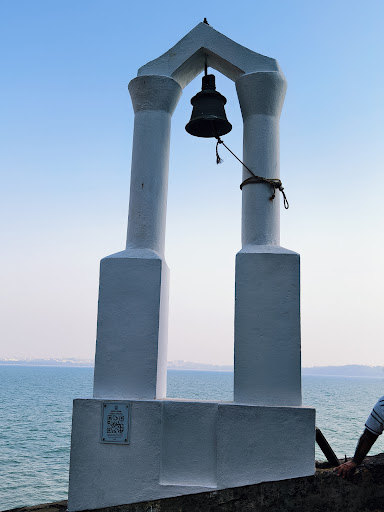
💡 The Lighthouse Built in 1864, it is Asia’s oldest lighthouse. Originally used oil lamps that flashed every 7 minutes, later upgraded to every 30 seconds. The original lighthouse was decommissioned in 1976 and replaced with a newer one nearby. A bell from the lighthouse was moved to Panaji’s Our Lady of Immaculate Conception Church.
🚰 Water Reservoir The fort housed a massive cistern capable of storing 2.3 million gallons of water — one of the largest in Asia at the time. This made it a vital replenishment stop for ships navigating the Arabian Sea.
🏛️ Prison & Patriotism Part of the fort was converted into Aguada Jail, Goa’s largest prison (not open to tourists). A memorial statue honors Goa’s freedom fighters, with a ceremony held every June 18th to commemorate their struggle.
📸 Travel Tips & Nearby Attractions Best time to visit: November to February; early morning or late afternoon for cooler weather. Entry fee: Free Nearby spots: Candolim Beach, Chapora Fort, Reis Magos Fort, Calangute & Baga Beaches. Photography: Ideal for sunset views, colonial architecture, and...
Read more