Ahmedabad Ni Gufa things to do, attractions, restaurants, events info and trip planning
Basic Info
Ahmedabad Ni Gufa
2GPX+GW6, Kasturbhai Lalbhai Campus Opp Gujarat University campus, CEPT campus, Navrangpura, Ahmedabad, Gujarat 380009, India
4.3(1.4K)
Open until 8:00 PM
Save
spot
spot
Ratings & Description
Info
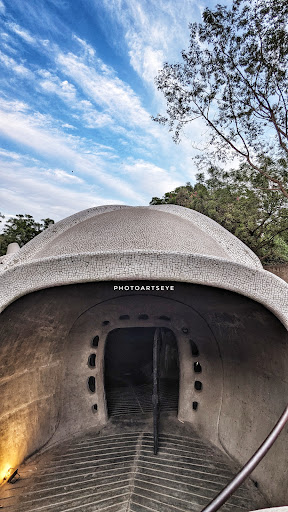
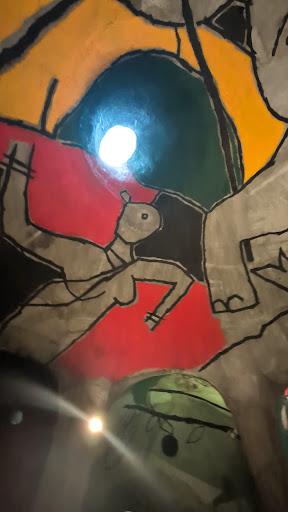
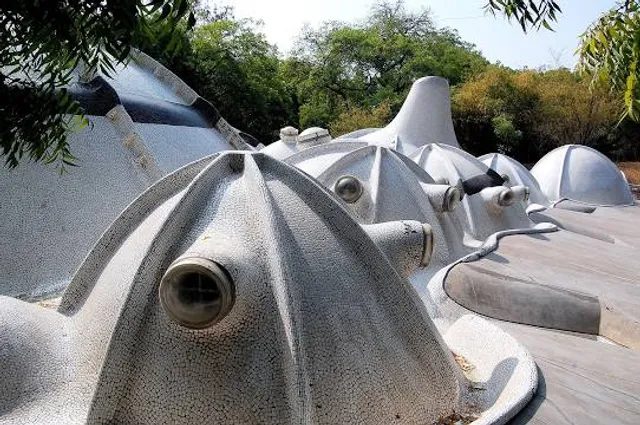
Amdavad ni Gufa is an underground art gallery in Ahmedabad, India. Designed by the architect Balkrishna Vithaldas Doshi, it exhibits works of the Indian artist Maqbool Fida Husain. The gallery represents a unique juxtaposition of architecture and art.
Cultural
Family friendly
attractions: NC Mehta Gallery,, Lalbhai Dalpatbhai Museum, Archer Art Gallery, restaurants: Zen Cafe, TORITOS CAFE TIME, SUPERDONUTS | THE AMERICAN EATERY, Yanki Sizzlerr, CEPT- KHAO GALI, Ristretto Behind The Rods, HL Vadapav, Brewgarten, 7Violettes, Just Live Restaurant, local businesses: Shree Siddhivinayak Ganpati Mandir, H L College of Commerce, Flamingo Transworld Pvt. Ltd., Narayan Park, Global Colliance - Best Student Visa, Study Abroad Education, Foreign Education, Overseas Education Consultants in Ahmedabad, R K Gola, Envision Overseas Education Consultants - Ahmedabad, Ashmi Shopping Centre, H.M.SHAH CLASSES - Best Company Secretary coaching classes in Ahmedabad, Mehta Sweet Mart
 Learn more insights from Wanderboat AI.
Phone
+91 79 2630 8698
Open hoursSee all hours
Fri4 - 8 PMOpen
Plan your stay

Pet-friendly Hotels in Gujarat
Find a cozy hotel nearby and make it a full experience.

Affordable Hotels in Gujarat
Find a cozy hotel nearby and make it a full experience.

The Coolest Hotels You Haven't Heard Of (Yet)
Find a cozy hotel nearby and make it a full experience.

Trending Stays Worth the Hype in Gujarat
Find a cozy hotel nearby and make it a full experience.
Reviews
Live events

Scaling Businesses with HRTech - Ahmedabad Edition
Fri, Feb 27 • 10:30 AM
Ahmedabad, Gujarat
View details
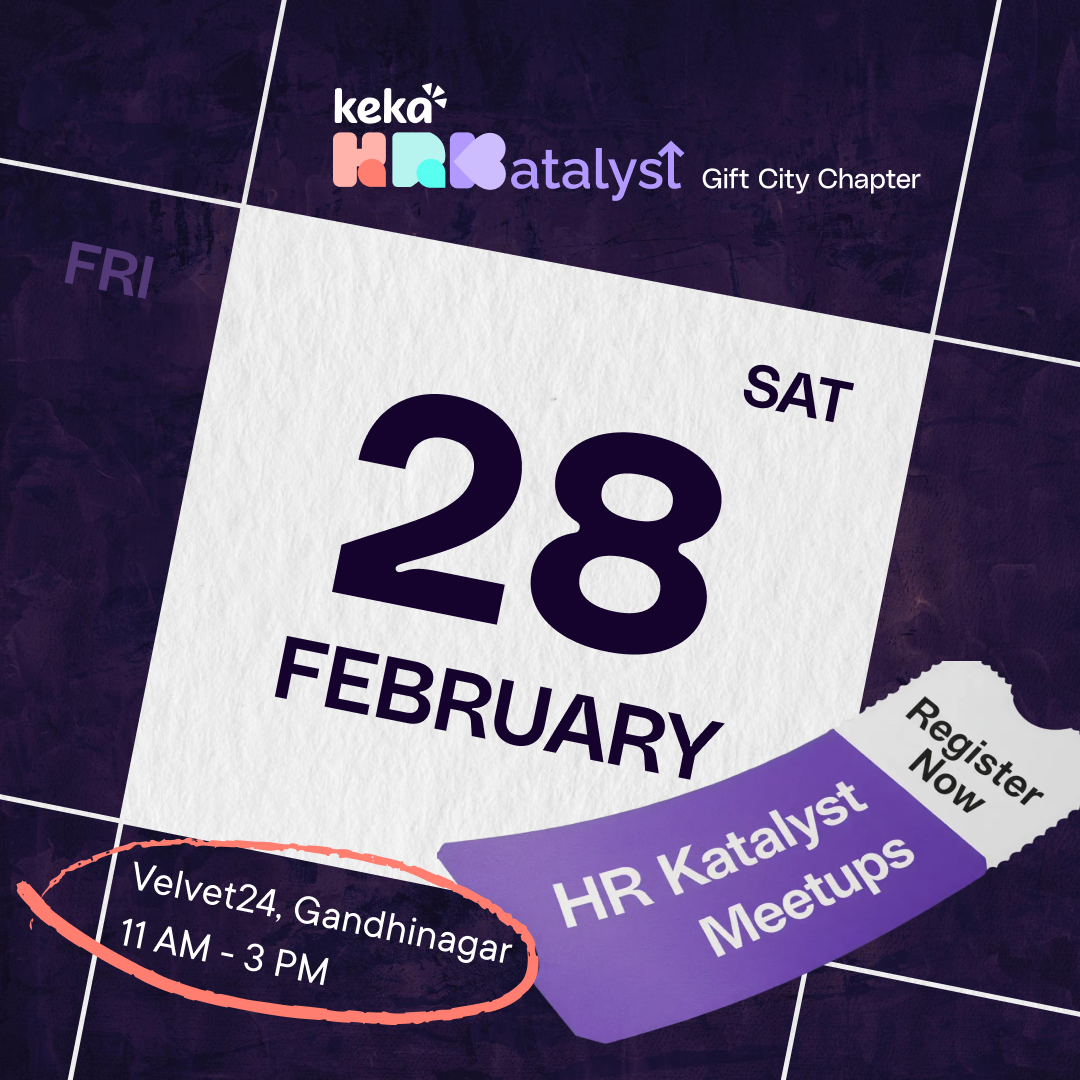
Keka HR Katalyst - GIFT City Meetups
Sat, Feb 28 • 5:30 AM
Velvet 24 Multicuisine Restaurant And Banquet, 1 st Floor, Radhe Infinity Complex, above HDFC Bank, near Raksha Shakti Circle, Randesan, Gandhinagar, Gujarat 382426, India
View details

Design Domination Ahmedabad
Sun, Mar 1 • 6:30 AM
Aubergine Solutions Pvt. Ltd., A2, Tenth Floor, Safal Profitaire, Corporate Rd, Prahlad Nagar, Ahmedabad, Gujarat 380015, India
View details
Nearby attractions of Ahmedabad Ni Gufa
NC Mehta Gallery,
Lalbhai Dalpatbhai Museum
Archer Art Gallery
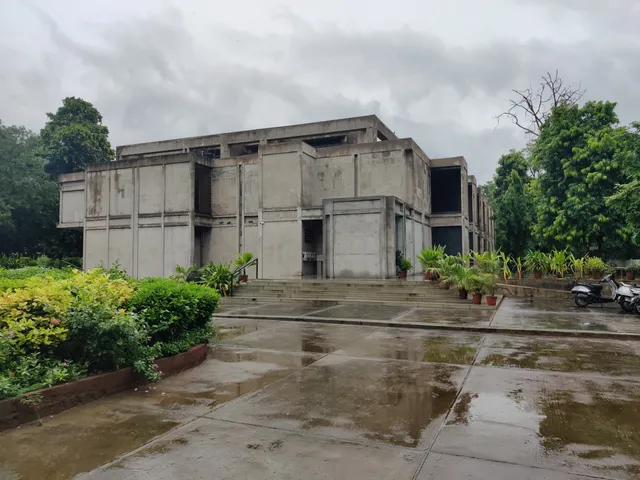
NC Mehta Gallery,
4.6
(26)
Closed
Click for details
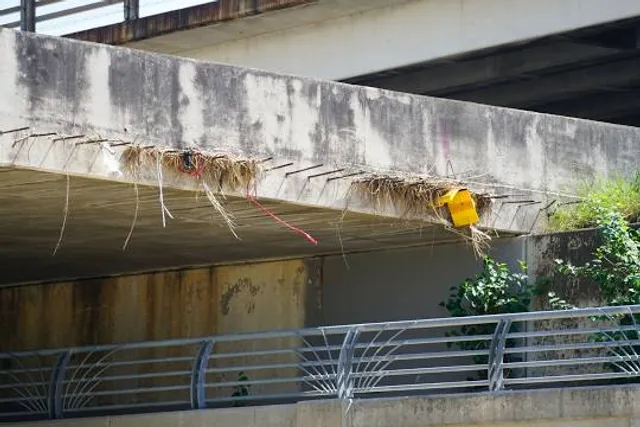
Lalbhai Dalpatbhai Museum
4.6
(26)
Closed
Click for details
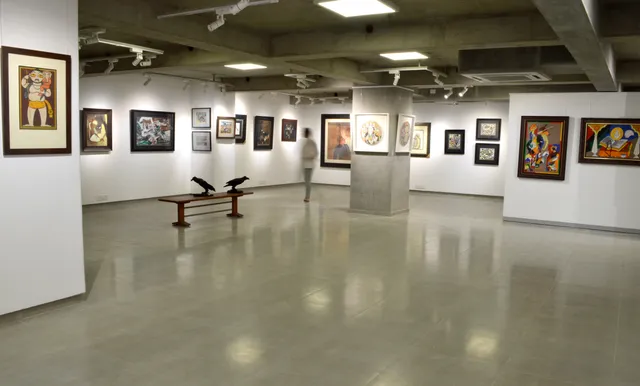
Archer Art Gallery
4.6
(123)
Open until 7:00 PM
Click for details
Nearby restaurants of Ahmedabad Ni Gufa
Zen Cafe
TORITOS CAFE TIME
SUPERDONUTS | THE AMERICAN EATERY
Yanki Sizzlerr
CEPT- KHAO GALI
Ristretto Behind The Rods
HL Vadapav
Brewgarten
7Violettes
Just Live Restaurant
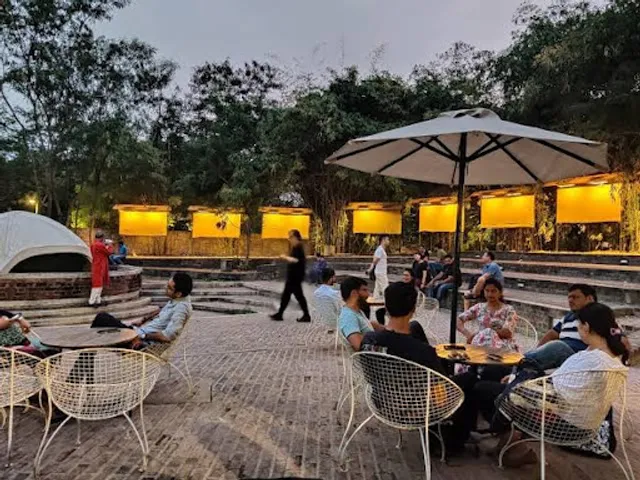
Zen Cafe
4.3
(832)
Open until 9:00 PM
Click for details
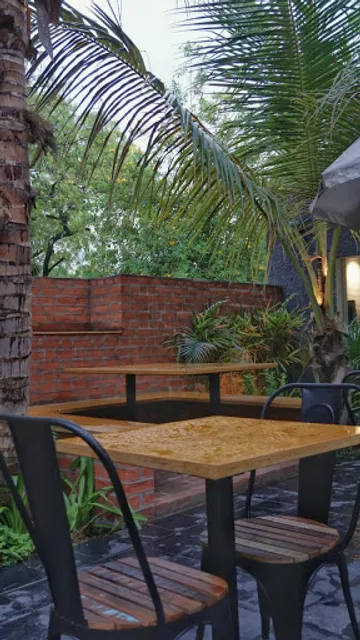
TORITOS CAFE TIME
4.4
(446)
Click for details
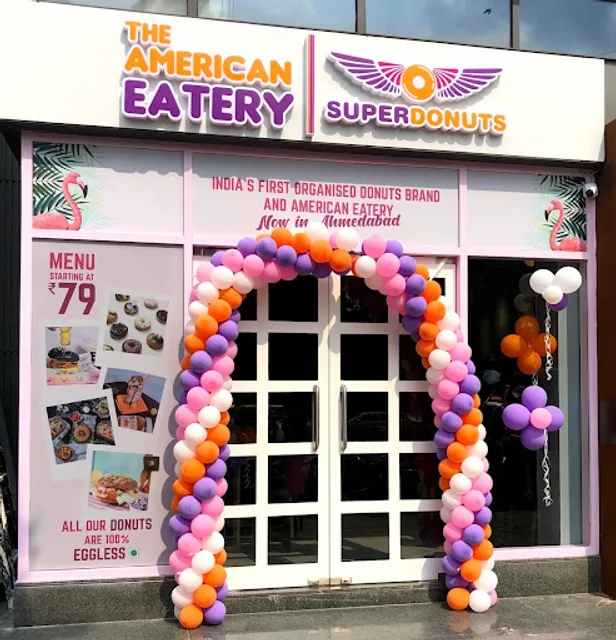
SUPERDONUTS | THE AMERICAN EATERY
4.3
(474)
Open until 1:00 AM
Click for details
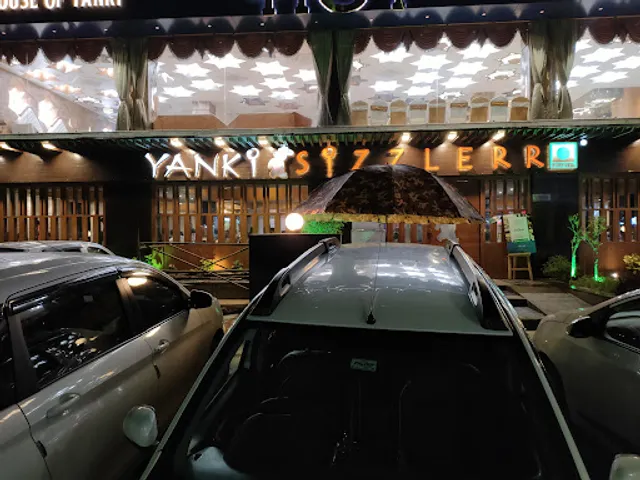
Yanki Sizzlerr
4.4
(4.4K)
$$$
Closed
Click for details
Nearby local services of Ahmedabad Ni Gufa
Shree Siddhivinayak Ganpati Mandir
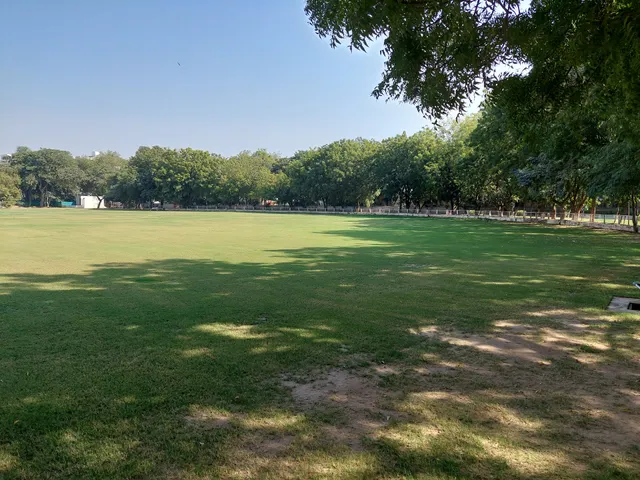
H L College of Commerce
Flamingo Transworld Pvt. Ltd.
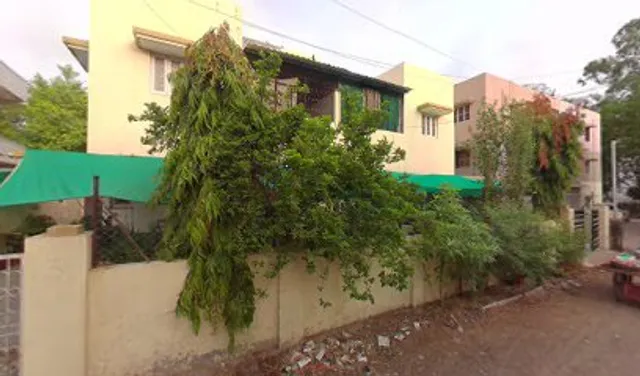
Narayan Park
Global Colliance - Best Student Visa, Study Abroad Education, Foreign Education, Overseas Education Consultants in Ahmedabad
R K Gola
Envision Overseas Education Consultants - Ahmedabad
Ashmi Shopping Centre
H.M.SHAH CLASSES - Best Company Secretary coaching classes in Ahmedabad
Mehta Sweet Mart
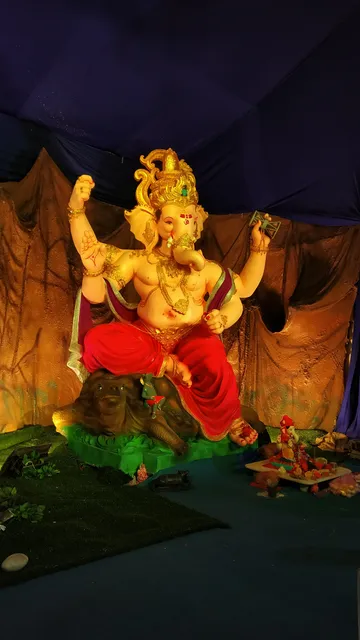
Shree Siddhivinayak Ganpati Mandir
4.7
(313)
Click for details
H L College of Commerce
4.5
(894)
Click for details

Flamingo Transworld Pvt. Ltd.
4.5
(1.2K)
Click for details
Narayan Park
4.6
(19)
Click for details