Gaekwad Haveli things to do, attractions, restaurants, events info and trip planning
Basic Info
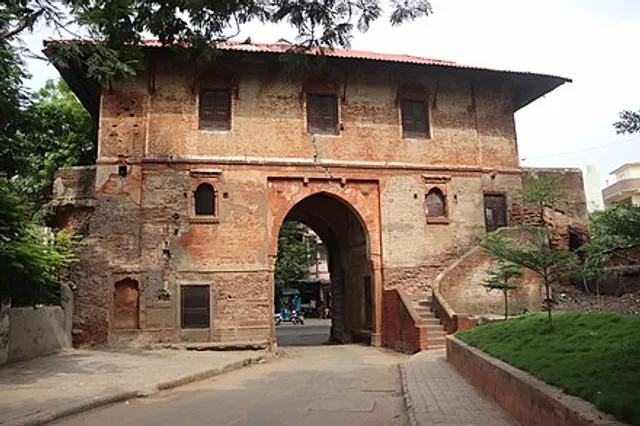
Gaekwad Haveli
2H8J+GQ8, Gaikyward haveli, Road, Old City, Tokarsha Pol, Salvi Ni Pol, Raikhad, Ahmedabad, Gujarat 380001, India
4.2(940)
Open until 9:00 PM
Save
spot
spot
Ratings & Description
Info
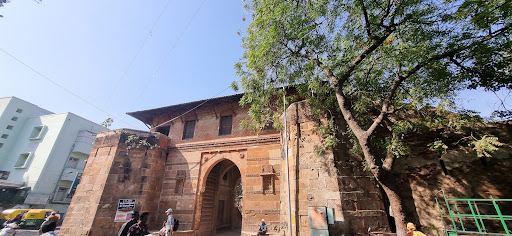
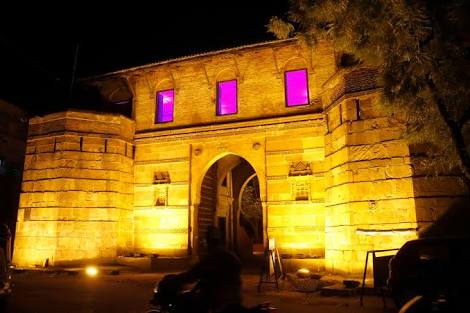
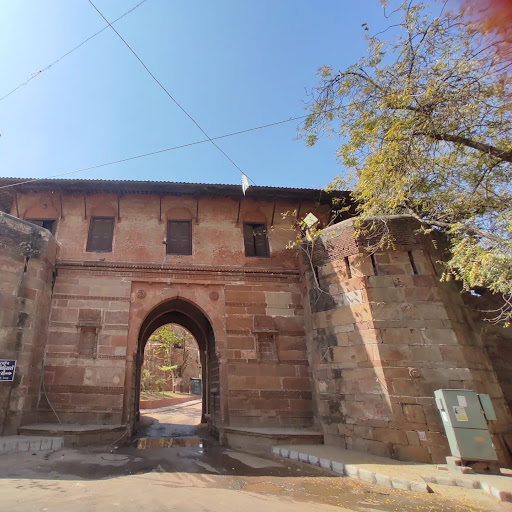
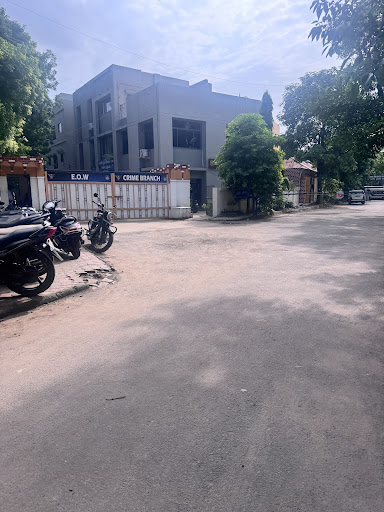
Gaekwad Haveli is a historical haveli building in Ahmedabad. It was built in 1738. It was used as a seat of Gaekwad during Maratha rule in Ahmedabad. It was later converted into barracks and arsenal under British rule. Later it was used as railway depot and police crime branch headquarters. It was restored in 2014.
Cultural
Family friendly
attractions: Jamalpur Darwaja, Shri Jagannathji Mandir Trust, Riverfront Flower Park, Lokmanya Tilak Garden Victoria Garden, Shri Bhadrakali Mata Ji Mandir, Teen Darwaza, Shahi Jam-e-Masjid LaL Darwaja, Magen Abraham Synagogue, Rani Sipri Ki Masjid, Alif Ki Masjid Bhadra, restaurants: New Royal Bakery, Arabian Hub, Shahealm Restaurant, IQBAL BAKERY, My Tandoor Restaurant, Realકચ્છી Dabeli & Vadapav( OldName :- Karnavati dabeli & vadapav), Anwar e Hilal Restaurant, New Ahmedabad City Bakery, Faruk fry Centre, Bera samosa centre, local businesses: Atal Foot Over Bridge, Flower Park Riverfront, Bansilal Pendawala
 Learn more insights from Wanderboat AI.
Website
heritage.ahmedabadcity.gov.in
Open hoursSee all hours
Wed10 AM - 9 PMOpen
Plan your stay

Pet-friendly Hotels in Gujarat
Find a cozy hotel nearby and make it a full experience.

Affordable Hotels in Gujarat
Find a cozy hotel nearby and make it a full experience.

The Coolest Hotels You Haven't Heard Of (Yet)
Find a cozy hotel nearby and make it a full experience.

Trending Stays Worth the Hype in Gujarat
Find a cozy hotel nearby and make it a full experience.
Reviews
Live events

Reslink Solar EPCs Meetup <> InterSolar
Wed, Feb 25 • 2:30 PM
Elysium Restaurant & Banquet, The Landmark, B104-105, Kudasan, Gandhinagar, Gujarat 382419, India
View details

D2C superconnect | Ahmedabad mixer
Thu, Feb 26 • 12:00 PM
Ahmedabad, Gujarat
View details
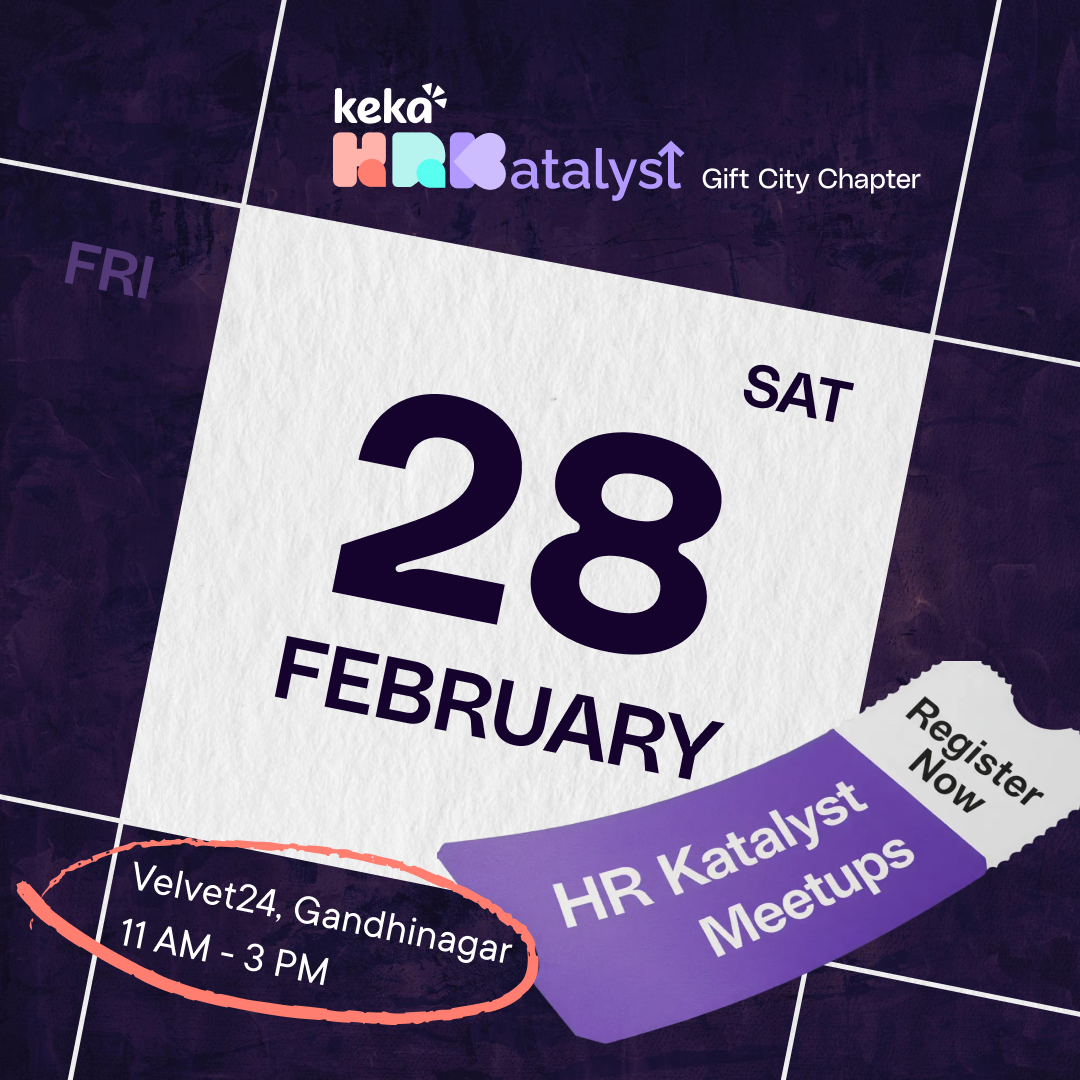
Keka HR Katalyst - GIFT City Meetups
Sat, Feb 28 • 5:30 AM
Velvet 24 Multicuisine Restaurant And Banquet, 1 st Floor, Radhe Infinity Complex, above HDFC Bank, near Raksha Shakti Circle, Randesan, Gandhinagar, Gujarat 382426, India
View details
Nearby attractions of Gaekwad Haveli
Jamalpur Darwaja
Shri Jagannathji Mandir Trust
Riverfront Flower Park
Lokmanya Tilak Garden Victoria Garden
Shri Bhadrakali Mata Ji Mandir
Teen Darwaza
Shahi Jam-e-Masjid LaL Darwaja
Magen Abraham Synagogue
Rani Sipri Ki Masjid
Alif Ki Masjid Bhadra
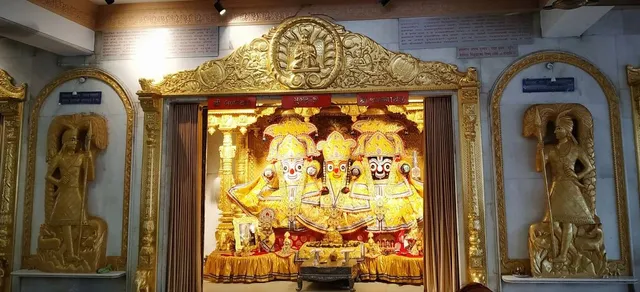
Jamalpur Darwaja
4.4
(1.9K)
Open until 11:30 PM
Click for details
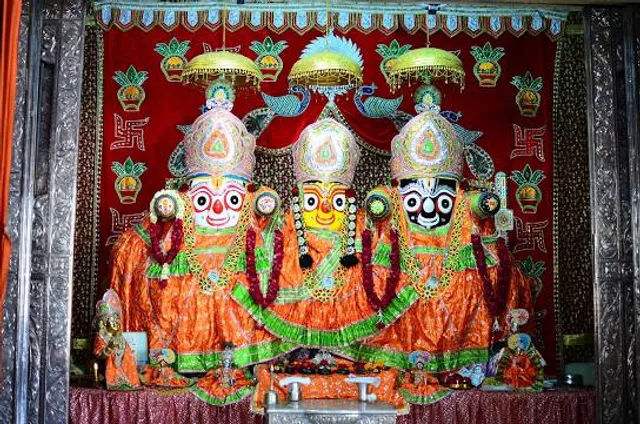
Shri Jagannathji Mandir Trust
4.8
(3.6K)
Closed
Click for details
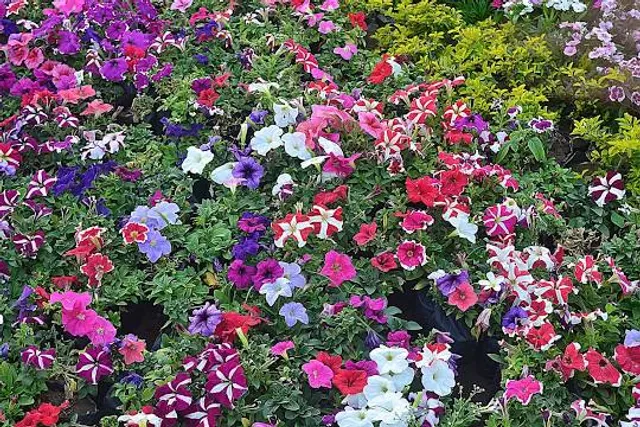
Riverfront Flower Park
4.5
(17.9K)
Open until 10:00 PM
Click for details
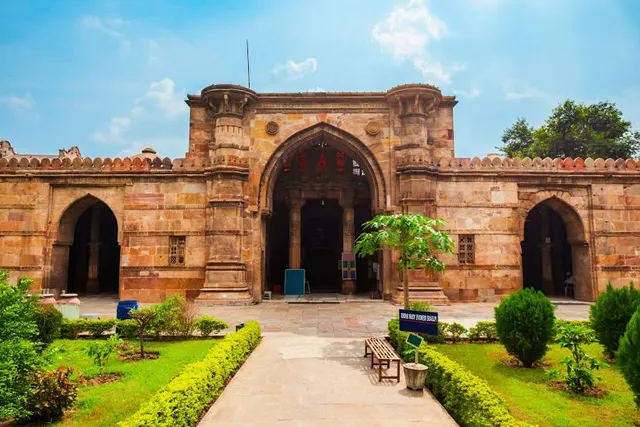
Lokmanya Tilak Garden Victoria Garden
4.3
(454)
Open until 12:00 AM
Click for details
Nearby restaurants of Gaekwad Haveli
New Royal Bakery
Arabian Hub
Shahealm Restaurant
IQBAL BAKERY
My Tandoor Restaurant
Realકચ્છી Dabeli & Vadapav( OldName :- Karnavati dabeli & vadapav)
Anwar e Hilal Restaurant
New Ahmedabad City Bakery
Faruk fry Centre
Bera samosa centre
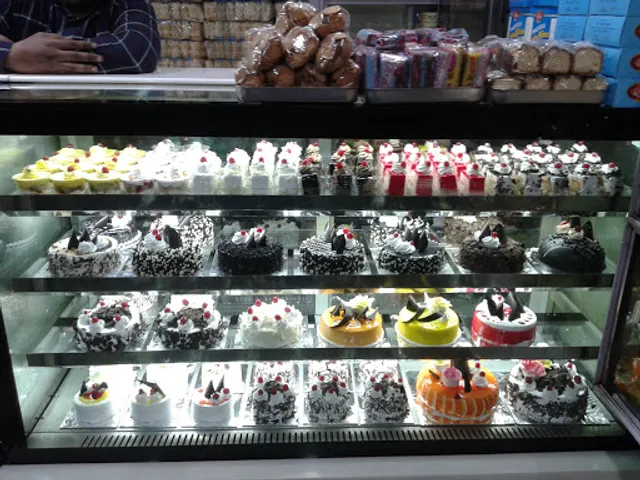
New Royal Bakery
4.3
(90)
Open until 11:00 PM
Click for details
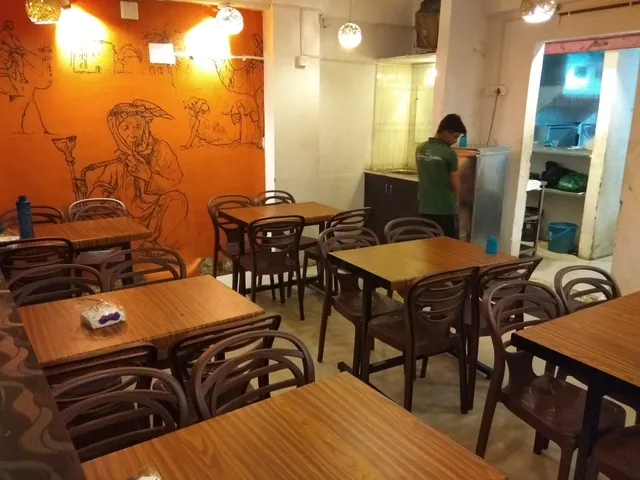
Arabian Hub
4.1
(567)
Closed
Click for details
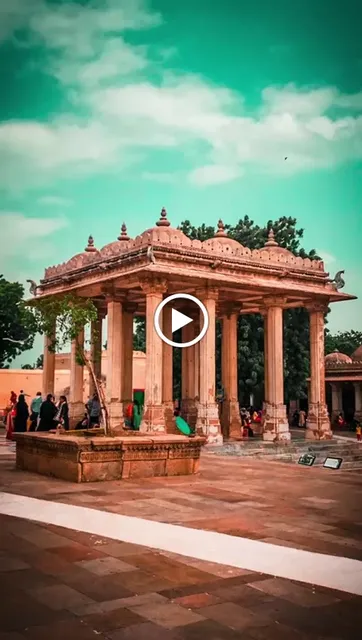
Shahealm Restaurant
4.2
(24)
Open until 11:59 PM
Click for details
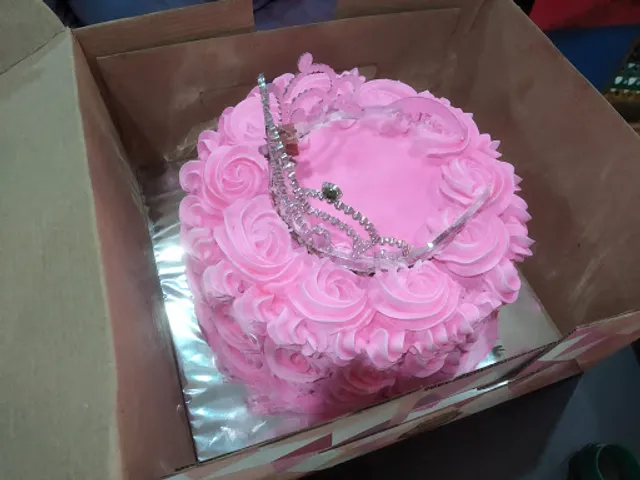
IQBAL BAKERY
5.0
(5)
Open until 10:00 PM
Click for details
Nearby local services of Gaekwad Haveli
Atal Foot Over Bridge
Flower Park Riverfront
Bansilal Pendawala
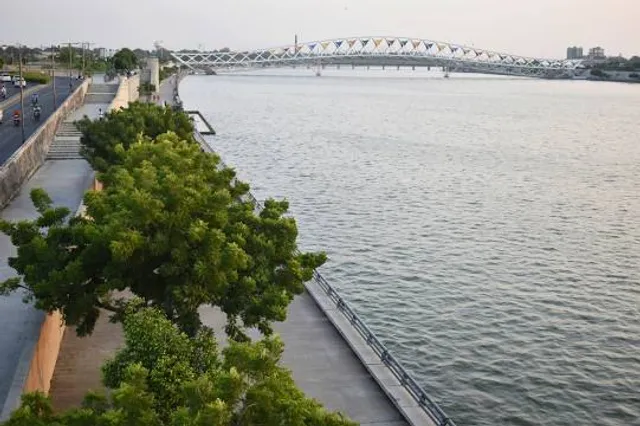
Atal Foot Over Bridge
4.5
(2.6K)
Click for details
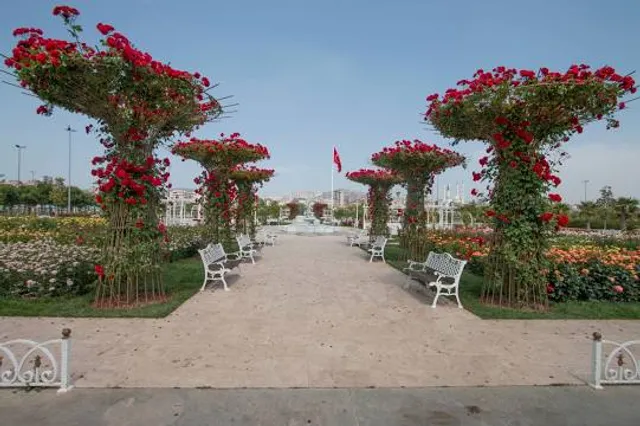
Flower Park Riverfront
4.4
(2.2K)
Click for details
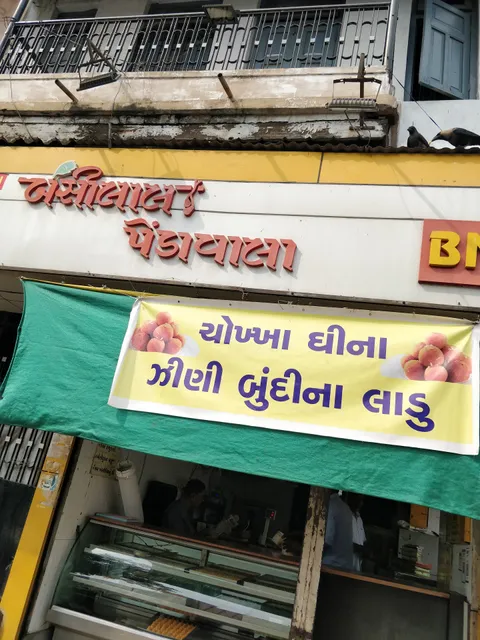
Bansilal Pendawala
4.2
(73)
Click for details