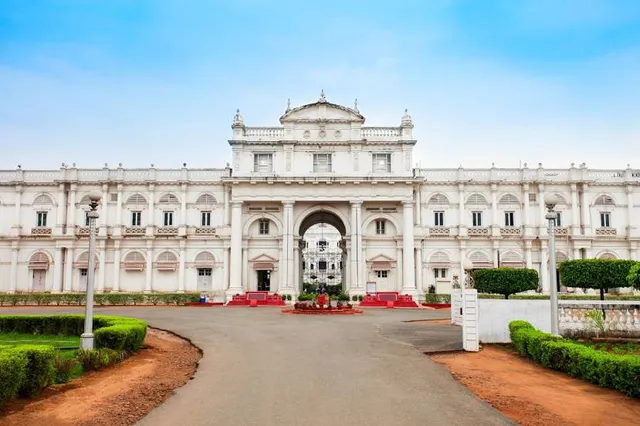
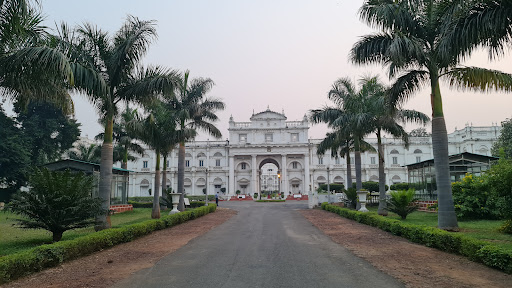
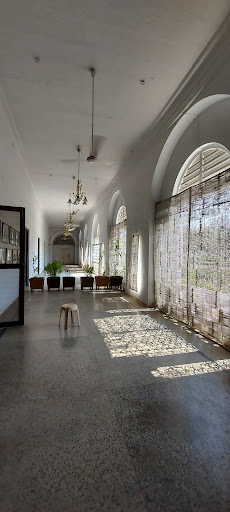
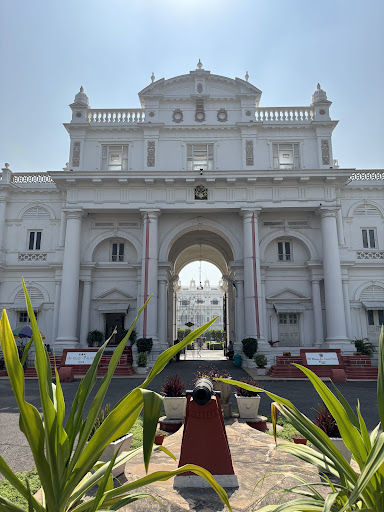
Jai Vilas Palace, also known as Scindia Palace, is a magnificent palace located in Gwalior, Madhya Pradesh, India. It was built by Maharaja Jayajirao Scindia in the 19th century and is considered to be one of the most impressive and opulent palaces in India. Spread over an area of more than 35 acres, the palace is a stunning blend of European and Indian architectural styles.
The palace is known for its grandeur and opulence, and it is an excellent example of the luxurious lifestyle of the Scindia dynasty. The palace is home to several exquisite rooms, galleries, and courtyards that reflect the rich cultural heritage of India.
One of the most impressive features of the palace is the Durbar Hall, which is decorated with intricate carvings and gold-leaf work. The hall has an elaborate ceiling, which is adorned with crystal chandeliers and is supported by massive columns. The hall also houses an ornate silver train, which was used to serve dishes during banquets.
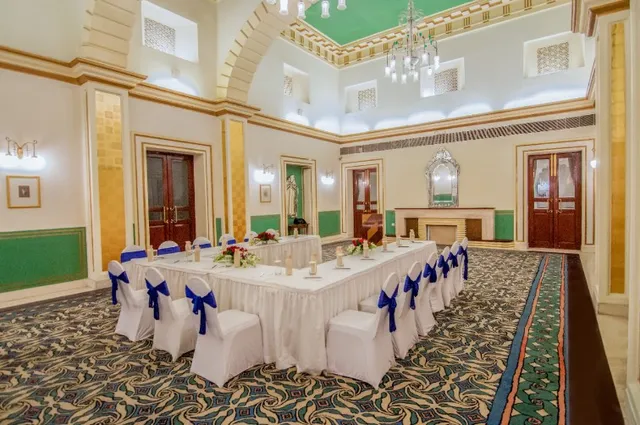
Another remarkable feature of the palace is the dining hall, which is one of the largest in Asia and can seat up to 400 guests. The hall features a massive chandelier that weighs over three tons and is said to be one of the largest in the world. The dining hall is decorated with intricate woodwork and has a silver train that was used to serve food to the guests.
The palace also has a stunning art gallery that houses an impressive collection of paintings and sculptures. The gallery features several exquisite pieces of art, including works by Raja Ravi Varma, a renowned Indian painter. The gallery also has a collection of Chinese and Japanese art and artifacts.
The palace has several other rooms and galleries that are worth exploring, including the Chitra Mandir, which is decorated with stunning murals depicting scenes from the Hindu epic, Ramayana. The palace also has a beautiful courtyard, which is surrounded by galleries that are adorned with intricate carvings.
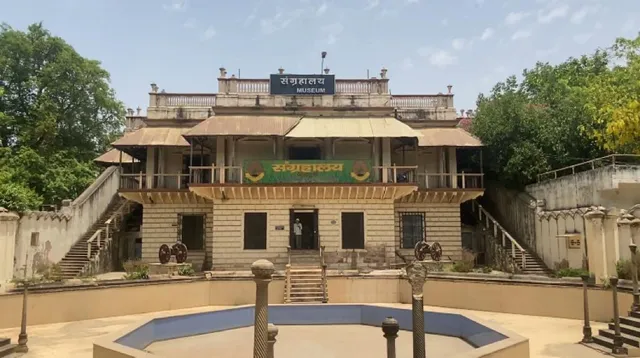
Apart from the rooms and galleries, the palace also has a museum, which is housed within the palace. The museum has a fascinating collection of artifacts, including antique furniture, weapons, and paintings. The museum also has a collection of stuffed animals, including a massive tiger, which was hunted by Maharaja Jayajirao Scindia.
In addition to the palace, the palace complex also has several other buildings, including the Shri Vilas Palace, which was built in the early 20th century and is now used as a hotel. The palace complex also has several beautiful gardens, which are adorned with fountains and sculptures.
The palace is an excellent example of the opulent lifestyle of the Scindia dynasty, and it is a testament to the rich cultural heritage of India. It is a must-visit destination for anyone interested in history, architecture, and culture, and it is sure to leave a lasting impression on all who visit.
Entry fee 300 for Indian and 850/- for non Indian people per person. Vehicle parking...
Read moreThis place is absolute a no go with a family.
While driving Directions for the destination entrance are poorly marked
Ticket counter is not properly marked so you will miss it while going in parking. People at counter are rude and do not engage in proper conversation
At entrance water is not allowed either inside, so good luck if you get thirsty or have kids as water tap inside are scarce and when available at one poorly marked place, it is dripping and is dirty so you wont like having it
Toilets are very dirty and totally mismanaged. Not properly marked either and for ladies it is down a poorly lit long secluded aisle which definitely will feel unconfortable
Tickets are checked at multiple places even after thorough checks at entrance. Good luck if you are part of a larger group
Too many gaurds who just keep whistling and distracting. Hard to view any artifact calmly, or to be honest even while climbing stairs as holding handrails is not allowed at various places. Hope you dont have aged parents with you as lifts are not available either
No proper lighting in many areas and wheel chair acces is not at all possible
For 300 Rs a ticket even for 6 year old, you should reconsider visiting if you read this review. No real historical or artistic gain through visit either, apart from getting realisation about huge amassed wealth which should have been at the expense of general public over...
The museum gives an interesting insight into the lifestyle of a powerful princely family. Portraits of the family, its family tree and its flags and insignia, dominate the foyer atop the flight of the steps from the entrance. There are also trophies of the Princes' hunting parties and a gallery of old sculptures. At the other end of the foyer there is a stairway that leads up past an indoor swimming pool to halls with a private breakfast room, dining rooms, offices, rooms with Chippendale furniture, carved blackwood furniture and the living wing of the tiny Chinkoo Raja. The Chinese room is a room with an intricate stained-glass window. A descending flight of stairs leads to a court with a crystal fountain and the royal coaches.
There is another section which holds the formal western-style as well as a formal Indian-style dining room. The is also an enormous reception area with a coffered and painted ceiling, two huge crystal chandeliers weighing three and a half tons each. To make certain that the roof could take their weight, a one kilometer ramp was built so that eight elephants could amble up and stand on the roof above. The roof held: the chandeliers were hung! On the furniture, the mouldings, the decorations on the coffered ceilings, picture frames, everywhere where good-taste dictated that it could be used, gold glittered. Five hundred and sixty kilograms of gold leaf were used in...
Read more