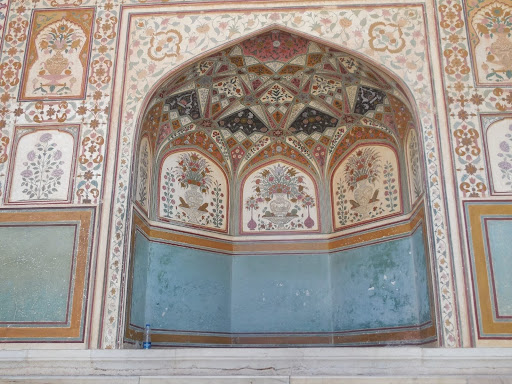
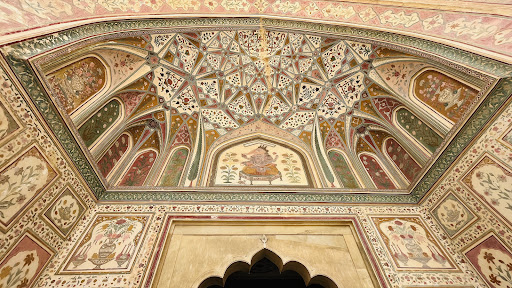
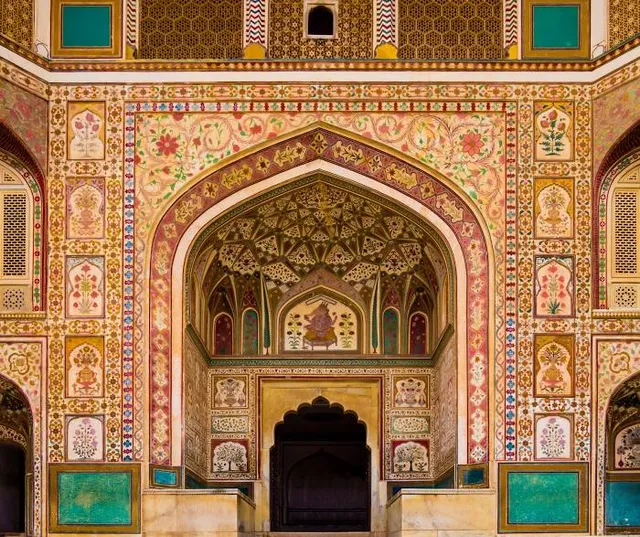
Ganesh Pol things to do, attractions, restaurants, events info and trip planning
Basic Info
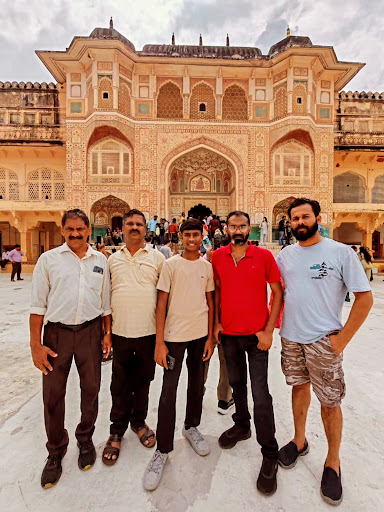
Ganesh Pol
JAIGARH FORT, Amer Road, Devisinghpura, Amer, Rajasthan 302028, India
4.6(106)
Open until 10:30 PM
Save
spot
spot
Ratings & Description
Info
Cultural
Scenic
Family friendly
Accessibility
attractions: Amber Palace, Amber Palace, Amber Palace, Sheesh Mahal Amber Fort, Amber Palace, Shila Mata Mandir Amber Fort, Dil Aaram Bagh, Gallery Artchill, Chand Pol (Moon Gate), Sukh Niwas, restaurants: 1135 AD, Cafe Coffee Day, The Stag Rooftop Restro cafe & lounge, GARH the rooftop cafe, Jagdamba Rajasthani rasoi restaurant, Royal Amer Restaurant, The Kila Garden Restaurant, Zeeman Restaurant, Royal Sheeshmahal Restaurant, THE VINTAGE KITCHEN, local businesses: Panna Meena ka Kund, Kheri Gate
 Learn more insights from Wanderboat AI.
Phone
+91 141 237 1141
Open hoursSee all hours
Tue8 AM - 10:30 PMOpen
Plan your stay

Pet-friendly Hotels in Jaipur Municipal Corporation
Find a cozy hotel nearby and make it a full experience.

Affordable Hotels in Jaipur Municipal Corporation
Find a cozy hotel nearby and make it a full experience.

The Coolest Hotels You Haven't Heard Of (Yet)
Find a cozy hotel nearby and make it a full experience.

Trending Stays Worth the Hype in Jaipur Municipal Corporation
Find a cozy hotel nearby and make it a full experience.
Reviews
Live events
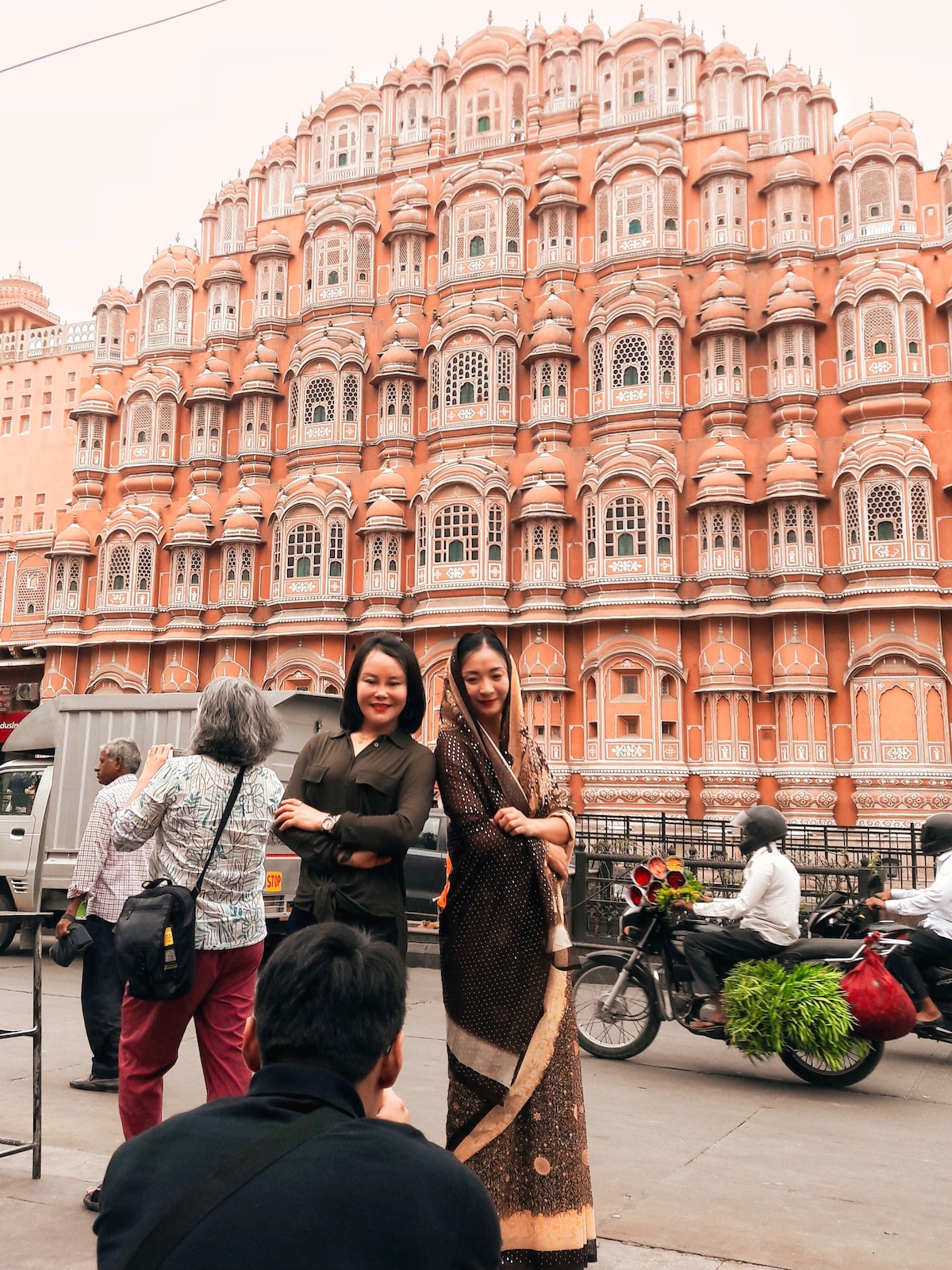
Hidden Gems of Pinkcity & Block Printing Workshop
Thu, Feb 26 • 8:00 AM
Jaipur, Rajasthan, 302001, India
View details
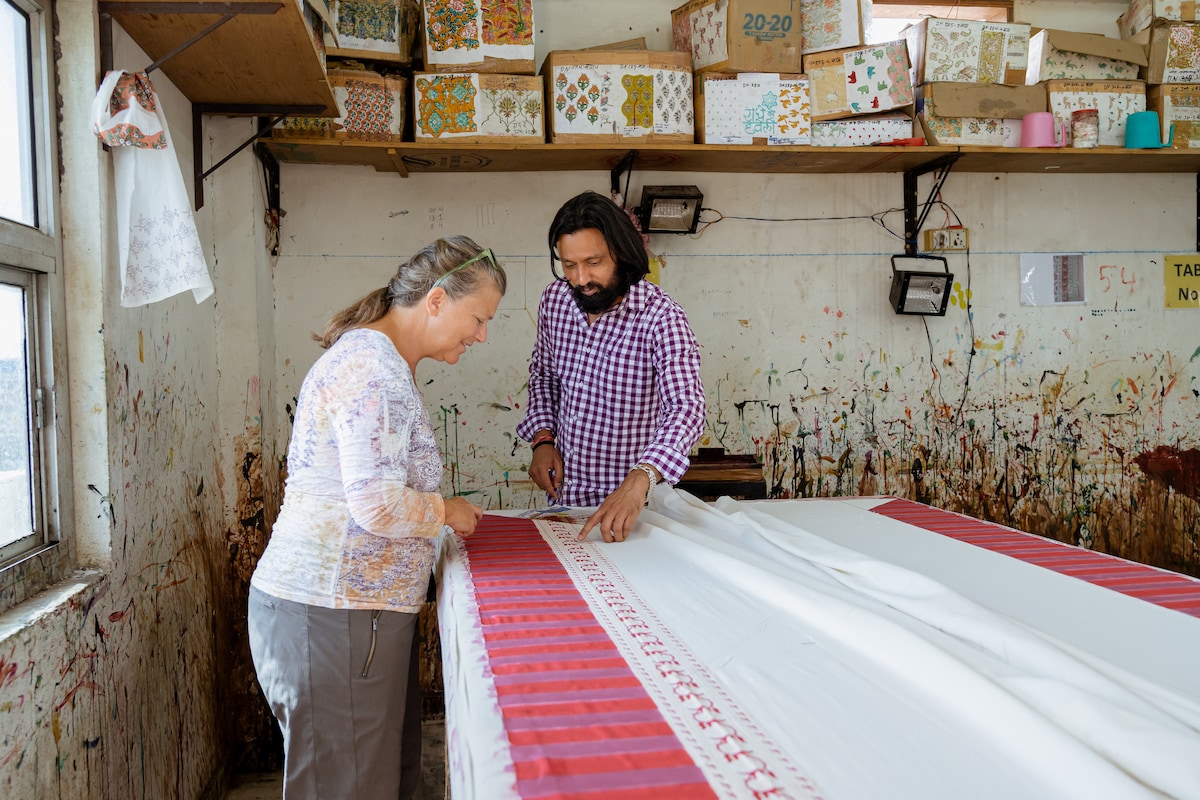
Create traditional handblock printed fabric
Tue, Feb 24 • 2:00 PM
Jaipur, Rajasthan, 302015, India
View details
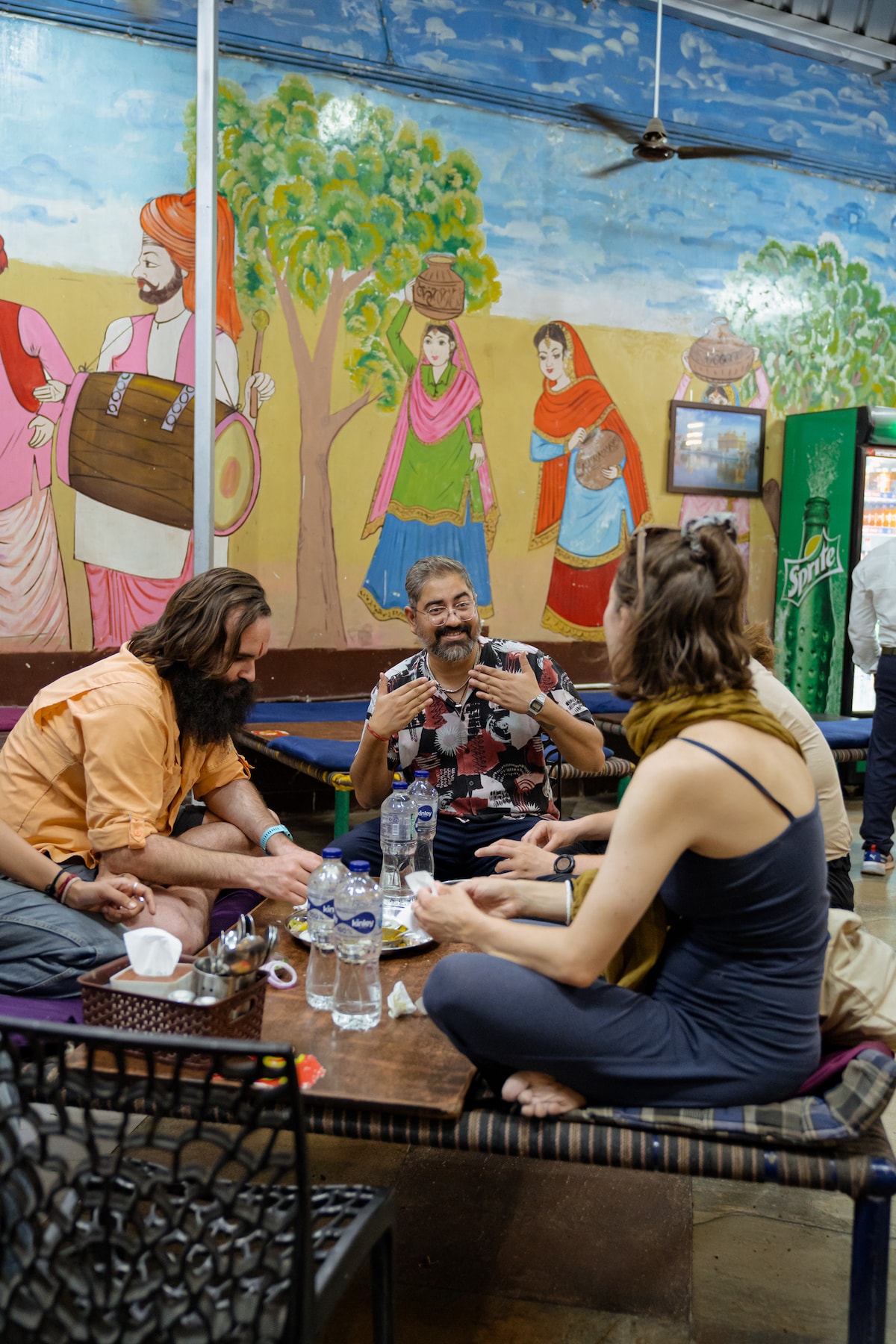
Eat like a local on Jaipur’s street food tour
Tue, Feb 24 • 6:30 PM
Jaipur, Rajasthan, 302007, India
View details
Nearby attractions of Ganesh Pol
Amber Palace
Amber Palace
Amber Palace
Sheesh Mahal Amber Fort
Amber Palace
Shila Mata Mandir Amber Fort
Dil Aaram Bagh
Gallery Artchill
Chand Pol (Moon Gate)
Sukh Niwas
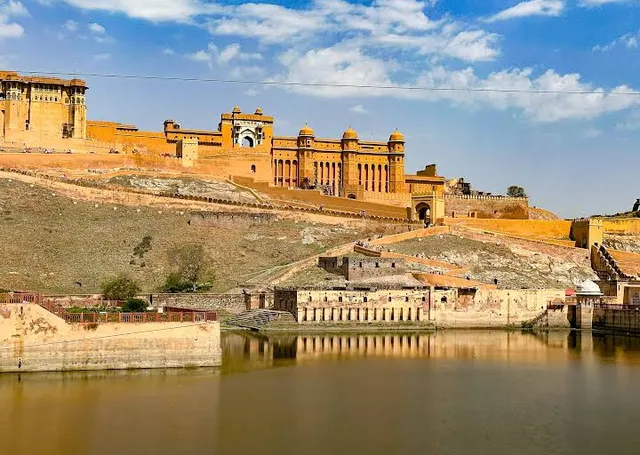
Amber Palace
4.6
(53.5K)
Open until 9:00 PM
Click for details
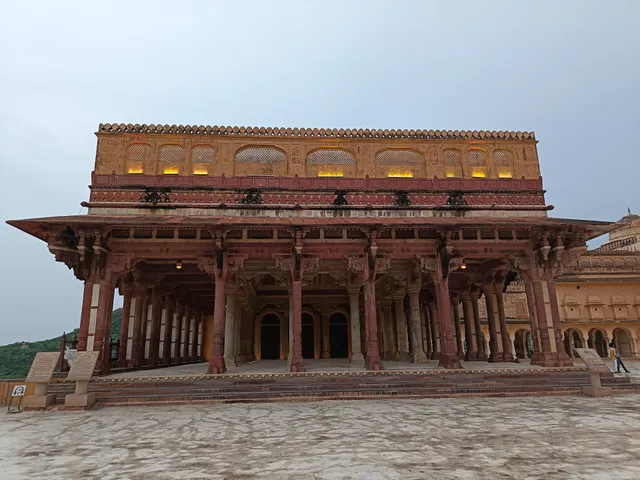
Amber Palace
4.6
(53.1K)
Open until 9:00 PM
Click for details
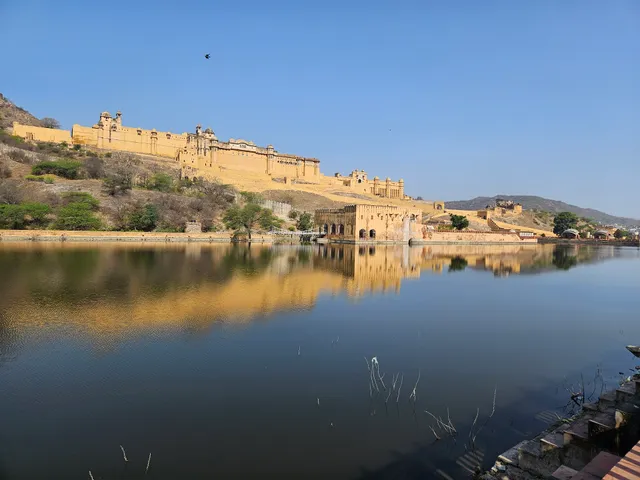
Amber Palace
4.6
(51.6K)
Open until 9:00 PM
Click for details
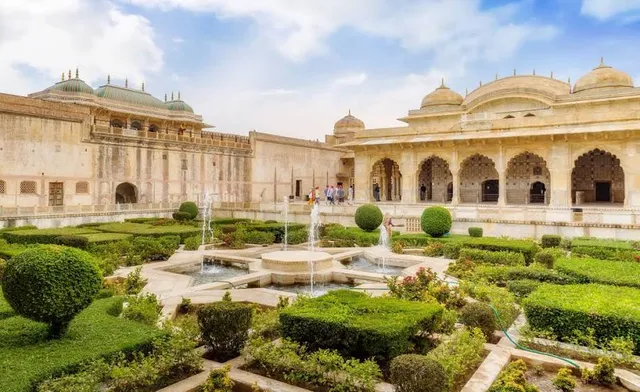
Sheesh Mahal Amber Fort
4.6
(2.8K)
Open 24 hours
Click for details
Nearby restaurants of Ganesh Pol
1135 AD
Cafe Coffee Day
The Stag Rooftop Restro cafe & lounge
GARH the rooftop cafe
Jagdamba Rajasthani rasoi restaurant
Royal Amer Restaurant
The Kila Garden Restaurant
Zeeman Restaurant
Royal Sheeshmahal Restaurant
THE VINTAGE KITCHEN
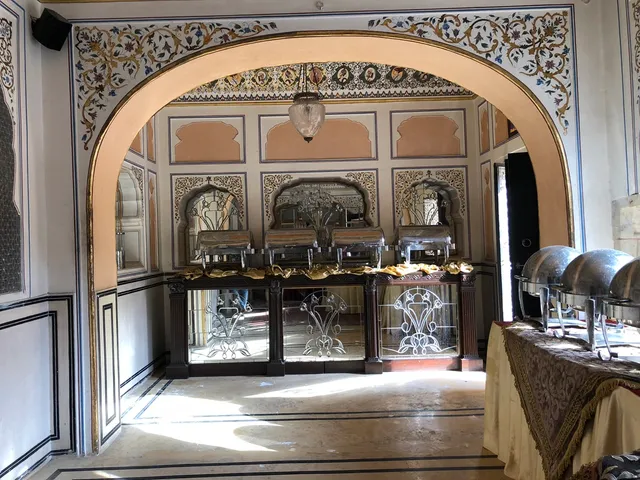
1135 AD
4.3
(912)
$$$
Open until 11:30 PM
Click for details
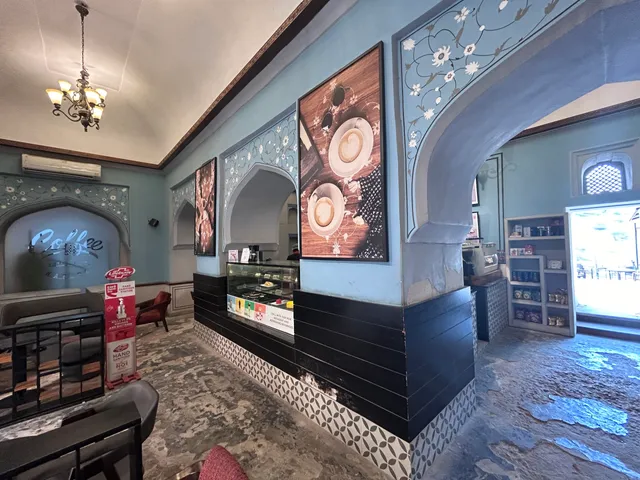
Cafe Coffee Day
3.6
(257)
Open until 8:00 PM
Click for details
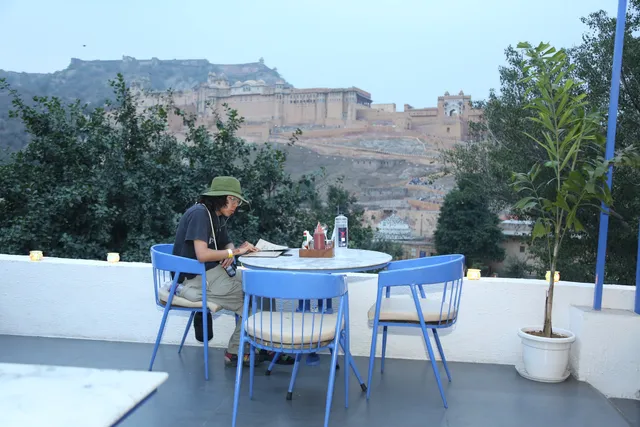
The Stag Rooftop Restro cafe & lounge
4.4
(796)
$$
Open until 11:00 PM
Click for details
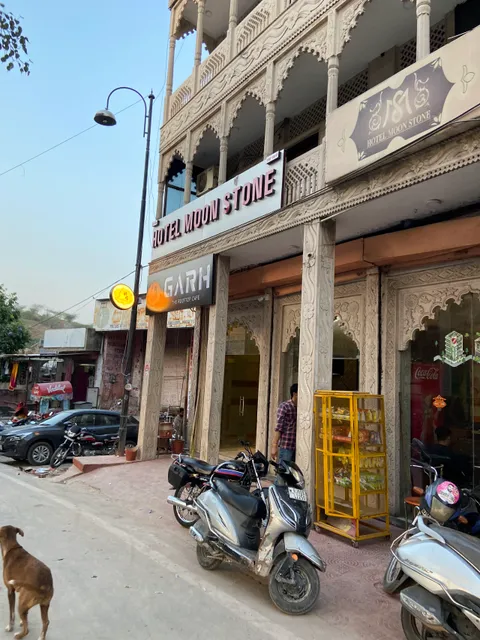
GARH the rooftop cafe
4.4
(488)
Open until 11:00 PM
Click for details
Nearby local services of Ganesh Pol
Panna Meena ka Kund
Kheri Gate
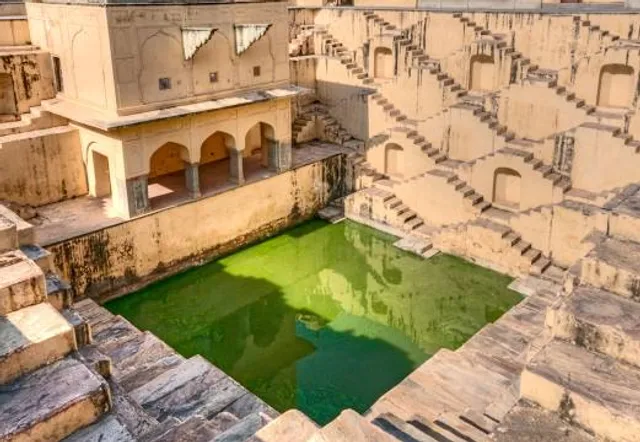
Panna Meena ka Kund
4.4
(2.6K)
Click for details
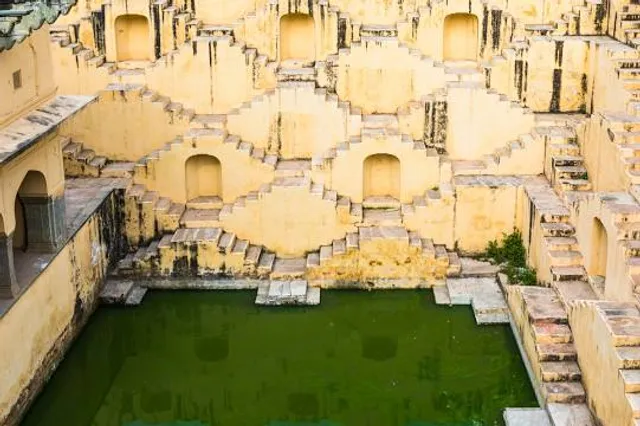
Kheri Gate
4.4
(19)
Click for details