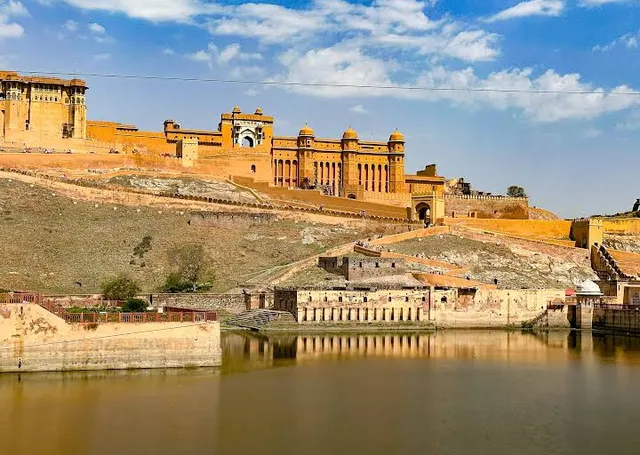
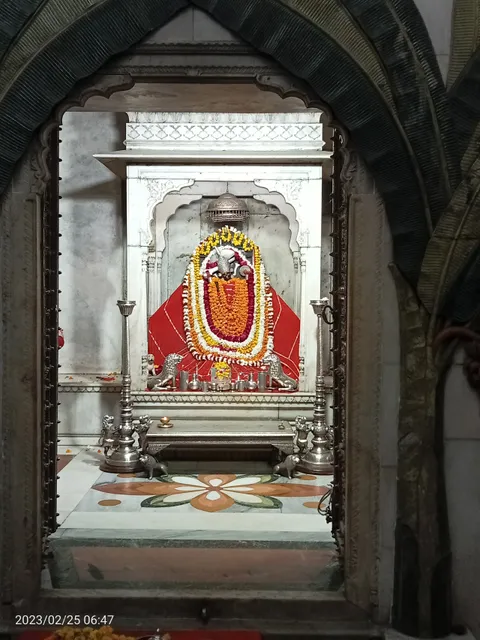
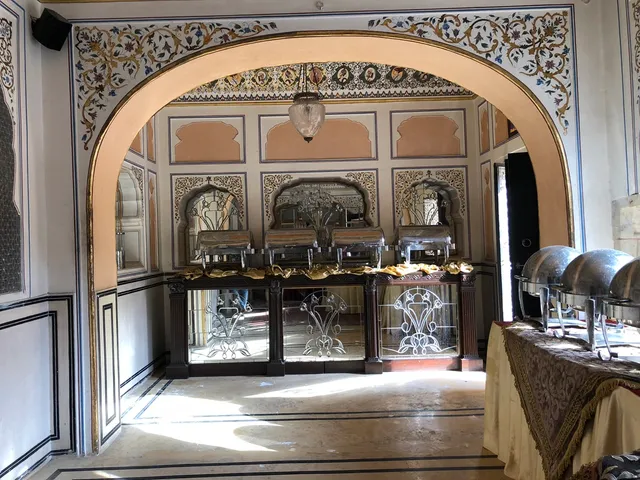
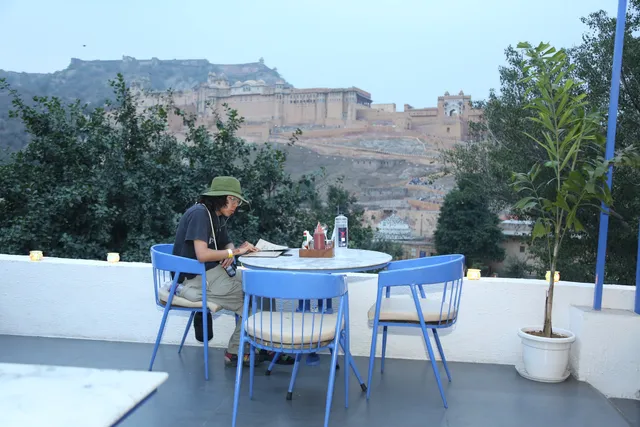
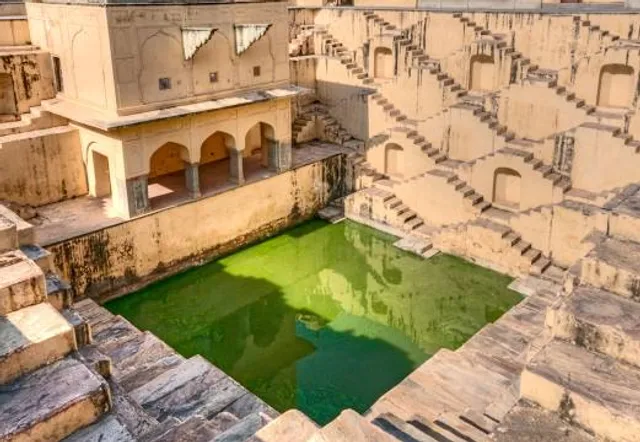
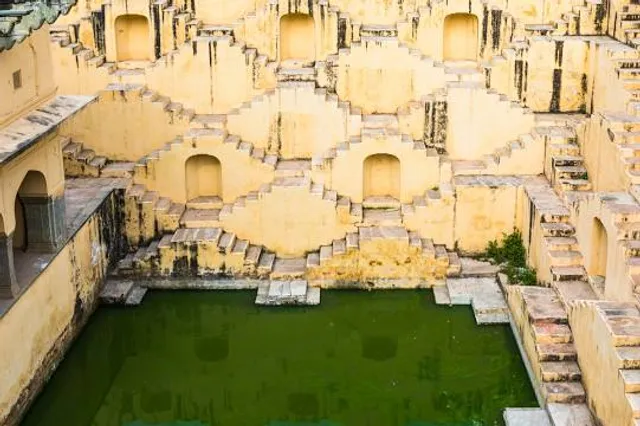
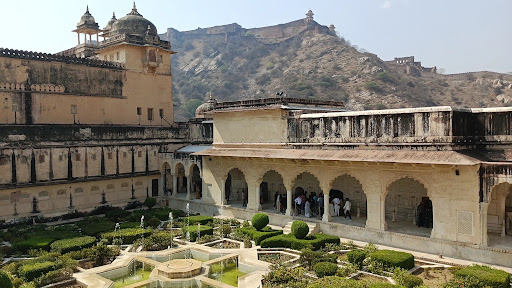
Every time I visit this place and I just fell in love with it. The Amber Fort is really majestic and takes you back in the royal era. A world heritage site is famous for its Rajput and Mughal architecture. It also houses famous Shila Devi temple. Other attractions are evening light and sound show at Kesar Kyaari, particularly the one in Hindi with Amithabh Bachhan's voice over. One can also opt for dinner at 1135 A.D. inside the fort post enjoying light and sound show. A must visit for every traveller. Amer Fort, located in Jaipur, Rajasthan, is one of India's most iconic and stunning examples of Rajput architecture. Perched on a hilltop, this magnificent fort is a blend of majestic fortifications, intricate carvings, and beautiful landscapes, making it a must-visit destination for anyone traveling to Jaipur.
Key Highlights of Amer Fort:
Historical Significance: Built in the 16th century by Maharaja Man Singh I, the fort served as the main residence of the Rajput rulers of Amber (Jaipur) before the capital was shifted to the city of Jaipur. Amer Fort has witnessed centuries of history, including battles, royal ceremonies, and cultural exchanges, which are reflected in its architecture and design. The fort is a UNESCO World Heritage site and a remarkable testament to the opulence of Rajasthan’s royal past.
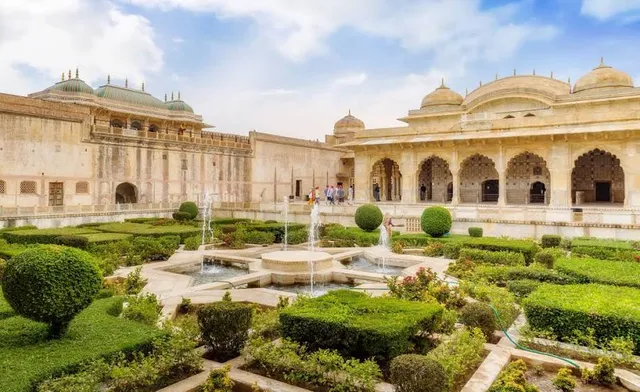
Architectural Grandeur: The fort showcases a stunning fusion of Hindu and Mughal architectural styles. The use of red sandstone and marble, along with intricate carvings, frescoes, and ornate designs, gives the fort an elegant yet imposing presence. Madhavendra Bhawan, Sheesh Mahal (Mirror Palace), Jaleb Chowk, and Diwan-i-Aam (Hall of Public Audience) are among the notable areas within the fort complex that reflect the grandeur of Rajput royalty. The Sheesh Mahal, in particular, is famous for its dazzling mirrors, creating a breathtaking effect when lit.
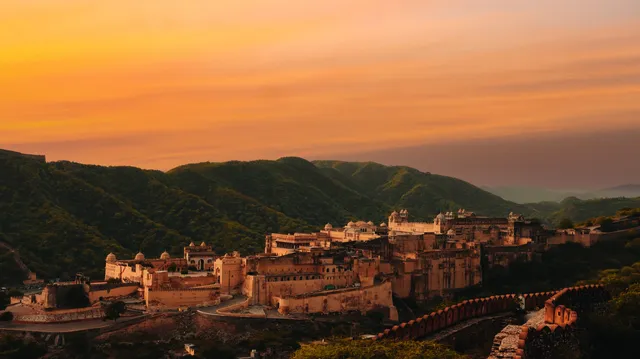
The Scenic View: The fort is strategically located on a hill, offering panoramic views of the surrounding Aravalli hills, Maota Lake, and the Amber town below. The serene landscape, especially at sunset, adds to the fort’s charm and makes for a picturesque experience. Visitors can also take an elephant ride or a jeep ride up to the fort entrance, adding to the regal experience.
Cultural Experience: Walking through the vast courtyards, narrow passages, and beautiful halls of the fort provides a fascinating glimpse into the lifestyle and culture of the Rajput kings. The fort’s intricate frescoes and carvings, depicting royal life, battles, and mythology, offer a glimpse of the artistic grandeur of the era. Light and sound shows in the evening narrate the rich history of the fort, which further immerses visitors in the legacy of Amber and its royal family.
Preservation and Maintenance: The fort is well-preserved and meticulously maintained, with ongoing efforts to restore its structures and artwork. However, as with many historical monuments, some areas can get crowded, especially during peak tourist seasons. The cleanliness of the fort, its well-organized visitor services, and the availability of guides ensure a pleasant experience for tourists.
Best Time to Visit: The best time to visit Amer Fort is during the cooler months, from October to March, as the weather is more comfortable for exploring the fort’s extensive grounds. Visiting in the early morning or late afternoon allows you to avoid the heat and the crowds while enjoying the serenity of the place.
Accessibility: The fort is easily accessible from Jaipur city, located around 11 kilometers away. You can take a taxi, auto-rickshaw, or even a local bus to reach the fort. The Amber Palace Road also offers a picturesque drive to the fort.
Conclusion: Amer Fort is an architectural masterpiece that seamlessly combines history, culture, and natural beauty. Its grandeur, rich history, and stunning views...
Read moreAmer Palace (Amer Fort), Jaipur:
A Journey Through Time and Rajput Splendor Amer Palace, majestically perched atop a hill overlooking the Pink City of Jaipur, is more than just a tourist attraction; it's a portal to a bygone era of Rajputana grandeur. This sprawling palace complex, also known as Amer Fort, is a masterpiece of architecture and design, a testament to the artistic prowess and opulent lifestyle of the Kachwaha Rajput rulers.
As you approach the fort, either by foot, jeep, or the traditional elephant ride, the first thing that strikes you is its sheer size and imposing presence. The pale yellow and pink sandstone, punctuated by white marble accents, glows warmly in the sunlight, creating a visual symphony that blends seamlessly with the rugged Aravalli hills in the backdrop. The architectural style of Amer Palace is a fascinating fusion of Rajput and Mughal influences. The intricate carvings, delicate jali work, and expansive courtyards are hallmarks of Rajput architecture, while the graceful arches, ornate domes, and lush gardens bear the imprint of Mughal aesthetics. This harmonious blend of styles creates a unique and captivating visual experience.
Entering through the Suraj Pol (Sun Gate), you'll find yourself in Jaleb Chowk, the main courtyard, where the king once welcomed his armies returning from victorious battles. From here, you can embark on a journey through the palace's many chambers and courtyards, each with its own story to tell.
Diwan-i-Aam (Hall of Public Audience): This grand hall, with its double row of columns and intricately carved arches, was where the Maharaja held court and addressed his subjects. Imagine the scene – the king seated on his throne, listening to the grievances of his people, dispensing justice, and making pronouncements.
Diwan-i-Khas (Hall of Private Audience): In contrast to the public hall, this chamber is smaller and more intimate, reserved for private meetings and audiences with dignitaries. The exquisite floral patterns and delicate inlay work on the walls and pillars showcase the finest craftsmanship of the era.
Sheesh Mahal (Mirror Palace): This is undoubtedly the jewel in Amer Palace's crown. As you step into this chamber, you'll be mesmerized by the dazzling spectacle of thousands of tiny mirrors adorning the walls and ceiling. The effect is magical – the mirrors reflect the light from even a single candle, creating an illusion of a starlit sky.
Sukh Niwas (Hall of Pleasure): This airy chamber, with its intricate water channels and fountains, was designed to provide respite from the summer heat. The gentle sound of flowing water and the cool breeze created a refreshing oasis for the royal family.
Zenana (Women's Quarters): This secluded section of the palace housed the royal ladies. The intricate latticework screens ensured privacy while allowing the women to observe the court proceedings without being seen.
Amer Palace offers more than just architectural marvels. The panoramic views from the ramparts are simply breathtaking. You can gaze out over the Maota Lake, with the Jal Mahal (Water Palace) shimmering in its center, and the Jaigarh Fort standing guard on the adjoining hill.
Amer Palace is not just a monument; it's a living testament to a rich and vibrant past. As you wander through its halls and courtyards, you'll be transported back in time, imagining the lives of the Maharajas and their families, the courtly rituals, and the grand celebrations that once filled these spaces. It's an experience that will stay with you long after you've left...
Read moreThe Amber Palace (Amer Fort) is undoubtedly one of the best places to visit in Jaipur and a crown jewel of Rajasthan’s heritage. Known for its stunning architecture, rich history, and breathtaking views, it is a must-visit for anyone exploring the Pink City. The fort perfectly combines grandeur, cultural significance, and photographic beauty, making it a favorite among history enthusiasts, photographers, and travelers.
What Makes Amber Palace Special
Magnificent Architecture
Amber Palace is a masterpiece of Rajput and Mughal architecture, built with red sandstone and marble. Its intricately carved walls, ornate gateways, and grand courtyards reflect the opulence of the era. Highlights include:
Sheesh Mahal (Mirror Palace): A room decorated with intricate mirror work that sparkles under the light.
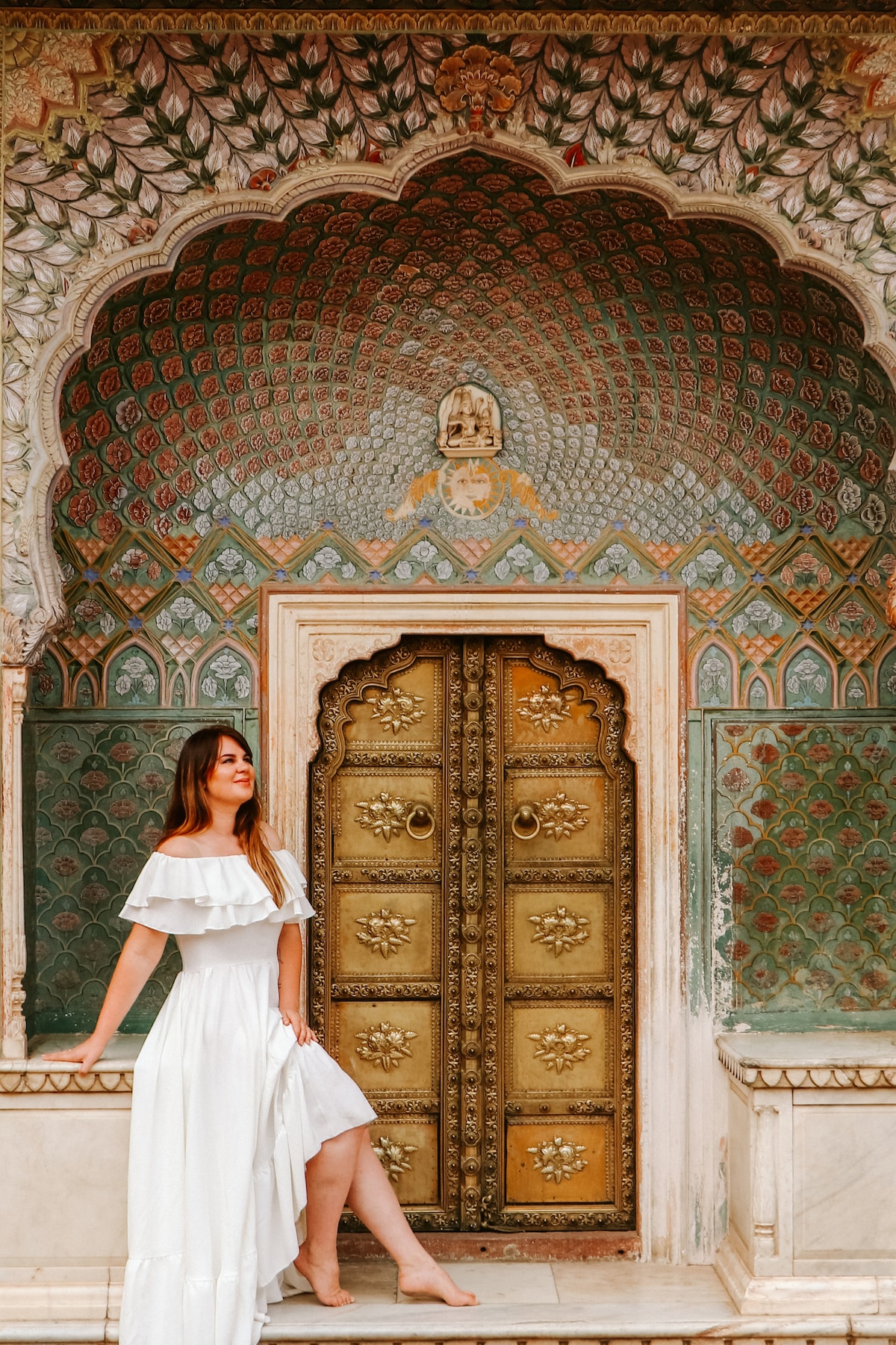
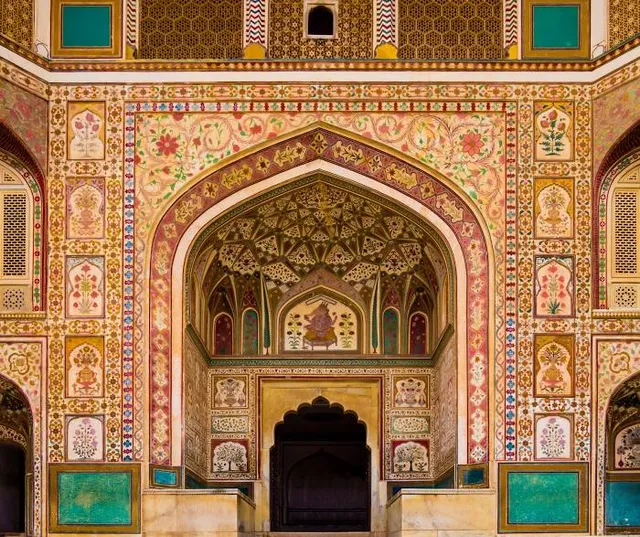
Ganesh Pol Gate: A beautifully painted gateway that leads to the private quarters of the kings.
Diwan-i-Aam and Diwan-i-Khas: Halls used for public and private audiences, showcasing royal splendor.
Tough Drive and Climb
Reaching the fort involves a steep climb, and driving up to the fort requires good driving skills due to narrow, winding roads. For those who prefer not to drive, options like jeep rides or even an elephant ride (though controversial) are available. The journey itself adds to the adventure and the feeling of stepping back in time.
Time-Consuming Exploration
Amber Palace is sprawling, with multiple levels, courtyards, and hidden passages. To fully explore its beauty and learn its history, 3-4 hours is recommended. Guided tours are available and highly recommended to understand the stories behind the architecture and life in the royal court.
Photographer’s Paradise
Amber Palace is a dream for photographers. From its grand courtyards to the intricate details of Sheesh Mahal, every corner of the palace offers an opportunity for stunning shots. The view of Maota Lake from the fort adds to its photographic appeal. Sunrise and sunset are the best times for capturing the fort’s golden hues.
Rich History
Built in 1592 by Raja Man Singh I, Amber Palace served as the seat of the Kachwaha Rajputs for over 150 years. The fort reflects the grandeur of Rajput royalty, with influences from Mughal art and culture. It’s not just a monument but a living piece of Rajasthan’s glorious past.
Things to Keep in Mind
Be Prepared for Walking: The fort is massive, and there’s a lot of walking involved. Wear comfortable shoes.
Crowds: Amber Palace can get crowded, especially during peak tourist seasons, so arrive early to avoid long lines.
Carry Water: Exploring the fort can be tiring, so stay hydrated.
Guided Tours: Opt for a guide or audio tour to truly understand the significance of what...
Read more