Jama Masjid (Srinagar)
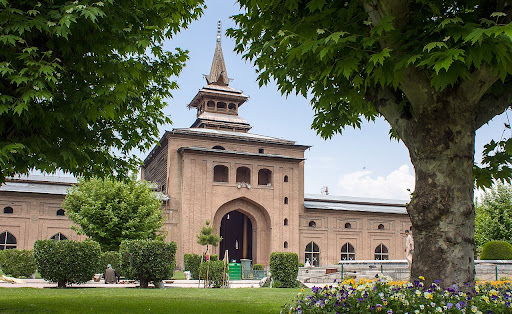
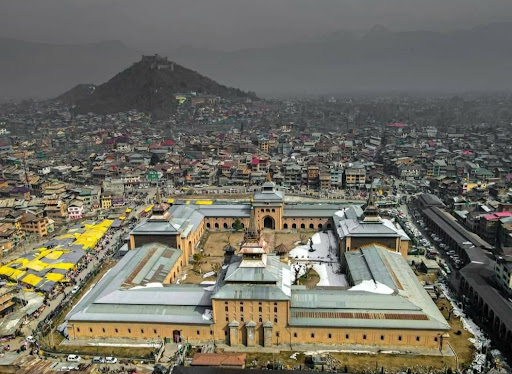
The Jama Masjid of Srinagar is one of the most iconic and historic mosques in the Kashmir Valley, known for its beautiful architecture, serene ambiance, and spiritual significance. It is located in the heart of Srinagar, in the Nowhatta area, and serves as an important center for worship and cultural gatherings for the local Muslim community.
Overview
Location: Nowhatta, Srinagar, Jammu & Kashmir
Established: The mosque was originally constructed in 1394 AD by Sultan Sikandar (also known as the iconoclast) and later reconstructed in 1672 AD by his son, Sultan Zain-ul-Abidin.
Style: The mosque is a blend of Persian, Central Asian, and local Kashmiri architectural styles, representing the unique amalgamation of these cultural influences.
Best Time to Visit: The mosque is open throughout the year, but it is particularly serene and reflective during the early morning and evening prayers.
Architectural Features
Wooden Structure:
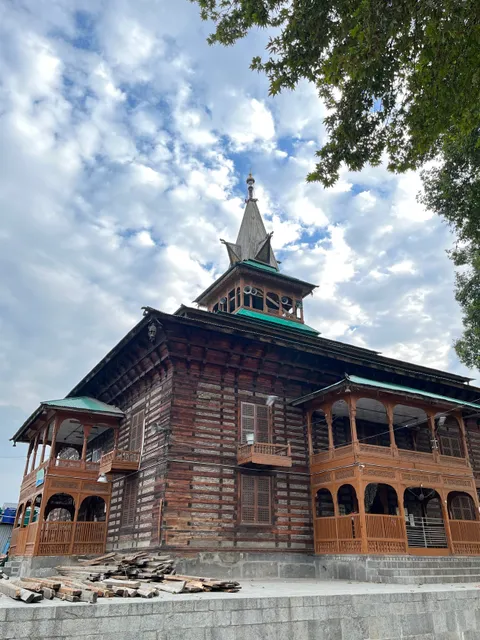
The mosque is famed for its impressive wooden architecture, using traditional Kashmiri craftsmanship, which makes it stand out from other mosques in the region.
The mosque is built entirely of wood, with intricate carvings and beautifully detailed beams. The wooden ceiling and columns are masterpieces of Kashmiri artistry, showcasing excellent craftsmanship.
Beautiful Minarets:
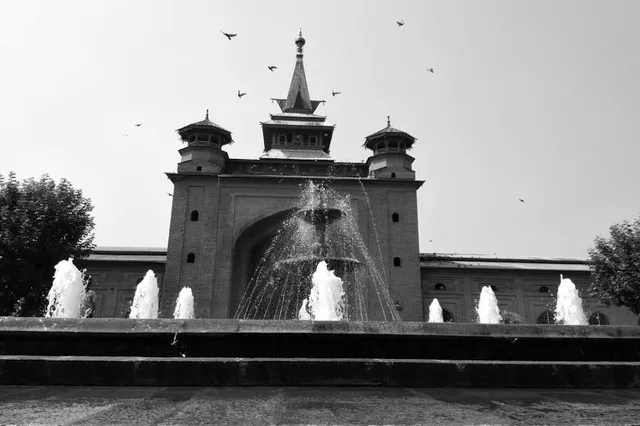
The mosque features tall minarets that reach into the sky, giving it an iconic and commanding presence in the Srinagar skyline.
Spacious Courtyard:
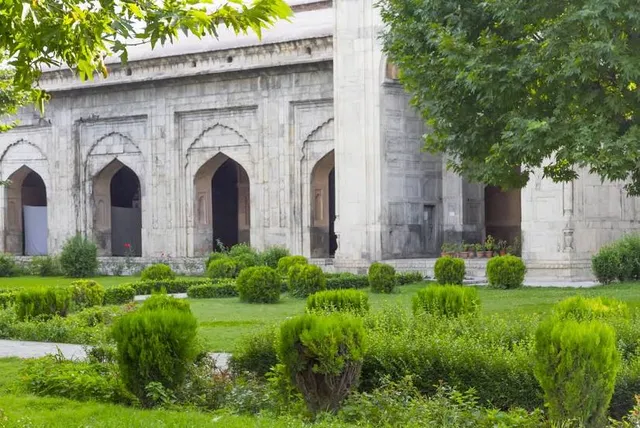
The mosque is set within a large, spacious courtyard, providing ample space for the congregation during Friday prayers. The serene surroundings offer a perfect setting for spiritual reflection and prayer.
Intricate Designs and Murals:
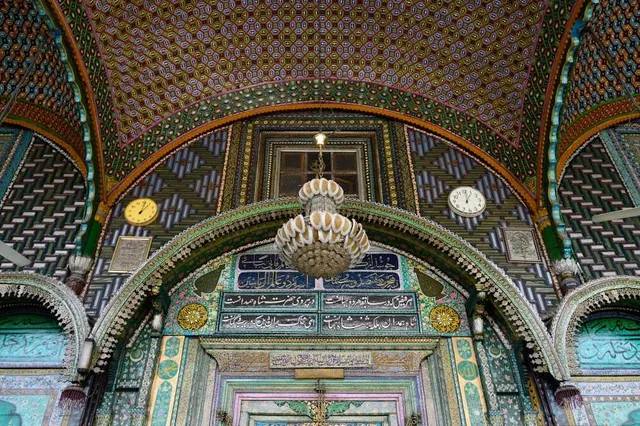
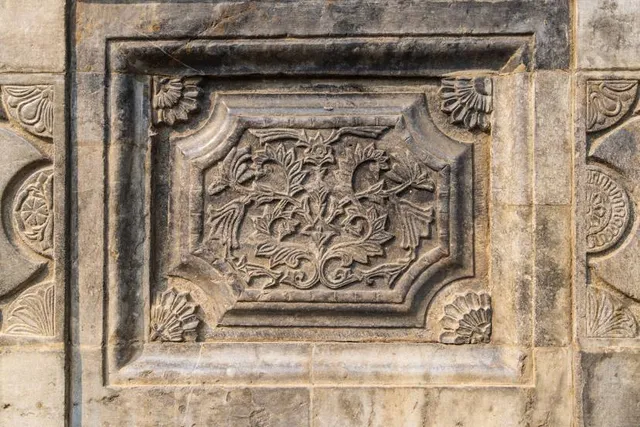
The mosque is adorned with delicate carvings and floral patterns on its wooden panels, and calligraphy from the Quran can be found in several areas. These intricate designs not only enhance the beauty of the mosque but also reflect the Islamic artistic influence in the region.
Cultural and Religious Significance
A Center for Faith:
As one of the largest mosques in Srinagar, Jama Masjid serves as a spiritual hub for the local Muslim community. It hosts congregational prayers, special sermons, and various religious events.
During Ramadan, special prayers are held in the mosque, and the faithful gather in large numbers for spiritual reflection and worship.
Connection to Local Kashmiri Culture:
The Jama Masjid also acts as a representative symbol of the Kashmiri Muslim heritage. It’s known not just for its architectural beauty but also for its spiritual value. The mosque remains an enduring presence in the lives of local Kashmiris and visitors alike.
A Historic Landmark:
Over the centuries, Jama Masjid has witnessed various transformations, but it has always remained a symbol of peace and a sanctuary for the Kashmiri people, offering solace to those seeking spiritual fulfillment.
Things to Do at Jama Masjid
Experience Spiritual Peace:
Spend time observing the tranquility and peace of the mosque, whether you choose to attend the regular prayers or sit quietly within its elegant walls.
Admire the Architecture:
Whether you’re religious or not, the architectural beauty and craftsmanship are worth appreciating. Take a moment to admire the ornate carvings, wooden beams, and intricate designs inside the mosque.
Photography:
While photography might be restricted inside the mosque, visitors can take pictures of the exterior and surrounding areas, capturing the scenic surroundings and beautiful architecture.
Participate in Prayer:
Join the locals during prayer times, particularly the Friday prayers, when the mosque sees a large gathering. The peaceful atmosphere and the spiritual vibrations add to the experience.
Accessibility and Nearby Attractions
Getting There:
Jama Masjid is located in the heart of Srinagar’s old town, which makes it easily accessible from different parts of the city. Visitors can...
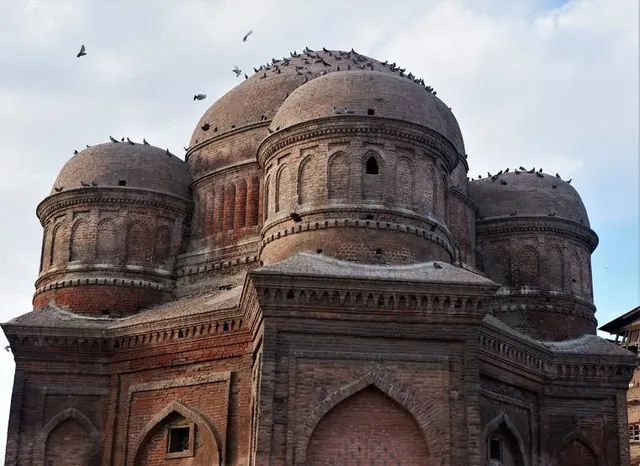
Read moreJamia Masjid is a mosque in Srinagar, Jammu & Kashmir, India. Situated at Nowhatta in the middle of the Old City, the Mosque was commissioned by Sultan Sikandar in 1394 CE and completed in 1402 CE, at the behest of Mir Mohammad Hamadani, son of Mir Sayyid Ali Hamadani, and is regarded as one of the most important mosques in Kashmir. The architectural style of the Mosque is inspired by the Indo-Saracenic style of architecture, which is a blend of Indian and Mughal styles, and also bears similarities to Buddhist pagodas. The Mosque is located in Downtown which remains a central zone to the religio-political life in Srinagar. Thronged by Muslims every Friday, it is one of the prime tourist attractions of Srinagar. It is not only the religion that has attracted the people of the state to the Mosque. The Jamia Masjid has been a hot-bed of raging political discourse on the present turmoil in the state, and the politics that has unfolded in Kashmir has led to curbs and gags on congregations here. Its roots, however, lie deeper in history. The Mosque also became a platform for people to debate and discuss the politics of the Kashmir conflict much earlier before the conflict erupted in Kashmir valley.[6] According to historian Mohammad Ishaq Khan, “Jamia Masjid has primarily played a significant part in imparting religious education. However, with the spread of modern education among Kashmiri Muslims, thanks to the efforts of Mirwaiz Ghulam Rasul Shah, the Masjid began to play a seminal role in the growth of political consciousness. Sheikh Muhammad Abdullah was, in fact, initiated into what I would call the mysteries of Kashmiri Muslim politics at Jamia Masjid by Mirwaiz Muhammad Yusuf Shah.”
Sikh Era (1819-1846 CE)Edit
For 21 years, the Mosque faced closure under the Sikh regime of Maharaja Ranjit Singh beginning in 1819 AD, when the-then Governor, Moti Ram, put curbs on offering prayers in Jamia Masjid.[8] No prayers were offered and no call for prayers was given from the Mosque. It was reopened by Sikh Governor, Ghulam Muhi-ud-Din, in 1843[9] who spent nearly a lakh and a half of rupees on its repair. But for 11 years, rulers allowed prayers only on Fridays. The Mosque would be opened for just few hours on Fridays and closed again. The martyrs of July 13, 1931 were taken to Jamia Masjid after the police opened fire and 22 people were killed and hundreds injured. The bodies of the martyrs were laid in the shrine compound of Khawaja Naqashband Sahab R.A Khawaja Bazar Srinagar where Sheikh Abdullah, Mirwaiz Maulvi Muhammad Yusuf Shah and other leaders started delivering speeches against Maharaja Hari Singh.
Post 1947
Prolonged closure of the Mosque once again came into effect since 2008 when the Amarnath land row erupted. The decision of the Omar Abdullah government to prevent people from offering Friday prayers for weeks together led to massive outrage. Ban on religious congregations in 2008 was seen as an attempt to choke the rebellion whose epicentre was the hotbed of separatist leaders, the areas in old city, particularly around Jamia Masjid.[6] During the Mehbooba Mufti led BJP-PDP coalition government, the Mosque was again "locked down for three months in the uprising of 2016 and in 2017 for the first time even Jumat-ul-Vida congregation during Ramadan was not allowed and in 2018 for 16 Fridays, prayers were barred at...
Read moreThis is The Mosque, it is Holy place, It is place of worship, People offer prayer in the mosque, it is home of God.
When you enter in the Mosque please say:-اللهم افتحلي ابواب ارحمثك
Allah hu maf tah li abwaba rahmatika
Means:-
اے رب تو میرے لیے اپنی رحمت کے دروازے کھول دے
When you leave mosque please say:-
اللهم اني اسعلك من فضلك
Allah huma ini asaloka min fazlika.
Means:-
اے میرے رب مین تم سے تمہارے فضل کا سوال کرتا ہوں
Jamia Masjid Nowhatta Srinager is a Historical monument by an old King Namely Sultan Sikandar in 1394 AD and later this historical mosque was extended by his Son namely Zain-ul-Abidin over an area 146000 sqft. Maharaja Partap singh has also provided financial assistance for repair and maintenance of this beautiful mosque from time to time during his regime.The Jama Masjid is situated at Nowhatta, in the middle of the old city. The jamia masjid is known as one of the sacred shrines in Jammu and kashmir. The mosque is the most beautiful place in the heart of srinager where one can find peace of mind and relife of heart.Thousands of visiters including muslims and non muslims visit from local and foreign places to this Holy site every year.Jamia Masjid, Kashmir is central mosque, in Nowhatta, in the heart of old city is the pride of jammu and kashmir and all muslims. The mosque has been at the helm of religious dissemination and learning, playing a pivotal role in raising the social, cultural and political conscious of people of kashmir. Sprawled across 14,170 sqm or 28Kanals, the interior of the mosque accommodates over 33,333 devotees at a single prayer congregation, and almost a 100,000 if the central courtyard too is included.On Juma-tul-vida, the last Friday of the holy month of Ramadan the sight of Quarter million people offering congregational prayers within and outside the precincts of the Masjid, is awe-inspiring. Jamia Masjid was
originally constructed by Sultan Sikandar on the advise of Mir Sayyed Mohammad Hamdani. the son of Shah-e-Hamadan.Sayyid Ali Hamdani A revered mystic, poet, scholar, preacher. Ali Hamdani reached Kashmir from Central Asia in the early part of the 8C AH /13C AD, to preach Islam and spread Islamic Iearning accompanied by over 700 followers, including men of letters, scholars, artists poets and craftsmen. Though Shah-e-Hamadan did not stay in Kashmir but his son and followers laid the foundation, development and growth of many arts and crafts for which Kashmir was famous, architectural style that is unique to Kashmir ama Masjid is indisputably the finest example of this Kashmiri school of wood architecture. reminiscent of the pillared mosques of Central Asia. The plan of the mosque followed the traditional courtyard plan with liwans (halls)on four sides. It had 372 Wooden columns each from the single trunk of a Deodar tree. Thirty two columns were 30 Gaz tall and 4 Gaz in circumference.
The mosque has survived the ravages of time, though it was badly damaged by fire more than three times between the years 15AD/9AH 17AD/11AH However, each time it was rebuilt by shahmiris or the mughals. An inscription carved on a stone plaque giving the history if the mosque up till 1629 AD still exists on the outer wall of the southern gateway...
Read more