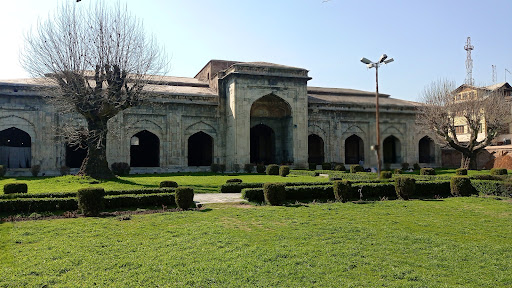
Pathar Masjid (Stone Mosque)
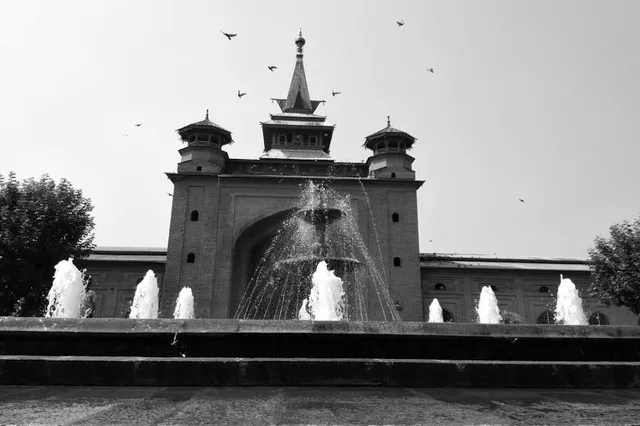
The Pathar Masjid is one of the lesser-known yet historically significant monuments in Srinagar, Jammu and Kashmir. It is located on the north banks of Dal Lake, near the Shankaracharya Hill, and is renowned for its architectural simplicity and serene ambiance.
Overview
Location: Srinagar, Jammu & Kashmir, India
Built by: The mosque was constructed by Madani Mirza Shah in the 17th century under the patronage of Mughal Emperor Shah Jahan.
Architectural Style: The mosque's design is simple yet elegant, following the architectural elements typical of Mughal and Central Asian styles.
Key Features and Architecture
Construction from Stone:
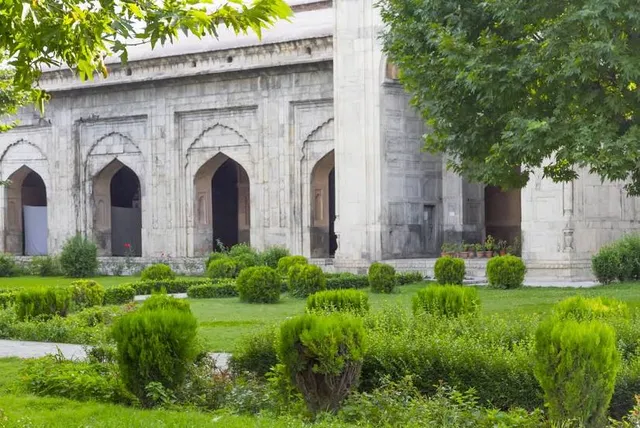
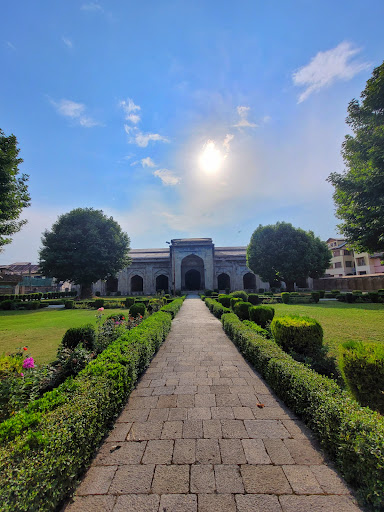
The mosque is primarily built with stones (as the name "Pathar Masjid" suggests), and it is renowned for its austere and understated beauty compared to other more lavish Mughal mosques in Kashmir. Its walls and arches are made from fine stone, giving it a distinguished and solid appearance.
Spacious Courtyard:
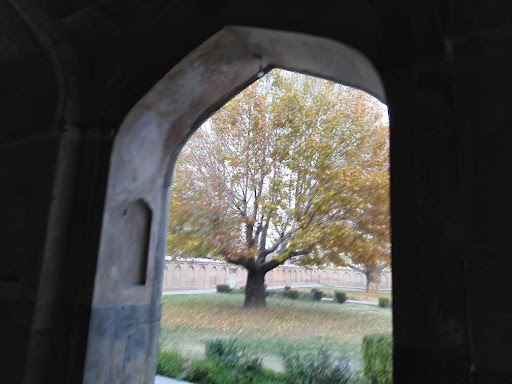
The mosque features a relatively small but serene courtyard with open spaces. The large courtyard is an ideal spot for peaceful reflection, offering a tranquil environment, perfect for meditation and prayer.
Simple, Elegant Interior:
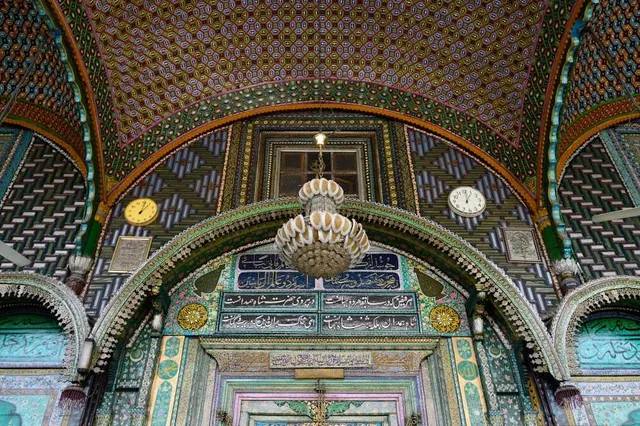
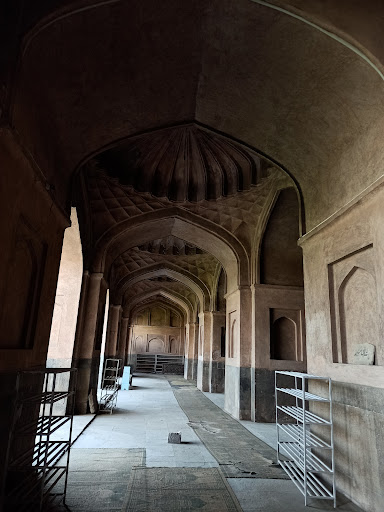
Inside the mosque, you’ll find a minimalist design with no excessive decorations or ornate carvings, keeping in line with the overall theme of humility and simplicity.
Dome Structure:
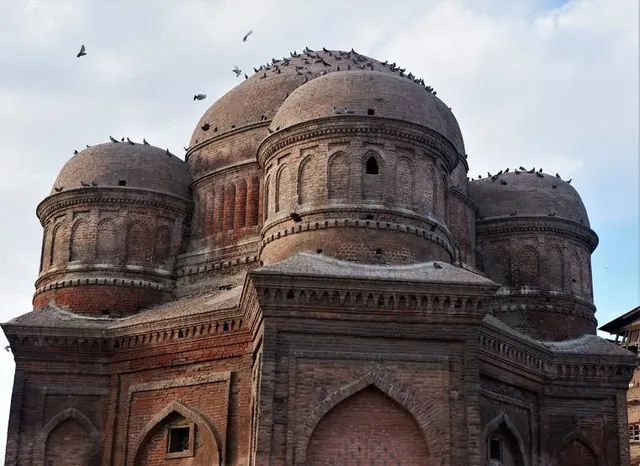
The dome is relatively modest, compared to other grand Mughal structures, and there are arched windows that allow natural light into the prayer hall, creating a sense of serenity.
Cultural and Religious Significance
Local Pilgrimage Spot:
Pathar Masjid is an important religious site for locals, though it is not as famous as other mosques. Its peaceful and quiet atmosphere makes it a place for those looking for a moment of calm reflection.
Historical Importance:
Built by the Mughals, it is a testament to the Mughal influence on Kashmiri architecture. It reflects their ability to integrate Islamic religious functions with local building traditions.
Things to Do at Pathar Masjid
Relax and Meditate:
The mosque’s quiet surroundings offer an excellent opportunity for those seeking time for spiritual reflection or meditation.
Photography:
The mosque provides a simple, peaceful backdrop for photographs. Visitors can capture the unique architecture, especially if you enjoy images of humble, serene religious sites.
Enjoy Panoramic Views:
While the mosque is not high up, it is located near Dal Lake and offers viewing points that overlook the surrounding area and the majestic backdrop of the surrounding mountains.
Pros
Peaceful and Serene: Unlike the busy and crowded mosques, Pathar Masjid offers a much quieter experience for visitors, providing a sense of solitude and reflection.
Historical Value: A significant part of Kashmiri heritage, the mosque speaks to the Mughal era and Islamic influence in the region.
Less Commercialized: It is less touristy, which provides an authentic, less disturbed experience, perfect for those seeking something off the beaten path.
Cons
Limited Facilities: Due to its simpler nature, there are fewer amenities, which means visitors may need to carry their own refreshments or guide if they desire detailed explanations.
Unpopular Among Tourists: Because of its relatively hidden location and low-key nature, Pathar Masjid may not be on the top of most tourists' itineraries.
Visitor Tips
Respect the Religious Site: Since the mosque is an active religious space, visitors should show respect by dressing modestly and refraining from disturbing worshippers.
Explore Early: If you want to experience the site peacefully, try visiting early in the morning when fewer people are around.
Conclusion
The Pathar Masjid is an unpretentious gem of Srinagar, perfect for visitors who appreciate history, religious architecture, and a quiet atmosphere. While it may not be as grand as some other...
Read morePather Masjid, also known as the Stone Mosque, is a significant historical and architectural site located in Srinagar, the summer capital of Jammu and Kashmir, India. Here are some key details and historical aspects about Pather Masjid:
Historical Background
Construction: The mosque was constructed in 1623 by Empress Noor Jahan, the wife of Mughal Emperor Jahangir. It is one of the many contributions of the Mughal dynasty to the architectural heritage of Kashmir.
Architect: The mosque was designed by Malik Hyder, an architect who was brought from Persia. His influence is evident in the Persian architectural style seen in the mosque.
Purpose: Pather Masjid was built primarily for the local Muslim population and served as a significant place of worship during the Mughal era.
Architectural Details Material: True to its name, Pather Masjid is constructed entirely of grey limestone, which was a popular building material at the time.
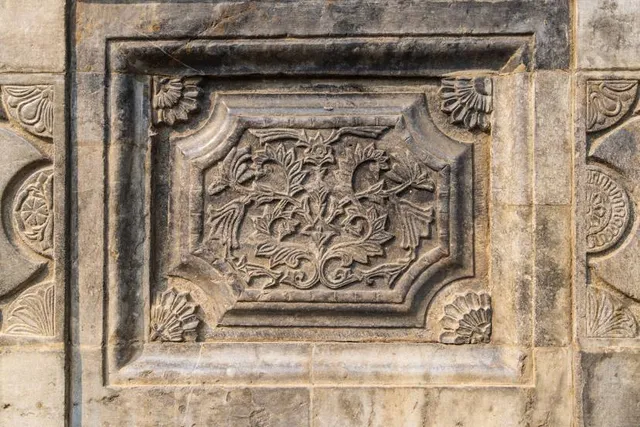
Design: The mosque features traditional Mughal architectural elements, such as intricate carvings, arched windows, and a large central dome. The use of stone and the intricate detailing highlight the skill of the craftsmen of that era.
Structure: The mosque has a rectangular plan with a series of nine arches in the façade, creating an impressive visual symmetry. The central arch is larger than the others, emphasizing the main entrance.
Interiors: The interiors of the mosque are relatively simple compared to its exterior. The prayer hall is spacious and designed to accommodate a large number of worshippers.
Significance
Cultural Importance: Pather Masjid is an important cultural and historical site in Srinagar, reflecting the rich Mughal heritage of the region. It stands as a testament to the architectural ingenuity and the aesthetic sensibilities of the Mughal period.
Contemporary Relevance: While it may not be as active as a mosque today, it remains a significant tourist attraction and a symbol of the historical confluence of Persian and Indian architectural styles.
Preservation: Efforts have been made to preserve the mosque as a historical monument, although it has faced challenges due to environmental factors and the passage of time.
Pather Masjid continues to be a symbol of the rich cultural and architectural legacy of Kashmir, drawing visitors and historians interested in the region's Mughal history...
Read morePathar Masjid is a magnificent building, unique both in design and structural prototype. Although it was initially constructed as a mosque, it was never used as such.Pathar Masjid was built by Empress Nur Jahan in 1623. Unlike most other places of worship in Kashmir Valley, this mosque was built with grey limestone. Since stone in local language is known as pathar and mosque is known as masjid, the edifice so built began to be known as Pathar Masjid.
It is to be remembered that mosques in Kashmir were generally built with wood while most Mughal edifices were built with marble. Perhaps the Queen chose limestone because she realized that in absence of a transport system bringing marble stones from the plains would be an impossible task. Contrarily grey limestone was found locally; in addition such stones could be carved and polished easily. Therefore, she decided to build the mosque with limestone.
Now, it is said that Nur Jahan was once asked about the building cost of such a magnificent structure. The Empress did not answer directly. Instead she pointed to her shoes, which were embossed with expensive jewels and said, “As much as that”. When this remark reached the religious leaders they found the reference to be sacrilegious and declared the masjid to be unfit for religious activities. Since then, the mosque is lying idle.
However, another version says that the mosque was desecrated because of its architectural style; it followed a distinct Mughal pattern rather than indigenous...
Read more