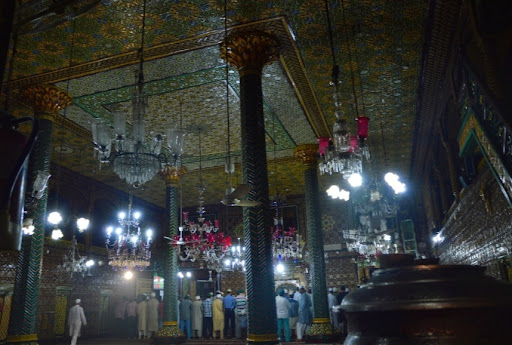
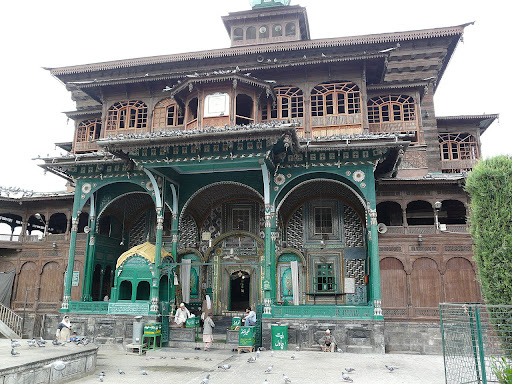
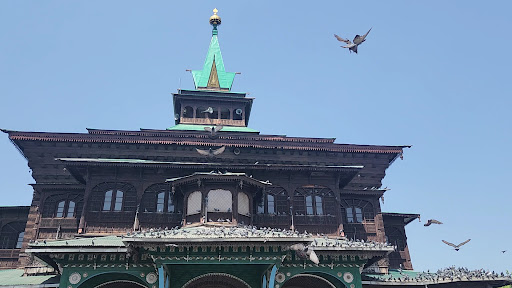
Shah e Hamdan RH Mosque is a historic mosque located in the old city of Srinagar in Jammu and Kashmir, India. The mosque is named after Mir Syed Ali Hamdani, a renowned Islamic scholar and preacher who is credited with spreading Islam in the Kashmir Valley during the 14th century.
The mosque was built in the 14th century and has undergone several renovations and restorations over the years. The mosque's architecture is a blend of Islamic and Kashmiri styles, and it is considered one of the finest examples of traditional Kashmiri architecture.
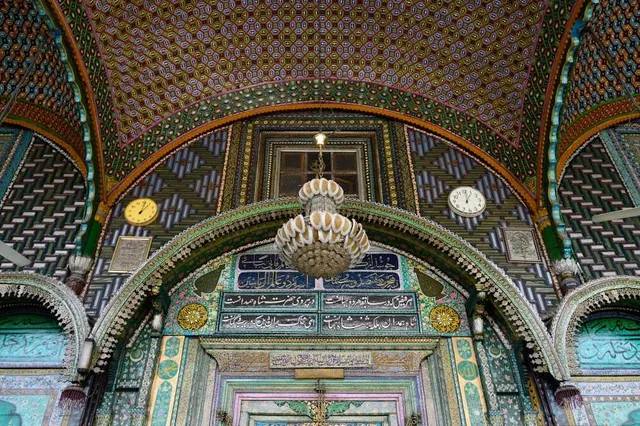
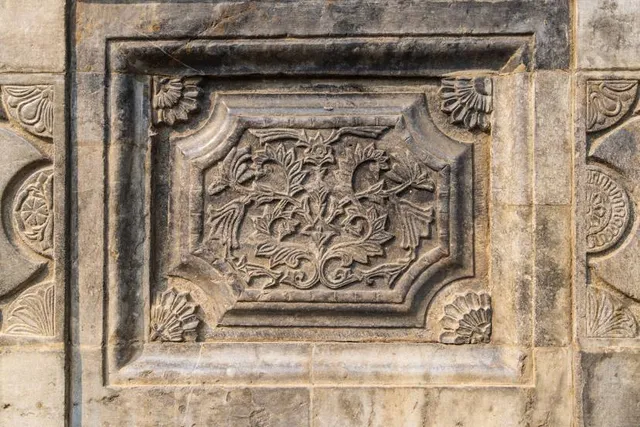
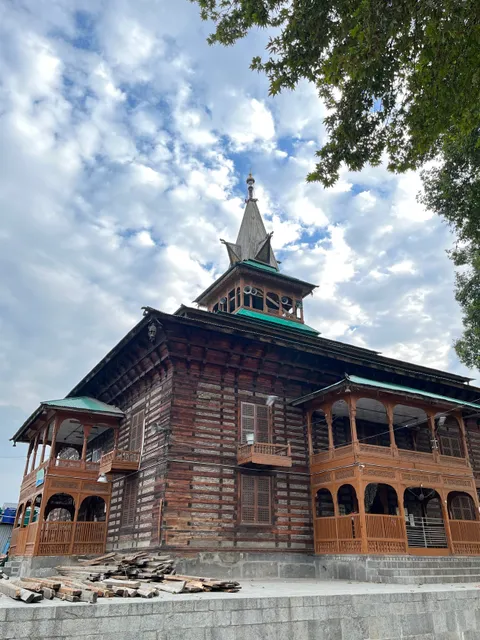
The Shah e Hamdan RH Mosque has several distinctive features, including its wooden architecture, intricate carvings, and unique minarets. The mosque is built entirely of wood and is adorned with beautiful wooden carvings and intricate designs. The mosque's minarets are also made of wood and are decorated with intricate patterns and designs.
The mosque is an important cultural and religious landmark in Srinagar and is a popular destination for tourists and locals alike. The mosque is known for its peaceful and serene atmosphere, and it is a popular spot for meditation and prayer.
The mosque's courtyard is also home to several graves, including the graves of Mir Syed Ali Hamdani and several other prominent Islamic scholars and leaders. The mosque's walls are adorned with beautiful calligraphy and verses from the Quran, adding to its spiritual and cultural significance.
The Shah e Hamdan RH Mosque has played an important role in the history and culture of Kashmir. It has been a witness to several historic events, including the Kashmiri struggle for independence and the devastating floods that hit the region in 2014. Despite facing several challenges over the years, the mosque has stood the test of time and continues to serve as a symbol of peace and unity for the people of Srinagar.
In conclusion, the Shah e Hamdan RH Mosque is a magnificent example of traditional Kashmiri architecture and is an important cultural and religious landmark in Srinagar. Its beautiful wooden architecture, intricate carvings, and serene atmosphere make it a popular destination for tourists and locals alike. The mosque's rich history and cultural significance also make it a symbol of the region's rich heritage and cultural diversity. The Shah e Hamdan RH Mosque is a must-visit destination for anyone traveling to Srinagar, and it is sure to leave a lasting impression...
Read moreMir Sayyid Ali Hamadani (Persian: میر سید علی همدانی; 1314–1384) was a Persian Sūfī of the Kubrawiya order, a poet, Saint and a prominent Muslim scholar.He was born in Hamadan, and was buried in Khatlan Tajikistan. He was known as Shāh-e-Hamadān ("King of Hamadān"), Amīr-i Kabīr("the Great Commander"), and Ali Sani ("second Ali"). The title "Sayyid" indicates that he was a descendant of Muhammad, possibly from both sides of his family. Sayyid Ali Hamadani traveled widely – it is said he traversed the known world from East to West three times. In 774 AH/1372 AD Hamadani lived in Kashmir. After Sharaf-ud-Din Abdul Rehman Bulbul Shah, he was the second important Muslim to visit Kashmir. Hamadani went to Mecca, and returned to Kashmir in 781/1379, stayed for two and a half years, and then went to Turkistan by way of Ladakh. He returned to Kashmir for a third time in 785/1383 and left because of ill health. Hamadani is regarded as having brought various crafts and industries from Iran into Kashmir; it is said that he brought with him 700 followers, including some weavers of carpets and shawls, who taught the craft of pashmina textile and carpet-making to the local population. Ladakh likewise benefited from his interest in textile weaving. The growth of the textile industry in Kashmir increased its demand for fine wool, which in turn meant that Kashmiri Muslim groups settled in Ladakh,bringing with them crafts such as minting and writing. Hamadani traveled and preached Islam in different parts of the world such as Afghanistan, Uzbekistan, China, Syria, and Turkestan. Mausoleum of Mir Sayyid Ali Hamadani in Tajikistan Hamadani died on his way back to Central Asia at a site close to present day Mansehra town in North-West Pakistan.His body was carried by his disciples to Khatlan, Tajikistan, where his...
Read moreLocated on the banks of river Jhelum in Srinagar, Shah-e-Hamdan Mosque is also known as Khanqah masjid and was built in the year 1395. The mosque is one of the oldest in Srinagar and also one of the most visited, both by Kashmiris as well as travelers for centuries. The entry inside is, however, restricted only to Muslims.
Not just the architecture but the story of the person behind the mosque is most interesting. Mir Sayyid Ali Hamadani has been one of the most influential travellers who came to Kashmir during the 14th Century. His mosque is now one of the most iconic landmark of the city, the other being Hazrat Bal. The wooden mosque is located on the banks of river Jhelum and that adds even more beauty to the mosque.
Shah-E-Hamden came to Kashmir three times between 1365 and 1383 and preached Islam to the Buddhist and Hindu population of the region. He is credited to converting about 35,000 people in Kashmir, and all of it was due the message of love that he brought with him. In other parts of the world, the spread of religion was mainly by force and wars.
Sultan Sikander built this mosque in his memory. It has suffered through three devastating fires, the most recent one in 1731. The design of the mosque changed with each rebuilding exercise, but the ethos of love lived on. The current structure has a square plan is made almost completely of wood, and many murals both inside and outside. The ceiling of the mosque is especially famous for the Kashmir-only craft .
Khatamband is the art of constructing a ceiling by fitting small pieces of wood, preferably Walnut and Deodar woods together in a geometrical pattern. All this is done with hands and without the...
Read more