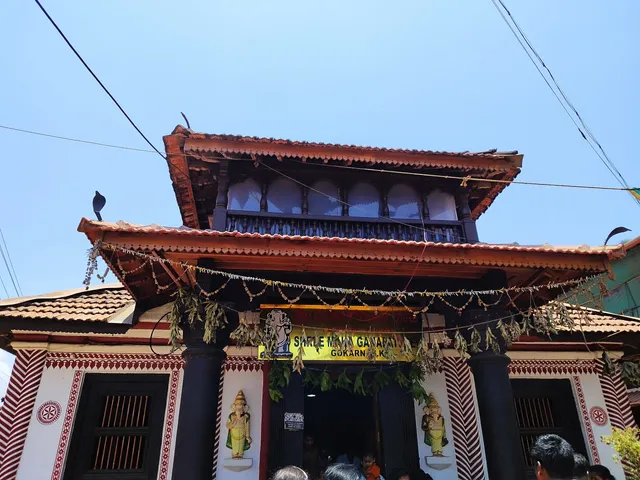
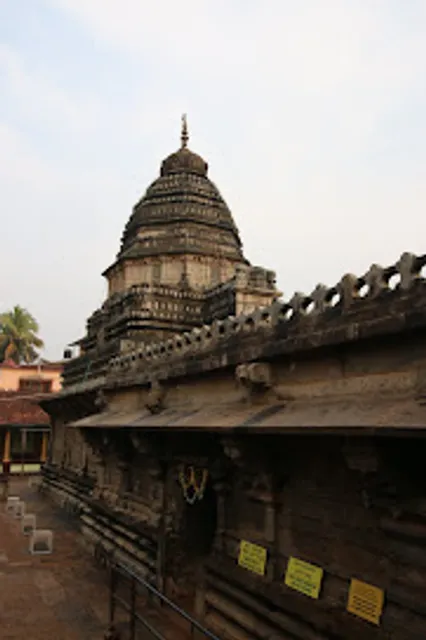
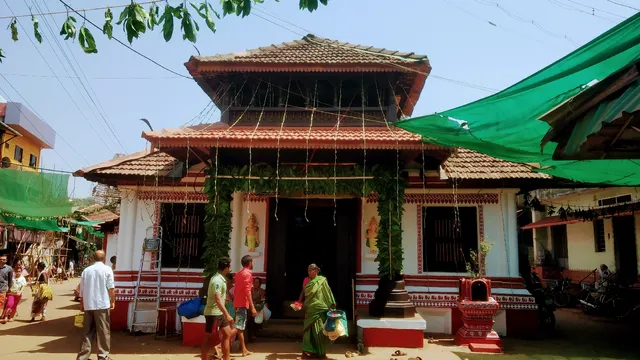
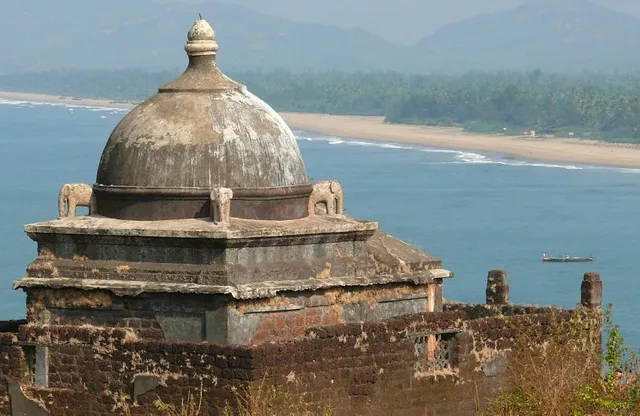
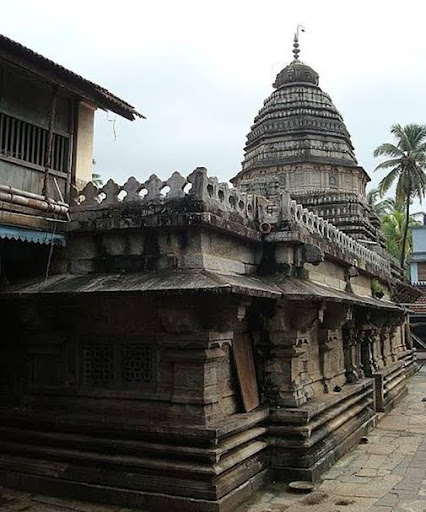
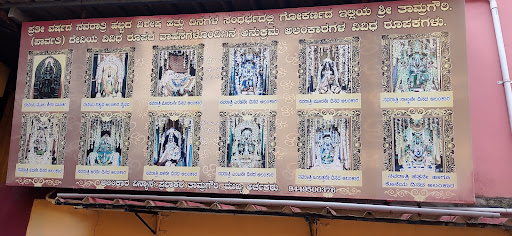
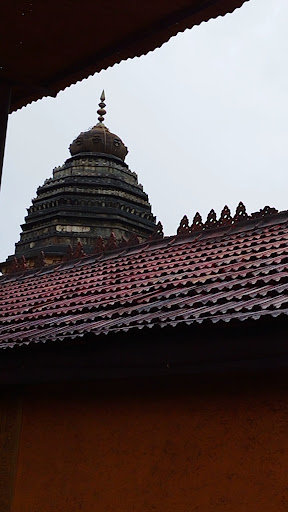
The Shri Mahabaleshwara Swamy Temple is a revered Hindu temple located in Gokarna, Karnataka, India. It is dedicated to Lord Shiva and is considered one of the holiest pilgrimage sites in South India. Often referred to as the "Kashi of the South", this temple holds great significance in Hindu mythology and tradition.
Key Highlights of the Temple
Historical Significance: The temple is over 1,500 years old, built in the Dravidian architectural style.It is closely associated with the legend of the Atma Linga, a powerful symbol of Lord Shiva.
The Atma Linga Legend: According to mythology, Ravana, the demon king, worshipped Lord Shiva and was granted the Atma Linga, a representation of Shiva's soul. To prevent Ravana from gaining invincible powers, Lord Ganesha tricked him into placing the Atma Linga on the ground, making it immovable. The Atma Linga is enshrined in this temple, making it a significant spiritual destination.
Architectural Marvel: The temple is built in granite, with intricate carvings reflecting ancient Dravidian craftsmanship. The sanctum sanctorum houses the Atma Linga, which can be seen only during special rituals.
Religious Importance: It is one of the seven Mukti Sthalas (places of salvation) in Karnataka. Devotees believe that visiting this temple and offering prayers can cleanse sins and lead to liberation (moksha).
Special Rituals: The temple is famous for the Rudrabhishekam, a special offering to Lord Shiva. Devotees can perform various sevas and pujas to seek blessings.
Festivals
Mahashivaratri When: February or March (based on the lunar calendar). Significance: The most important festival celebrated in the temple, honoring Lord Shiva. Highlights: A Rathotsava (chariot procession) is held, where the idol of Lord Shiva is placed in a decorated chariot and pulled through the streets by devotees. Special pujas, abhishekas, and night-long prayers are performed. Devotees fast and stay awake all night, chanting Shiva mantras.The temple remains open throughout the night. Kartika Deepotsava (Karthika Deepam)
When: November or December (during the month of Kartika, as per the Hindu calendar). Significance: A festival of lights dedicated to Lord Shiva. Highlights: The temple and the surrounding areas are illuminated with oil lamps. Devotees light lamps to seek blessings for prosperity and happiness.Special prayers and rituals are conducted to honor Shiva.
Ratha Saptami
When: January or February (on the seventh day of the Magha month). Significance: Celebrated as the symbolic birth of the Sun God and to honor Lord Shiva. Highlights: A grand chariot procession of Lord Shiva's idol. Rituals are performed to mark the transition of seasons and seek blessings for a prosperous year.
Ganesh Chaturthi
When: August or September (on the fourth day of the Bhadrapada month). Significance: Celebrates Lord Ganesha, who is closely associated with the legend of the Atma Linga. Highlights: Devotees offer prayers to Lord Ganesha before worshiping Shiva. Special pujas and prasad are distributed to devotees.
Shravan Somvar (Mondays of the Shravan Month) When: July or August (during the month of Shravan). Significance: Mondays in the Shravan month are considered highly auspicious for Lord Shiva. Highlights: Devotees perform Rudrabhishekam and other rituals. Fasting is observed by many devotees, and prayers are offered for blessings and prosperity.
Deepavali (Diwali)
When: October or November. Significance: Festival of lights symbolizing the victory of good over evil. Highlights: The temple is decorated with lamps and flowers. Special prayers and rituals are conducted.
Makar Sankranti When: January (14th or 15th of the month). Significance: Marks the transition of the Sun into the zodiac sign of Capricorn (Makar). Highlights: Devotees take a holy dip in Koti Teertha and offer prayers in the temple.Rituals for purification and spiritual renewal are performed.
Temple Timings
Morning: 6:00 AM to 12:30 PM
Evening: 5:00...
Read moreThe Mahabaleshwar Temple, Gokarna is a 4th-century CE Hindu temple located in Gokarna, Uttara Kannada district, Karnataka state, India which is built in the classical Dravidian architectural style. It is a site of religious pilgrimage. The temple faces the Gokarna beach on the Arabian Sea. The temple deifies the Pranalinga ("the reality of God which can be captured by the mind") Gokarna lies between the Gangavalli and Aganashini rivers.Ravana's mother, a staunch devotee of Lord Shiva, was worshipping a Shiva Linga to bring prosperity to her son. Indra, the Lord of Heaven, who was jealous of this worship, stole the Shiva Linga and threw it away into the Sea.Ravana then promised his mother that he would go to Mount Kailash, the abode of Lord Shiva, and bring the main Atmalinga itself for her worship. Ravana then performed severe penance at Mount Kailash to please Lord Shiva and also sang, in his melodious voice, praises of Shiva (Shiva Tandava Stotram). He even chopped his own head, and made a harp with threads drawn from his skin and intestine. Lord Shiva was pleased and he appeared before him and offered a wish. Ravana requests the Atma-Linga as his boon. Lord Shiva agrees to give him the boon with a condition that it should never be placed on the ground. If the Atma-Linga was ever placed on the ground, it would remain rooted at that spot. Having obtained his boon, Ravana started back on his journey to Lanka As Ravana was nearing Gokarna, Lord Vishnu blotted out the sun to give the appearance of dusk. Ravana now had to perform his evening rituals but was worried because with the Atma-Linga in his hands, he would not be able to do it. At this time, Lord Ganesha in the disguise of a Brahmin boy accosted him. Ravana requested him to hold the Atma-Linga until he performed his rituals, and asked him not to place it on the ground. Ganesh struck a deal with him saying that he would call Ravana thrice, and if Ravana did not return within that time, he would place the Atma-Linga on the ground. Ganesha called out thrice rapidly but Ravana couldn't come within the specified time. Even before Ravana could return, Lord Ganesha placed the Atmalinga on the ground, tricked Ravana and vanished from the scene with his cows. Ravana then chased the only cow, which was going underground. However, he managed to get hold of the cow's ear, as the rest of cow's body had disappeared below ground. It is this ear now seen in a petrified form, which has given the name "Gokarna" to the place. The word "Gokarna" means "cow's ear" where in Sanskrit gow means "cow" and karna means "ear". Then, Ravana tried hard to lift the Shiv Linga but failed as it was firmly fixed. Ravana had even fainted; thereafter he gave the name "Mahabaleshwar" (meaning all-powerful) to the Atmalinga.[10] Thus, according to the legend narrated, the place now boasts of three divine entities namely: Gokarna, the cow's ear; the Atmalinga or Shiva Linga that is deified in the Mahabaleshwar Temple; and the Goddess Bhadrakali, which are all now divine places of worship...
Read moreThe Mahabaleshwar Temple in Gokarna is a deeply revered and ancient Hindu temple dedicated to Lord Shiva. It holds immense significance for devotees and is often referred to as the "Kashi of the South." The temple’s spiritual atmosphere, combined with its historical and cultural importance, makes it a must-visit destination for pilgrims and travelers alike.
Timings: The temple is open to devotees every day, with the following timings: Morning: 6:00 AM to 12:30 PM Evening: 5:00 PM to 8:00 PM
These timings allow for a visit either in the early morning, which is a peaceful time for darshan (viewing of the deity), or in the evening when the temple is beautifully lit, creating a serene atmosphere.
Dress Code: The Mahabaleshwar Temple follows a traditional dress code, which is strictly enforced. Men are required to wear dhotis, and they must remove their shirts before entering the inner sanctum. Women should dress modestly, ideally in sarees or salwar kameez that cover the shoulders and knees. Western attire, such as jeans, shorts, or sleeveless tops, is not permitted within the temple premises. It’s important to adhere to these guidelines out of respect for the religious customs and traditions.
The Experience: The temple’s architecture is simple yet profoundly spiritual, with its ancient stone structure exuding a sense of timelessness. The main deity, a Shiva Linga, is believed to be a powerful Atmalinga (a representation of Lord Shiva), and many devotees visit the temple to offer prayers and seek blessings.
The rituals performed here are deeply traditional, and the temple priests are attentive, helping visitors with the rituals and explaining their significance. The sanctity of the temple is palpable, and the entire experience is one of deep devotion and tranquility.
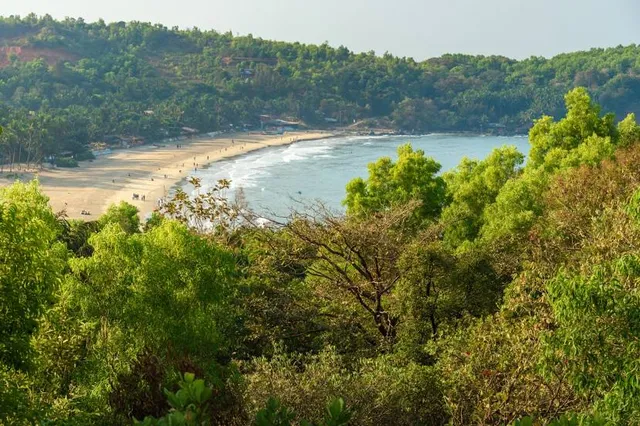
The temple is located close to the Gokarna beach, so after your visit, you can take a short walk to the beach, which adds to the overall spiritual experience.
Facilities and Accessibility: The temple is well-maintained, and the surroundings are clean. There are basic facilities available near the temple, including places to buy pooja (worship) items. However, it’s advisable to come prepared with your own essentials like water and snacks, as options are limited around the temple area.
Paid parking is available nearby, but during peak seasons or festivals, the area can become crowded, so arriving early is recommended.
Overall Verdict: Visiting the Mahabaleshwar Temple in Gokarna is a spiritually enriching experience. The temple’s deep historical roots, coupled with its serene environment, make it a place of great devotion and peace. The strict dress code and traditional rituals add to the authenticity of the visit, ensuring that it remains a deeply respectful and sacred space. Whether you’re a devotee or someone interested in experiencing the cultural heritage of India, this temple is a must-see...
Read more