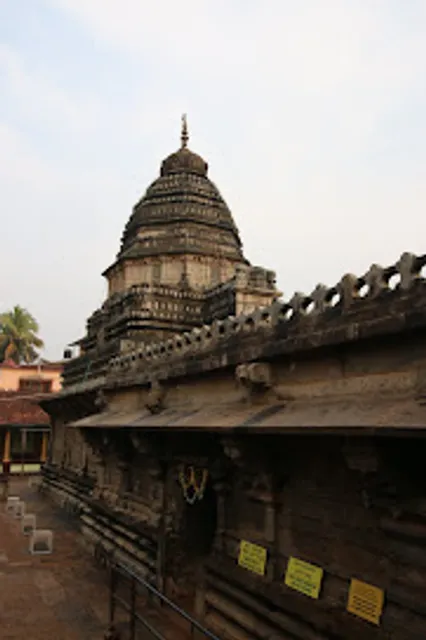
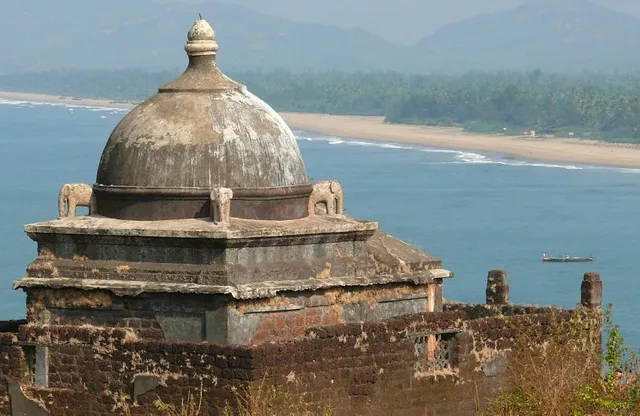
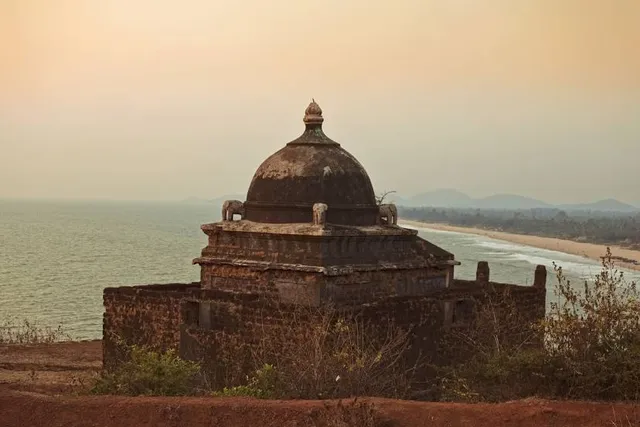
The Mahabaleshwar Temple in Gokarna is a deeply revered and ancient Hindu temple dedicated to Lord Shiva. It holds immense significance for devotees and is often referred to as the "Kashi of the South." The temple’s spiritual atmosphere, combined with its historical and cultural importance, makes it a must-visit destination for pilgrims and travelers alike.
Timings: The temple is open to devotees every day, with the following timings: Morning: 6:00 AM to 12:30 PM Evening: 5:00 PM to 8:00 PM
These timings allow for a visit either in the early morning, which is a peaceful time for darshan (viewing of the deity), or in the evening when the temple is beautifully lit, creating a serene atmosphere.
Dress Code: The Mahabaleshwar Temple follows a traditional dress code, which is strictly enforced. Men are required to wear dhotis, and they must remove their shirts before entering the inner sanctum. Women should dress modestly, ideally in sarees or salwar kameez that cover the shoulders and knees. Western attire, such as jeans, shorts, or sleeveless tops, is not permitted within the temple premises. It’s important to adhere to these guidelines out of respect for the religious customs and traditions.
The Experience: The temple’s architecture is simple yet profoundly spiritual, with its ancient stone structure exuding a sense of timelessness. The main deity, a Shiva Linga, is believed to be a powerful Atmalinga (a representation of Lord Shiva), and many devotees visit the temple to offer prayers and seek blessings.
The rituals performed here are deeply traditional, and the temple priests are attentive, helping visitors with the rituals and explaining their significance. The sanctity of the temple is palpable, and the entire experience is one of deep devotion and tranquility.
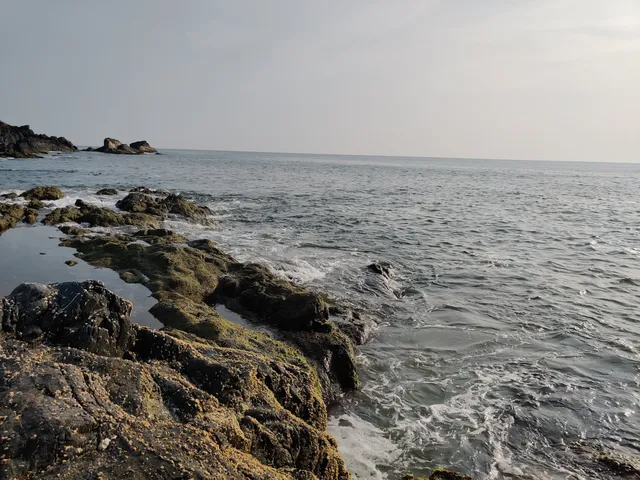
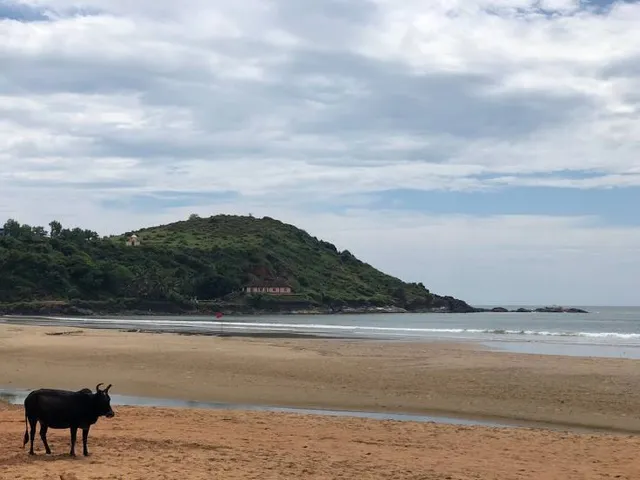
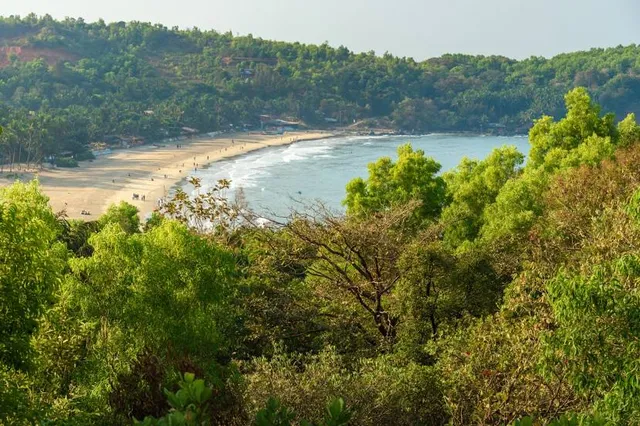
The temple is located close to the Gokarna beach, so after your visit, you can take a short walk to the beach, which adds to the overall spiritual experience.
Facilities and Accessibility: The temple is well-maintained, and the surroundings are clean. There are basic facilities available near the temple, including places to buy pooja (worship) items. However, it’s advisable to come prepared with your own essentials like water and snacks, as options are limited around the temple area.
Paid parking is available nearby, but during peak seasons or festivals, the area can become crowded, so arriving early is recommended.
Overall Verdict: Visiting the Mahabaleshwar Temple in Gokarna is a spiritually enriching experience. The temple’s deep historical roots, coupled with its serene environment, make it a place of great devotion and peace. The strict dress code and traditional rituals add to the authenticity of the visit, ensuring that it remains a deeply respectful and sacred space. Whether you’re a devotee or someone interested in experiencing the cultural heritage of India, this temple is a must-see...
Read moreDriving on the night before Full Moon Day in Karthikeya month of Hindu Calendar, through the spell-bounding ghats & forests of Uttara Kannada district was a feeling that could never be forgotten.
Started @ 4 am from Hyderabad, took a pit stop at Raichur to grab a quick breakfast. The track from there was a little rough and we could only speed @ about 50 kmph and tiresome. The only respite was beautiful sunflower crops span over the landscapes with huge Windmills in between.
It was almost 4 pm when we reached Yellapur....
.. Thanks to Google Maps... we never lost our way anywhere....
..... bought ourselves some cool beverages and some snacks... resumed driving..... and here comes the surprise....
Close contact with nature driving down the ghat section.... unbelievably huge forest range with Sun peeking through the long trees now and then...... some hoardings suggesting a nearby waterfall .... we could even hear clearly the sound of waterfall at some places....
Then came another turn where we found a sign board directing us to take a left turn to travel to Gokarna..... the clock was showing past 6 pm... waited for 5 mins on the road only to discover a tractor coming along the road.... we could manage to stop the driver and asked if we can take the left to reach Gokarna???...... He replied "Yes... you can save some 50 to 60 km by this rough patch of road rather than going straight via Ankola."
We decided to take the rough patch of road of about 35 kms..... first felt scary.... then regained our senses and kept traversing through the woods. At 7.30 p.m. we reached Madanageri to realize that we are all most there.
Next 15 mins drive was through various villages (not sure if there were 4 to 5 villages we passed or it was only one)...... and ...
We reached Gokarna....
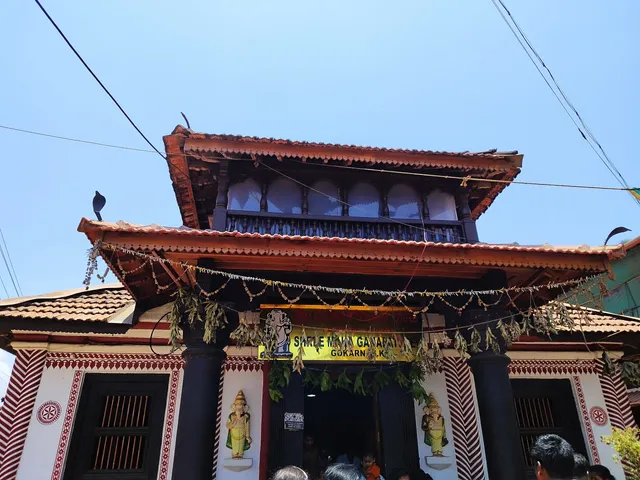
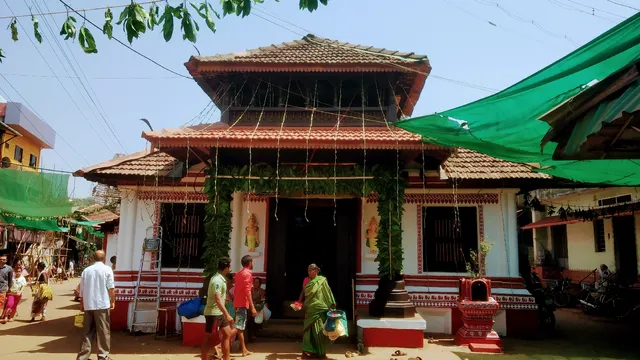
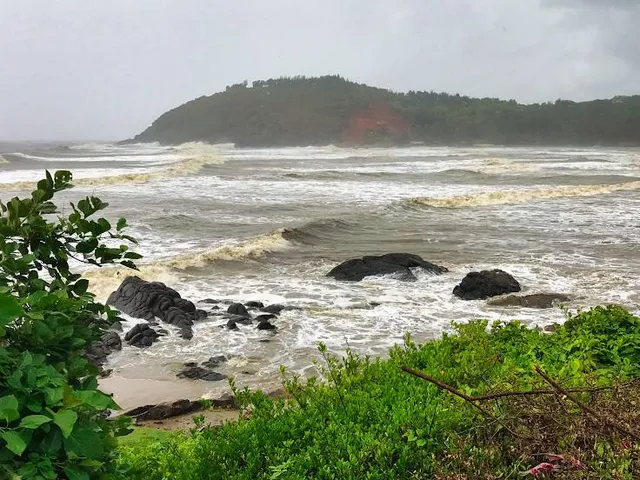
The beach... The Mahabaleshwar Temple... The Ganesh Temple.... no words to express our pleasure and soulful joy.... can only be experienced.
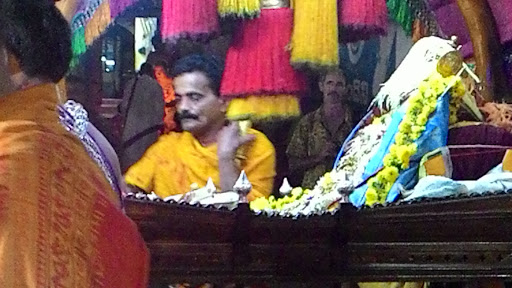
We felt very blessed when we knew that "Kalyanotsava" will be performed on the "Karthika Pournami" Day every year and we were there without any knowledge of it.... We had a playful time at the beach, went for a darshan... which in fact was "Aatmalinga Sparsha" at the sanctorum and then accompanied the "Palki Utsav" of Goddess Parvathi through the lanes of Gokarna to the Pushkarini, got the flowers as "Prasada" of Lord Shiva and Goddess Parvathi..
Next day, we resumed our journey to visit...
Read moreThe Mahabaleshwar Temple, Gokarna is a 4th-century CE Hindu temple located in Gokarna, Uttara Kannada district, Karnataka state, India which is built in the classical Dravidian architectural style. It is a site of religious pilgrimage. The temple faces the Gokarna beach on the Arabian Sea. The temple deifies the Pranalinga ("the reality of God which can be captured by the mind") also called Atmalinga or Shiva Linga. In legend, it is said that the deity of the temple will bestow immense blessings to devotees, even to those who only glimpse it. It is one of the 275 paadal preta sthalams expounded in the Tevaram, a sacred Tamil Shaivite text written during the 6th and 7th centuries by 63 saints called Nayanars.
The temple is one of the seven sacred Muktikshetras or Muktistala ("places of salvation") where many Hindus perform obsequies (death rites) for their departed.This sanctum is understood as Bhookailasa and therefore considered as the Southern Varanasi. (Ref. Skandha Purana, Guru Charitra).
Gokarna means Cow’s Ear. it’s believed that Lord Shiva emerged from the ear of a cow (Prithvi, the Mother Earth) here. it’s at the ear-shaped confluence of two rivers Gangavali and Aghanashini. Thus Gokarna gained global spiritual significance. Performing Maha Mrityunjaya Homam at Gokarna has its own very significance.
Gokarna is mentioned within the Shrimad Bhagavata Purana as being the house of the brothers Gokarna and Dhundhakari. Mahabaleshwara Temple (Maha: great, bal: strength) is a famous Shiva Temple and it houses the ‘Atmalinga’
The Brahmin king Raja Mayooravarma was instrumental in bringing the primary 30 approximately families to Gokarna. Brahmins have a history of 1300 years back and documental proofs are available since the 15th century about Gokarna priests and students for performing various pujas like Navagraha-purak-aghorastra-puja, Narayan bali, Kaal Sarp dosh puja, Maha Mrantuynjya Homam, pind pradhan, tripindi Shraddha, etc. The availability of an honest number of learned scholars in Sanskrit and Vedic experts in Gokarna is another advantage aside from the individuality of this sanctum in India.
Since the Atma linga of Lord Shiva is at Gokarna, all pujas are performed...
Read more