HTML SitemapExplore
logo
Find Things to DoFind The Best Restaurants

Palace of Vira Harihara — Attraction in Karnataka

Name
Palace of Vira Harihara
Description
Nearby attractions
Hazara Raama Temple
8F99+4G2, Karnataka 583221, India
Royal Palace
The Great Platform, Karnataka 583221, India
Lotus Mahal
8FCC+4G8, SH 131, Hampi, Karnataka 583221, India
Underground Shiva Temple
8F97+4JV, Hampi, Karnataka 583239, India
Krishnadevaraya Palace Base
8F89+G2W, Hampi, Karnataka 583221, India
Zanana Enclosure
8FCC+88X, Hampi, Karnataka 583221, India
Elephant Stables
8FCF+C3X, Hampi, Karnataka 583221, India
Queen's Bathhouse
8F7C+9X9, Karnataka 583221, India
Nearby restaurants
Nearby hotels
Related posts
Keywords
Palace of Vira Harihara tourism.Palace of Vira Harihara hotels.Palace of Vira Harihara bed and breakfast. flights to Palace of Vira Harihara.Palace of Vira Harihara attractions.Palace of Vira Harihara restaurants.Palace of Vira Harihara travel.Palace of Vira Harihara travel guide.Palace of Vira Harihara travel blog.Palace of Vira Harihara pictures.Palace of Vira Harihara photos.Palace of Vira Harihara travel tips.Palace of Vira Harihara maps.Palace of Vira Harihara things to do.
Palace of Vira Harihara things to do, attractions, restaurants, events info and trip planning
Palace of Vira Harihara
IndiaKarnatakaPalace of Vira Harihara

Basic Info

Palace of Vira Harihara

8F98+CXQ, Karnataka 583221, India
4.6(36)
Open 24 hours
Save
spot

Ratings & Description

Info

Cultural
Scenic
attractions: Hazara Raama Temple, Royal Palace, Lotus Mahal, Underground Shiva Temple, Krishnadevaraya Palace Base, Zanana Enclosure, Elephant Stables, Queen's Bathhouse, restaurants:
logoLearn more insights from Wanderboat AI.

Plan your stay

hotel
Pet-friendly Hotels in Karnataka
Find a cozy hotel nearby and make it a full experience.
hotel
Affordable Hotels in Karnataka
Find a cozy hotel nearby and make it a full experience.
hotel
The Coolest Hotels You Haven't Heard Of (Yet)
Find a cozy hotel nearby and make it a full experience.
hotel
Trending Stays Worth the Hype in Karnataka
Find a cozy hotel nearby and make it a full experience.

Reviews

Nearby attractions of Palace of Vira Harihara

Hazara Raama Temple

Royal Palace

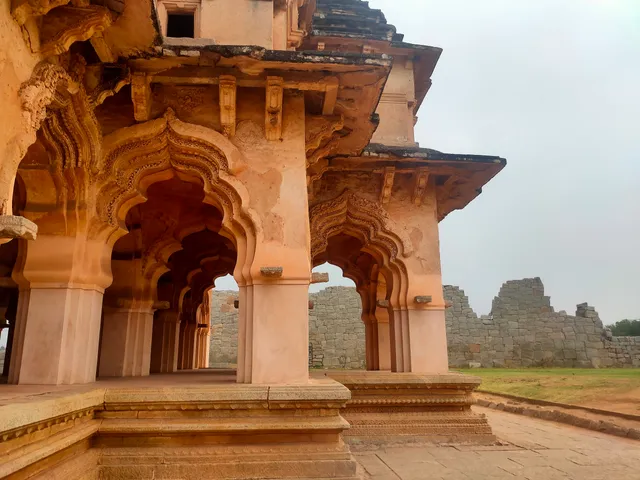
Lotus Mahal

Underground Shiva Temple

Krishnadevaraya Palace Base

Zanana Enclosure

Elephant Stables

Queen's Bathhouse

Hazara Raama Temple

Hazara Raama Temple

4.7

(984)

Open 24 hours
Click for details
Royal Palace

Royal Palace

4.6

(2.9K)

Open until 6:00 PM
Click for details
Lotus Mahal

Lotus Mahal

4.6

(4K)

Open until 6:00 PM
Click for details
Underground Shiva Temple

Underground Shiva Temple

4.5

(1.1K)

Open 24 hours
Click for details
Get the Appoverlay
Get the AppOne tap to find yournext favorite spots!
Wanderboat LogoWanderboat

Your everyday Al companion for getaway ideas

CompanyAbout Us
InformationAI Trip PlannerSitemap
SocialXInstagramTiktokLinkedin
LegalTerms of ServicePrivacy Policy

Get the app

© 2025 Wanderboat. All rights reserved.
logo

Posts

SHIVRAJ NALAWADESHIVRAJ NALAWADE
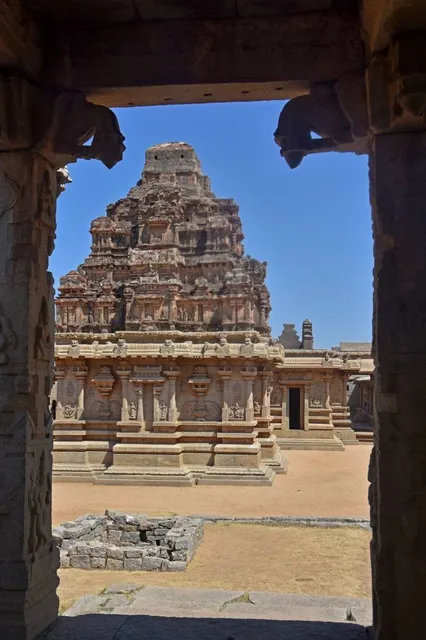
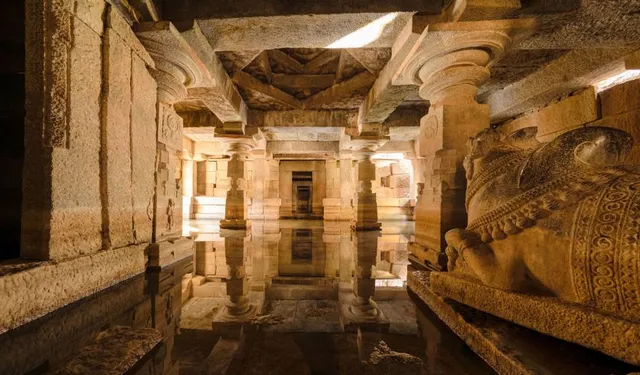
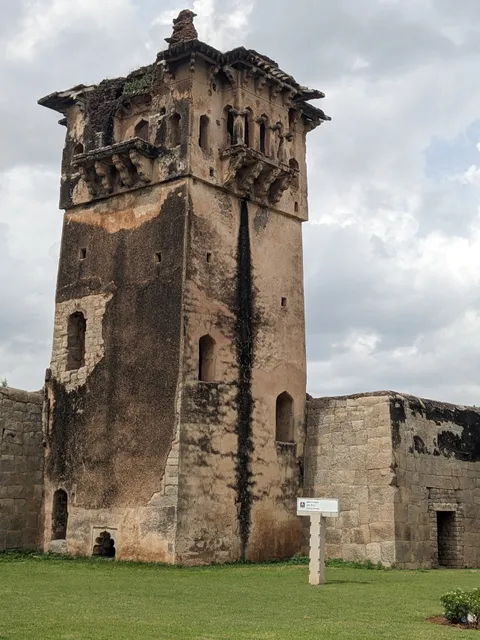
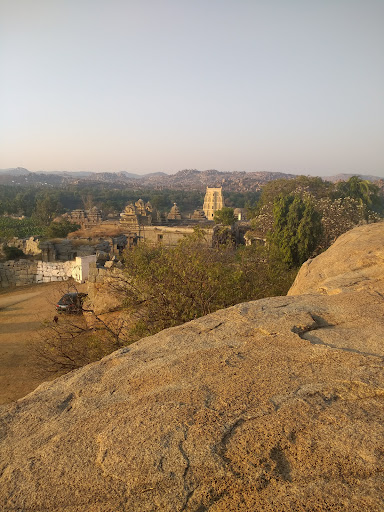
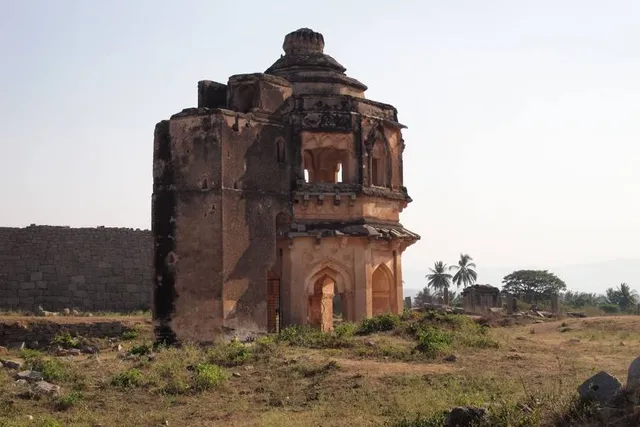
Palace of Vira Harihara at Hampi The Palace of Vira Harihara is one of the important archaeological sites in Hampi, the capital of the Vijayanagara Empire. Named after Vira Harihara I, one of the founding rulers of the empire, the palace today lies in ruins, but its remains give valuable insight into the architectural excellence, lifestyle, and grandeur of the Vijayanagara kings. The palace was located within the Royal Enclosure, the fortified area that housed the most significant structures of the empire, including the King’s Audience Hall, the Mahanavami Dibba, and the Stepwell. The Palace of Vira Harihara is believed to have been one of the earliest royal structures built in Hampi, dating back to the 14th century. Though little remains today apart from its foundations and base structures, the site still reflects the scale and planning of Vijayanagara palaces. The palace was constructed mainly with stone foundations and superstructures of brick and wood. Since the upper parts of the building were made of perishable materials, they could not withstand the destruction that followed the empire’s fall in 1565 CE. What survives today are the stone bases, platforms, and remnants of staircases, which outline the palace’s original design. The remains suggest that the palace was a multi-storied building, richly decorated and used for administrative as well as residential purposes. One striking feature of the site is its symmetrical layout, indicating advanced urban planning. The palace complex was likely surrounded by gardens, water channels, and smaller structures for attendants and soldiers. Its proximity to other royal buildings shows that it was part of the core political center of Hampi. Historically, Vira Harihara I, along with his brother Bukka Raya I, laid the foundation of the Vijayanagara Empire in the 14th century. Naming the palace after him highlights his importance as one of the dynasty’s earliest and most respected rulers. The palace would have symbolized royal authority, cultural pride, and the might of the new capital city. Today, the Palace of Vira Harihara is preserved as an archaeological site. Although only its stone outlines remain, it attracts historians, archaeologists, and tourists who try to imagine the grandeur it once displayed. Standing amidst the ruins of the Royal Enclosure, it silently narrates the story of the empire’s glorious beginnings and tragic fall. In conclusion, the Palace of Vira Harihara is a symbol of the Vijayanagara Empire’s early royal architecture and heritage. Though in ruins, it remains a significant part of Hampi’s history, reflecting the empire’s strength, vision, and cultural richness.
Rishi KolvekarRishi Kolvekar
Fact: When you visit this place (or any temple around), you won't see any elephant carving with its trunk, when Muslim Sultanate looted Vijaynagara empire, they broke all the trunks, sine they had precious stones attached to them. The Palace of Vira Harihara in Hampi was a grand structure that served as the residence for the King of the Vijayanagara Empire. Located within the fortified area of the Royal Enclosure near the Hazara Rama Temple, the palace was a symbol of the empire's opulence and power. Constructed in the 14th century during the reign of Harihara Raya II, also known as Vira Harihara II, the palace featured elaborate architecture and design elements. It remained in use by subsequent kings of the Vijayanagara Empire until its downfall in 1565 A.D. due to an attack by the Deccan Sultanate. Today, the palace's foundation layouts continue to attract visitors, offering a glimpse into the grand lifestyle of the Vijayanagara Kings. The site stands as a reminder of the empire's rich history and architectural heritage, drawing history enthusiasts and tourists alike. Recommendation: take a guide along.
Melina DomenellaMelina Domenella
Es un lugar interesante para ver. Llegar a Hampi es un poco complicado pero desde Goa salen buses nocturnos. Toda Hampi es interesante para recorrer, desde el elefante del templo, el río y su actividad diaria, hasta los templos y paisajes
hotel
Find your stay

Pet-friendly Hotels in Karnataka

Find a cozy hotel nearby and make it a full experience.

Palace of Vira Harihara at Hampi The Palace of Vira Harihara is one of the important archaeological sites in Hampi, the capital of the Vijayanagara Empire. Named after Vira Harihara I, one of the founding rulers of the empire, the palace today lies in ruins, but its remains give valuable insight into the architectural excellence, lifestyle, and grandeur of the Vijayanagara kings. The palace was located within the Royal Enclosure, the fortified area that housed the most significant structures of the empire, including the King’s Audience Hall, the Mahanavami Dibba, and the Stepwell. The Palace of Vira Harihara is believed to have been one of the earliest royal structures built in Hampi, dating back to the 14th century. Though little remains today apart from its foundations and base structures, the site still reflects the scale and planning of Vijayanagara palaces. The palace was constructed mainly with stone foundations and superstructures of brick and wood. Since the upper parts of the building were made of perishable materials, they could not withstand the destruction that followed the empire’s fall in 1565 CE. What survives today are the stone bases, platforms, and remnants of staircases, which outline the palace’s original design. The remains suggest that the palace was a multi-storied building, richly decorated and used for administrative as well as residential purposes. One striking feature of the site is its symmetrical layout, indicating advanced urban planning. The palace complex was likely surrounded by gardens, water channels, and smaller structures for attendants and soldiers. Its proximity to other royal buildings shows that it was part of the core political center of Hampi. Historically, Vira Harihara I, along with his brother Bukka Raya I, laid the foundation of the Vijayanagara Empire in the 14th century. Naming the palace after him highlights his importance as one of the dynasty’s earliest and most respected rulers. The palace would have symbolized royal authority, cultural pride, and the might of the new capital city. Today, the Palace of Vira Harihara is preserved as an archaeological site. Although only its stone outlines remain, it attracts historians, archaeologists, and tourists who try to imagine the grandeur it once displayed. Standing amidst the ruins of the Royal Enclosure, it silently narrates the story of the empire’s glorious beginnings and tragic fall. In conclusion, the Palace of Vira Harihara is a symbol of the Vijayanagara Empire’s early royal architecture and heritage. Though in ruins, it remains a significant part of Hampi’s history, reflecting the empire’s strength, vision, and cultural richness.
SHIVRAJ NALAWADE

SHIVRAJ NALAWADE

hotel
Find your stay

Affordable Hotels in Karnataka

Find a cozy hotel nearby and make it a full experience.

Get the Appoverlay
Get the AppOne tap to find yournext favorite spots!
Fact: When you visit this place (or any temple around), you won't see any elephant carving with its trunk, when Muslim Sultanate looted Vijaynagara empire, they broke all the trunks, sine they had precious stones attached to them. The Palace of Vira Harihara in Hampi was a grand structure that served as the residence for the King of the Vijayanagara Empire. Located within the fortified area of the Royal Enclosure near the Hazara Rama Temple, the palace was a symbol of the empire's opulence and power. Constructed in the 14th century during the reign of Harihara Raya II, also known as Vira Harihara II, the palace featured elaborate architecture and design elements. It remained in use by subsequent kings of the Vijayanagara Empire until its downfall in 1565 A.D. due to an attack by the Deccan Sultanate. Today, the palace's foundation layouts continue to attract visitors, offering a glimpse into the grand lifestyle of the Vijayanagara Kings. The site stands as a reminder of the empire's rich history and architectural heritage, drawing history enthusiasts and tourists alike. Recommendation: take a guide along.
Rishi Kolvekar

Rishi Kolvekar

hotel
Find your stay

The Coolest Hotels You Haven't Heard Of (Yet)

Find a cozy hotel nearby and make it a full experience.

hotel
Find your stay

Trending Stays Worth the Hype in Karnataka

Find a cozy hotel nearby and make it a full experience.

Es un lugar interesante para ver. Llegar a Hampi es un poco complicado pero desde Goa salen buses nocturnos. Toda Hampi es interesante para recorrer, desde el elefante del templo, el río y su actividad diaria, hasta los templos y paisajes
Melina Domenella

Melina Domenella

create-post
Turn your ideas into a post and inspire others!
Create

Reviews of Palace of Vira Harihara

4.6
(36)
avatar
5.0
12w

Palace of Vira Harihara at Hampi

The Palace of Vira Harihara is one of the important archaeological sites in Hampi, the capital of the Vijayanagara Empire. Named after Vira Harihara I, one of the founding rulers of the empire, the palace today lies in ruins, but its remains give valuable insight into the architectural excellence, lifestyle, and grandeur of the Vijayanagara kings.

The palace was located within the Royal Enclosure, the fortified area that housed the most significant structures of the empire, including the King’s Audience Hall, the Mahanavami Dibba, and the Stepwell. The Palace of Vira Harihara is believed to have been one of the earliest royal structures built in Hampi, dating back to the 14th century. Though little remains today apart from its foundations and base structures, the site still reflects the scale and planning of Vijayanagara palaces.

The palace was constructed mainly with stone foundations and superstructures of brick and wood. Since the upper parts of the building were made of perishable materials, they could not withstand the destruction that followed the empire’s fall in 1565 CE. What survives today are the stone bases, platforms, and remnants of staircases, which outline the palace’s original design. The remains suggest that the palace was a multi-storied building, richly decorated and used for administrative as well as residential purposes.

One striking feature of the site is its symmetrical layout, indicating advanced urban planning. The palace complex was likely surrounded by gardens, water channels, and smaller structures for attendants and soldiers. Its proximity to other royal buildings shows that it was part of the core political center of Hampi.

Historically, Vira Harihara I, along with his brother Bukka Raya I, laid the foundation of the Vijayanagara Empire in the 14th century. Naming the palace after him highlights his importance as one of the dynasty’s earliest and most respected rulers. The palace would have symbolized royal authority, cultural pride, and the might of the new capital city.

Today, the Palace of Vira Harihara is preserved as an archaeological site. Although only its stone outlines remain, it attracts historians, archaeologists, and tourists who try to imagine the grandeur it once displayed. Standing amidst the ruins of the Royal Enclosure, it silently narrates the story of the empire’s glorious beginnings and tragic fall.

In conclusion, the Palace of Vira Harihara is a symbol of the Vijayanagara Empire’s early royal architecture and heritage. Though in ruins, it remains a significant part of Hampi’s history, reflecting the empire’s strength, vision, and...

   Read more
avatar
4.0
1y

Fact: When you visit this place (or any temple around), you won't see any elephant carving with its trunk, when Muslim Sultanate looted Vijaynagara empire, they broke all the trunks, sine they had precious stones attached to them.

The Palace of Vira Harihara in Hampi was a grand structure that served as the residence for the King of the Vijayanagara Empire. Located within the fortified area of the Royal Enclosure near the Hazara Rama Temple, the palace was a symbol of the empire's opulence and power.

Constructed in the 14th century during the reign of Harihara Raya II, also known as Vira Harihara II, the palace featured elaborate architecture and design elements. It remained in use by subsequent kings of the Vijayanagara Empire until its downfall in 1565 A.D. due to an attack by the Deccan Sultanate.

Today, the palace's foundation layouts continue to attract visitors, offering a glimpse into the grand lifestyle of the Vijayanagara Kings. The site stands as a reminder of the empire's rich history and architectural heritage, drawing history enthusiasts and tourists alike.

Recommendation: take a...

   Read more
avatar
5.0
22w

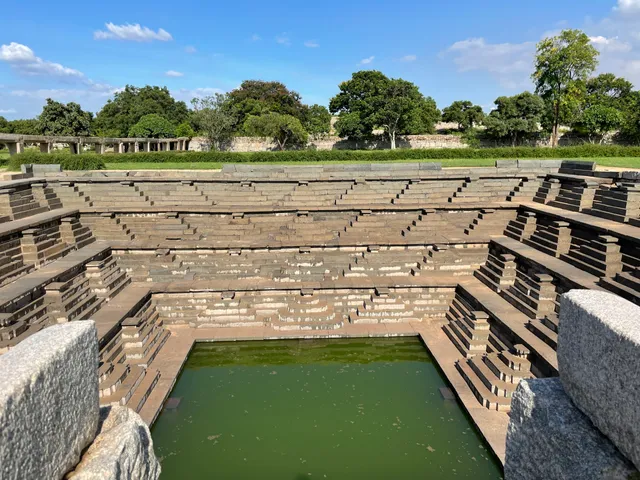
Visited Feb 2025. Looks bare and uninteresting - but there are some real gems here : a 700+ year old raised (western style) toilet with a attached septic tank! flower pots that were directly connected to the water canal system! a nice step pond with a cow-head water inlet! a platform from where the king could easily climb up to a elephants back! Def a place...

   Read more
Page 1 of 5
Previous
Next