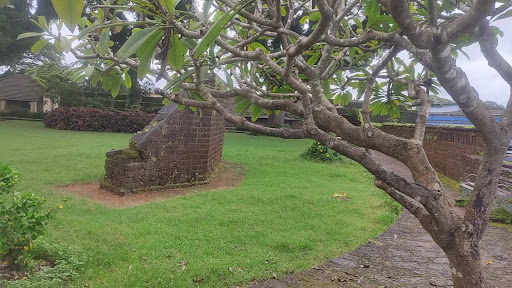
Built by the East India Company in 1683 CE as part of a factory, for trade purposes and then later used as a military base and administrative centre for British rule in India, the Thalassery Fort has been witness to centuries of history.
A formidable historical monument, the Thalassery Fort stands proud in the quaint town of Thalassery which is located 22kms from Kannur district in Kerala. Thalassery was once one of the most relevant and important European trading centres of God’s Own Country. Constructed in a strategically advantageous location the fort was built to withstand all forms of attacks or invasions. It is believed that it is a blend of jaggery, egg white and quick lime that was used to erect the fort that is flanked by bastions. Underground chambers that were once used to store goods like pepper and cardamom can still be seen. It is also believed that the East India Company also used to mint their coins here.
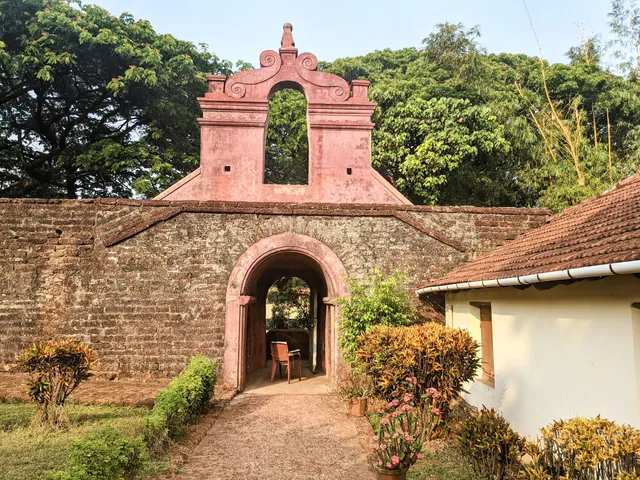
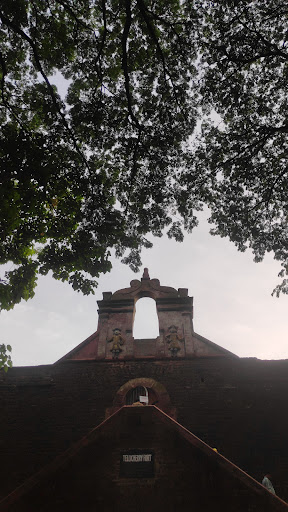
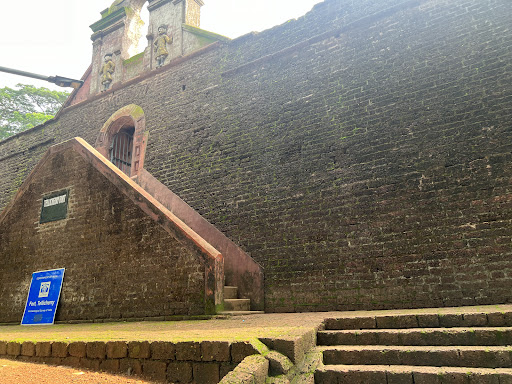
The massive walls, exquisitely carved doors and mysterious tunnels that lead to the sea all make this fort a delight to visit and explore. Once at the centre of Thalassery’s development, the square shaped fort stands 90 feet above sea level and its entrance is set on a 10 meter tall wall. There is also a short lighthouse nearby that adds to its charm and more importantly, announces it as a harbour town.
An excellent example of the skill and craftsmanship of the architects of yesteryears, some of the underground chambers of the Thalassery Fort were once used as prisons while some others were used as administrative offices. After independence the Fort housed government offices. It is in the year 1999 CE that the Archaeology Department of India took over the fort and started preserving and protecting it ever since. The nearby Holy Rosary Church can be seen from the premises of the fort. The Sardar palli (mosque) and the Jagannatha temple are two other notable places of worship that are located close to the fort.
The Thalassery Fort has borne witness to history being written. It has seen rulers come and go. It has seen the growth of Thalassery from a small centre of trade to a full fledged town and then a location of great military significance. It has played a big role in the way in which this town has become rich in cultural and social tradition over the centuries that have passed.
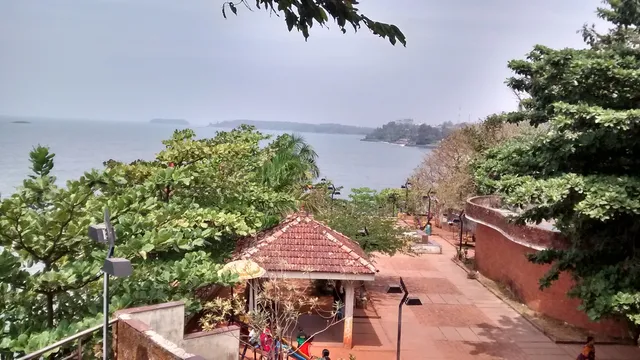
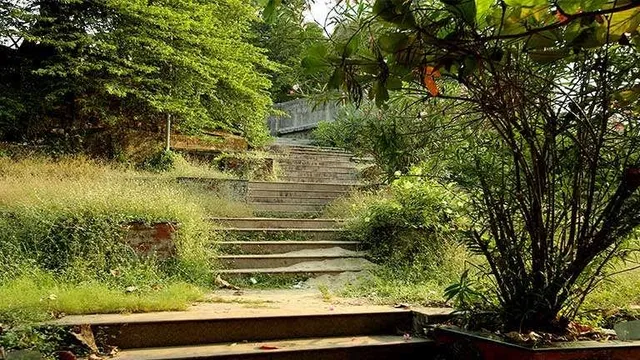
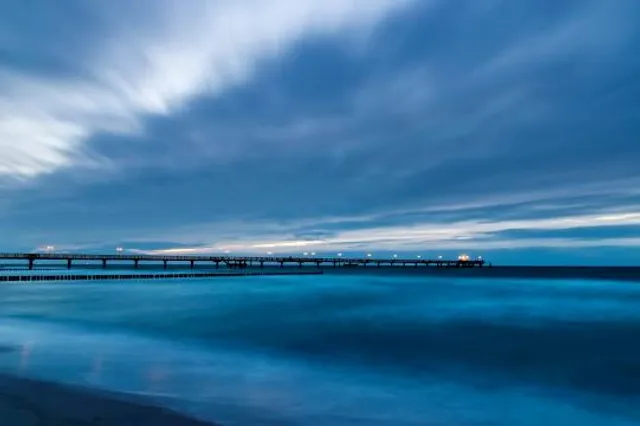
As you walk through its corridors and see its ancient walls, tread with caution and respect for history sleeps here. For those travellers who seek a glimpse into the storied past of Kerala, a visit to the Thalassery Fort is not to be missed for it offers one a captivating journey into the past through time. The sprawling grounds of the fort, its colossal walls and structures, the panoramic views of the Arabian Sea, and the exquisite architecture that has withstood the test of time, all set the perfect backdrop for an adventure...
Read moreThalassery Fort, nestled in the coastal town of Thalassery (Tellicherry) in Kerala’s Kannur district, is a captivating blend of colonial history and architectural grandeur. Built by the British East India Company in 1703, this fort stands as a testament to Kerala’s colonial past, offering visitors a journey through time with its robust laterite walls, secret tunnels, and panoramic sea views .
Historical Significance
The fort played a pivotal role in British military and trade activities, serving as a strategic hub during conflicts like the rebellion led by Pazhassi Raja . Its architecture reflects a fusion of European and traditional Kerala styles, featuring massive bastions, intricately carved doors, and an underground chamber believed to have been used for minting coins . Notably, the fort’s secret tunnel to the sea—though now closed—adds an air of mystery to its storied past .
Visitor Experience
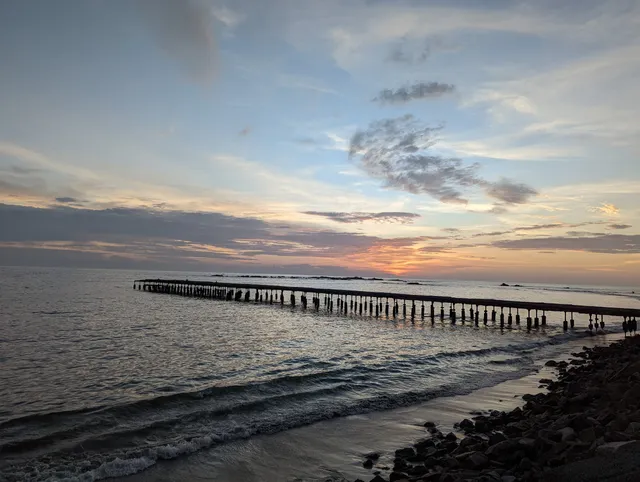
The fort’s serene atmosphere and well-maintained gardens make it ideal for leisurely exploration. Highlights include: Lighthouse & Views: Climb the precarious stairs to the lighthouse for breathtaking vistas of the Arabian Sea, especially during sunset . Museum & Gallery: An on-site gallery displays artifacts, weapons, and paintings, enriching the historical narrative . Architectural Marvels: Admire the laterite walls, loop-holed bastions, and the grand entrance adorned with 18th-century murals .
Practical Tips
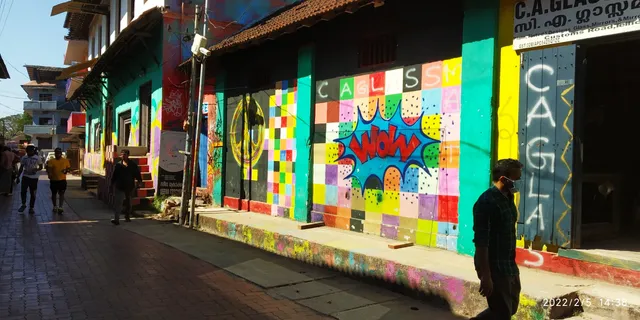
Timings: Open daily from 8:00 AM to 6:00 PM, with free entry . Guided Tours: Consider hiring a guide to delve deeper into the fort’s history, as informational signage is limited . Nearby Attractions: Combine your visit with the Odathil Palli Mosque, Thalassery Beach, or the vibrant Heritage Street .
Visitor Feedback
While most praise the fort’s historical ambiance and scenic beauty, some note that areas like the underground chambers are inaccessible, and the site could benefit from better preservation efforts . However, the peaceful environment and lack of crowds make it a rewarding stop for history enthusiasts and photographers alike .
Final Thoughts
Thalassery Fort is more than just a relic; it’s a window into Kerala’s colonial legacy. Whether you’re drawn to its architectural splendor, intrigued by its military history, or simply seeking a tranquil spot by the sea, this fort delivers a memorable experience. Pair your visit with a taste of Thalassery’s famed biryani for a perfect cultural immersion!
explore the nearby Muzhappilangad Drive-in Beach or attend a Theyyam performance to round...
Read moreThalassery Fort, also known as Tellicherry Fort, is a historical landmark located in Thalassery, Kannur district, Kerala, India. It was built by the British East India Company in 1708 and served as a key trading post and military base during the colonial era. History: Early European Presence: The Malabar Coast, where Thalassery is situated, had been a hub for trade and commerce for centuries. European powers, including the Portuguese, Dutch, and British, sought to establish their presence in the region to control the lucrative spice trade.
British East India Company: The British East India Company obtained permission from the local ruler, the Kolathiri Raja, to establish a trading post at Thalassery in 1683. Initially, it was a small factory, but as their influence grew, they constructed a more substantial fort in 1708. Strategic Importance: Thalassery Fort's strategic location on the coast made it an important center for British military operations in the Malabar region. It played a crucial role in their conflicts with local rulers like Pazhassi Raja. Trade and Administration: The fort also served as a warehouse for spices like pepper and cardamom, which were transported to Europe. It became the administrative headquarters for the British in Malabar from 1776 to 1800. Later Years: After India's independence, the fort was used for various purposes, including housing government offices. In recent years, it has been recognized for its historical significance and is now under the care of the Archaeological Survey of India. Architectural Features: Massive Structure: The fort is built on a rocky cliff overlooking the sea, with massive laterite walls and a distinctive entrance at the top of a towering wall. Lighthouse: A small lighthouse is situated within the fort, offering panoramic views of the Arabian Sea. Underground Chambers: The fort also features underground chambers that were once used for storage. Significance: Thalassery Fort stands as a testament to the colonial history of India and the influence of European powers in the region. It serves as a reminder of the struggles for control over trade and territory, and its architectural features offer a glimpse into the military and administrative strategies of the British East...
Read more