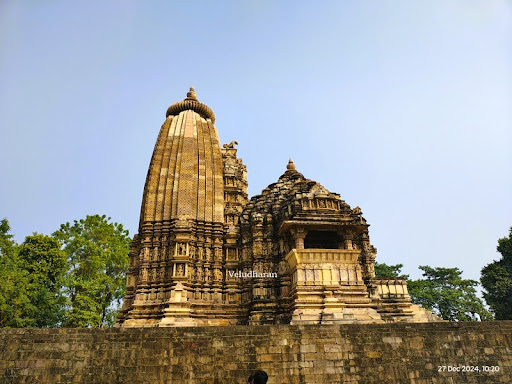
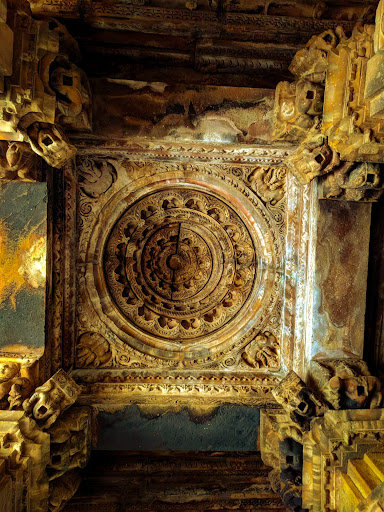
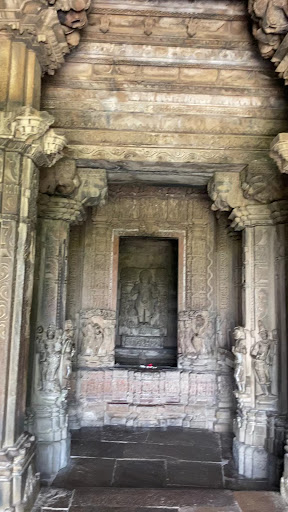
Vamana Temple things to do, attractions, restaurants, events info and trip planning
Basic Info
Vamana Temple
VW2P+H2M, Beniganj Rd, Eastern Group of Temples, Sevagram, Khajuraho, Madhya Pradesh 471606, India
4.6(391)
Open 24 hours
Save
spot
spot
Ratings & Description
Info
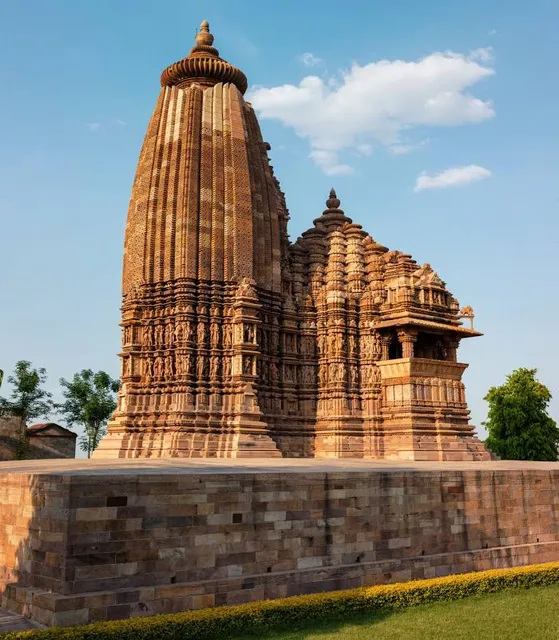
Vamana temple is a Hindu temple dedicated to Vamana, an avatar of the god Vishnu. The temple was built between 1050 and 1075. It forms part of the Khajuraho Group of Monuments, a UNESCO World Heritage Site listed because of its exceptional architecture, art, and testimony to the Chandela dynasty.
Cultural
Scenic
attractions: Javari Temple Khajuraho, Brahma Temple, Bhagawan Parshwanath Digambar Jain Mandir, Sri Aadinath Digambar Jain Mandir, restaurants: Dada Boudir Hotel, Karuna Restaurant, Shiv Mahima Restaurant, Mediterranean Café and Restaurant, The Brown poles restro and cafe khajuraho, Guru Kripa, Dilli darbar, AVR Restaurant Khajuraho, Rock N Roll Restaurant, Agrawal Marwadi Bhojanalay, local businesses: Sri Shantinath Digambar Jain Mandir
 Learn more insights from Wanderboat AI.
Plan your stay

Pet-friendly Hotels in Khajuraho
Find a cozy hotel nearby and make it a full experience.

Affordable Hotels in Khajuraho
Find a cozy hotel nearby and make it a full experience.

The Coolest Hotels You Haven't Heard Of (Yet)
Find a cozy hotel nearby and make it a full experience.

Trending Stays Worth the Hype in Khajuraho
Find a cozy hotel nearby and make it a full experience.
Reviews
Nearby attractions of Vamana Temple
Javari Temple Khajuraho
Brahma Temple
Bhagawan Parshwanath Digambar Jain Mandir
Sri Aadinath Digambar Jain Mandir
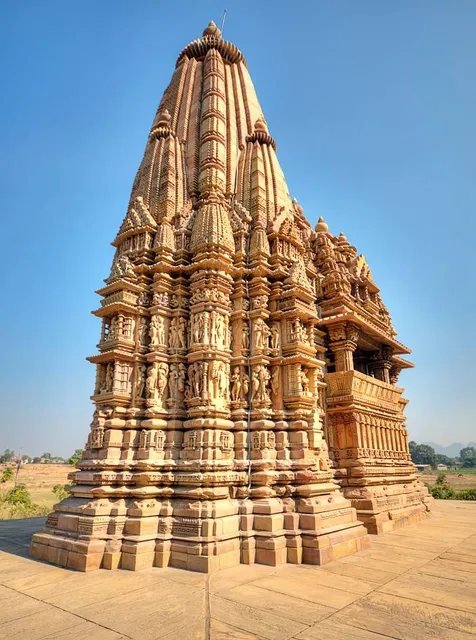
Javari Temple Khajuraho
4.5
(152)
Closed
Click for details
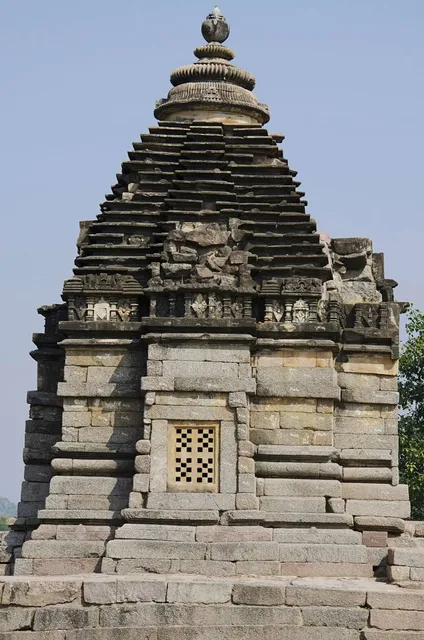
Brahma Temple
4.2
(107)
Closed
Click for details
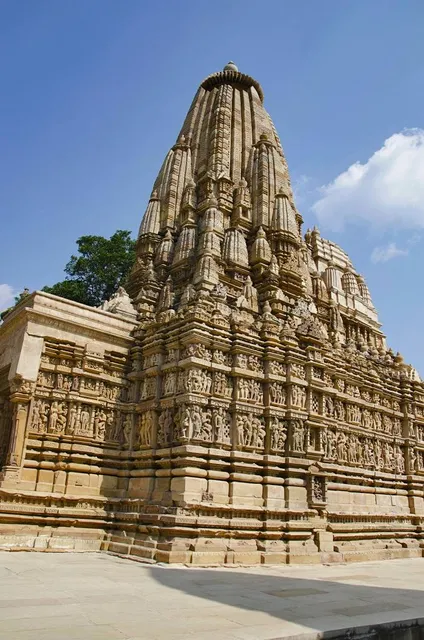
Bhagawan Parshwanath Digambar Jain Mandir
4.6
(616)
Closed
Click for details
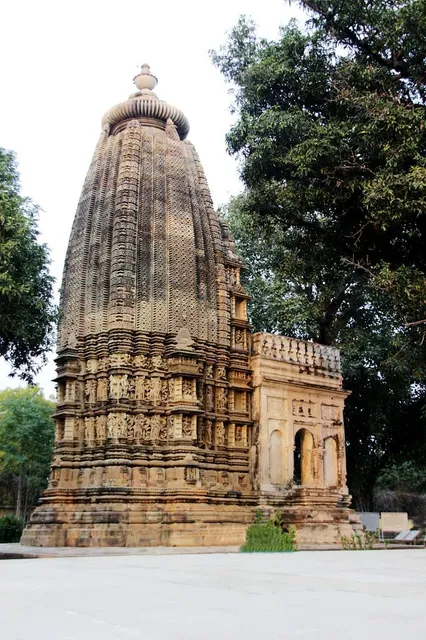
Sri Aadinath Digambar Jain Mandir
4.5
(52)
Closed
Click for details
Nearby restaurants of Vamana Temple
Dada Boudir Hotel
Karuna Restaurant
Shiv Mahima Restaurant
Mediterranean Café and Restaurant
The Brown poles restro and cafe khajuraho
Guru Kripa
Dilli darbar
AVR Restaurant Khajuraho
Rock N Roll Restaurant
Agrawal Marwadi Bhojanalay
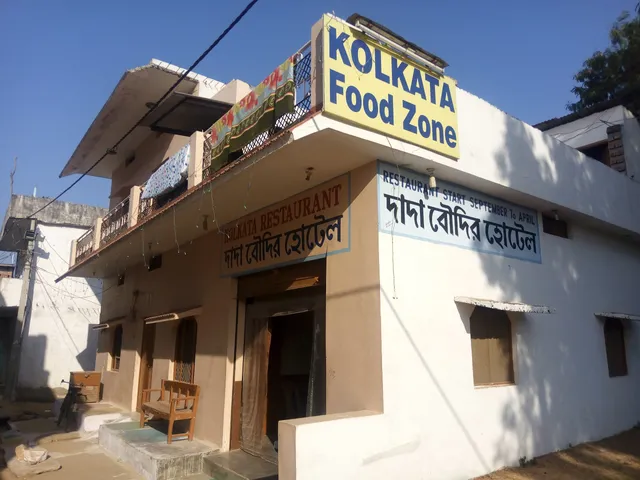
Dada Boudir Hotel
4.2
(40)
Closed
Click for details

Karuna Restaurant
4.8
(24)
Closed
Click for details
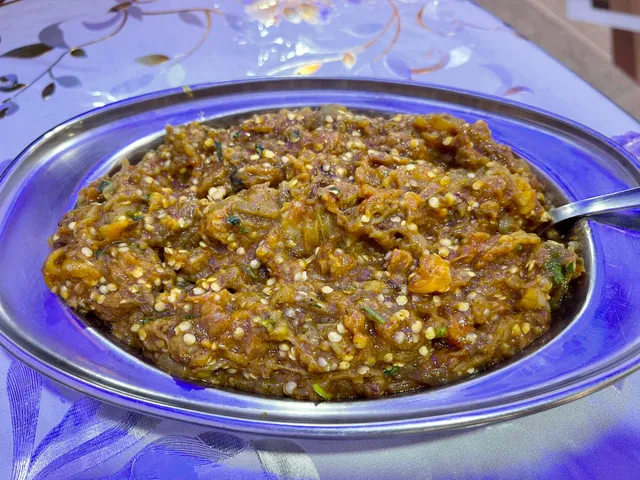
Shiv Mahima Restaurant
5.0
(185)
Closed
Click for details
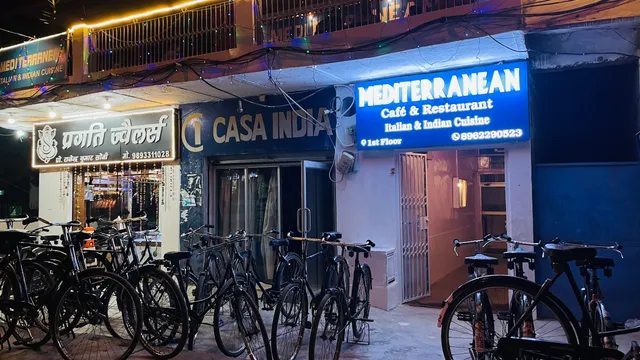
Mediterranean Café and Restaurant
4.2
(200)
Open until 12:00 AM
Click for details
Nearby local services of Vamana Temple
Sri Shantinath Digambar Jain Mandir
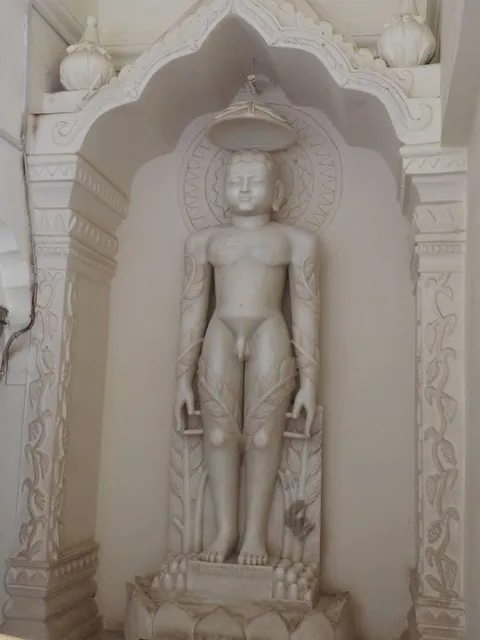
Sri Shantinath Digambar Jain Mandir
4.7
(54)
Click for details