Tollygunge Choto Rash Bari things to do, attractions, restaurants, events info and trip planning
Basic Info
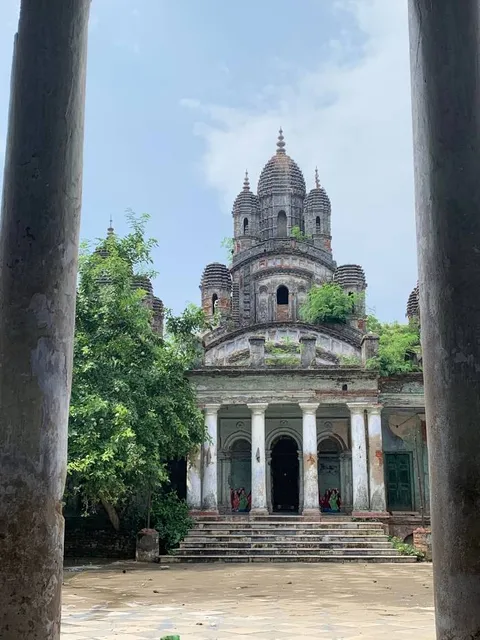
Tollygunge Choto Rash Bari
93, Tollygunge Rd, Sahanagar, Kalighat, Kolkata, West Bengal 700033, India
4.3(72)
Closed
Save
spot
spot
Ratings & Description
Info
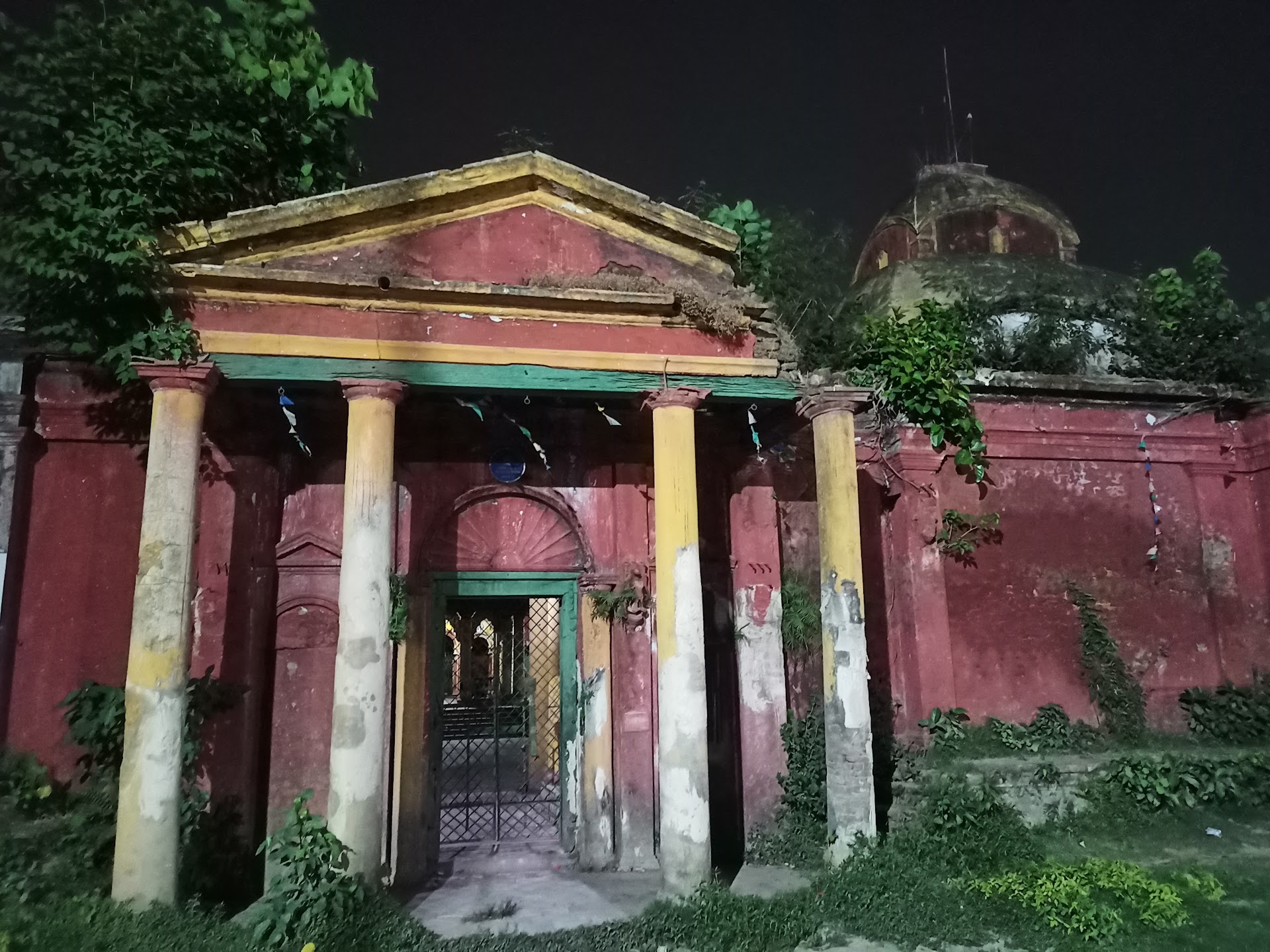
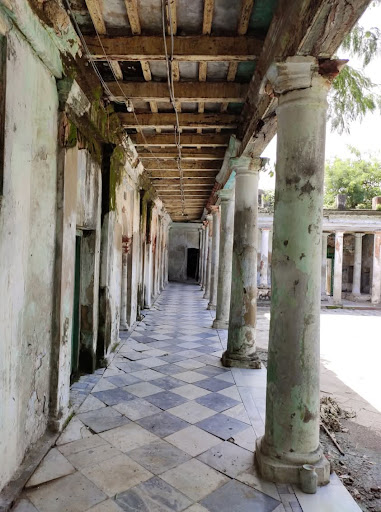
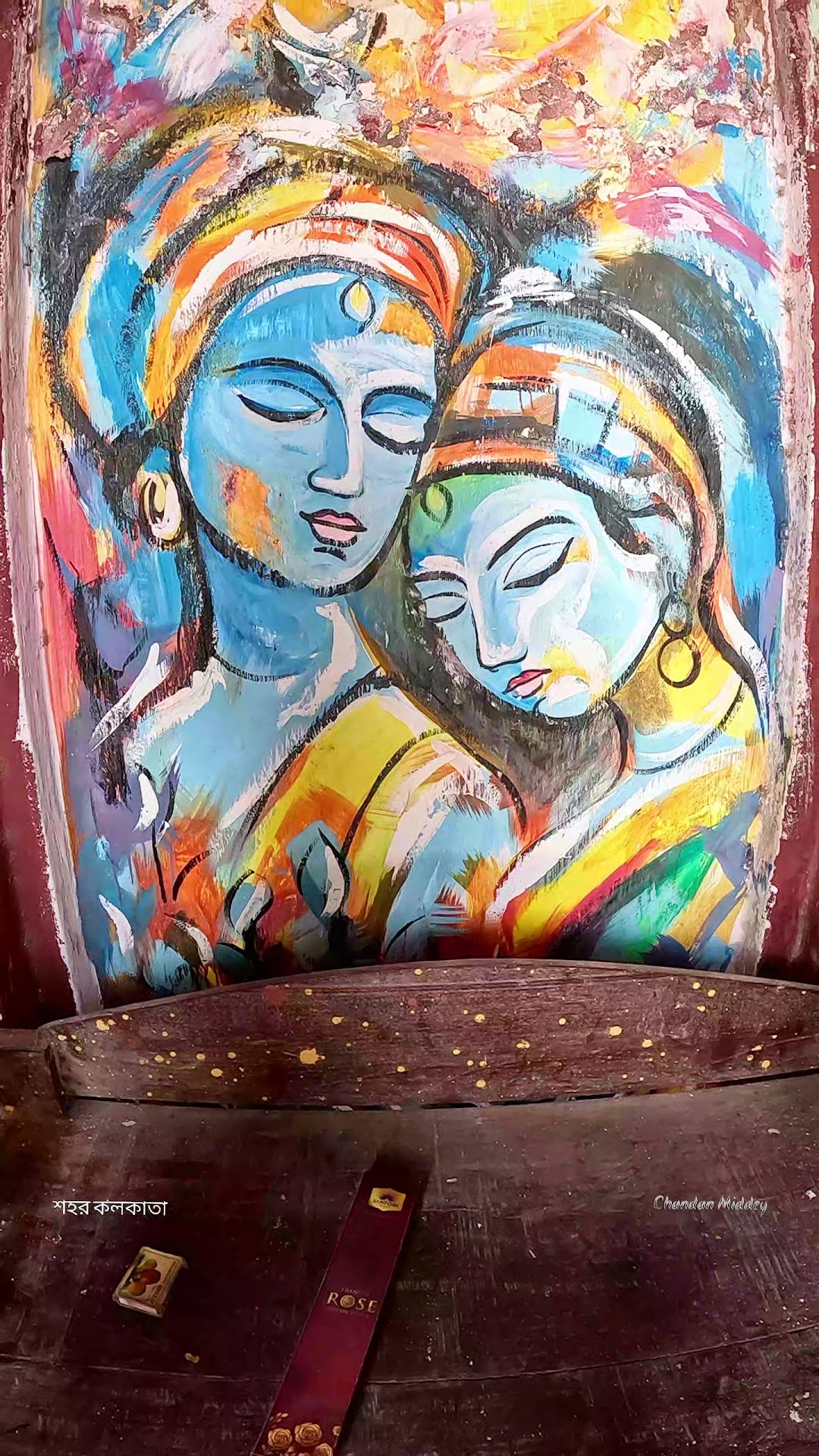
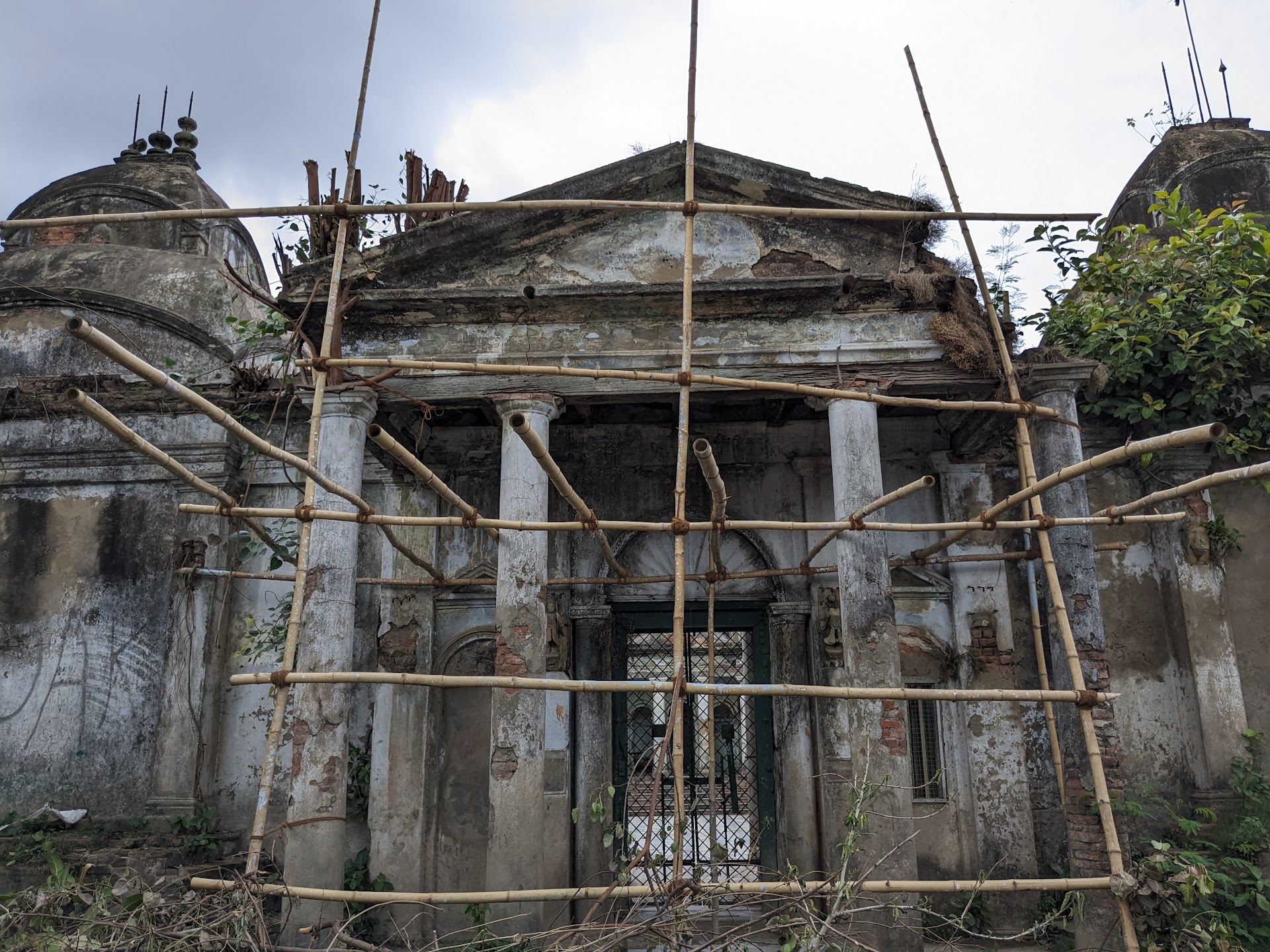
Choto Rashbari or Harihar Dham of 93, Tollygunge Road, Kolkata - 33 is a Grade-I heritage building under Kolkata Municipal Corporation.
Cultural
Family friendly
attractions: Mirage Art Gallery, Mahisur Udyan & Vishnu temple, restaurants: 95 Degree Café & Bakery, Zyka Restaurant & Bar, TRIPTI CAFE, Flavours of Kolkata, Peep In Restaurant, Biryanishk by The Biryani Company - Mudiali, South indian cafe, Daydreamer Love Your Cup, The Bengal Brickhouse, WOKSTREET, local businesses: Cake Decorating Solutions, Rabindra Sarovar, Hindustan Sweets, The Sugarr & Spice (Tollygunge Market), Monomohan Sweets, Annapurna Mistanna Bhandar (Mamar Dokan), J.B.Comida pvt ltd, Godrej Interio Modular Kitchen Gallery
 Learn more insights from Wanderboat AI.
Open hoursSee all hours
Mon8 - 10 AM, 6 - 8 PMClosed
Plan your stay

Pet-friendly Hotels in Kolkata
Find a cozy hotel nearby and make it a full experience.

Affordable Hotels in Kolkata
Find a cozy hotel nearby and make it a full experience.

The Coolest Hotels You Haven't Heard Of (Yet)
Find a cozy hotel nearby and make it a full experience.

Trending Stays Worth the Hype in Kolkata
Find a cozy hotel nearby and make it a full experience.
Reviews
Live events
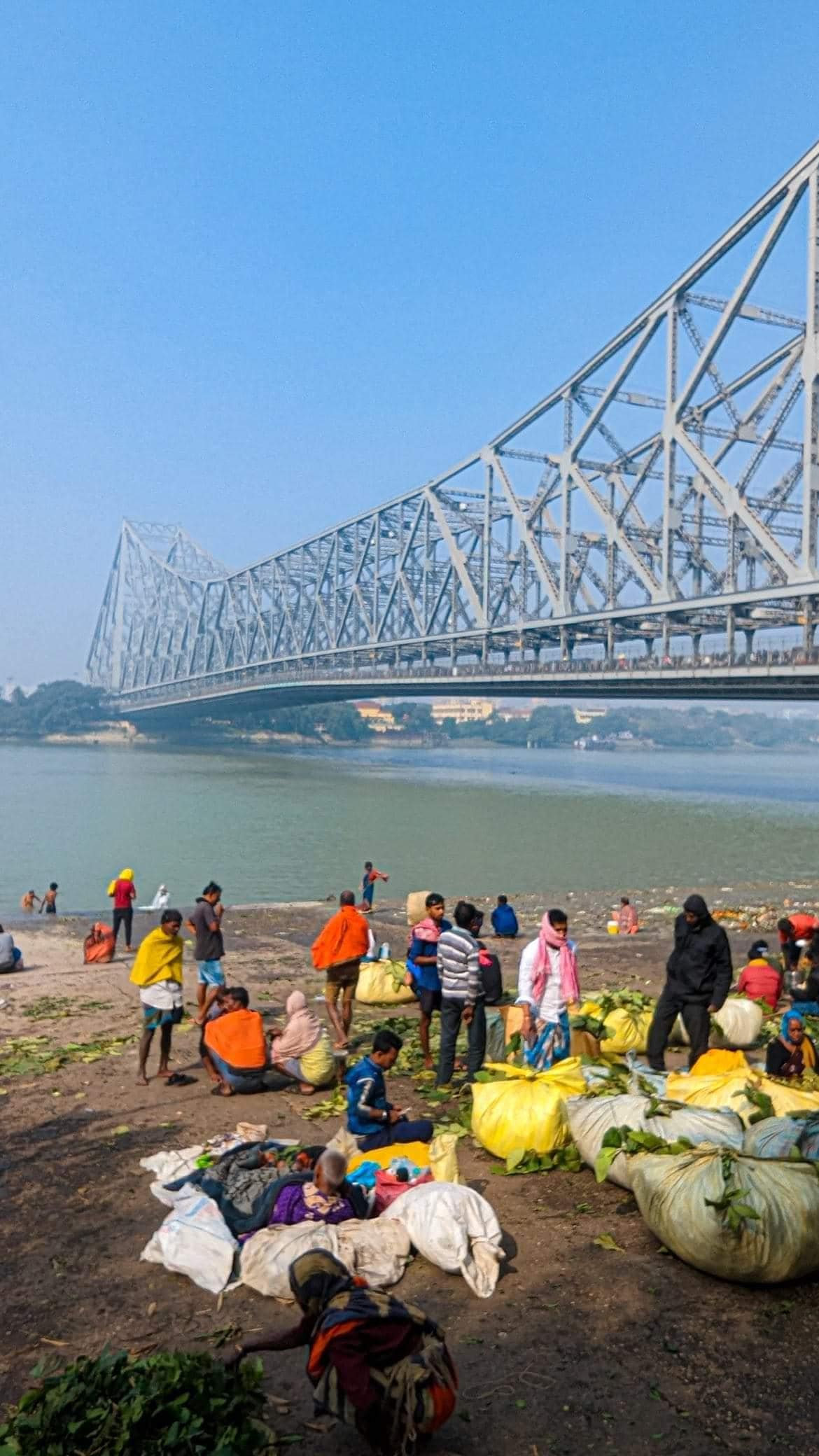
Kolkata: A Sea of Faces and A Thousand Places
Tue, Feb 10 • 9:30 AM
Kolkata, West Bengal, 700069, India
View details

Bengali Nights Food Tour with 15-plus tastings
Tue, Feb 10 • 5:00 PM
Kolkata, West Bengal, 700013, India
View details
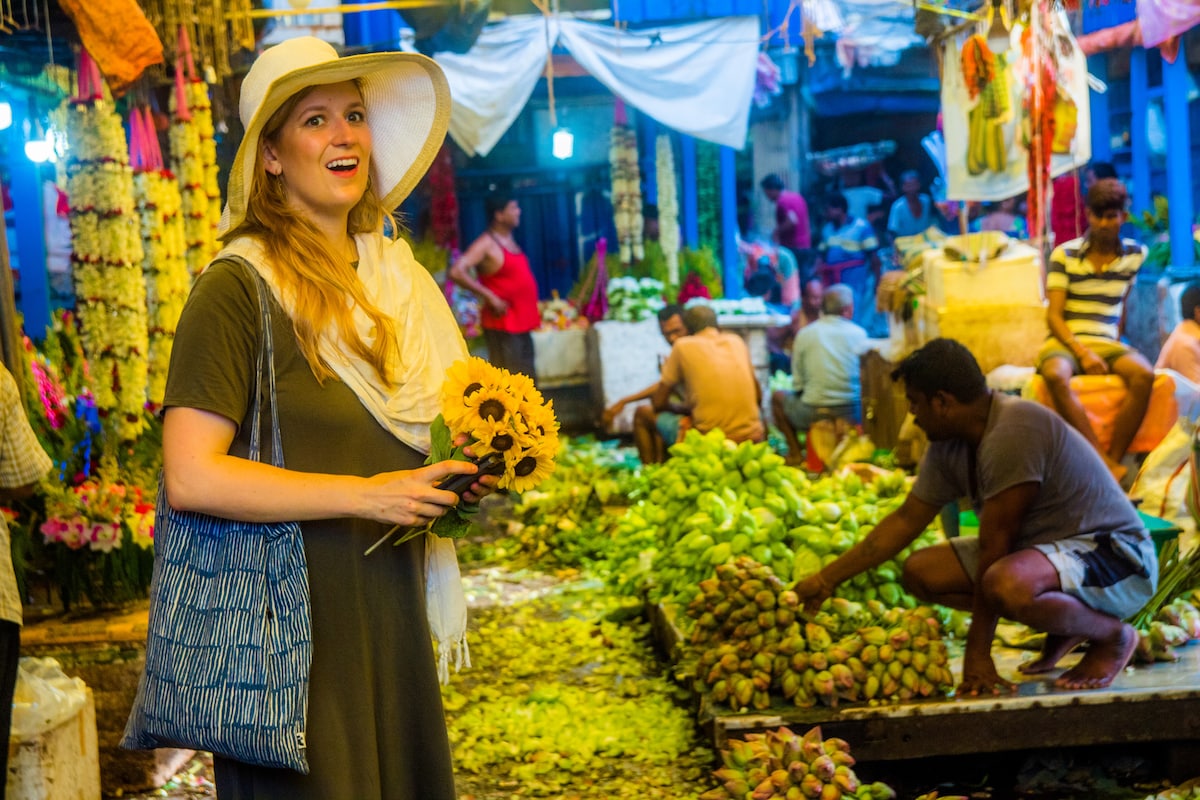
Watch Calcutta wake up- Magic Hour Tour
Tue, Feb 10 • 5:30 AM
Kolkata, West Bengal, 700072, India
View details
Nearby attractions of Tollygunge Choto Rash Bari
Mirage Art Gallery
Mahisur Udyan & Vishnu temple
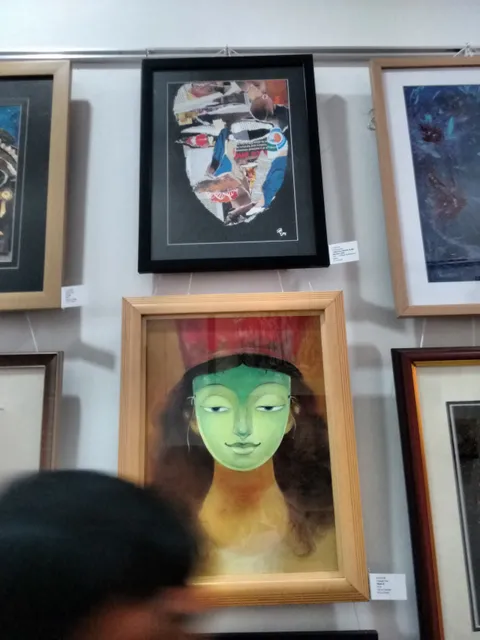
Mirage Art Gallery
4.1
(15)
Open until 12:00 AM
Click for details
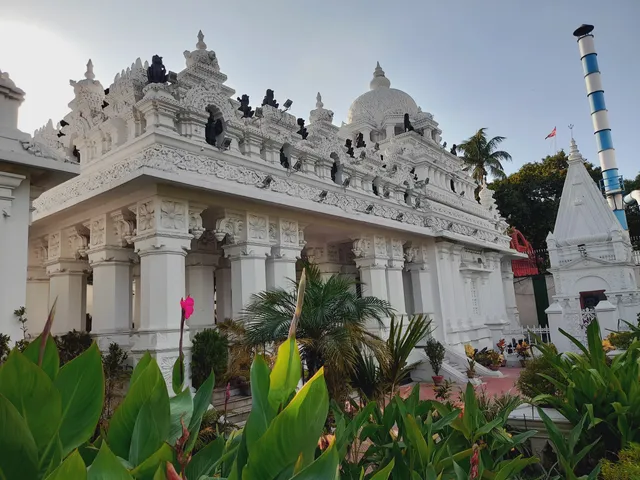
Mahisur Udyan & Vishnu temple
4.2
(429)
Closed
Click for details
Nearby restaurants of Tollygunge Choto Rash Bari
95 Degree Café & Bakery
Zyka Restaurant & Bar
TRIPTI CAFE
Flavours of Kolkata
Peep In Restaurant
Biryanishk by The Biryani Company - Mudiali
South indian cafe
Daydreamer Love Your Cup
The Bengal Brickhouse
WOKSTREET

95 Degree Café & Bakery
4.1
(298)
$$
Open until 10:30 PM
Click for details
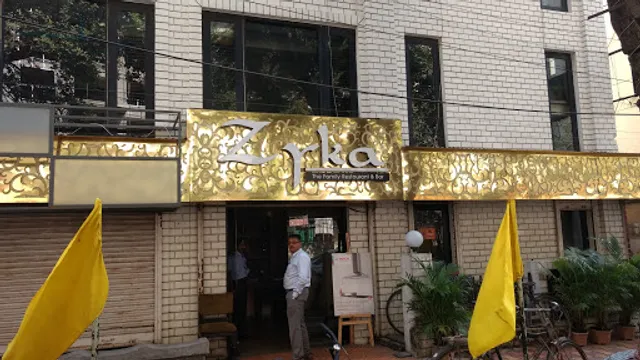
Zyka Restaurant & Bar
4.0
(1.3K)
$$
Open until 11:15 PM
Click for details
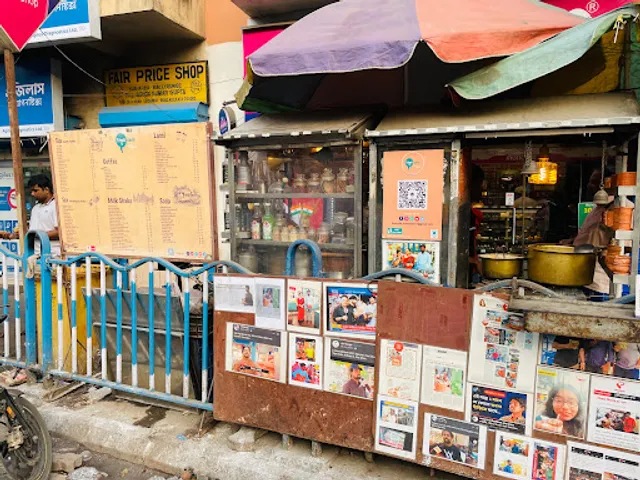
TRIPTI CAFE
4.3
(1.0K)
Open until 10:30 PM
Click for details
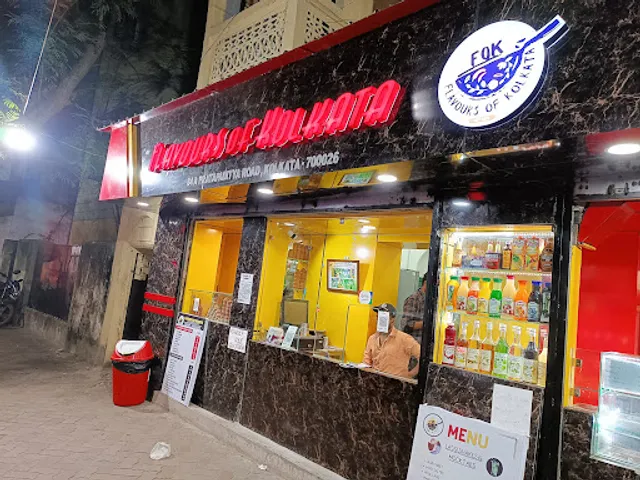
Flavours of Kolkata
4.7
(82)
Open until 10:00 PM
Click for details
Nearby local services of Tollygunge Choto Rash Bari
Cake Decorating Solutions
Rabindra Sarovar
Hindustan Sweets
The Sugarr & Spice (Tollygunge Market)
Monomohan Sweets
Annapurna Mistanna Bhandar (Mamar Dokan)
J.B.Comida pvt ltd
Godrej Interio Modular Kitchen Gallery

Cake Decorating Solutions
4.7
(64)
Click for details
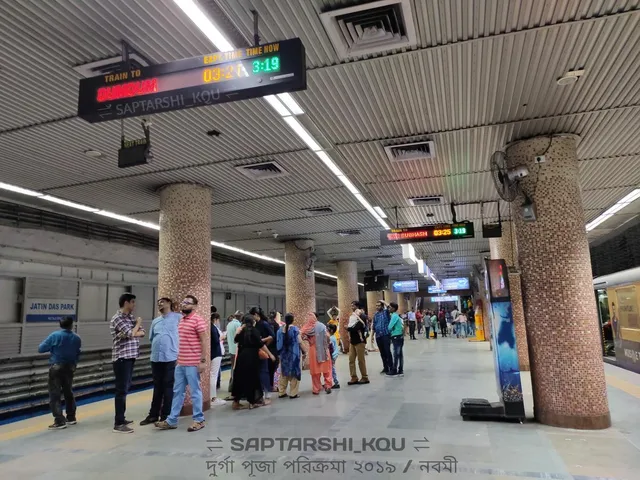
Rabindra Sarovar
4.4
(446)
Click for details
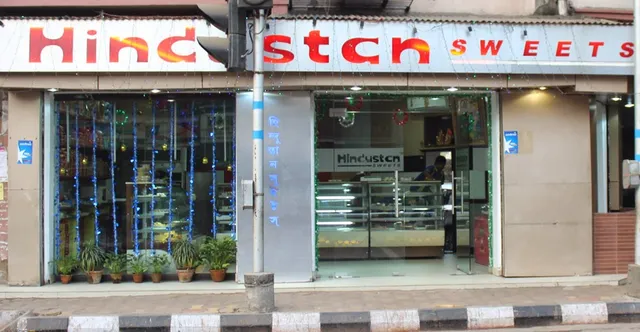
Hindustan Sweets
4.4
(1.6K)
Click for details
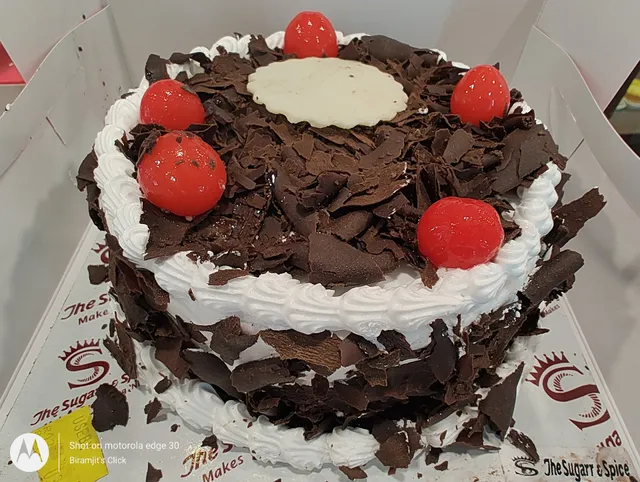
The Sugarr & Spice (Tollygunge Market)
4.1
(94)
Click for details