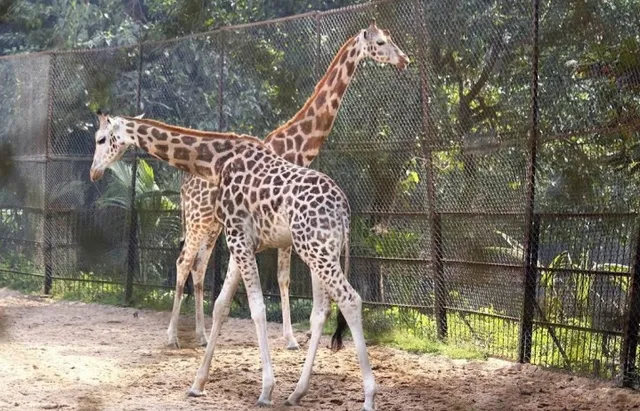
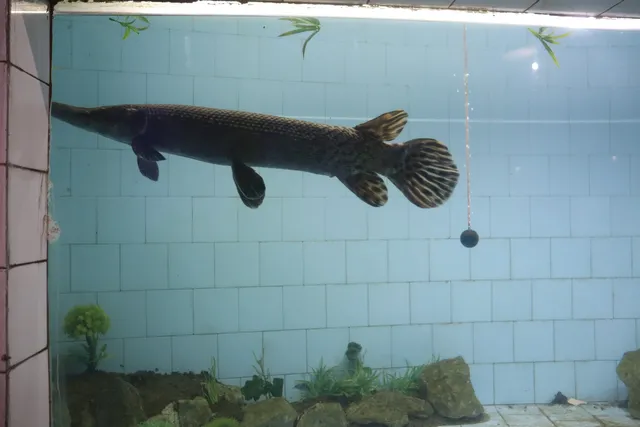
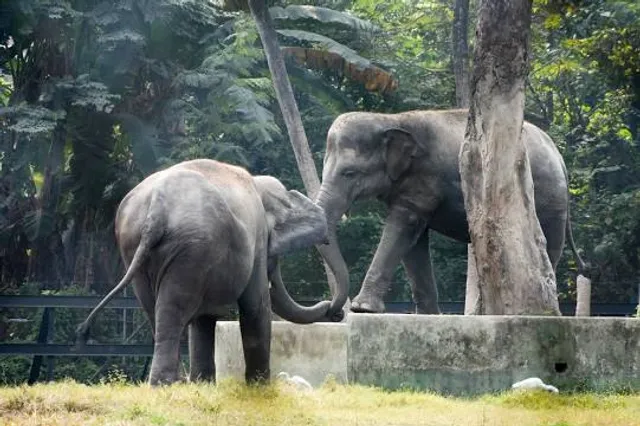
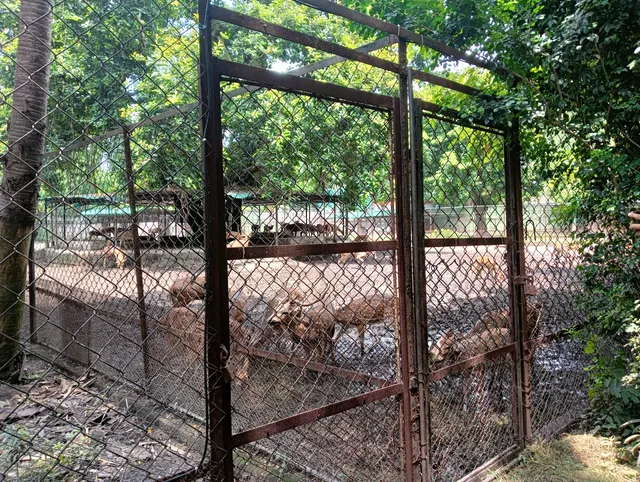
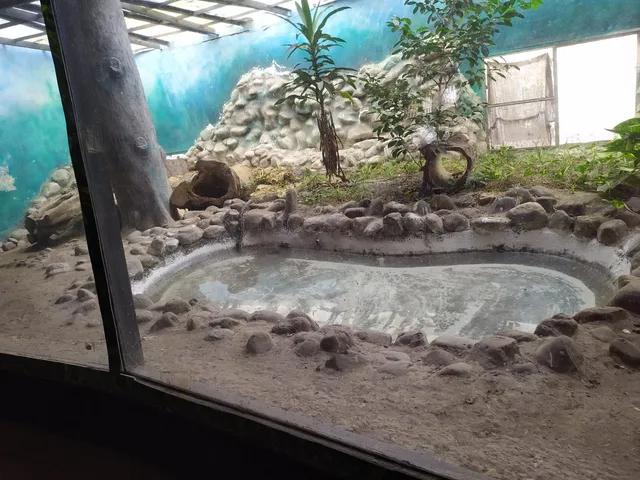
I must say that it was a truly enjoyable and educational experience. Spread across a sprawling area, the zoo is home to a diverse range of animal species, providing visitors with an opportunity to connect with wildlife in the heart of the city.
One of the highlights of the zoo is the variety of animals it houses. From majestic big cats like lions and tigers to playful primates like monkeys and gibbons, the zoo offers a chance to observe and learn about a wide array of species. I was particularly impressed by the efforts made to create naturalistic enclosures that provide a comfortable and stimulating environment for the animals. Seeing these creatures up close and witnessing their natural behaviors was truly captivating.
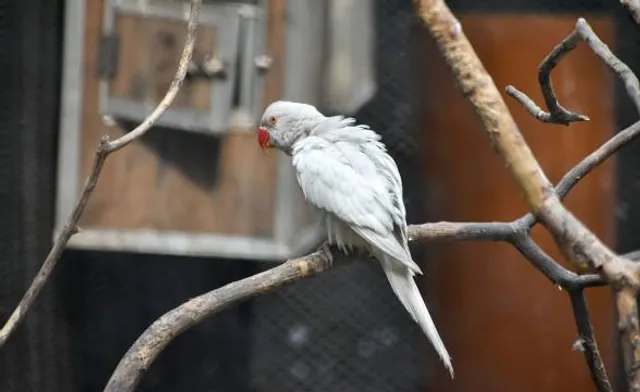
The zoo also houses a remarkable collection of birds from different parts of the world. Walking through the aviaries, I was mesmerized by the vibrant colors and melodious calls of various species. The bird section is a paradise for birdwatchers, allowing them to appreciate the beauty and diversity of avian life.
One of the key aspects that stood out to me during my visit was the emphasis on conservation and education. The zoo actively participates in breeding programs for endangered species, contributing to their preservation and eventual reintroduction into the wild. The staff members are knowledgeable and passionate about their work, providing valuable insights into the animals' natural habitats, conservation efforts, and the importance of protecting our biodiversity.
The zoo's infrastructure is well-maintained, with clean pathways and well-manicured gardens. The visitor facilities, such as restrooms and seating areas, are well-placed and convenient. I also appreciated the presence of informative signboards and displays throughout the zoo, offering interesting facts about the animals and their conservation status.
One aspect that could be improved upon is the availability of food and refreshments within the zoo premises. While there are a few snack stalls, having more options and a dedicated food court area would enhance the visitor experience, especially for those spending several hours exploring the zoo.
Overall, the Kolkata Alipore Zoo provides a wonderful opportunity for people of all ages to connect with nature and learn about the incredible diversity of wildlife. It serves as an important hub for conservation and education, raising awareness about the need to protect and preserve our natural heritage. Whether you're a family looking for a fun day out or an animal enthusiast seeking a close encounter with fascinating creatures, a visit to the Kolkata Alipore Zoo is a worthwhile experience. Prepare to be enthralled by the beauty of the animal kingdom and leave with a renewed appreciation for the importance of wildlife...
Read moreAlipore Zoological Garden (Alipore Zoo), Kolkata 🌿
Overview & History
Established: Officially founded on 1 Jan 1876 (opened to public on 6 May 1876); roots trace back to a private menagerie started around 1800 at Barrackpore by Governor‑General Richard Wellesley .
Significance: India’s oldest formally founded zoo, covering ~45 acres (≈18.8 ha) in Alipore, a prominent Kolkata suburb .
Patronage: Built and improved through donations by British officials and Indian nobility; first Indian superintendent was Ram Brahma Sanyal, renowned for captive breeding and scientific standards .
Notable Achievements
Breeding success: Hosted among the earliest zoo-born white tigers and reticulated giraffes; crucial breeding programme for the Manipur brow‑antlered deer helped rescue it from near extinction .
Historic births: Sumatran rhinoceros born in captivity here in 1889—preceding the next such birth anywhere until 1997 .
Conservation mission: Functions as a key breeding centre, conservation research site, and wildlife education hub, following National Zoo Policy goals .
Collections & Highlights
Animals: Features Royal Bengal tigers, African lions, jaguars, hippos, one‑horned rhinos, reticulated giraffes, Grant’s zebras, camels, elephants, plus kangaroos .
Birdlife: Rich in macaws, lorikeets, hornbills, pheasants, emus, ostriches and more .
Aquarium: Kolkata Aquarium is located just across the road, expanding the wildlife offerings .
Visitor Experience
Attracts ~3.4–3.8 million visitors annually, peaking in winter; highest single‑day attendance was 110,000 on 1 Jan 2018 .
Home to rare species like the Malayan tapir and mouse deer, recently added during its 150th anniversary celebrations .
Offers an “Adopt an Animal” program enabling individuals and groups to sponsor animals and support zoo upkeep, with various perks for adopters .
Cultural & National Importance
Artist Dinanath Bhargava studied Asiatic lions at this zoo for three months to sketch India’s national emblem for the Constitution .
🧭 Visitor Tips
Tip Details
Best time to visit Winter months (Dec–Jan) when animals are active and crowds peak Facilities Basic visitor amenities with ongoing modernization efforts; enquire on-site for accessibility needs Animal exchange Participates in wildlife exchange (e.g., with Nandankanan and Nehru Zoos) to diversify its collection
In Summary
Alipore Zoo is not just a historic institution—it’s a pioneer in conservation, a community-centric space, and a photographic gem. Whether you're there to see rare species, learn about its scientific legacy, or simply enjoy a stroll among exotic wildlife, it offers a blend of heritage and nature...
Read moreZoological Garden, Alipore: Zoological Garden, Alipore (also informally called the Alipore Zoo or Kolkata Zoo) is India's oldest formally stated zoological park and a big tourist attraction in Kolkata, West Bengal.
Established in 1875, it is one of the oldest zoological parks in India, offering visitors a captivating glimpse into the diverse flora and fauna of the region.
Spanning over 46 acres, the zoo is home to a rich tapestry of animal species, from majestic lions and graceful giraffes to exotic birds and reptiles.
There’s a fascinating story that surrounds the birth of this place. It began years ago when the British ruled India with an iron fist. The then Governor General Richard Wellesley had built a sprawling summer home in suburban Kolkata, Barrackpur. He had a fascination for animals and housed a small menagerie there which grew to become the Alipore Zoological Gardens.
It is probably best known as the home of the Aldabra giant tortoise Adwaita, who was reputed to have been over 250 years old when he died in 2006.
Adwaita (1750 – 2006): Adwaita, meaning "one and only" in Sanskrit, also spelled Adwaitya or Addwaita, was a male Aldabra giant tortoise that lived in the Alipore Zoological Gardens of Kolkata, India. At the time of his death in 2006, Adwaita was believed to be amongst the longest-living animals in the world. The animal was one of four tortoises that lived at Robert Clive's estate at Barrackpore.
Address: 2, Alipore Rd, Alipur Zoological Garden, Alipore, Kolkata, West Bengal 700027, India.
Notable animal: Adwaita (Aldabra giant tortoise)
Number of animals: 1,267
Annual visitors: 3 million
No. of species: 108
Hours: Alipore Zoo is open from 9:00 AM to 5:00 PM, but is closed on Thursdays. The ticket counter closes at 4:30 PM. If a public holiday falls on a Thursday, the zoo will remain open that day and close on the following working day. The aquarium inside the zoo has separate timings and is open from 10:30 AM to 5:00 PM.
Ticket Price: The Alipore Zoological Gardens in Kolkata has varying ticket prices depending on age and the day of the week. Children up to 5 years old pay ₹10, while those above 5 years pay ₹30 on Saturdays, Sundays, and government holidays, and ₹25 on other days. There's a separate charge of ₹5 for...
Read more