🛕Kalaram Mandir.🛕 श्री काळा राम मंदिर 🛕
⭐⭐⭐⭐⭐
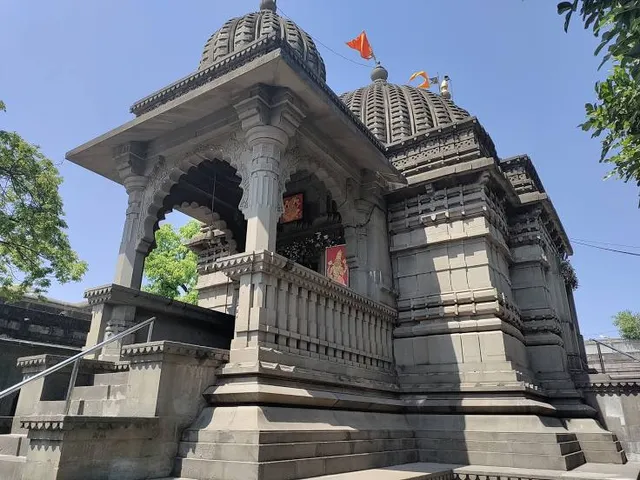
Kalaram Mandir is a splendid testament to devotion and architectural mastery. Nestled in the heart of Nashik, this temple dedicated to Lord Sri Rama stands out as one of the finest examples of Maratha craftsmanship. Constructed with intricate black stone carvings, it exudes an aura of grandeur and spirituality.
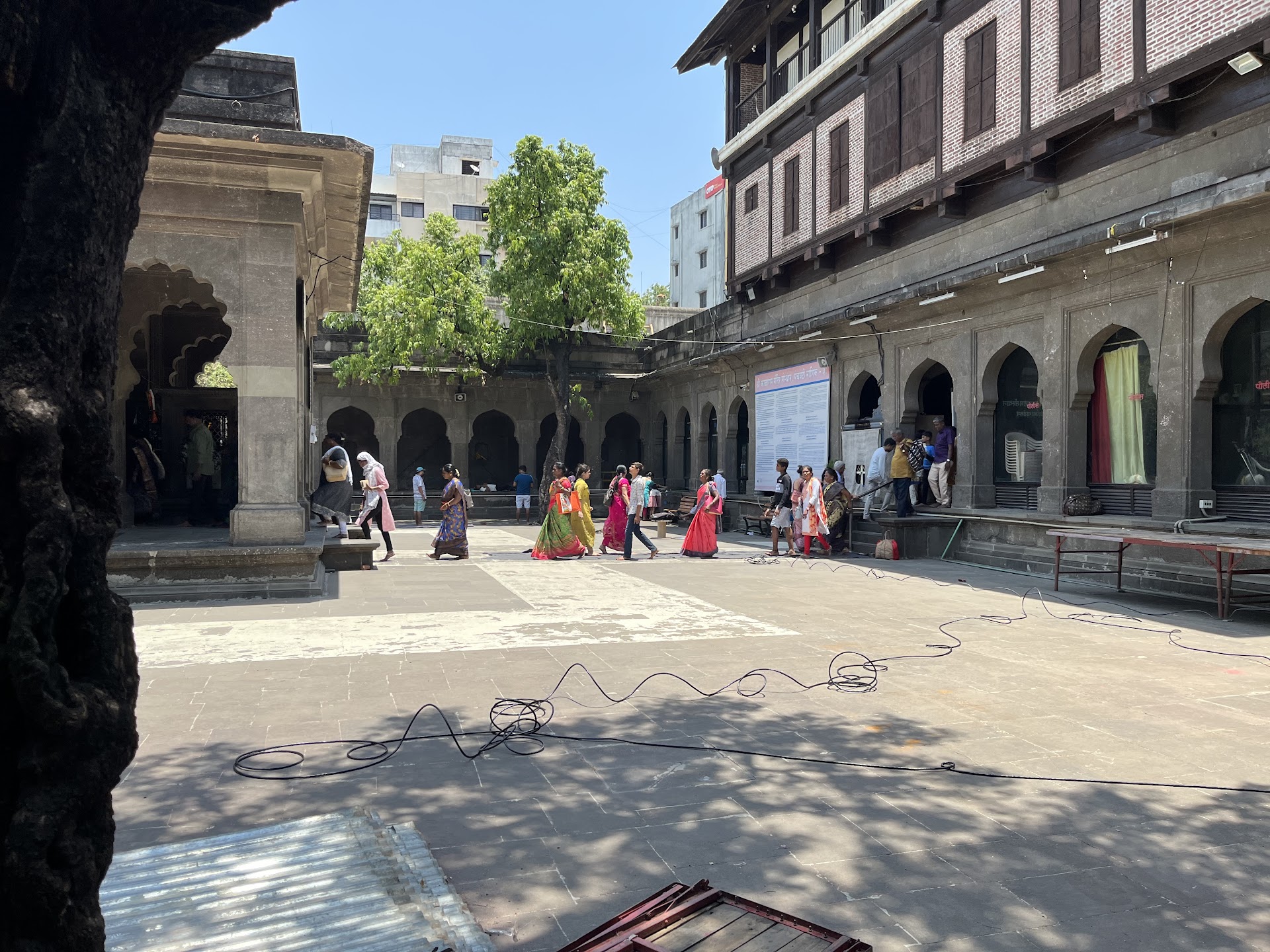
Stepping into the temple premises, visitors are greeted with a sense of tranquility and reverence. The meticulous detailing on the temple walls and pillars is awe-inspiring, reflecting the rich heritage of the Maratha Dynasty. It's evident that every corner of the temple has been crafted with utmost care and devotion.
The history behind Kalaram Mandir adds another layer of significance to its allure. Built by the illustrious Maratha Dynasty King Bajirao Peshwa in the 17th Century, it stands as a symbol of his deep reverence for Lord Sri Rama. The temple's association with such historical figures enriches its cultural value and attracts pilgrims and history enthusiasts alike.
Legend has it that the construction of the temple faced numerous challenges, yet through unwavering faith and determination, it was completed, marking it as a triumph of devotion over adversity. This pilgrimage story adds depth to the spiritual experience of visiting Kalaram Mandir, inspiring devotees to overcome obstacles with faith and perseverance.
Overall, Kalaram Mandir offers a serene sanctuary for spiritual seekers and admirers of art and history alike. Its architectural splendor and sacred ambiance make it a must-visit destination in Nashik, leaving a lasting impression on all who have the privilege of experiencing its magnificence.
Kalaram Mandir stands not only as a testament to architectural brilliance but also as a symbol of resilience and social justice. Dr. B.R. Ambedkar's satyagraha for the rights of untouchable people to worship at the temple adds another layer of significance to its historical narrative.
In the early 20th century, Dr. B.R. Ambedkar, a champion of social reform and equality, led a satyagraha to challenge the discriminatory practices barring untouchable people from entering Kalaram Mandir to worship Lord Sri Rama. His courageous act of nonviolent resistance aimed to break down barriers of caste prejudice and ensure equal rights for all individuals, regardless of their social status.
Despite facing vehement opposition and hostility from entrenched societal norms, Dr. Ambedkar remained steadfast in his conviction and commitment to justice. His satyagraha at Kalaram Mandir echoed the principles of Mahatma Gandhi's nonviolent resistance, resonating with the spirit of the Indian freedom movement.
Dr. Ambedkar's satyagraha ultimately paved the way for significant reforms, contributing to the broader struggle against caste discrimination and inequality in India. His unwavering dedication to the cause of social justice continues to inspire generations, reaffirming the timeless values of compassion, equality, and dignity for all.
The legacy of Dr. B.R. Ambedkar's satyagraha at Kalaram Mandir serves as a poignant reminder of the ongoing quest for a more inclusive and equitable society. It highlights the power of peaceful resistance in effecting positive change and underscores the enduring relevance of his vision for a just and...
Read moreVisiting the Kalaram Mandir in Nashik, Maharashtra was an enchanting experience that allowed me to delve into the rich history and cultural heritage of India. Stepping into this centuries-old temple, I was immediately captivated by its majestic architecture, religious significance, and the tranquil atmosphere that permeated the surroundings.
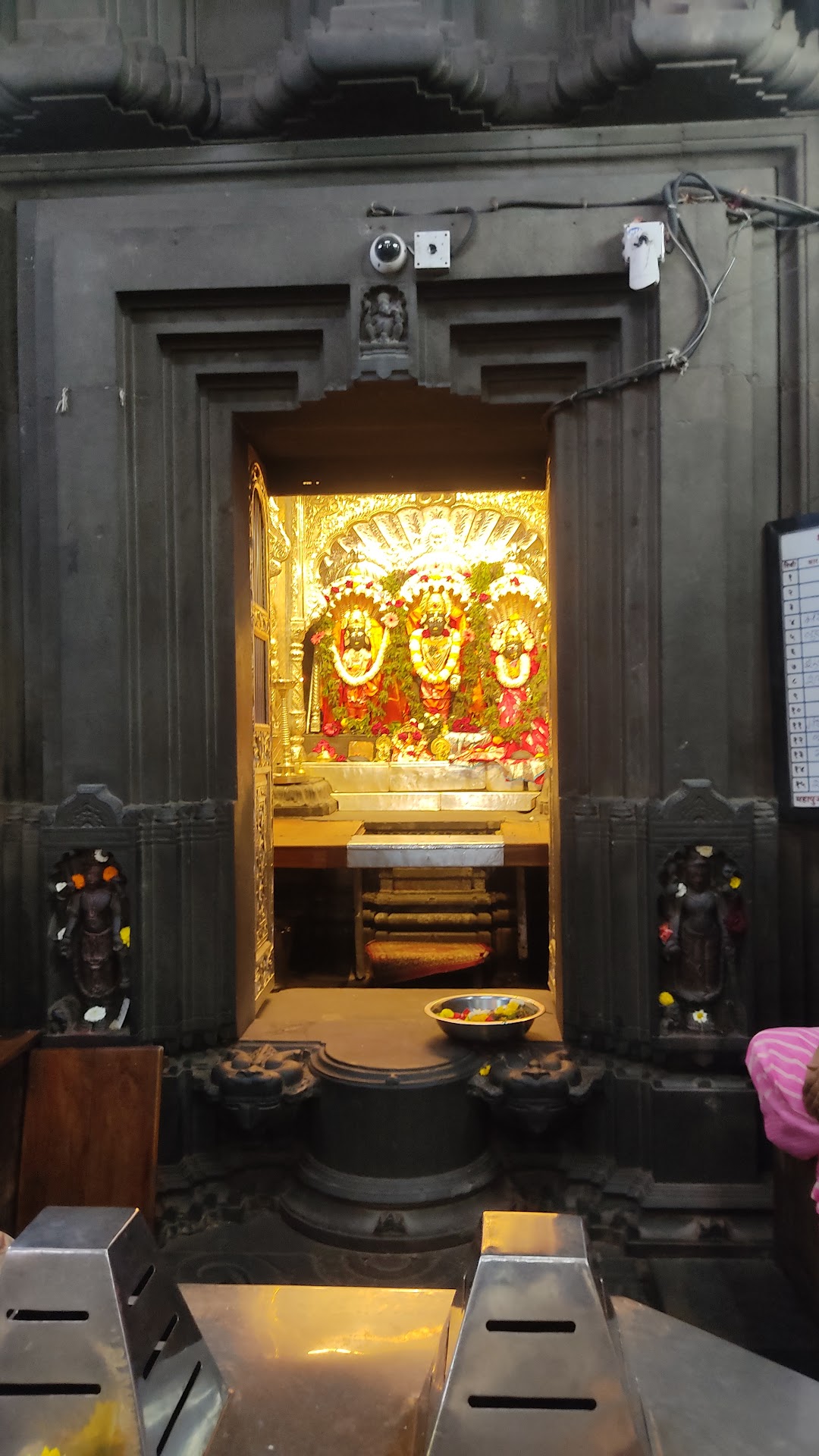
The temple's name, Kalaram, derives from the idol of Lord Rama, which is believed to have been carved out of a single black stone. As I laid my eyes on the intricately sculpted deity, I couldn't help but marvel at the craftsmanship and attention to detail. The idol, standing tall and majestic, exuded an aura of divinity that was truly awe-inspiring.
The temple complex itself is a masterpiece of architectural brilliance. Its towering spires, adorned with vibrant carvings and motifs, create a captivating sight. The sheer grandeur of the entrance gate and the beautifully sculpted pillars left me spellbound, reflecting the artistic prowess of the craftsmen of yesteryears. Every nook and corner of the temple seemed to have a story to tell, providing a glimpse into the bygone era.
One of the aspects that struck me most was the peaceful and serene atmosphere that enveloped the temple premises. As I strolled through the well-maintained gardens and observed devotees engaged in prayer and meditation, I felt a sense of tranquility washing over me. The ambience seemed to encourage introspection and reflection, allowing visitors to find solace amidst the chaos of daily life.
The temple also plays a significant role in Hindu mythology and history. It is said to have been constructed during the Peshwa dynasty, symbolizing their devotion to Lord Rama. Exploring the temple's history through the information boards and engaging with the knowledgeable temple staff further deepened my understanding of its cultural significance.
The only slight drawback was the occasional crowd, which diminished the sense of tranquility at times. Nevertheless, the overall experience overshadowed this minor inconvenience.
A visit to Kalaram Mandir is a must for history enthusiasts, spiritual seekers, and anyone eager to immerse themselves in the grandeur of ancient Indian architecture. It offers a chance to witness the harmonious blend of art, spirituality, and cultural heritage that has shaped India's rich tapestry throughout the ages.
In conclusion, my visit to Kalaram Mandir was a rewarding journey that left an indelible mark on my soul. The temple's exquisite architecture, religious sanctity, and serene ambiance transported me back in time, evoking a deep sense of reverence. I highly recommend this historical gem to all those seeking a meaningful and...
Read moreKalaram Temple is one of the most revered and historic temples in Nashik, located in the sacred Panchavati area. The temple holds immense significance, both spiritually and historically, especially for devotees of Lord Rama.
The temple is dedicated to Lord Rama, and the name "Kalaram" comes from the black stone idol of Lord Rama enshrined here. The idols of Lord Rama, Sita, and Lakshmana are all carved from black stone, adding a majestic aura to the sanctum. The spiritual energy in the temple is palpable — you can instantly feel a sense of calm and devotion upon entering.
Architecture & Ambiance: Built in 1788 by Sardar Rangarao Odhekar, the temple is a marvelous example of 18th-century Maratha architecture. The black stone structure and the intricately carved pillars are awe-inspiring. The temple premises are well-maintained and spacious, with a peaceful environment ideal for meditation and prayer.
Religious Significance: Kalaram Mandir is believed to be the exact place where Lord Rama lived during his exile. Panchavati is full of mythological importance, and visiting Kalaram Temple completes the spiritual circuit of Nashik. There’s also the Sita Gufa nearby, which is another must-visit spot tied to the Ramayana.
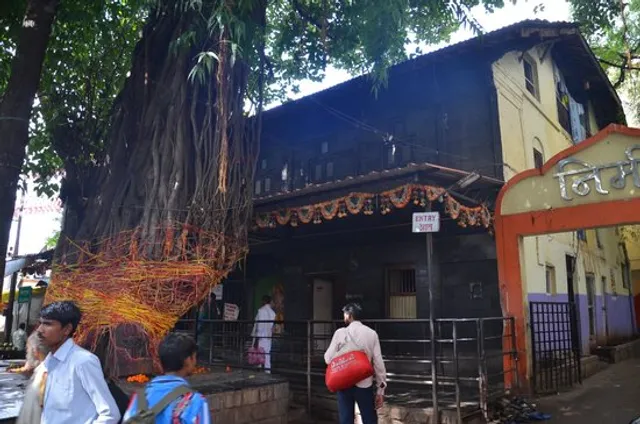
Festivals and Rituals: The temple is especially vibrant during Ram Navami, when thousands of devotees visit for darshan. Regular aartis and bhajans are performed, creating a devotional atmosphere. Many devotees tie sacred threads near the temple premises, praying for wishes to come true.
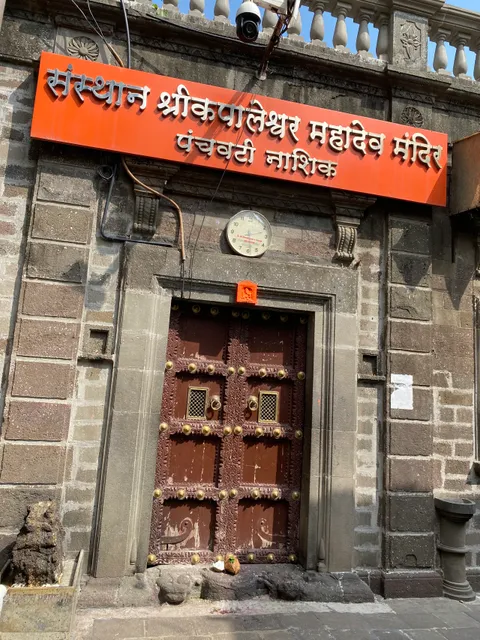
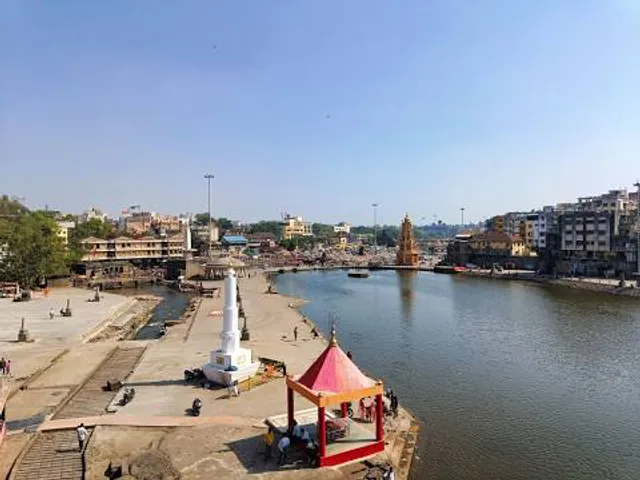
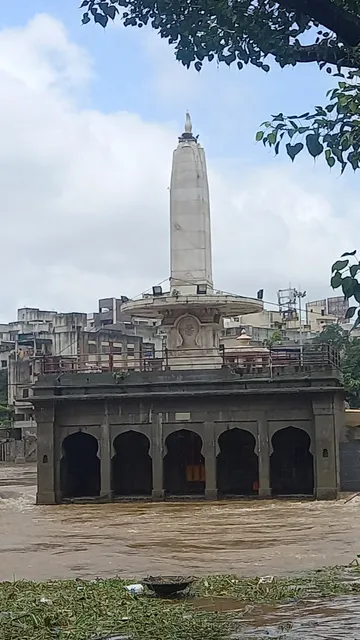
Surroundings: Located on the banks of the Godavari River, the area around the temple is bustling yet spiritual. Vendors selling flowers, prasad, and religious items line the street. Don’t miss the nearby Kapaleshwar Mahadev and the ancient Godavari Ghats — all within walking distance.
Overall, Kalaram Temple is not just a temple — it's an emotional, historical, and spiritual journey. A must-visit for anyone traveling to Nashik or tracing the footsteps...
Read more