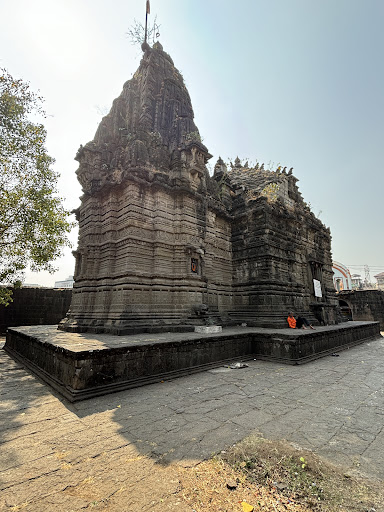
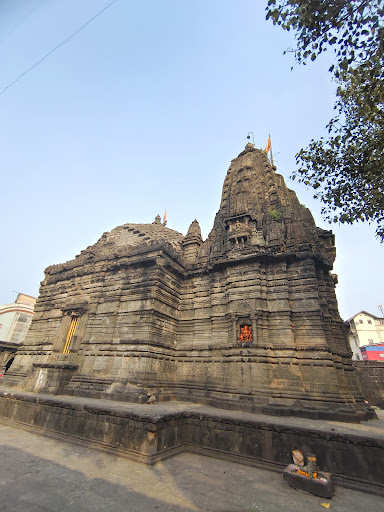
Naroshankar Temple things to do, attractions, restaurants, events info and trip planning
Basic Info
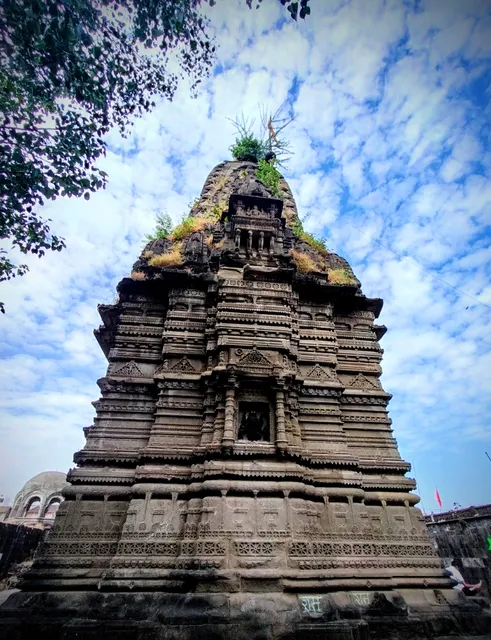
Naroshankar Temple
Panchavati, Nashik, Maharashtra 422003, India
4.6(573)
Open until 6:00 PM
Save
spot
spot
Ratings & Description
Info
Cultural
Scenic
Family friendly
attractions: Shree Kalaram Mandir Sansthan, Ramkund Panchwati, Shree Kapaleshwar Mahadev Mandir, Sita Gufa, Panchavati Ghat, Shree Ganga Godavari Mandir, Sundar narayan mandir, restaurants: Samarth Juice Centre (Raviwar Karanja Branch), Hotel Pancharatna, Ganga Tea House, Ambika Misal - Panchavati, Udupi Restaurant, Hotel Godavari, SAYANTARA, Siya Dining Hall, NEW PUNJAB RESTO & BAR, OM TEA HOUSE, local businesses: Laxman Temple, Ganga Ghat
 Learn more insights from Wanderboat AI.
Open hoursSee all hours
Thu6 AM - 6 PMOpen
Plan your stay

Pet-friendly Hotels in Nashik
Find a cozy hotel nearby and make it a full experience.

Affordable Hotels in Nashik
Find a cozy hotel nearby and make it a full experience.

The Coolest Hotels You Haven't Heard Of (Yet)
Find a cozy hotel nearby and make it a full experience.

Trending Stays Worth the Hype in Nashik
Find a cozy hotel nearby and make it a full experience.
Reviews
Live events
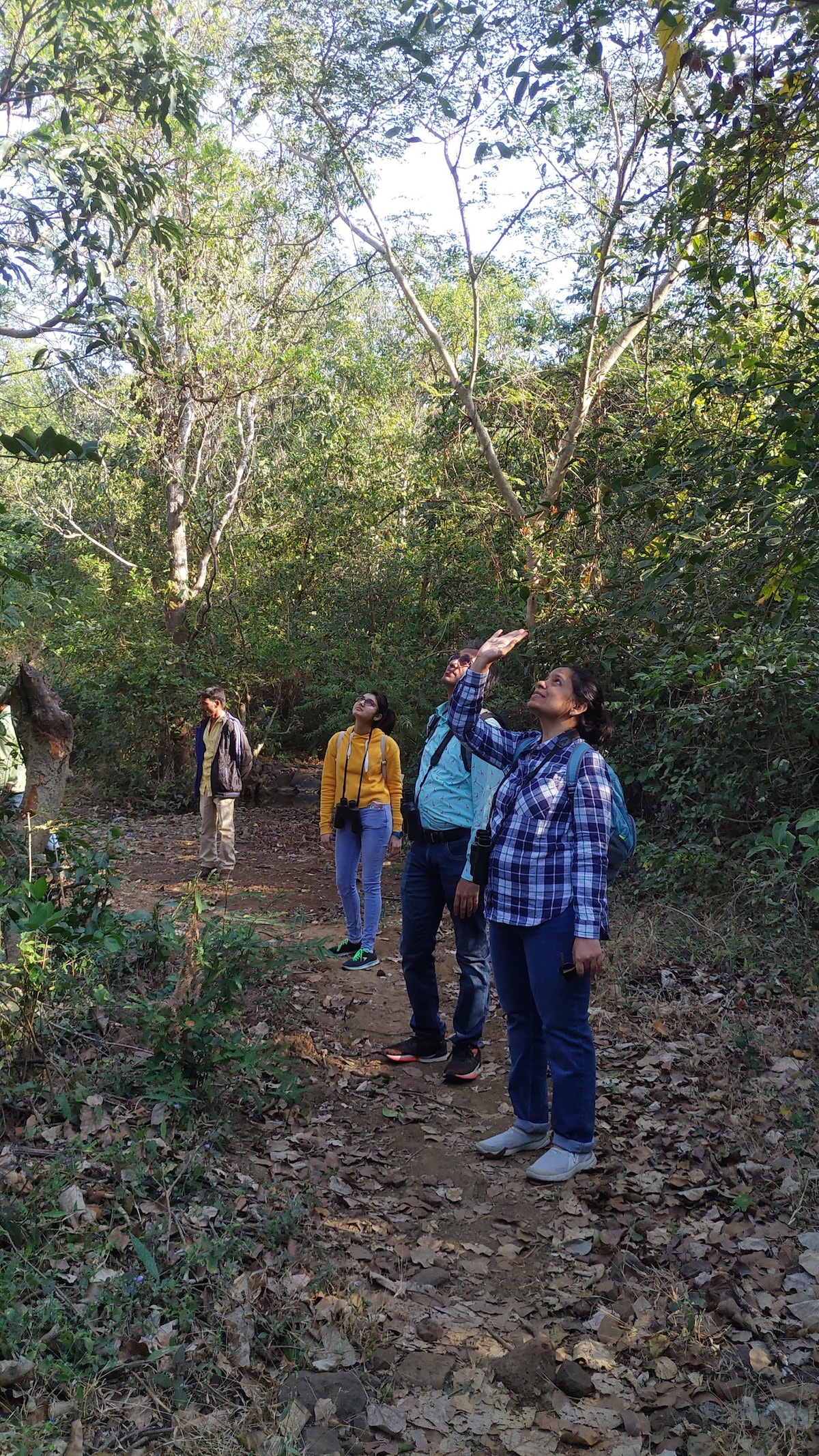
Explore Nashiks hidden forest trails
Sun, Mar 1 • 6:15 AM
Govardhan, Maharashtra, 422003, India
View details
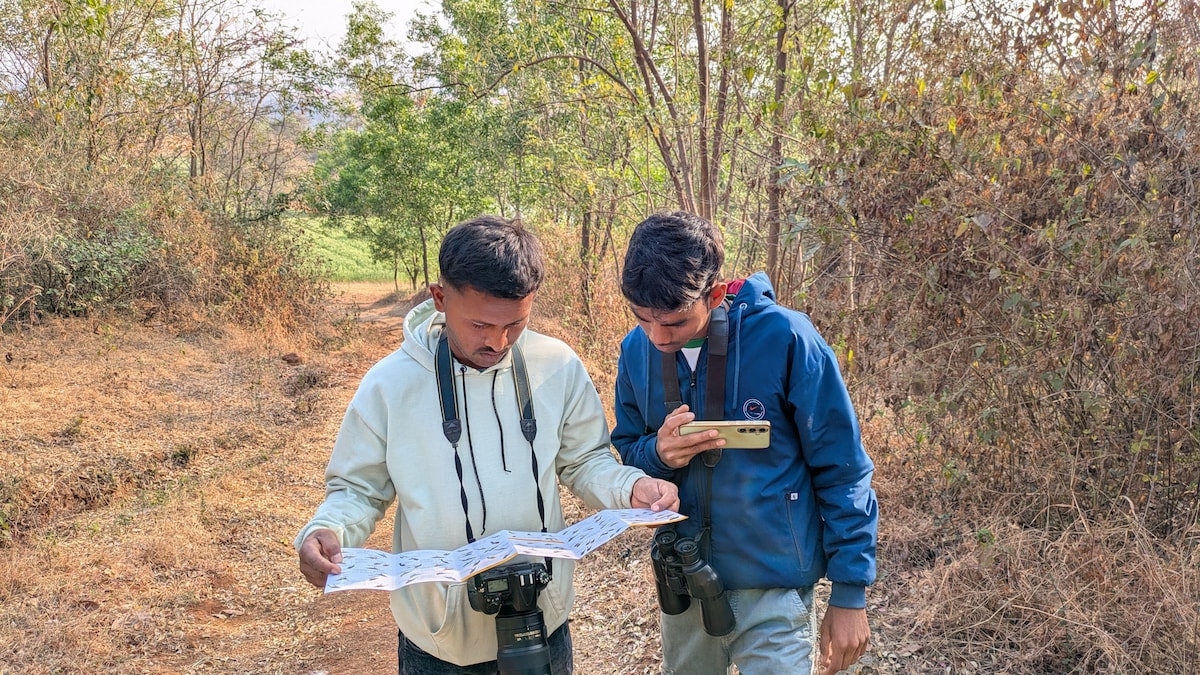
Birdwatching for Beginners
Thu, Feb 26 • 7:00 AM
Nashik, Maharashtra, 422222, India
View details
Nearby attractions of Naroshankar Temple
Shree Kalaram Mandir Sansthan
Ramkund Panchwati
Shree Kapaleshwar Mahadev Mandir
Sita Gufa
Panchavati Ghat
Shree Ganga Godavari Mandir
Sundar narayan mandir
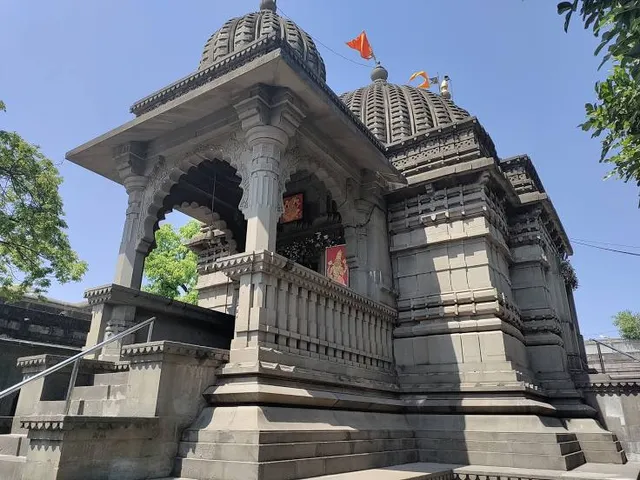
Shree Kalaram Mandir Sansthan
4.7
(6.1K)
Open until 10:00 PM
Click for details
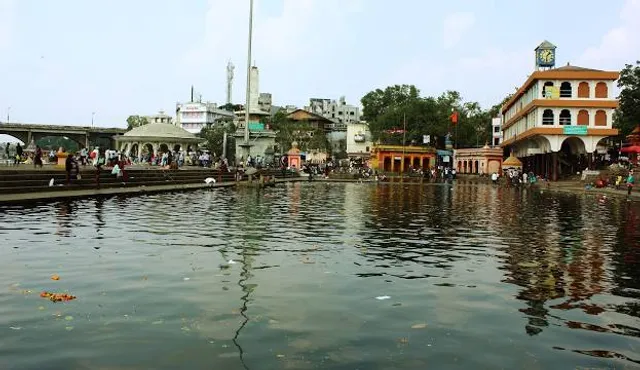
Ramkund Panchwati
4.4
(3.6K)
Closed
Click for details
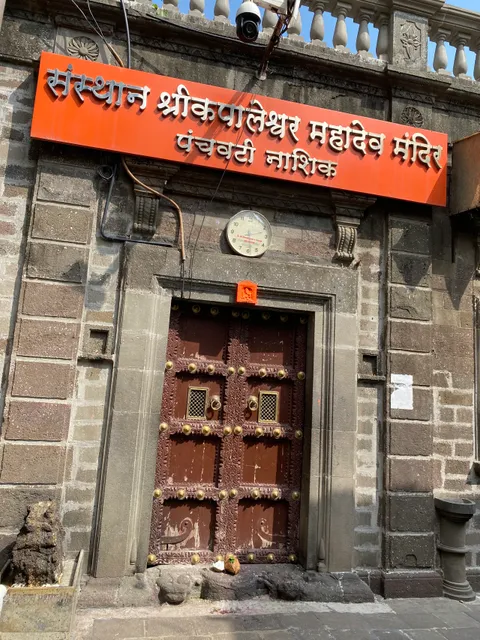
Shree Kapaleshwar Mahadev Mandir
4.8
(2K)
Open until 11:00 PM
Click for details
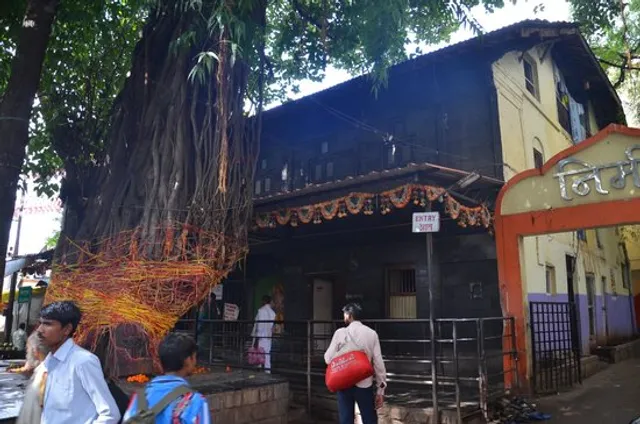
Sita Gufa
4.5
(3.2K)
Open 24 hours
Click for details
Nearby restaurants of Naroshankar Temple
Samarth Juice Centre (Raviwar Karanja Branch)
Hotel Pancharatna
Ganga Tea House
Ambika Misal - Panchavati
Udupi Restaurant
Hotel Godavari
SAYANTARA
Siya Dining Hall
NEW PUNJAB RESTO & BAR
OM TEA HOUSE
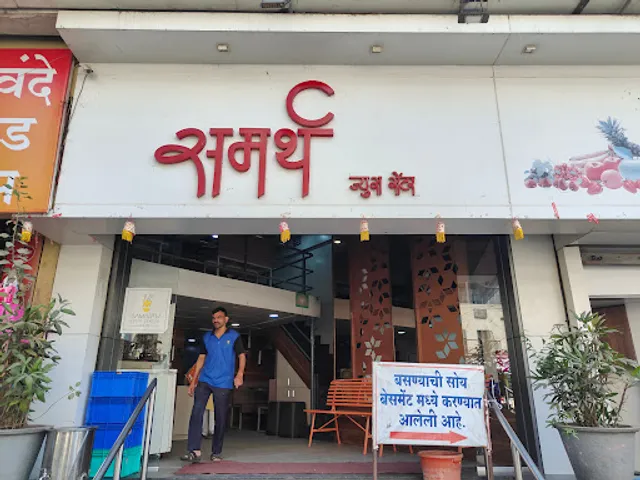
Samarth Juice Centre (Raviwar Karanja Branch)
4.3
(2.1K)
Closed
Click for details
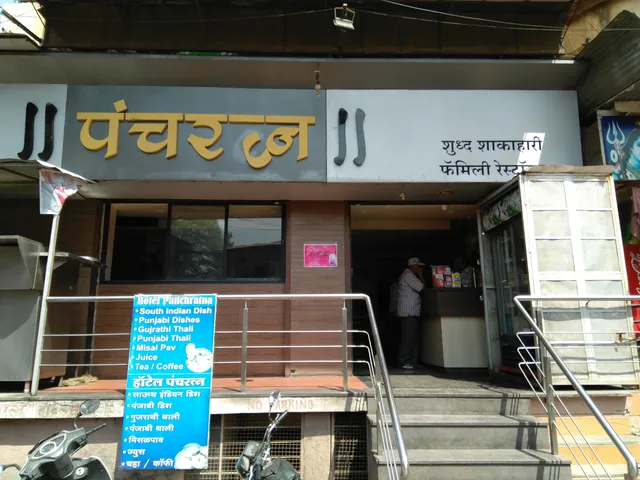
Hotel Pancharatna
3.4
(414)
Open until 10:30 PM
Click for details
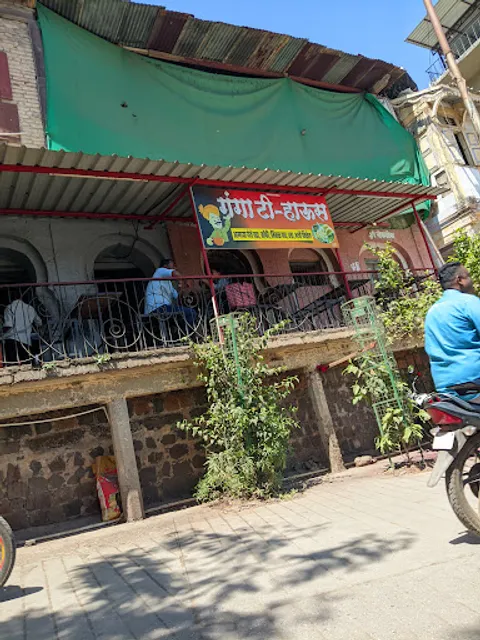
Ganga Tea House
4.1
(104)
$
Click for details
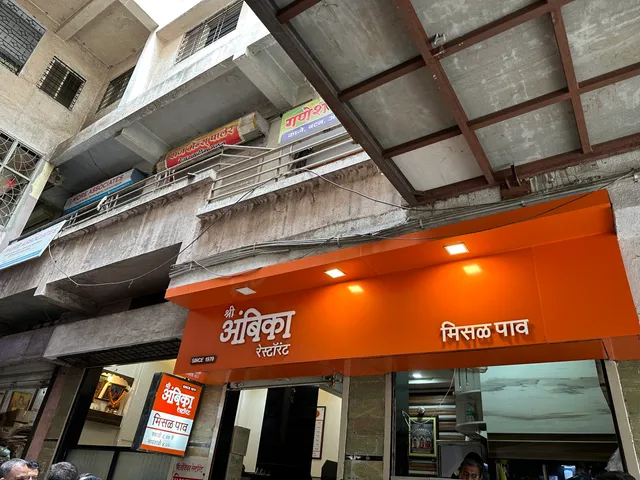
Ambika Misal - Panchavati
4.2
(626)
Closed
Click for details
Nearby local services of Naroshankar Temple
Laxman Temple
Ganga Ghat
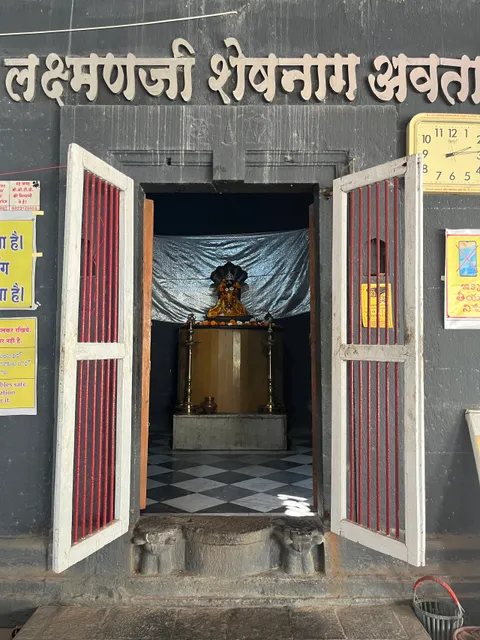
Laxman Temple
4.6
(31)
Click for details
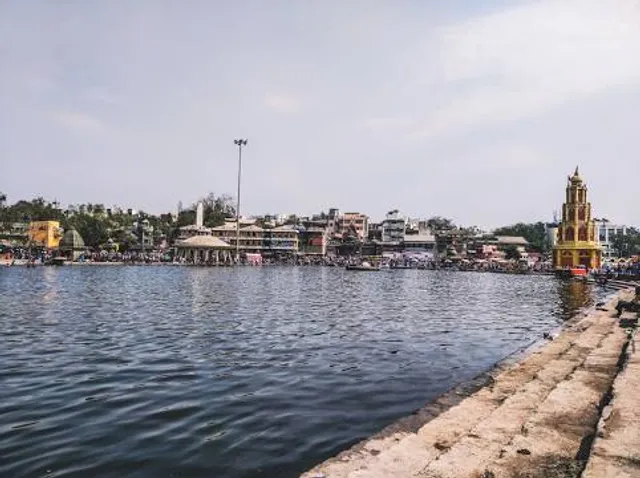
Ganga Ghat
4.5
(140)
Click for details