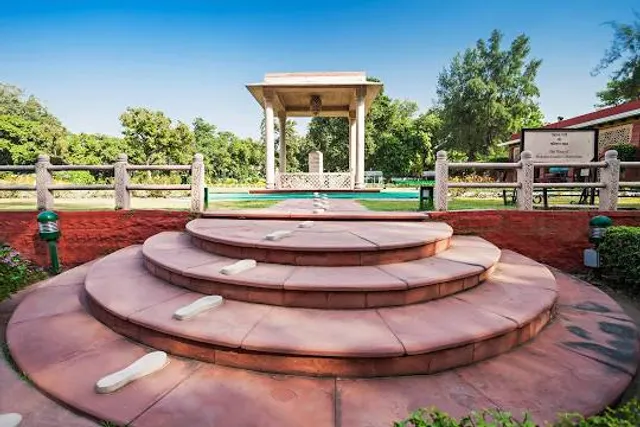
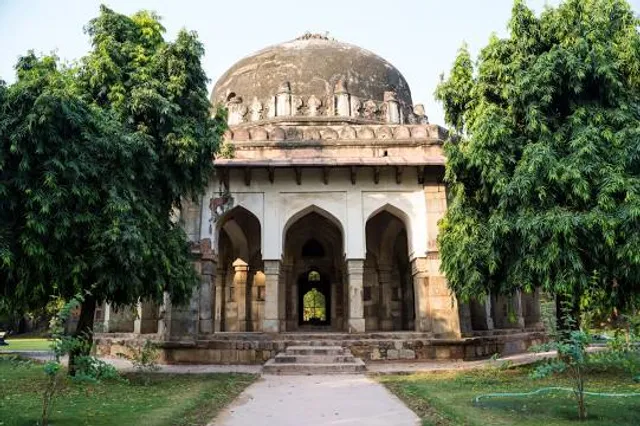
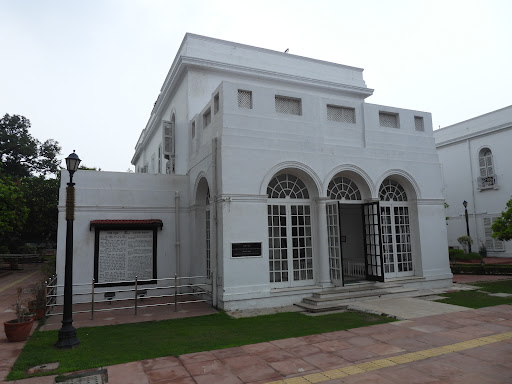
A museum dedicated to Mahatma Gandhi, this is the site where Mahatma Gandhi spent the last 144 days of his life and was assassinated on 30th January 1948. The 12-bedroom house was built in 1928 by Ghanshyamdas Birla. Sardar Patel and Mahatma Gandhi were frequent guests of the Birlas. They sold this house to the government and when the House was opened to the public, it was renamed as Gandhi Smriti. The museum in the building houses a number of articles associated with Gandhi's life and death. Visitors can tour the building and grounds, viewing the preserved room where Gandhi lived and the place on the grounds where he was shot while holding his nightly public walk. Gandhi was shot during his prayers at the place where Martyr's Column now stands. Outside the house stands a pillar that contains a swastika symbol. The prominence of the pillar means that it has been used as a visual example of the way the ethical meaning of the swastika symbol had changed in the West in the 20th century. A large collection of photographs with a few personal belongings and a series of small doll houses and terracotta dolls illustrating Gandhiji's life are the attractions at this museum. The preserves include the room where Mahatma Gandhi lived and the prayer ground where he held a mass congregation every evening. It was here that the assassin’s bullets felled Gandhiji. The building and the landscape have been preserved as they had been in those days.
The Memorial consists of: (a) Visual aspects to perpetuate the memory of Mahatma Gandhi and the noble ideals he represented, (b) Educative aspects to focus concentrated attention on certain values of life that made Gandhi a Mahatma, and (c) Service aspects to introduce activities in order to subserve certain felt needs.
On display in the Museum are photographs, sculptures, paintings, frescos, inscriptions on rocks and relics pertaining to the years Mahatma Gandhi spent here. The meagre personal effects of Gandhiji too are carefully preserved.
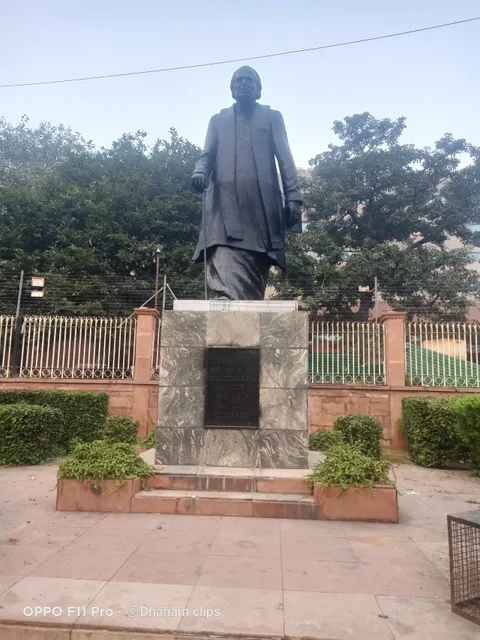
A larger than life statue of Mahatma Gandhi, with a boy and a girl holding a dove in their hands standing on either side, emerging out of the globe, symbolising his universal concern for the poor and the deprived, welcomes the visitor at the main entrance of the Gandhi Smriti. It is the work of the renowned sculptor Sri Ram Sutar. The legend at the base of the sculpture says, "My Life is...
Read moreMy visit to the Gandhi Smriti Museum was an incredibly enriching and humbling experience. The museum beautifully preserves the legacy of Mahatma Gandhi and offers a profound journey into his life, philosophy, and the ideals of non-violence. The exhibits, especially the multimedia presentations, are well-curated and provide an immersive experience that connects visitors to India's history and the freedom movement.
Highlights:
The layout of the museum is thoughtfully designed, with significant attention paid to the smallest details, creating a peaceful and reflective atmosphere.
The visual displays and personal artifacts of Gandhi are moving, particularly the final footsteps leading to the place of his assassination, which evoke a deep emotional response.
The interactive and multimedia sections are highly informative and engaging, especially for younger visitors and those unfamiliar with Gandhi’s life.
The museum staff was courteous and knowledgeable, ready to answer any questions and provide further insight.
Suggestions for Improvement:
Some sections of the museum could benefit from updated technology or digital enhancements, particularly to accommodate younger generations who may prefer more interactive or virtual exhibits.
Better signage or audio guides in multiple languages could enhance the experience for international visitors who may not be fluent in English or Hindi.
The museum could also offer more workshops, talks, or events related to Gandhian philosophy, allowing visitors to engage with these ideas on a deeper level.
Overall, Gandhi Smriti Museum is a must-visit for anyone interested in history, peace, and social justice. It’s a powerful reminder of the enduring relevance of Gandhi’s teachings in...
Read moreGandhi Smriti Museum is not just a historical site but also a space that radiates peace, reflection, and cultural richness. Nestled in a quiet and green environment, it provides a welcome escape from the rush of the city. The serene gardens and tree-lined pathways make it an ideal spot for visitors who want to connect with history while enjoying a calm and refreshing atmosphere.
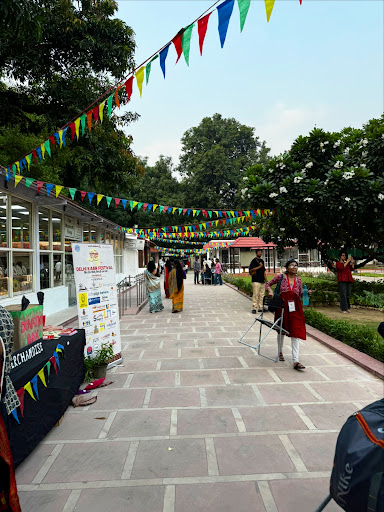
I had the opportunity to visit the museum as part of the Dekhi Jabir Festival, and the experience was truly unforgettable. The festival brought the entire place alive with music, dance, and artistic performances. The energy of the artists, combined with the tranquil setting of the museum, created a magical balance between celebration and contemplation. It was a reminder of how cultural events can breathe new life into historical spaces, making them more engaging and meaningful for younger generations as well.
One of the unique aspects of Gandhi Smriti is how versatile the space is. Beyond being a museum that preserves Mahatma Gandhi’s memory and his final days, it also serves as a wonderful venue for events. The open lawns, green surroundings, and peaceful ambiance make it a great place to organize festivals, performances, or even intimate gatherings.
Overall, Gandhi Smriti Museum is more than a memorial—it is a living space where history, culture, and creativity come together. Whether you visit to learn about Gandhi’s life, to enjoy the greenery, or to be part of a vibrant cultural program, it leaves you with a sense of inspiration and peace. My experience during the Dekhi Jabir Festival was a perfect example of how this space continues to nurture both memory...
Read more