HTML SitemapExplore
logo
Find Things to DoFind The Best Restaurants

Sikandar Lodi Tomb, Delhi — Attraction in New Delhi

Name
Sikandar Lodi Tomb, Delhi
Description
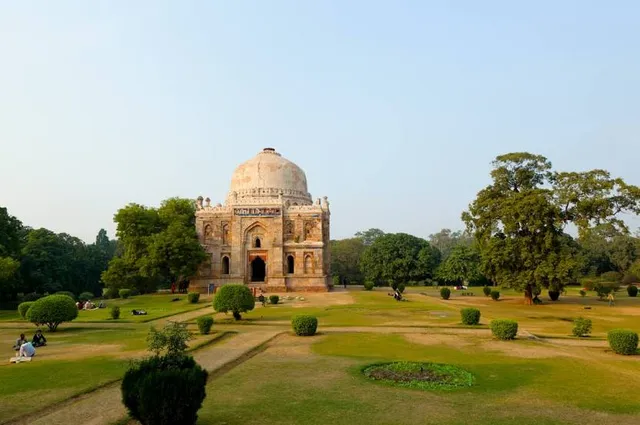
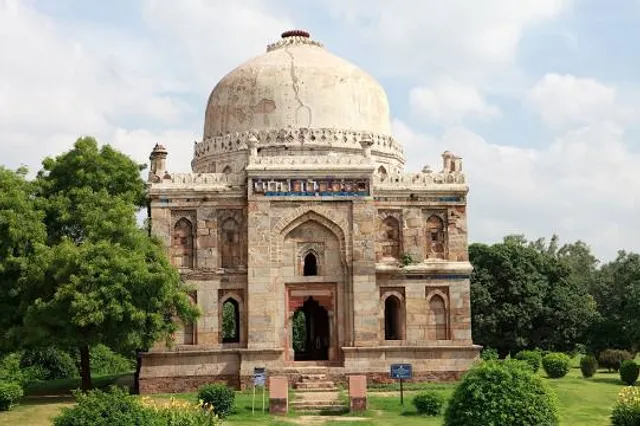
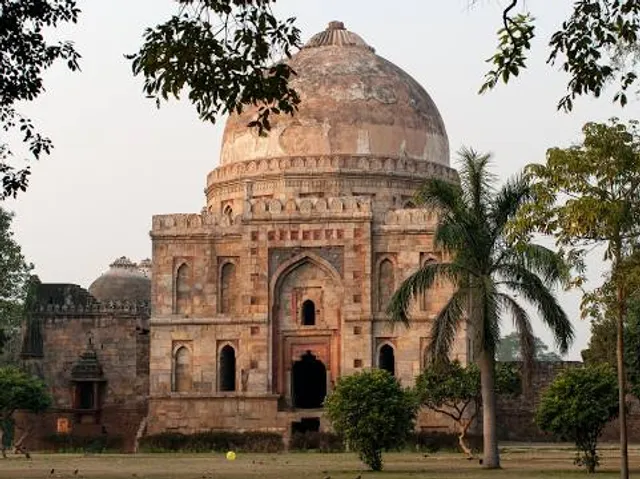
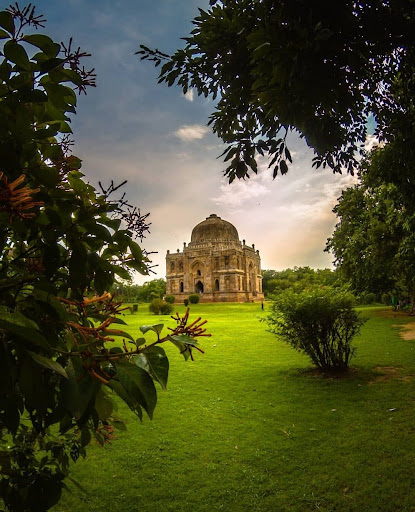
The Tomb of Sikandar Lodi is the tomb of the second ruler of the Lodi Dynasty, Sikandar Lodi situated in New Delhi, India. The tomb is situated in Lodhi Gardens in Delhi and was built in 1517–1518 CE by his son Ibrahim Lodi.
Nearby attractions
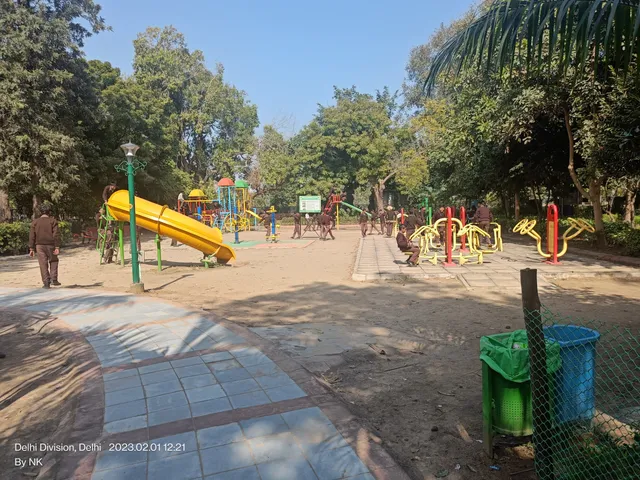
Lodhi Garden
Lodhi Rd, Lodhi Gardens, Lodhi Estate, New Delhi, Delhi 110003, India
Shish Gumbad
H6VC+G3G, New, Lodhi Gardens, Lodhi Estate, New Delhi, Delhi 110003, India
Bada Gumbad
H6VC+557, Lodhi Gardens, Lodi Estate, New Delhi, Delhi 110003, India
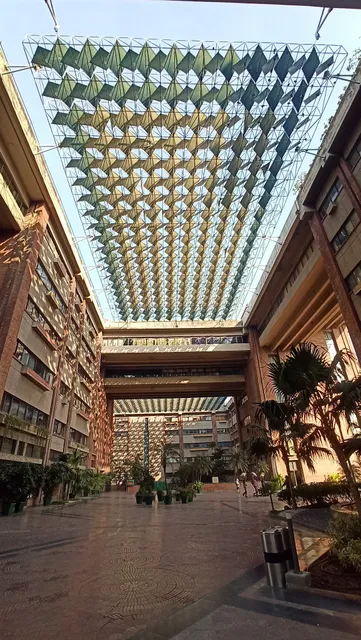
India Habitat Centre
Lodhi Road Near Airforce Bal Bharati School, Lodhi Rd, Lodhi Estate, New Delhi, Delhi 110003, India
Lodhi Garden , Back Entry
H6R8+VPC, Prithviraj Rd, Prathviraj Road Area, Lodhi Estate, New Delhi, Delhi 110003, India
Gandhi Smriti Museum
Infront of, National Defence College, Tees January Road, 5, Tees January Marg, near Birla House, Tees January Road Area, Motilal Nehru Marg Area, New Delhi, Delhi 110011, India
Habitat World
INDIA HABITAT CENTRE, Lodhi Road Quarters, Lodi Colony, New Delhi, Delhi 110003, India
Tamarind
94, Lodhi Rd, Lodhi Gardens, Lodhi Estate, New Delhi, Delhi 110003, India
Sri Ram Mandir, Lodhi Colony
Shri Ram Mandir No.7, Institutional Area, Lodhi Road, New Delhi,Pincode:, near All India Management Association for Management Education Center, 110003, India
Tibet House
1, Lodhi Rd, Gokalpuri, Institutional Area, Lodi Colony, New Delhi, Delhi 110003, India
Nearby restaurants
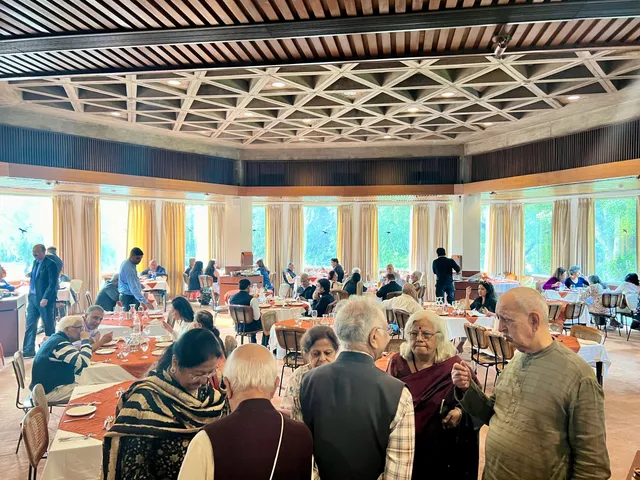
IIC Main Dining Hall
I I C 40, Lodhi Gardens, Lodhi Estate, New Delhi, Delhi 110003, India
Out of the Box
5, Khan Market, Rabindra Nagar, Delhi, New Delhi, Delhi 110003, India
Yum Yum Cha Khan Market
First Floor, 69, Khan Market, Rabindra Nagar, New Delhi, Delhi 110003, India
C1/1 lodhi garden
H6XC+5F5, Amrita Shergill Marg, Rabindra Nagar, New Delhi, Delhi 110003, India
Sly Granny
4, Khan Market, Rabindra Nagar, New Delhi, Delhi 110003, India
Perch Wine & Coffee Bar
71, Khan Market, Rabindra Nagar, New Delhi, Delhi 110003, India
IIC Annexe
H6RC+GMG, 11, Max Mueller Marg, Lodhi Gardens, Lodhi Estate, New Delhi, Delhi 110003, India
The Big Chill Cafe
35, Khan Market, Rabindra Nagar, New Delhi, Delhi 110003, India
The Blue Door Cafe
#66, Khan Market 1st Floor, Entrance Middle Lane, New Delhi, Delhi 110003, India
Andrea's Bar & Brasserie
Shop No. 12, Khan Market, Rabindra Nagar, New Delhi, Delhi 110003, India
Nearby hotels
The Claridges
12, Dr APJ Abdul Kalam Rd, Tees January Road Area, Motilal Nehru Marg Area, New Delhi, Delhi 110011, India
Taj Mahal, New Delhi
Taj Mahal, New Delhi Number 1, Man Singh Road Area, New Delhi, Delhi 110011, India
Ambassador, New Delhi - IHCL SeleQtions
Subramania Bharti Marg, Sujan Sing Park North, Sujan Singh Park, New Delhi, Delhi 110003, India
Lutyens Bungalow
39, Prithviraj Rd, near Safdurjung Tomb, Prathviraj Road Area, Tughlak Road Area, New Delhi, Delhi 110003, India
The Habitat Residency
6th, Lodhi Rd, Institutional Area, Lodi Colony, New Delhi, Delhi 110003, India
Related posts
Keywords
Sikandar Lodi Tomb, Delhi tourism.Sikandar Lodi Tomb, Delhi hotels.Sikandar Lodi Tomb, Delhi bed and breakfast. flights to Sikandar Lodi Tomb, Delhi.Sikandar Lodi Tomb, Delhi attractions.Sikandar Lodi Tomb, Delhi restaurants.Sikandar Lodi Tomb, Delhi travel.Sikandar Lodi Tomb, Delhi travel guide.Sikandar Lodi Tomb, Delhi travel blog.Sikandar Lodi Tomb, Delhi pictures.Sikandar Lodi Tomb, Delhi photos.Sikandar Lodi Tomb, Delhi travel tips.Sikandar Lodi Tomb, Delhi maps.Sikandar Lodi Tomb, Delhi things to do.
Sikandar Lodi Tomb, Delhi things to do, attractions, restaurants, events info and trip planning
Sikandar Lodi Tomb, Delhi
IndiaDelhiNew DelhiSikandar Lodi Tomb, Delhi

Basic Info

Sikandar Lodi Tomb, Delhi

H6WC+GJ7, Lodhi Gardens, Lodhi Estate, New Delhi, Delhi 110003, India
4.5(1.5K)
Open until 5:00 PM
Save
spot

Ratings & Description

Info

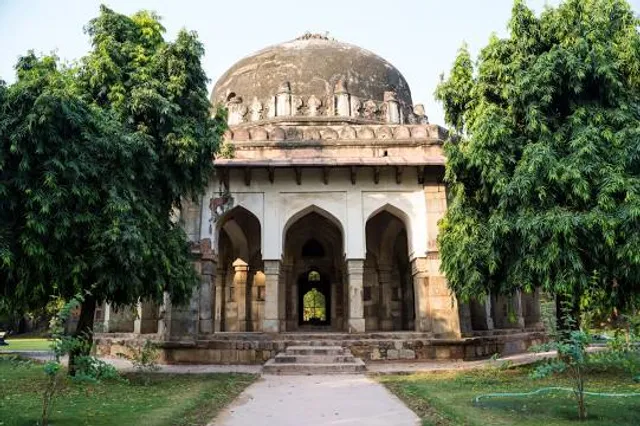
The Tomb of Sikandar Lodi is the tomb of the second ruler of the Lodi Dynasty, Sikandar Lodi situated in New Delhi, India. The tomb is situated in Lodhi Gardens in Delhi and was built in 1517–1518 CE by his son Ibrahim Lodi.

Cultural
Outdoor
Family friendly
attractions: Lodhi Garden, Shish Gumbad, Bada Gumbad, India Habitat Centre, Lodhi Garden , Back Entry, Gandhi Smriti Museum, Habitat World, Tamarind, Sri Ram Mandir, Lodhi Colony, Tibet House, restaurants: IIC Main Dining Hall, Out of the Box, Yum Yum Cha Khan Market, C1/1 lodhi garden, Sly Granny, Perch Wine & Coffee Bar, IIC Annexe, The Big Chill Cafe, The Blue Door Cafe, Andrea's Bar & Brasserie
logoLearn more insights from Wanderboat AI.
Website
delhitourism.gov.in
Open hoursSee all hours
Mon7 AM - 5 PMOpen

Plan your stay

hotel
Pet-friendly Hotels in New Delhi
Find a cozy hotel nearby and make it a full experience.
hotel
Affordable Hotels in New Delhi
Find a cozy hotel nearby and make it a full experience.
hotel
The Coolest Hotels You Haven't Heard Of (Yet)
Find a cozy hotel nearby and make it a full experience.
hotel
Trending Stays Worth the Hype in New Delhi
Find a cozy hotel nearby and make it a full experience.

Reviews

Nearby attractions of Sikandar Lodi Tomb, Delhi

Lodhi Garden

Shish Gumbad

Bada Gumbad

India Habitat Centre

Lodhi Garden , Back Entry

Gandhi Smriti Museum

Habitat World

Tamarind

Sri Ram Mandir, Lodhi Colony

Tibet House

Lodhi Garden

Lodhi Garden

4.5

(20.1K)

Open 24 hours
Click for details
Shish Gumbad

Shish Gumbad

4.4

(216)

Open 24 hours
Click for details
Bada Gumbad

Bada Gumbad

4.5

(251)

Open until 11:00 PM
Click for details
India Habitat Centre

India Habitat Centre

4.6

(18.2K)

Open 24 hours
Click for details

Things to do nearby

Titanic: A Voyage Through Time
Tue, Dec 9 • 12:00 PM
NH 8, Sector 15 Part 2, Sector 17, Gurugram, 122001
View details
Museum of Illusions New Delhi - Official Ticketing Partner
Mon, Dec 8 • 11:00 AM
A 30-33, 1st Floor A Block, Inner Circle Connaught Place (Near Rajiv Chowk Metro Station Exit Gate Number 8), 110001
View details
ISKATE by Roseate
ISKATE by Roseate
Mon, Dec 8 • 12:00 PM
6th Floor, Ambience Mall, NH-8, Gurugram, 122001
View details

Nearby restaurants of Sikandar Lodi Tomb, Delhi

IIC Main Dining Hall

Out of the Box

Yum Yum Cha Khan Market

C1/1 lodhi garden

Sly Granny

Perch Wine & Coffee Bar

IIC Annexe

The Big Chill Cafe

The Blue Door Cafe

Andrea's Bar & Brasserie

IIC Main Dining Hall

IIC Main Dining Hall

4.6

(148)

Click for details
Out of the Box

Out of the Box

4.1

(1.0K)

$$$

Click for details
Yum Yum Cha Khan Market

Yum Yum Cha Khan Market

4.4

(1.2K)

$$$

Click for details
C1/1 lodhi garden

C1/1 lodhi garden

2.7

(2)

Click for details
Get the Appoverlay
Get the AppOne tap to find yournext favorite spots!
Wanderboat LogoWanderboat

Your everyday Al companion for getaway ideas

CompanyAbout Us
InformationAI Trip PlannerSitemap
SocialXInstagramTiktokLinkedin
LegalTerms of ServicePrivacy Policy

Get the app

© 2025 Wanderboat. All rights reserved.
logo

Posts

Md WaseemMd Waseem
The Tomb of Sikandar Lodi is the tomb of the second ruler of the Lodi Dynasty, Sikandar Lodi (reign: 1489–1517 CE) situated in New Delhi, India.[1] The tomb is situated in Lodhi Gardens in Delhi and was built in 1517–1518 CE by his son Ibrahim Lodi.[2] The monument is situated 100 meters away from the Bara Gumbad and the area in which it is situated was formerly a village called Khairpur. Sikandar Lodi (born Nizam Khan), was the Sultan of Delhi between 1489 and 1517 CE and was the son of Bahlul Lodi. After the death of his father in 1489, Sikandar Lodhi assumed the reign the same year and ruled until his death in 1517 CE.[3] Upon Sikandar Lodi's death in 1517 CE, his son Ibrahim Lodi built the tomb. The Tomb of Sikandar Lodi was inspired in parts by the tomb of Muhammad Shah which is also situated in the Lodhi Gardens The Tomb of Sikandar Lodi was inspired in parts by the tomb of Muhammad Shah. It has octagonal design and the architectural style is Indo-Islamic. The tomb is the first garden tomb in Indian subcontinent and is India's earliest surviving enclosed garden tomb.[5] The tomb is enclosed within a fortified complex (entered from a south facing gateway) with the main entrance having two umbrella shaped domes (pavilions) which was designed to preserve the symmetry and relative proportions of the body of the building.[6][7] Both pavilions on the square platform in the front have remains of blue tiles.[8] The tomb is situated in the middle of a large garden and tall boundary walls. Tomb chamber is surrounded by a wide veranda with carved pillars with each side pierced by three arches and the angles occupied by sloping buttresses The Tomb of Sikandar Lodi is located in and is a part of the Lodhi Gardens in Delhi, India. The village, where the monument stands was earlier called Khairpur. The garden is bounded by Amrita Shergill Marg in the West, North-West and North, Max MuellerMarg on the East and Lodhi Road on the South Side. Safdarjang Tomb is situated on South-West corner of the Lodhi Garden
Mohd Yusuf KhanMohd Yusuf Khan
The Tomb of Sikander Lodi, located within the picturesque Lodi Gardens in New Delhi, is a remarkable example of Mughal architecture and a testament to the rich history of India. This historical monument, built in the early 16th century, stands as a symbol of the architectural brilliance of the time and offers visitors a glimpse into the life and legacy of Sikander Lodi, the third Sultan of the Lodi Dynasty. The tomb, surrounded by a serene and well-maintained garden, presents a harmonious blend of red sandstone and marble, with intricate carvings and inscriptions that add to its aesthetic appeal. The structure's square base, topped by a dome, is a common architectural feature found in many Mughal-era tombs, showcasing the influence of Persian architecture on the design. Upon entering the tomb, visitors are greeted by a large courtyard, which leads to the main chamber housing the tomb of Sikander Lodi. The main chamber, adorned with intricate carvings and calligraphy, is a testament to the craftsmanship of the artisans of that era. The tomb itself is made of white marble and features a beautifully carved cenotaph, believed to be the actual burial place of Sikander Lodi. The surrounding garden, with its lush greenery and well-manicured lawns, adds to the serene atmosphere of the tomb. This tranquil setting allows visitors to appreciate the beauty of the monument and the historical significance of Sikander Lodi's reign. In conclusion, the Tomb of Sikander Lodi is a must-visit destination for anyone interested in history, architecture, and culture. It offers a unique opportunity to explore the rich heritage of the Mughal era and gain insights into the life of one of India's notable rulers. The monument's architectural brilliance, coupled with the serene atmosphere of the surrounding garden, makes it an essential stop for anyone visiting Lodi Gardens.
PP
The Sikandar Lodi Tomb is a beautiful monument located in the city of Delhi, India. It is a perfect example of Islamic architecture, which was built during the 16th century by the son of Sikander Lodi, the second ruler of the Lodi dynasty. The tomb is a beautiful blend of Hindu and Islamic architecture, and is known for its grandeur and exquisite design. The tomb is located in one of Delhi's most popular tourist destinations, the Lodi Gardens. The gardens cover over 90 acres and include many other historic monuments. The tomb is located at the center of the garden and is easily accessible. The architecture of this tomb is a great example of the Indo-Islamic style, which combines both Indian and Islamic architectural elements. The building is made of red sandstone and is octagonal in shape. The tomb has four gates, each of which is beautifully designed with intricate carvings and engravings. The main gateway, which faces west, is the most impressive and has a large arch and a beautifully carved facade. The interior of the tomb is just as impressive as the exterior. The chamber features a large dome and intricate carvings and designs on the walls and ceilings. The tomb itself is made of white marble, which is of the highest quality. The Sikandar Lodi Tomb is a beautiful monument that is well worth visiting. It tells the history of Delhi and the Lodi dynasty in a beautiful way, and the surrounding gardens are a great place to relax and enjoy the beauty of nature. The tomb is very well-maintained, and it is recommended that visitors arrive early in the day to avoid the crowds.
See more posts
See more posts
hotel
Find your stay

Pet-friendly Hotels in New Delhi

Find a cozy hotel nearby and make it a full experience.

The Tomb of Sikandar Lodi is the tomb of the second ruler of the Lodi Dynasty, Sikandar Lodi (reign: 1489–1517 CE) situated in New Delhi, India.[1] The tomb is situated in Lodhi Gardens in Delhi and was built in 1517–1518 CE by his son Ibrahim Lodi.[2] The monument is situated 100 meters away from the Bara Gumbad and the area in which it is situated was formerly a village called Khairpur. Sikandar Lodi (born Nizam Khan), was the Sultan of Delhi between 1489 and 1517 CE and was the son of Bahlul Lodi. After the death of his father in 1489, Sikandar Lodhi assumed the reign the same year and ruled until his death in 1517 CE.[3] Upon Sikandar Lodi's death in 1517 CE, his son Ibrahim Lodi built the tomb. The Tomb of Sikandar Lodi was inspired in parts by the tomb of Muhammad Shah which is also situated in the Lodhi Gardens The Tomb of Sikandar Lodi was inspired in parts by the tomb of Muhammad Shah. It has octagonal design and the architectural style is Indo-Islamic. The tomb is the first garden tomb in Indian subcontinent and is India's earliest surviving enclosed garden tomb.[5] The tomb is enclosed within a fortified complex (entered from a south facing gateway) with the main entrance having two umbrella shaped domes (pavilions) which was designed to preserve the symmetry and relative proportions of the body of the building.[6][7] Both pavilions on the square platform in the front have remains of blue tiles.[8] The tomb is situated in the middle of a large garden and tall boundary walls. Tomb chamber is surrounded by a wide veranda with carved pillars with each side pierced by three arches and the angles occupied by sloping buttresses The Tomb of Sikandar Lodi is located in and is a part of the Lodhi Gardens in Delhi, India. The village, where the monument stands was earlier called Khairpur. The garden is bounded by Amrita Shergill Marg in the West, North-West and North, Max MuellerMarg on the East and Lodhi Road on the South Side. Safdarjang Tomb is situated on South-West corner of the Lodhi Garden
Md Waseem

Md Waseem

hotel
Find your stay

Affordable Hotels in New Delhi

Find a cozy hotel nearby and make it a full experience.

Get the Appoverlay
Get the AppOne tap to find yournext favorite spots!
The Tomb of Sikander Lodi, located within the picturesque Lodi Gardens in New Delhi, is a remarkable example of Mughal architecture and a testament to the rich history of India. This historical monument, built in the early 16th century, stands as a symbol of the architectural brilliance of the time and offers visitors a glimpse into the life and legacy of Sikander Lodi, the third Sultan of the Lodi Dynasty. The tomb, surrounded by a serene and well-maintained garden, presents a harmonious blend of red sandstone and marble, with intricate carvings and inscriptions that add to its aesthetic appeal. The structure's square base, topped by a dome, is a common architectural feature found in many Mughal-era tombs, showcasing the influence of Persian architecture on the design. Upon entering the tomb, visitors are greeted by a large courtyard, which leads to the main chamber housing the tomb of Sikander Lodi. The main chamber, adorned with intricate carvings and calligraphy, is a testament to the craftsmanship of the artisans of that era. The tomb itself is made of white marble and features a beautifully carved cenotaph, believed to be the actual burial place of Sikander Lodi. The surrounding garden, with its lush greenery and well-manicured lawns, adds to the serene atmosphere of the tomb. This tranquil setting allows visitors to appreciate the beauty of the monument and the historical significance of Sikander Lodi's reign. In conclusion, the Tomb of Sikander Lodi is a must-visit destination for anyone interested in history, architecture, and culture. It offers a unique opportunity to explore the rich heritage of the Mughal era and gain insights into the life of one of India's notable rulers. The monument's architectural brilliance, coupled with the serene atmosphere of the surrounding garden, makes it an essential stop for anyone visiting Lodi Gardens.
Mohd Yusuf Khan

Mohd Yusuf Khan

hotel
Find your stay

The Coolest Hotels You Haven't Heard Of (Yet)

Find a cozy hotel nearby and make it a full experience.

hotel
Find your stay

Trending Stays Worth the Hype in New Delhi

Find a cozy hotel nearby and make it a full experience.

The Sikandar Lodi Tomb is a beautiful monument located in the city of Delhi, India. It is a perfect example of Islamic architecture, which was built during the 16th century by the son of Sikander Lodi, the second ruler of the Lodi dynasty. The tomb is a beautiful blend of Hindu and Islamic architecture, and is known for its grandeur and exquisite design. The tomb is located in one of Delhi's most popular tourist destinations, the Lodi Gardens. The gardens cover over 90 acres and include many other historic monuments. The tomb is located at the center of the garden and is easily accessible. The architecture of this tomb is a great example of the Indo-Islamic style, which combines both Indian and Islamic architectural elements. The building is made of red sandstone and is octagonal in shape. The tomb has four gates, each of which is beautifully designed with intricate carvings and engravings. The main gateway, which faces west, is the most impressive and has a large arch and a beautifully carved facade. The interior of the tomb is just as impressive as the exterior. The chamber features a large dome and intricate carvings and designs on the walls and ceilings. The tomb itself is made of white marble, which is of the highest quality. The Sikandar Lodi Tomb is a beautiful monument that is well worth visiting. It tells the history of Delhi and the Lodi dynasty in a beautiful way, and the surrounding gardens are a great place to relax and enjoy the beauty of nature. The tomb is very well-maintained, and it is recommended that visitors arrive early in the day to avoid the crowds.
P

P

See more posts
See more posts

Reviews of Sikandar Lodi Tomb, Delhi

4.5
(1,469)
avatar
5.0
2y

The Tomb of Sikandar Lodi is the tomb of the second ruler of the Lodi Dynasty, Sikandar Lodi (reign: 1489–1517 CE) situated in New Delhi, India.1] The tomb is situated in Lodhi Gardens in Delhi and was built in 1517–1518 CE by his son Ibrahim Lodi.[2] The monument is situated 100 meters away from the Bara Gumbad and the area in which it is situated was formerly a village called Khairpur. Sikandar Lodi (born Nizam Khan), was the Sultan of Delhi between 1489 and 1517 CE and was the son of Bahlul Lodi. After the death of his father in 1489, Sikandar Lodhi assumed the reign the same year and ruled until his death in 1517 CE.[3] Upon Sikandar Lodi's death in 1517 CE, his son Ibrahim Lodi built the tomb. The Tomb of Sikandar Lodi was inspired in parts by the tomb of Muhammad Shah which is also situated in the Lodhi Gardens The Tomb of Sikandar Lodi was inspired in parts by the tomb of Muhammad Shah. It has octagonal design and the architectural style is Indo-Islamic. The tomb is the first garden tomb in Indian subcontinent and is India's earliest surviving enclosed garden tomb.[5]

The tomb is enclosed within a fortified complex (entered from a south facing gateway) with the main entrance having two umbrella shaped domes (pavilions) which was designed to preserve the symmetry and relative proportions of the body of the building.[6 Both pavilions on the square platform in the front have remains of blue tiles.[8] The tomb is situated in the middle of a large garden and tall boundary walls. Tomb chamber is surrounded by a wide veranda with carved pillars with each side pierced by three arches and the angles occupied by sloping buttresses The Tomb of Sikandar Lodi is located in and is a part of the Lodhi Gardens in Delhi, India. The village, where the monument stands was earlier called Khairpur. The garden is bounded by Amrita Shergill Marg in the West, North-West and North, Max MuellerMarg on the East and Lodhi Road on the South Side. Safdarjang Tomb is situated on South-West corner of the...

   Read more
avatar
4.0
1y

Sikandar Lodi Tomb, located in Delhi, is a magnificent architectural marvel that holds historical and cultural significance. As a visitor, you will be fascinated by its grandeur and the detailed craftsmanship that went into its construction.

The overall design of the tomb is impressive, reflecting the Indo-Islamic architectural style prevalent during the Lodi dynasty. The tomb stands tall, showcasing a symmetrical layout with intricate carvings, arches, and decorative patterns. The most prominent feature is the beautiful dome, which adds to its regal charm.

The monumental gateway, known as the 'Buland Darwaza,' is a captivating sight. It features strikingly intricate designs and geometrical patterns, showcasing the craftsmanship of the bygone era. It embodies the royalty and grandeur associated with the Lodi dynasty.

Walking around the complex, you will appreciate the serene and well-maintained surroundings. The garden surrounding the tomb provides a peaceful ambiance, making it an ideal place for a leisurely stroll or a peaceful retreat from the bustling city life.

The historical significance of Sikandar Lodi Tomb further enriches the experience. Sikandar Lodi was the second ruler of the Lodi dynasty and his tomb holds the mortal remains of both him and his son. Thus, it serves as a place of respect and reverence for the dynasty and its heritage.

The tomb is easily accessible and well-maintained, with informative placards providing historical context. However, it is worth noting that the site may get crowded during peak hours, so planning your visit accordingly will ensure a more enjoyable experience.

In conclusion, the Sikandar Lodi Tomb in Delhi is a captivating historical site that showcases the architectural prowess of the Lodi dynasty. Its grandeur, meticulous detailing, and historical significance make it a must-visit place for history enthusiasts and architecture...

   Read more
avatar
5.0
2y

Sikandar Lodi was the Sultan of the Delhi Sultanate, a medieval kingdom in India, from 1489 to 1517. After his death in 1517, he was buried in a tomb in the city of Agra, which is located in the northern Indian state of Uttar Pradesh. The tomb, which is also known as the Tomb of Sikandar Lodi, is a popular tourist attraction in Agra and is considered a fine example of early Mughal architecture.

The tomb was built in the early 16th century, during the reign of Sikandar Lodi, who was the second ruler of the Lodi dynasty. The tomb is constructed of red sandstone and is topped with a large dome. The dome is supported by four arches, which are adorned with intricate carvings and decorated with inlaid tiles. The tomb is surrounded by a large courtyard, which is enclosed by a high wall.

The tomb has a square base and is adorned with a number of arches, which are decorated with intricate carvings and inlaid with tiles. The main entrance to the tomb is through a large arched gateway, which is adorned with carvings and inlaid with tiles. Inside the tomb, there is a large central chamber, which is surrounded by a number of smaller chambers. The central chamber contains the tomb of Sikandar Lodi, which is surrounded by a number of other tombs of members of the Lodi dynasty.

In addition to the tomb, the complex also contains a number of other structures, including a mosque, a madrasa (a school for Islamic religious education), and a number of smaller tombs. The complex is surrounded by a large garden, which is planted with a variety of trees and plants.

The Tomb of Sikandar Lodi is a popular tourist attraction in Agra and is considered a fine example of early Mughal architecture. It is a testament to the power and wealth of the Lodi dynasty, which ruled the Delhi Sultanate for nearly a century. The tomb is a popular spot for tourists to visit and is often included on tours of the...

   Read more
Page 1 of 7
Previous
Next