Martyrs Well things to do, attractions, restaurants, events info and trip planning
Basic Info
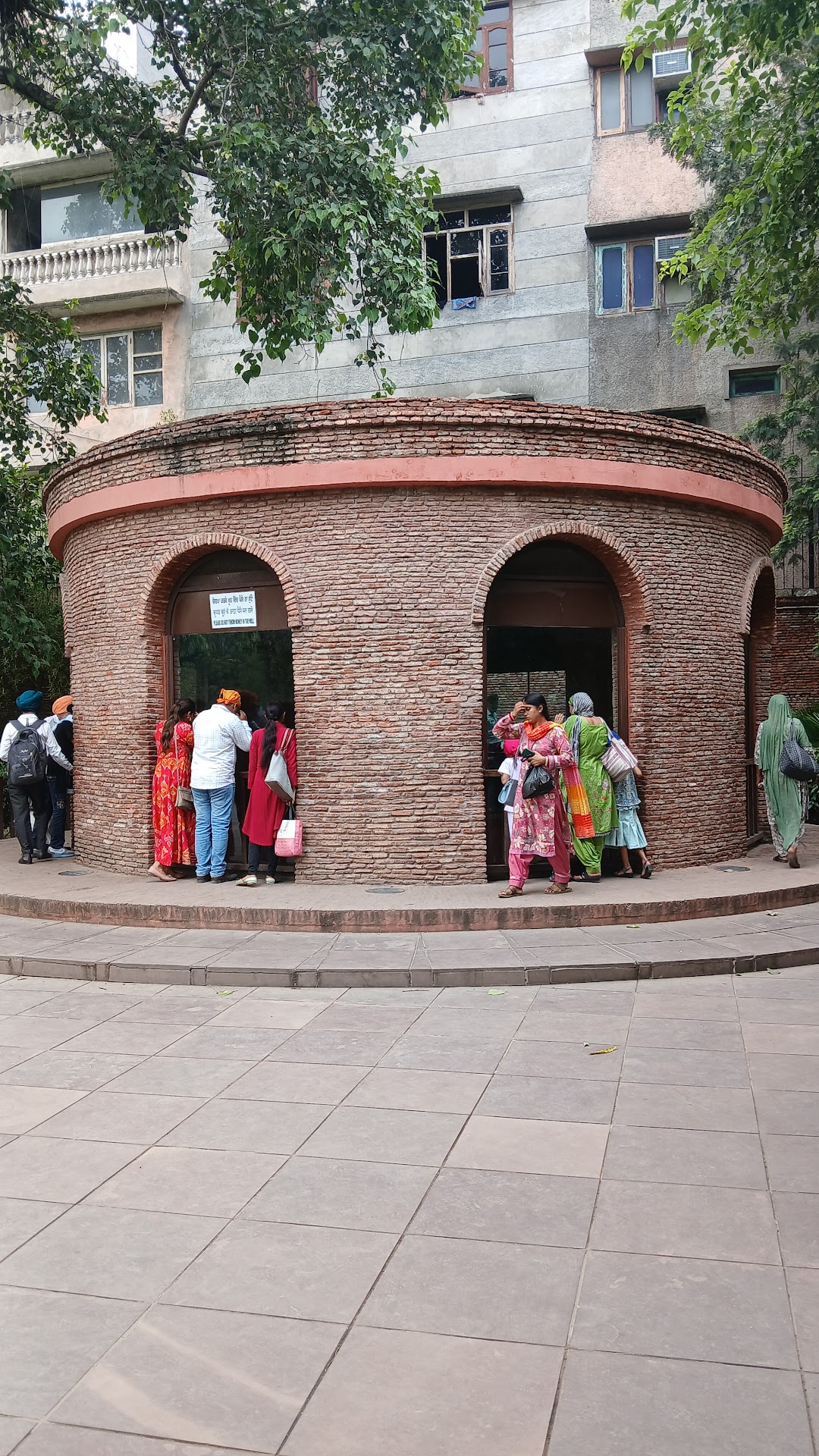
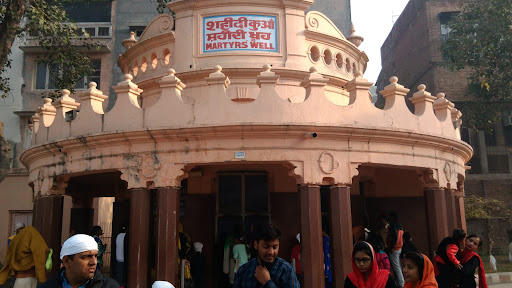
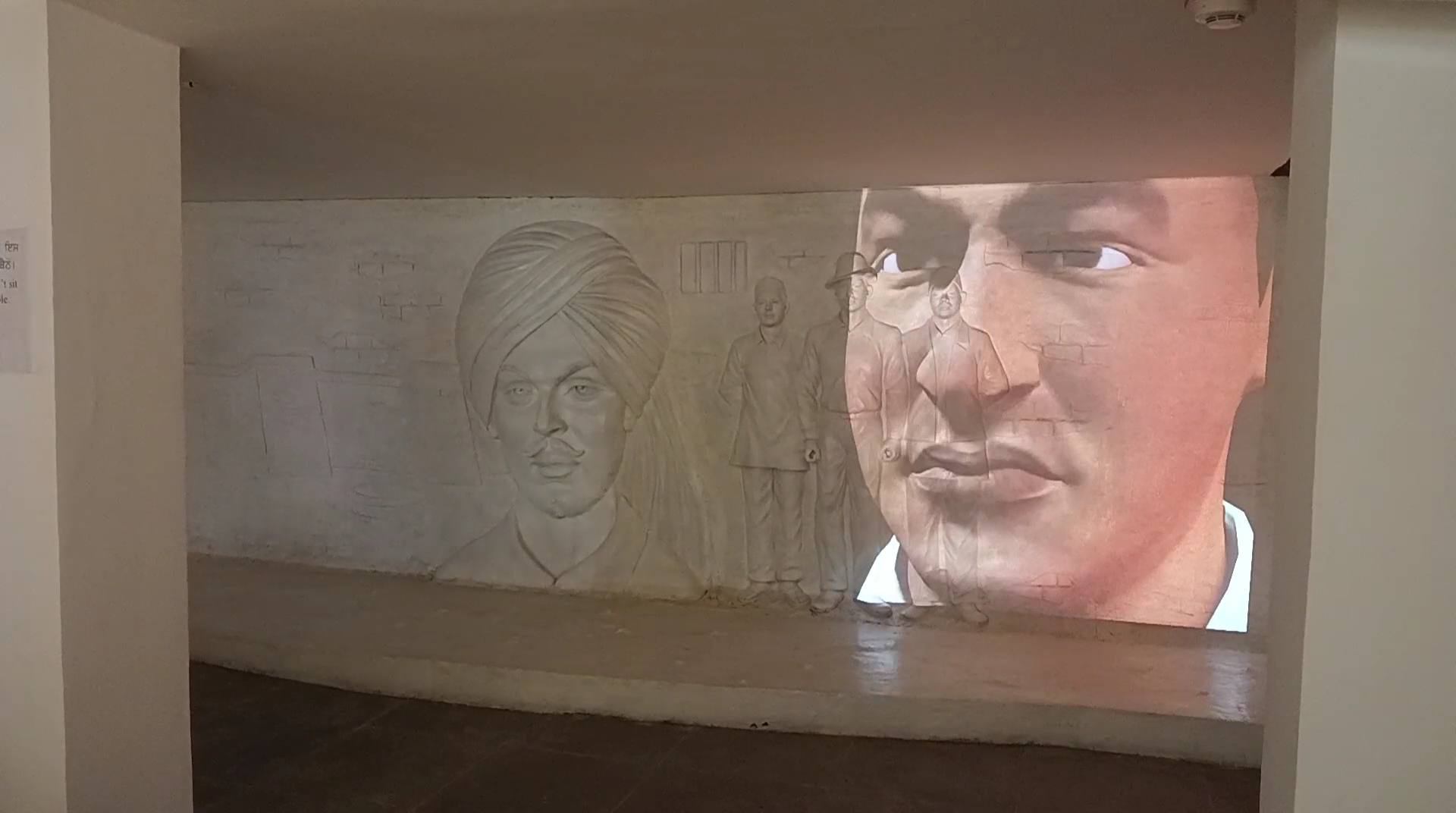
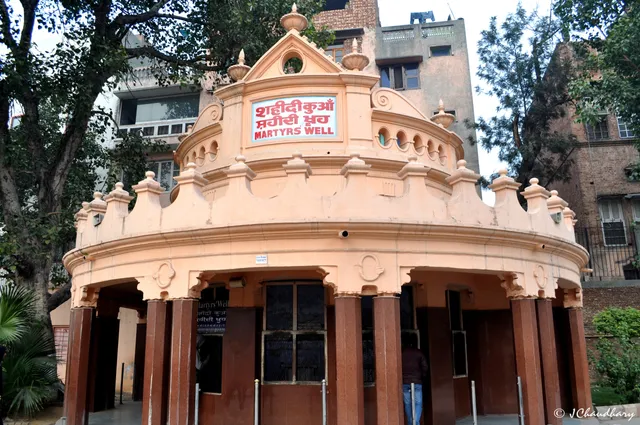
Martyrs Well
JVCJ+79R, Jallian Wala Bagh, Jallan Wala Bagh, Katra Ahluwalia, Amritsar, Amritsar Cantt., Punjab 143006, India
4.7(1.3K)
Closed
Save
spot
spot
Ratings & Description
Info
Cultural
Accessibility
attractions: Jallianwala Bagh, Sri Harmandir Sahib, The Partition Museum - Amritsar District, Punjab, India, Gurudwara Ber Baba Budha Sahib, Central Sikh Museum, Shri Dukh Bhanjani Beri Sahib, Ramgarhia Bunga, Heritage Walks Amritsar, restaurants: Bhai Kulwant Singh Kulchian Wale, Mirch Masala Punjabi Dhaba | Best Punjabi Dhaba Restaurant in Amritsar, Domino's Pizza | Chowk Phawara, Amritsar, Amritsari Rasoi by golden grain, Neelam's, Zayka Restaurant, Cafe Green Saragarhi Sarai, Khubi Ram Sweets, McDonald's, Sanjha Chulha Amritsari Kulcha Specialist, local businesses: GOLDEN TEMPLE AMRITSAR, Akal Takht, Saragarhi Memorial Gurudwara - Firozpur District, Punjab, India, Gurudwara Bibeksar Sahib, Gurudwara Guru ke Mahal, Nelson Tea
 Learn more insights from Wanderboat AI.
Open hoursSee all hours
Sun7 AM - 6 PMClosed
Plan your stay

Pet-friendly Hotels in Punjab
Find a cozy hotel nearby and make it a full experience.

Affordable Hotels in Punjab
Find a cozy hotel nearby and make it a full experience.

The Coolest Hotels You Haven't Heard Of (Yet)
Find a cozy hotel nearby and make it a full experience.

Trending Stays Worth the Hype in Punjab
Find a cozy hotel nearby and make it a full experience.
Reviews
Live events
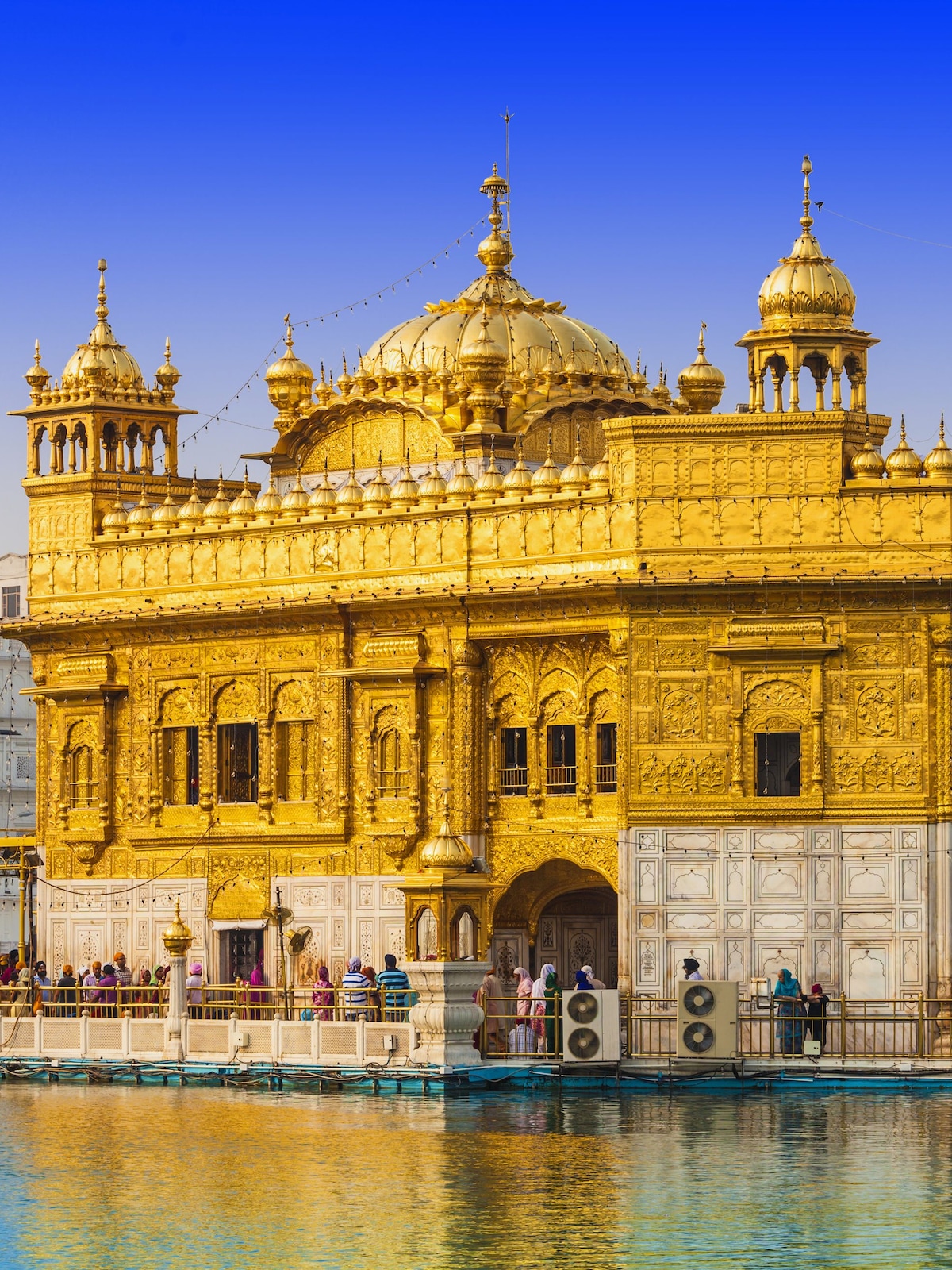
explore amritsars heritage
Mon, Feb 23 • 2:30 PM
Amritsar, Punjab, 143006, India
View details
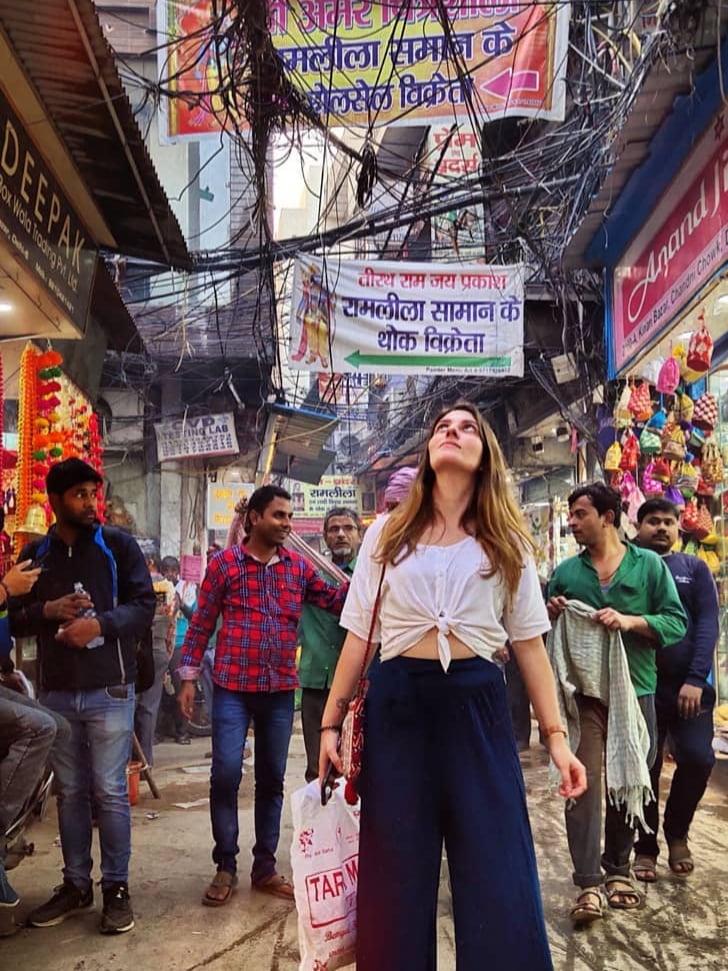
Amritsar Heritage Walking Tour
Mon, Feb 23 • 9:30 AM
Town Hall, Katra Ahluwalia Amritsar, Punjab, 143006, India
View details
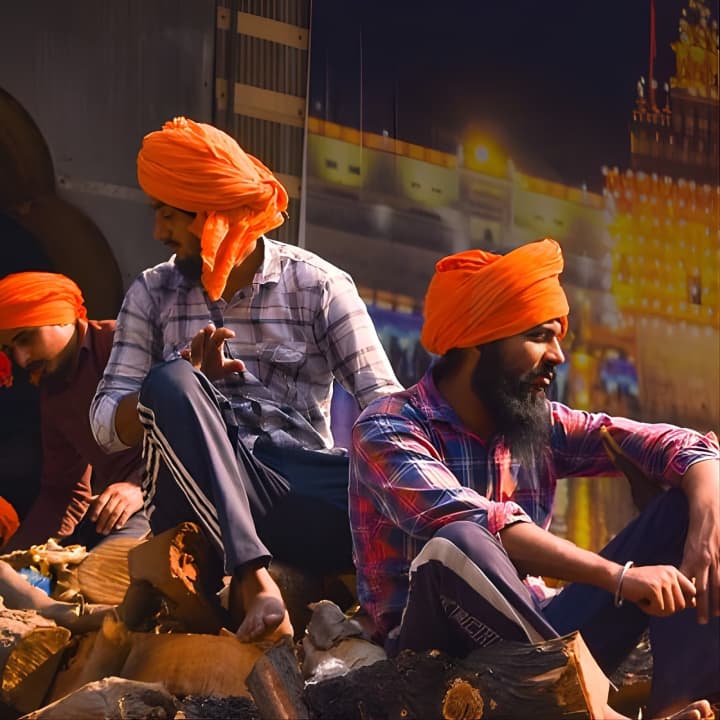
Golden Temple Guided Tour (Planet Amritsar Inc.)
Sun, Feb 22 • 4:00 PM
JVCH+HCX, Golden Temple Road, Jallan Wala Bagh, Katra Ahluwalia, Amritsar, 143006
View details
Nearby attractions of Martyrs Well
Jallianwala Bagh
Sri Harmandir Sahib
The Partition Museum - Amritsar District, Punjab, India
Gurudwara Ber Baba Budha Sahib
Central Sikh Museum
Shri Dukh Bhanjani Beri Sahib
Ramgarhia Bunga
Heritage Walks Amritsar
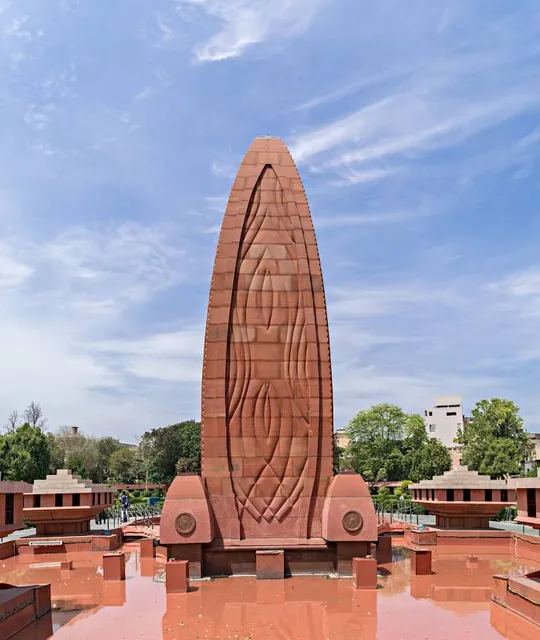
Jallianwala Bagh
4.6
(34.3K)
Closed
Click for details
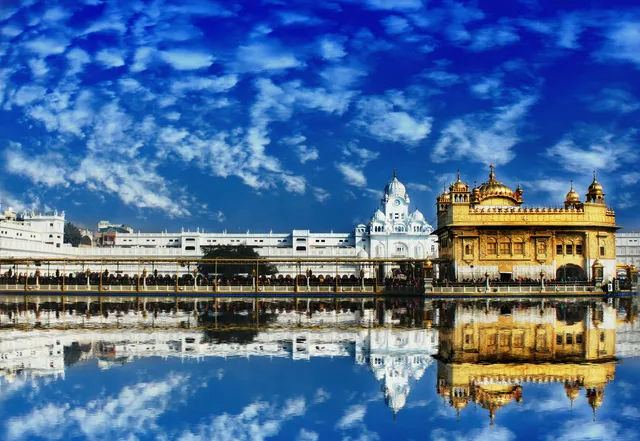
Sri Harmandir Sahib
4.9
(60.8K)
Open until 12:00 AM
Click for details
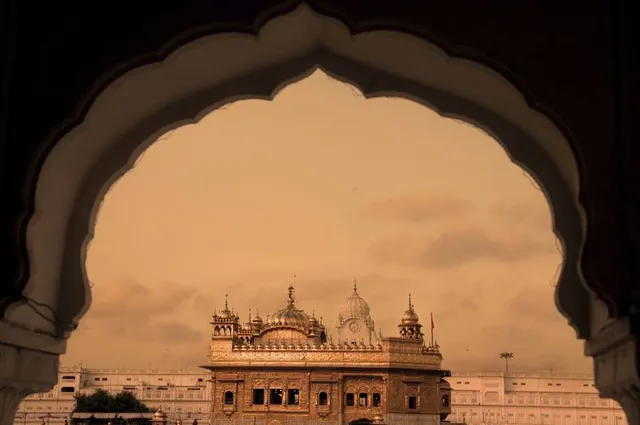
The Partition Museum - Amritsar District, Punjab, India
4.6
(7.7K)
Closed
Click for details
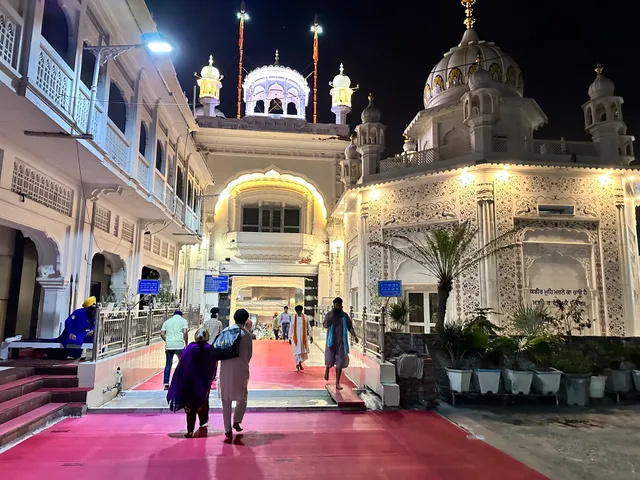
Gurudwara Ber Baba Budha Sahib
4.8
(581)
Open until 12:00 AM
Click for details
Nearby restaurants of Martyrs Well
Bhai Kulwant Singh Kulchian Wale
Mirch Masala Punjabi Dhaba | Best Punjabi Dhaba Restaurant in Amritsar
Domino's Pizza | Chowk Phawara, Amritsar
Amritsari Rasoi by golden grain
Neelam's
Zayka Restaurant
Cafe Green Saragarhi Sarai
Khubi Ram Sweets
McDonald's
Sanjha Chulha Amritsari Kulcha Specialist
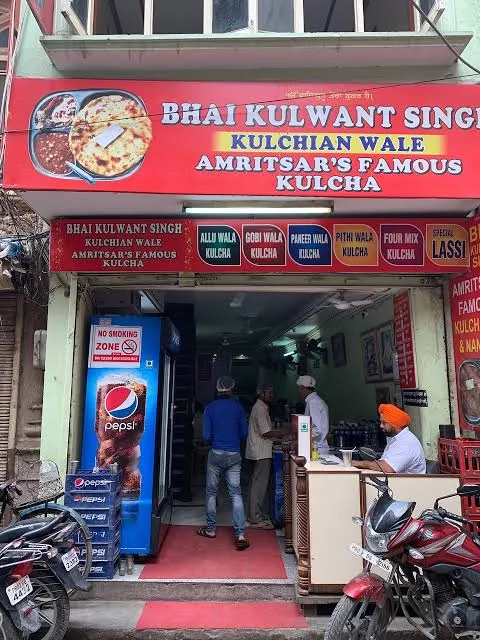
Bhai Kulwant Singh Kulchian Wale
4.3
(2.6K)
Closed
Click for details
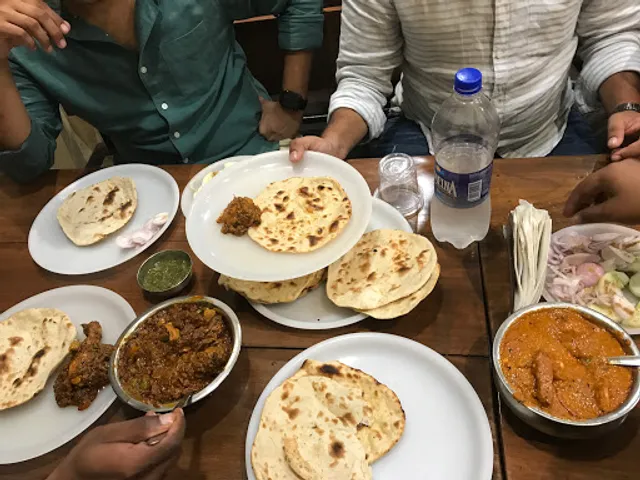
Mirch Masala Punjabi Dhaba | Best Punjabi Dhaba Restaurant in Amritsar
3.8
(347)
Open until 12:00 AM
Click for details
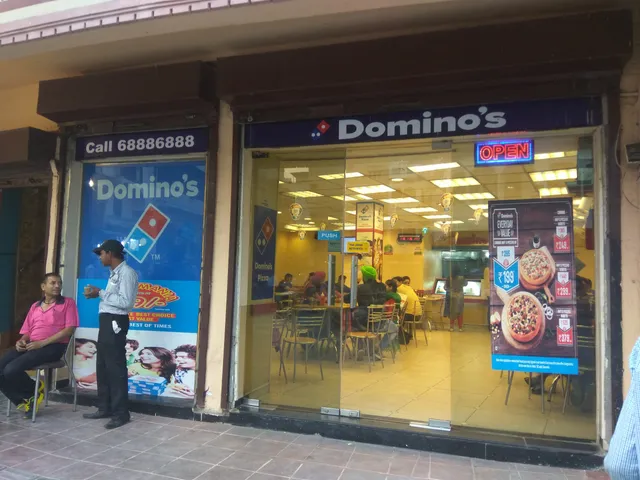
Domino's Pizza | Chowk Phawara, Amritsar
3.9
(1.0K)
Open until 11:00 PM
Click for details
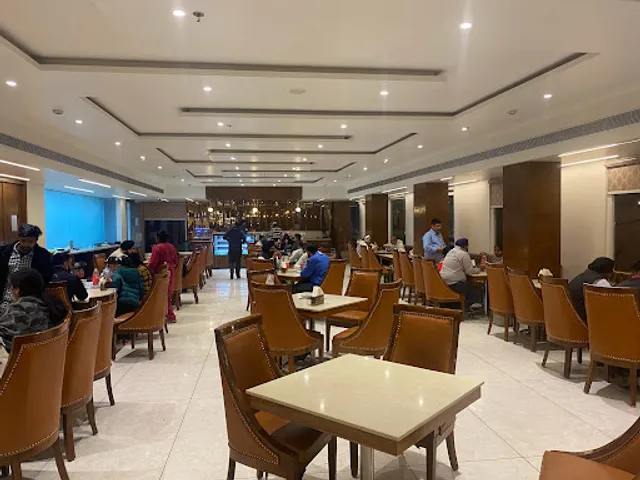
Amritsari Rasoi by golden grain
3.9
(131)
Open until 12:00 AM
Click for details
Nearby local services of Martyrs Well
GOLDEN TEMPLE AMRITSAR
Akal Takht
Saragarhi Memorial Gurudwara - Firozpur District, Punjab, India
Gurudwara Bibeksar Sahib
Gurudwara Guru ke Mahal
Nelson Tea
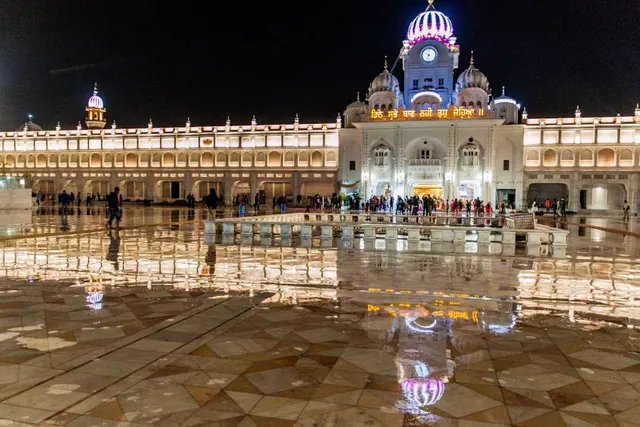
GOLDEN TEMPLE AMRITSAR
4.8
(1.2K)
Click for details
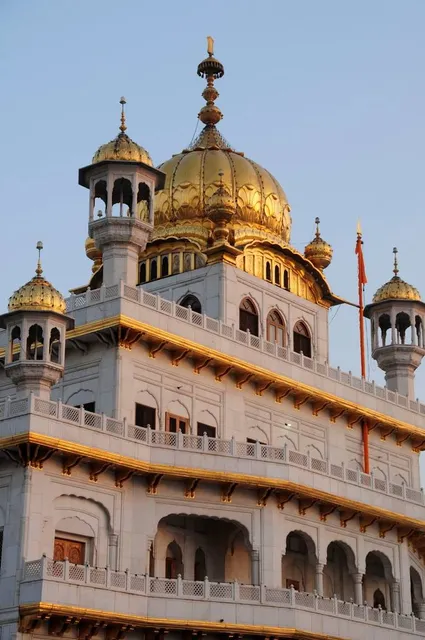
Akal Takht
4.8
(643)
Click for details
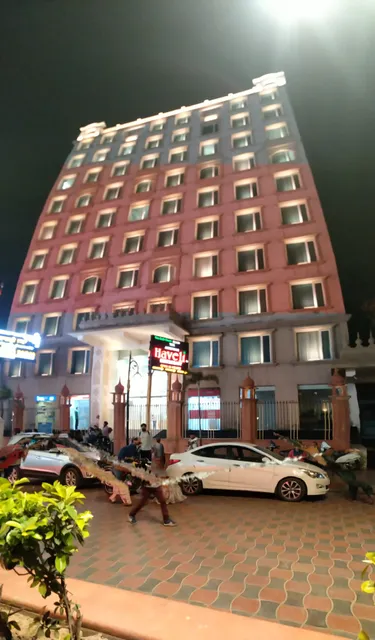
Saragarhi Memorial Gurudwara - Firozpur District, Punjab, India
4.7
(181)
Click for details
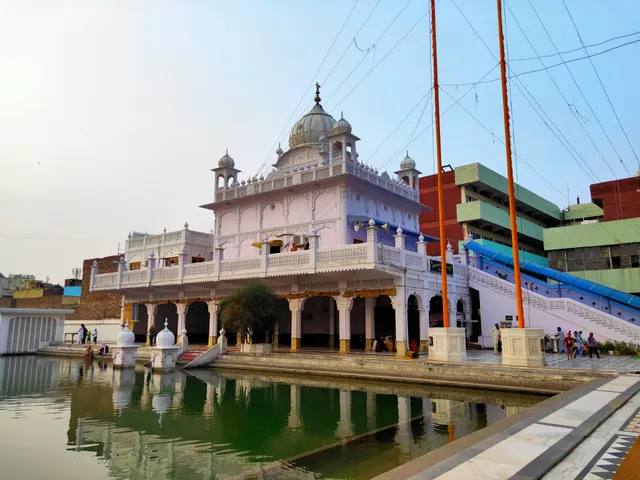
Gurudwara Bibeksar Sahib
4.8
(122)
Click for details