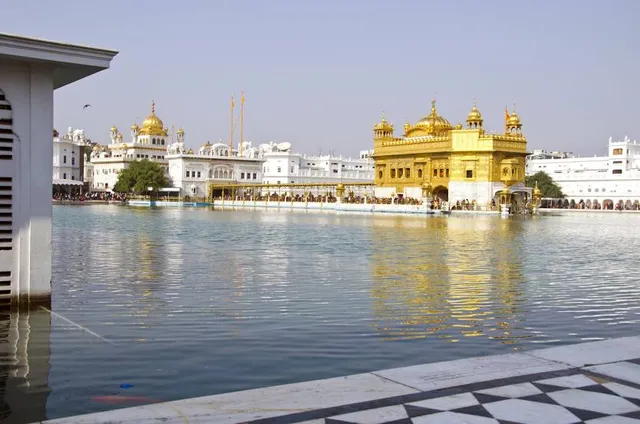
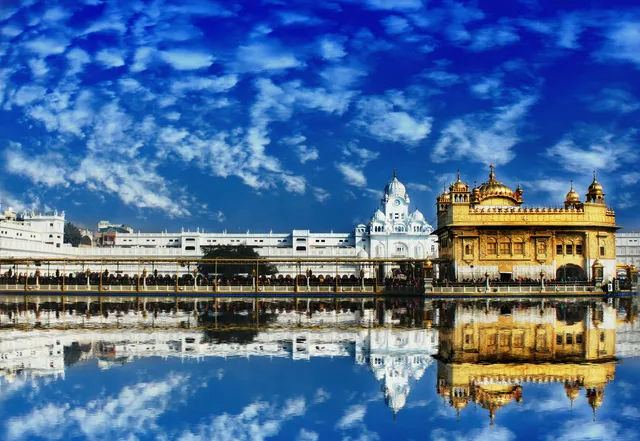
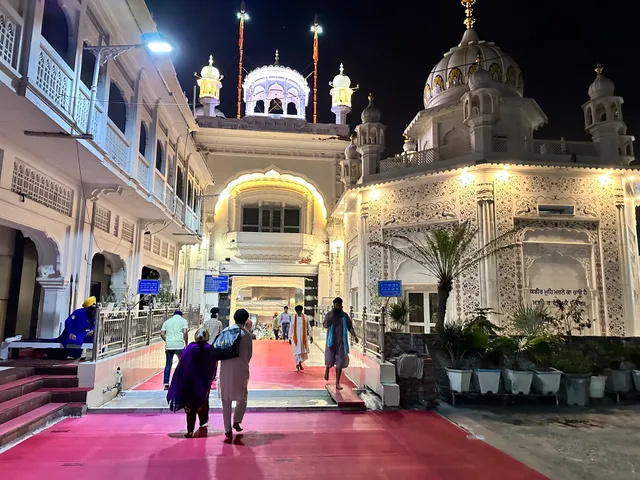
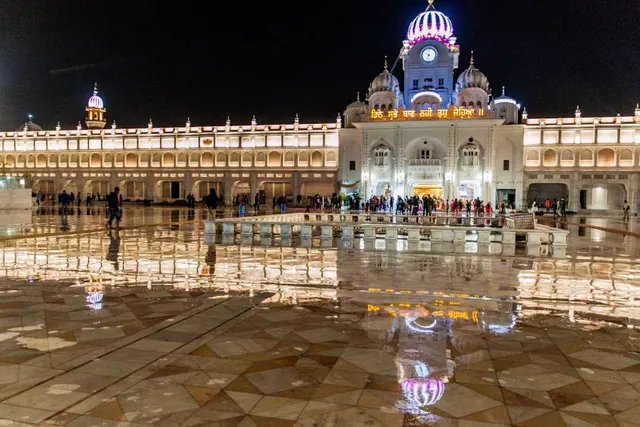
The Golden Temple, also known as the Harmandir Sahib, is a gurudwara (Sikh temple) located in Amritsar, Punjab, India. It is one of the most sacred sites in Sikhism and a symbol of the Sikh faith.
History of the Golden Temple
The Golden Temple was built in the 16th century by Guru Arjan Dev, the fifth Sikh guru. The temple was completed in 1604 and was originally called the Harmandir Sahib, which means "the abode of God." The temple was built as a place of worship for Sikhs and as a symbol of the Sikh faith.
Architecture of the Golden Temple
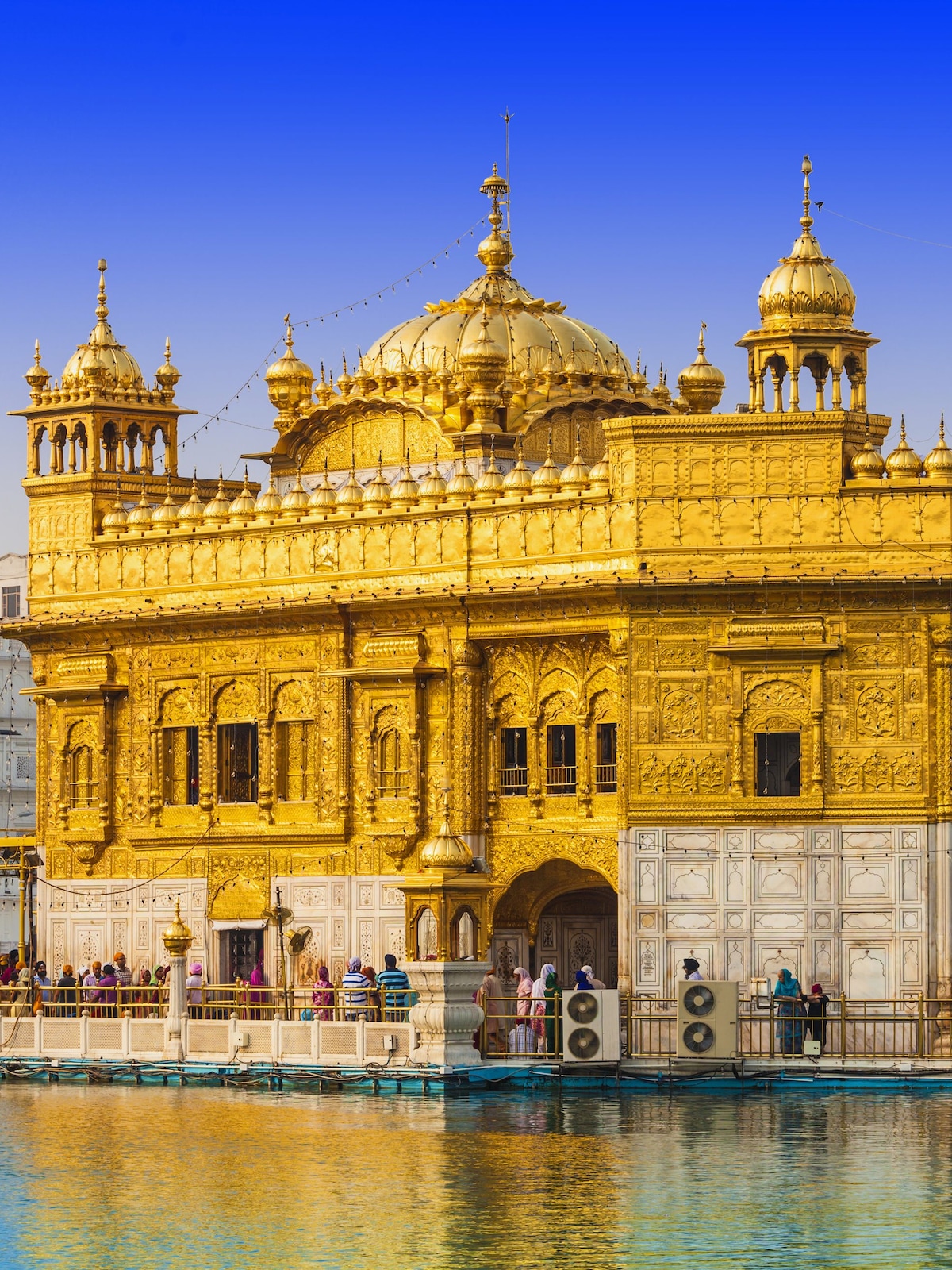
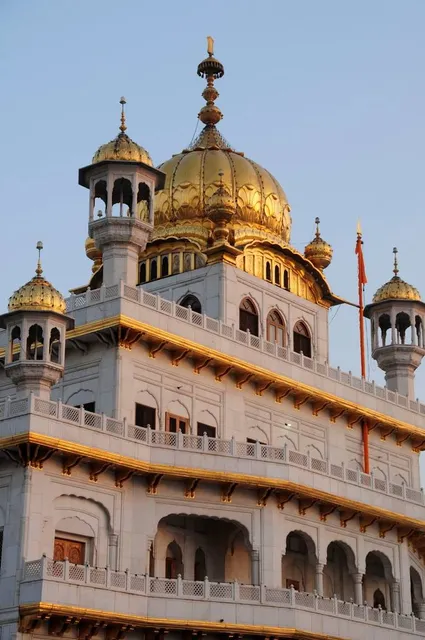
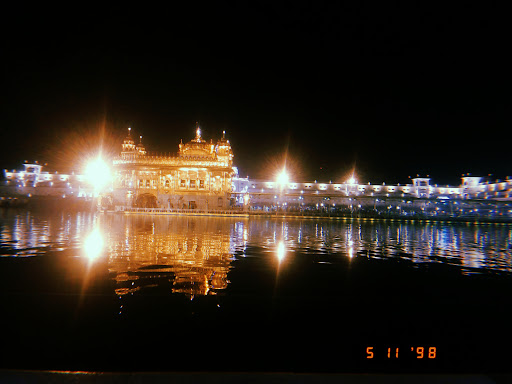
The Golden Temple is a stunning example of Sikh architecture. The temple is built in the shape of a square, with a large dome in the center. The dome is covered in gold leaf, which gives the temple its distinctive golden color. The temple is surrounded by a large pool of water, known as the Amrit Sarovar, which is considered sacred by Sikhs.
Significance of the Golden Temple
The Golden Temple is one of the most sacred sites in Sikhism. It is considered the spiritual center of the Sikh faith and is a place of pilgrimage for Sikhs from all over the world. The temple is also a symbol of the Sikh values of equality, justice, and compassion.
Visiting the Golden Temple
Visitors to the Golden Temple are required to follow certain rules and customs. These include:
Removing shoes: Visitors must remove their shoes before entering the temple. Covering the head: Visitors must cover their heads with a scarf or other cloth before entering the temple. Washing hands and feet: Visitors must wash their hands and feet before entering the temple. Respecting the temple: Visitors must respect the temple and its customs, and not engage in any behavior that is considered disrespectful.
Langar at the Golden Temple
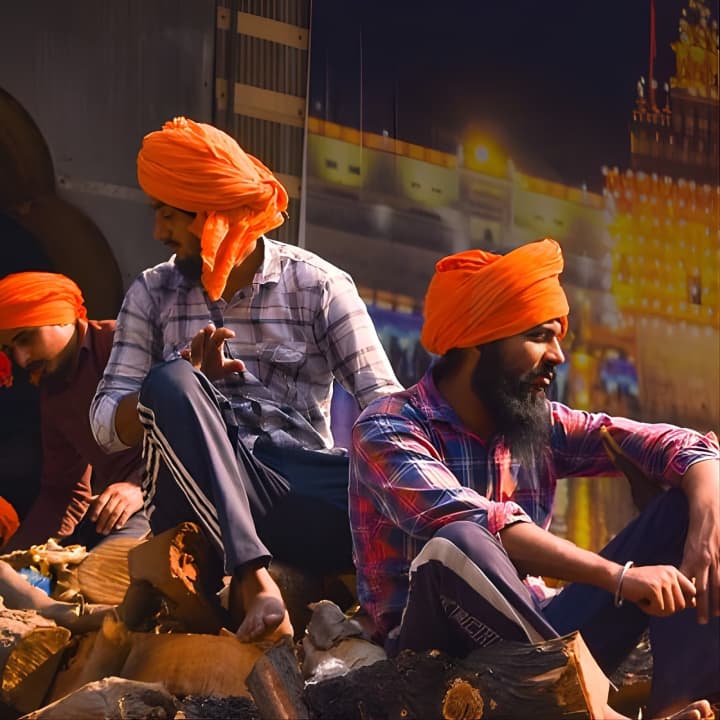
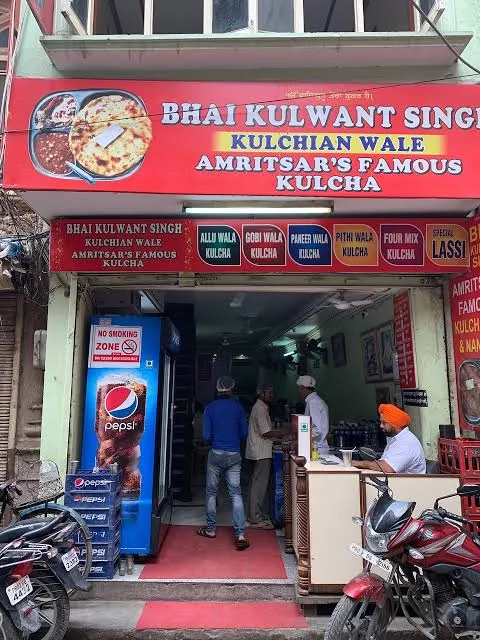
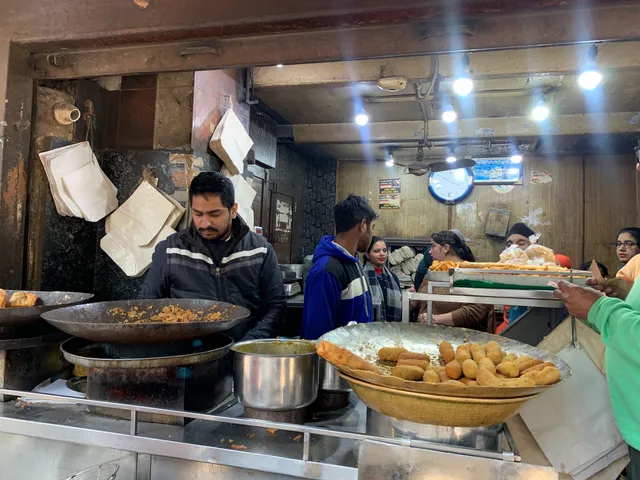
One of the unique features of the Golden Temple is the langar, or community kitchen. The langar is a place where visitors can come to eat a free meal, regardless of their background or faith. The langar is run by volunteers and is funded by donations. It is considered an important part of the Sikh faith and is a symbol of the Sikh values of equality and compassion.
Tips for Visiting the Golden Temple
Plan ahead: The Golden Temple is a popular tourist destination, so it's a good idea to plan ahead and arrive early. Dress modestly: Visitors should dress modestly and avoid wearing anything that is considered revealing or disrespectful. Respect the temple: Visitors should respect the temple and its customs, and not engage in any behavior that is considered disrespectful. Try the langar: The langar is a unique and delicious experience, and visitors should definitely try it.
Overall, the Golden Temple is a must-visit destination for anyone interested in Sikhism or Indian culture. Its stunning architecture, rich history, and unique customs make it a truly...
Read moreDuni Chand Khatri was a rich land lord of Patti town (31°16'52.52"N 74°51'26.63"E). He had five daughters. All were beautiful and talented. One day Duni Chand asked his daughters,"Tell me who provides you meals" Elder four daughter readily said that their father was providing them every thing. He is their benefactor. But the younger daughter named, Rajni replied, "It is God that sustains all living beings" Hearing this reply Duni Chand was so enraged that he married Rajni to a leper. But Rajni did not care about it. She accepted the leper as her husband and served him with great love.In those days Guru Ram Das Ji was constructing a new city at Amritsar. Rajni took the leper with him and reached Amritsar. She met the devotees of the Guru When devotees saw that her husband was leper they took pity on her and provided him a room to live. She also joined the other devotees and was deputed to cook meals in the common kitchen. She was well contented with her fate. She was always contemplating the name of God. When she was going to join his duty, she used to take her husband with her. Making a suitable arrangement for his sitting under a shady tree, she used to go to the kitchen. One day she left him to sit under a Ber tree. When her husband the leper was sitting on the bank of the pond, he saw a pair of crows dipped down in the pool and flew away with their colour changing from black to white. Seeingthis he concluded that pool did not contain an ordinary water, so he made up his mind to bathe in the tank. He reached near the pond and dipped into the water. Dukh Bhanjani Beri in 1884 When he came out he was astonished to see himself hale and healthy, He was no longer a leper. He walked as a youngman and again sat under the shade of the Ber tree. When Rajni returned from langar she was unable to recognize him. When the youngman convinced him her telling her the whole story; Rajni felt very happy. They met Guru Ram Dass Ji and told him the whole story The Guru was pleased to hear it. He told Baba Budha Ji that pond was the same haly place about which Gum Amar Dass Ji had foretold. When the people of the area heard about the appearance of Netar pond they rushed to see and have a bath in it The tree under which the leper was sitting came to be known as Dukh bhanjani Beri as it relieves the pains and afflictions A Gurdwara has been built near that Bed and thousands of people take bath...
Read moreDo visit once DUKH BHANJNI SAHIB
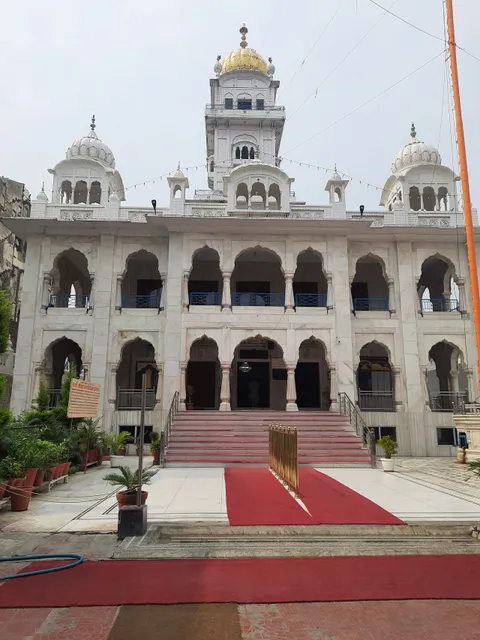
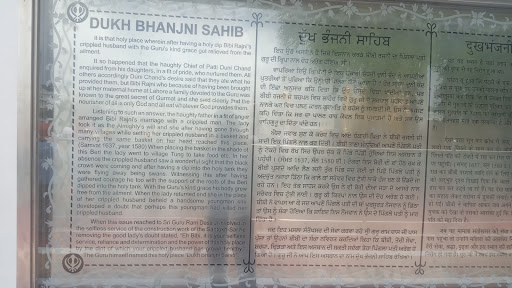
It is that holy place wherein after having a holy dip Bibi Rajni's crippled husband with the Guru's kind grace got relieved from the ailment.
It so happened that the haughty Chief of Patti Duni Chand enquired from his daughters, in a fit of pride, who nurtured them. All others accordingly Dúni Chand's desire said that they ate what he provided them, but Bibi Rajni who because of having been brought up at her maternal home at Lahore a family devoted to the Guru was known to the great secret of Gurmat and she said clearly that the nourisher of all is only God and all eat whatever God provides them.
Listening to such an answer, the haughty father in a fit of anger arranged Bibi Rajni's marriage with a crippled man. The lady took it as the Almighty's will and she after having gone throug many villages while setting her crippled husband in a basket and carrying the same basket on her head reached this place. (Samvat 1637, year 1580) When placing the basket in the shade of this Beri the lady went to village Tung to take food etc. In her absence the crippled husband saw a wonderful sight that the black crows were coming and after having a dip into the holy tank they were flying away being swans Witnessing this after having gathered courage he too with the support of the roots of the Beri dipped into the holy tank. With the Guru's kind grace his body grew free from the ailment. When the lady returned and she in the place of her crippled husband beheld a handsome youngman she developed a doubt that perhaps this youngman had killed her I crippled husband.
When this issue reached to Sri Guru Ram Dass Ji involved in the selfless service of the construction work of the Santokh-Sar he removing the good lady's doubl stated, "Eh Bibi, it is your selfless service, reliance and determination and the power of this holy place by the dint of which your crippled husband has grown healthy." The Guru himself named this holy place "Dukh...
Read more