Learn more insights from Wanderboat AI.



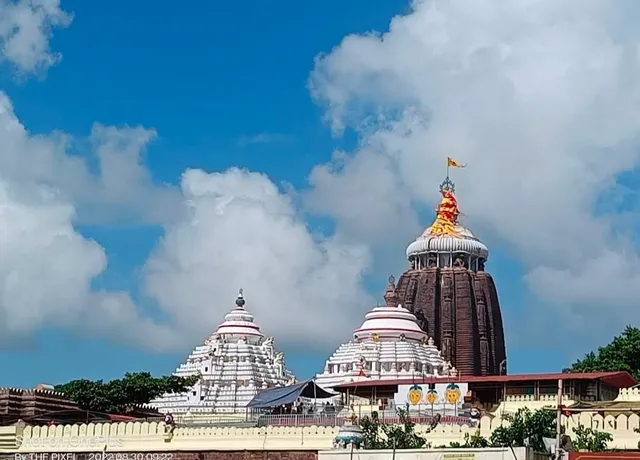
Shree Jagannatha Temple Puri
4.7
(42.8K)
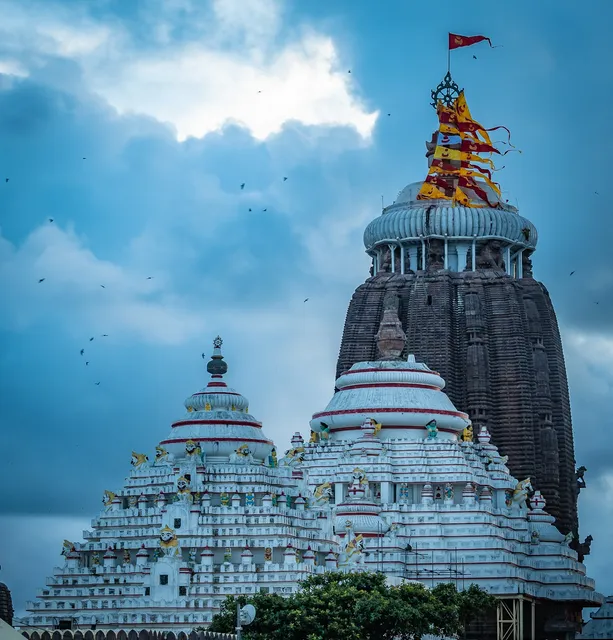
Baisi Pahacha
4.4
(83)

Shri Vimala Shakti Peetha Temple, Puri
4.6
(250)
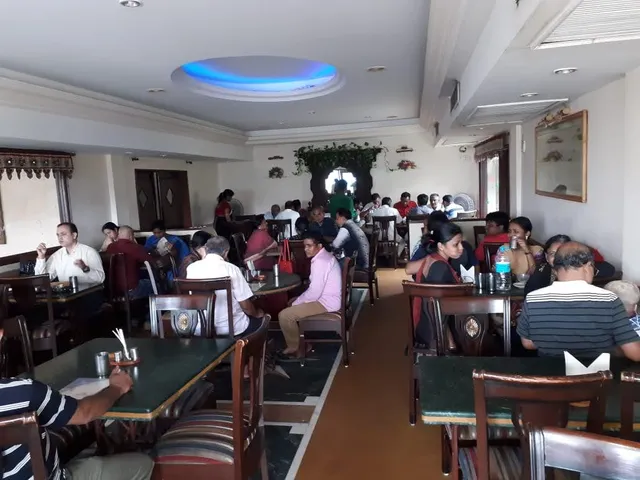
The Grand
3.7
(567)
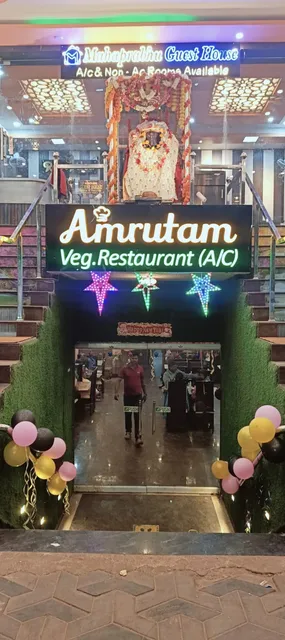
Amrutam veg restruant
3.9
(197)
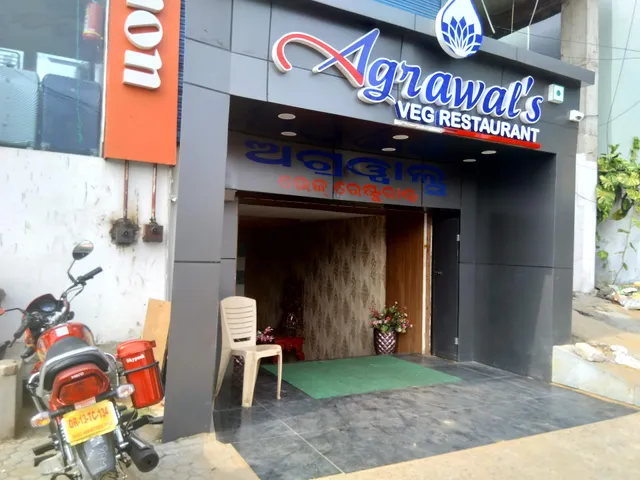
Agarwal's Pure Veg Restaurant
3.7
(933)
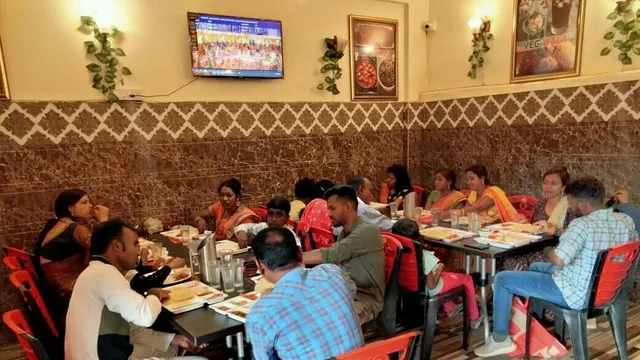
Veg wala restaurant
3.8
(150)

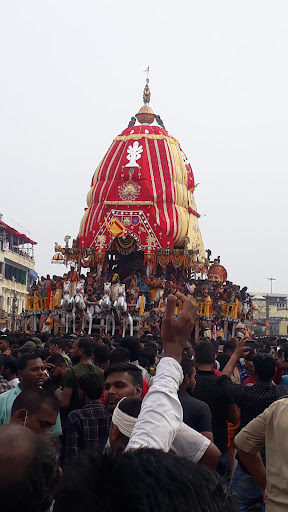
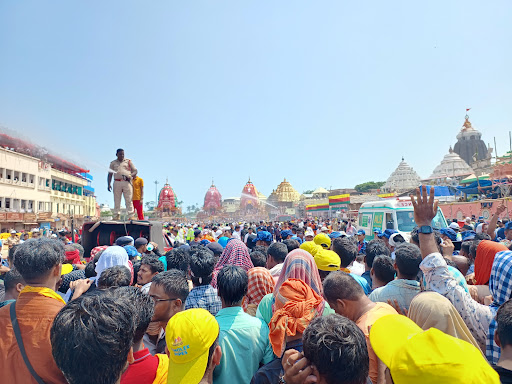
Badadanda, also known as the Grand Road, is a prominent and historically significant street in Puri, Odisha. It is renowned for its religious and cultural importance, particularly in relation to the famous Jagannath Temple. Here are some key aspects of Badadanda in Puri:Rath Yatra Procession: Badadanda is best known for being the route of the annual Rath Yatra (Chariot Festival) of Lord Jagannath, Lord Balabhadra, and Goddess Subhadra. During this grand event, the deities are taken from the Jagannath Temple to the Gundicha Temple on massive, elaborately decorated chariots. Millions of devotees and tourists gather to witness this spectacular procession.Location: The street stretches from the Jagannath Temple to the Gundicha Temple, covering a distance of about 3 kilometers. It serves as the main thoroughfare in Puri for religious processions and pilgrim activities.Pilgrimage Site: As a major pilgrimage site, Badadanda is constantly bustling with pilgrims who come to visit the Jagannath Temple. The street is lined with shops selling religious items, food, and souvenirs, catering to the needs of the pilgrims.Festive Atmosphere: Throughout the year, Badadanda is a lively and vibrant place, especially during festivals. The street is decorated with lights, banners, and flowers during major religious events, creating a festive atmosphere.Cultural Significance: Badadanda is not only a religious hub but also a cultural center. Various cultural programs, traditional music, dance performances, and other events are organized here, reflecting the rich cultural heritage of Odisha.Historical Importance: The road has a long history and has been a vital part of Puri's religious traditions for centuries. It is mentioned in various religious texts and is considered a sacred path...
Read more
Jay Jagannath, I went to Rathayatra. Puri Rath Yatra is a Hindu festival celebrated annually in the city of Puri in the Indian state of Odisha. It is also known as the Car Festival and is one of the most important festivals in the Hindu calendar. The festival is celebrated in honor of Lord Jagannath, an incarnation of Lord Vishnu, and his siblings, Lord Balabhadra and Goddess Subhadra.
The festival is marked by the procession of three giant wooden chariots carrying the deities through the streets of Puri. The chariots are decorated with colorful fabrics and flowers and are pulled by devotees using ropes. The journey of the chariots from the Jagannath Temple to the Gundicha Temple, where the deities stay for a week, is a sight to behold and attracts millions of devotees from all over the world.
The festival has its roots in ancient Hindu mythology and is believed to have been celebrated for over a thousand years. It is a symbol of unity and devotion, as people from all walks of life come together to celebrate the glory of Lord Jagannath.
The festival also features a variety of cultural performances, including music, dance, and theater, and is a celebration of the rich cultural heritage of Odisha.
Overall, Puri Rath Yatra is a vibrant and colorful festival that celebrates the devotion and faith of the people of Odisha. It is a unique experience that offers visitors a glimpse into the rich cultural...
Read more
At Puri, Shri Jagannath Mahaprabhu welcomes you to his ancient shrine with the melodious sound of hymns and mantras, the playing of conches and drums and the perfume of flowers and incense.
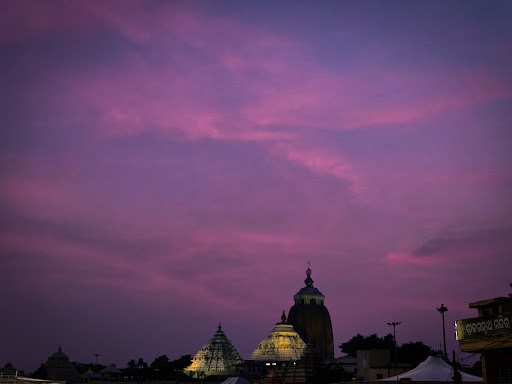
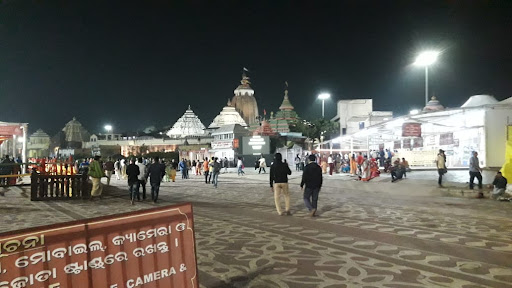
The Jagannath Temple, also called Shrimandir, is at the heart of the town of Puri. It stands on the grand avenue called Bada Danda and is at the centre of the spiritual and daily life of this tirtha. The temple with the tall soaring shikhara has a huge chakra and a flag flying on top and from the sea it is visible from far away. The festival processions like the Rath Yatra all take place on the Bada Danda. Within the temple precinct there are many smaller shrines dedicated to various deities, pavilions, gardens and sacred tanks.
The temple is a gigantic enterprise and it employs over six thousand priests from thirty six clans. The religious rituals and festivals are unique to Puri as there is the involvement of not just Brahmin priests but also members of the Sabar tribal community called the Daitapatis who continue to create and maintain the images.
The administration of the temple was organised eight hundred years ago by King Anangabhima Deva of the Ganga dynasty who donated treasures in gold and also gave land to pay for its upkeep. Even today the king of Puri is considered to be the premier servant or sevak of Lord Jagannath and his presence is required to begin...
Read more