Ratnasimha (IAST: Ratna-Siṃha, r. c. 1302 –1303 CE) was a ruler of the Medapata (Mewar) kingdom in present-day Rajasthan, India. He belonged to the Rawal branch of the Guhila dynasty, which ruled from the Chitrakuta fort (modern Chittorgarh). The last ruler of this branch, he was defeated by Alauddin Khalji in 1303 CE.The Rajasthani legends mention him as the Rajput ruler Ratan Singh. A fictionalized version of him appears as Ratan Sen in Malik Muhammad Jayasi's Padmavat. According to this poem, Alauddin attacked Chittorgarh to obtain his beautiful wife Rani Padmini; Alauddin captured the fort after Ratan Sen died in a combat with king Devpal of Kumbhalner; subsequently, Padmini and other women committed Jauhar to protect their honour.According to Amir Khusrau, who claims to have entered the fort with Alauddin, the ruler ("Rai") of Chittor surrendered to Alauddin. The Delhi Sultan massacred 30,000 other Hindus, but pardoned the ruler and his family. He assigned the fort to his young son Khizr Khan with Malik Shahin as the actual administrator, renamed it to Khizrabad, and then returned to Delhi.A legendary account of Ratan Singh (as Ratan Sen) appears in Malik Muhammad Jayasi's 16th century epic poem Padmavat. According to this account, he married the Sinhala princess Padmini after a quest. Alauddin Khalji invaded Chittor to obtain Padmini, after hearing of her beauty. Ratan Sen was captured by the Delhi forces, but his Rajput warriors rescued him on Padmini's request. While he was in captivity, his Rajput neighbour - Devpal of Kumbhalner - sent a marriage proposal to Padmini. Ratan Sen fought with Devpal to avenge this insult, and the two Rajput kings killed each other in a single combat. Alauddin then invaded Chittor, but before he could capture the fort, Padmini (Padmavati) and other women...
Read moreRajasthan
Chittorgarh
Places to Visit in Chittorgarh
Ratan Singh Palace
Ratan Singh Palace
 Historical

Photo Credit: Flickr
#7 of 9 Places to Visit in Chittorgarh
Distance (From Chittorgarh Railway Station): 6 Kms
Trip Duration (Including Travel): 30 Mins
Place Location: Near Rana Kumbha Palace
Transportation Options: Cab / Auto / Rental Bike
Travel Tips: None
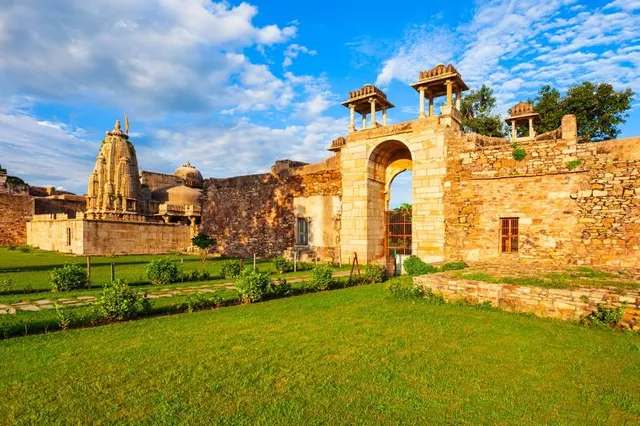
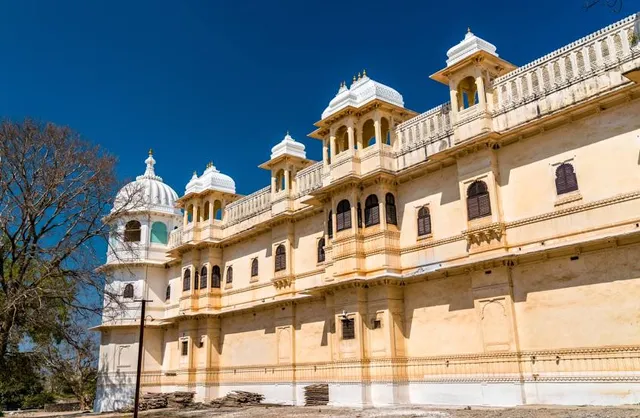
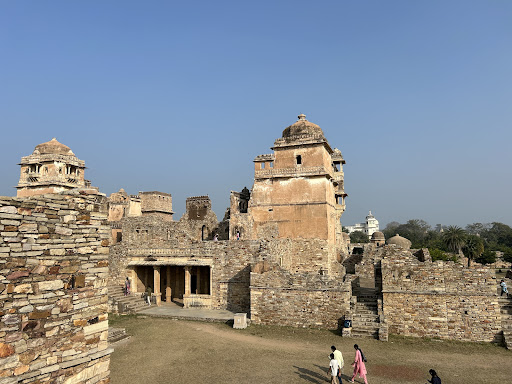
At a distance of 1 km from Rana Kumbha Palace and 6 km from Chittorgarh Railway Station, Ratan Singh Palace or Ratan Singh Mahal is a large historical palace situated in Chittorgarh Fort. Located along the Ratneshwar Talab, this palace is one of the top places to visit in Chittorgarh.
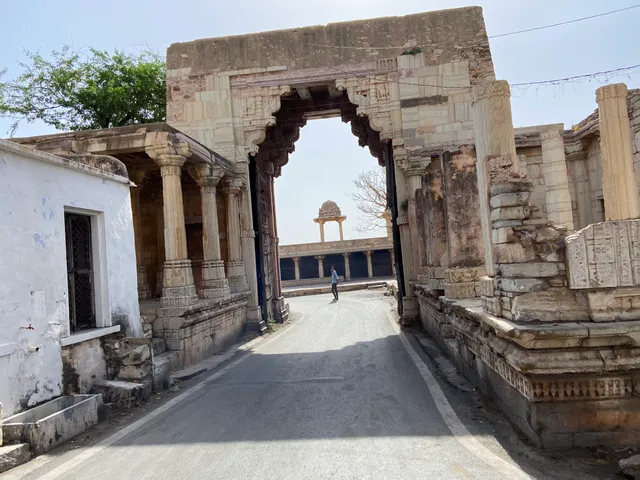
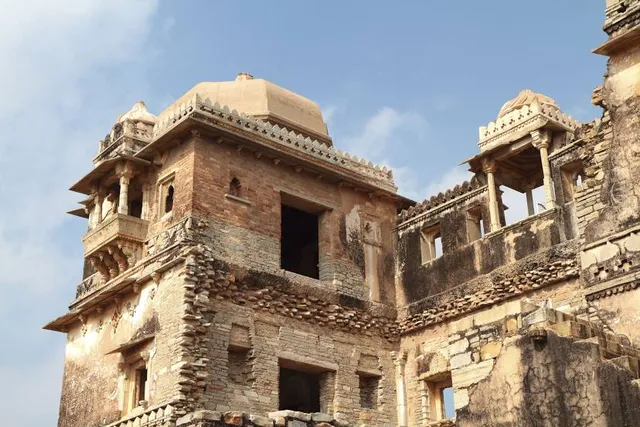
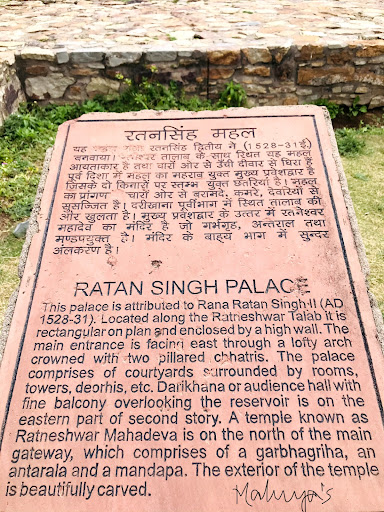
The Ratan Singh Palace is attributed to Rana Ratan Singh II (AD 1528 - 31). It is rectangular on plan and enclosed by a high wall. The main entrance is facing east through a lofty arch crowned with two pillared chhatris. The palace comprises a courtyard surrounded by rooms and a pavilion with balcony on the eastern part of the second storey.
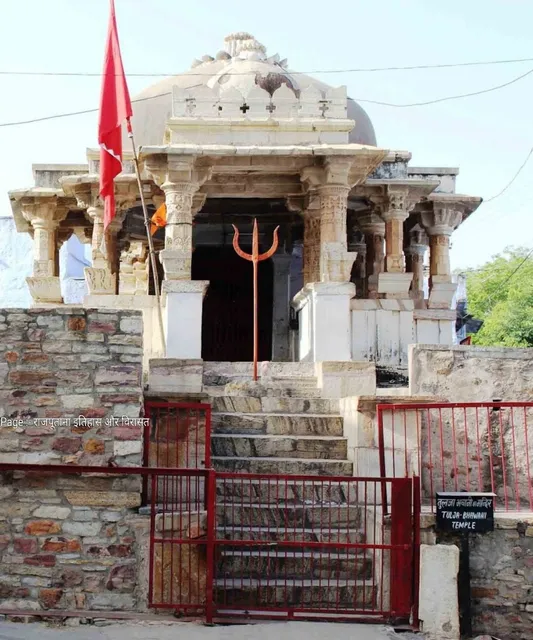
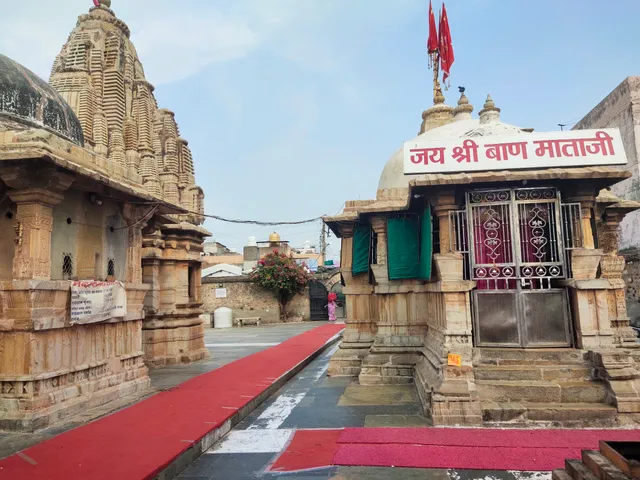
In the north side of palace, there is a gate which leads to internal part of palace. In inner part, there is big empty space and around it different old structures and rooms are made. Darikhana has with fine balcony overlooking the reservoir is on eastern part of second story. A temple known as Ratneshwar Mahadeva Temple is on the north of the main gateway, which comprises of a garbhagriha, an antarala and a mandapa. The exterior of the temple is beautifully carved. One can also see a well maintained garden in the palace compound. This palace was used for great occasions and ceremonies in ancient time.
Timings: 9.45 AM to 6 PM
Entry Fee: situated inside the fort complex
Fort Entry Fee: Rs. 15 for Indian and Rs. 200...
Read moreRatan Singh Palace, located within the Chittorgarh Fort complex in Rajasthan, is a significant historical site built during the early 16th century by Maharana Ratan Singh II, who ruled Mewar from 1527 to 1531 CE. The palace was primarily constructed as a royal retreat and winter residence for the royal family, offering a peaceful sanctuary amidst the fort’s grandeur. The palace is renowned for its association with the Mewar dynasty and Maharana Ratan Singh II, reflecting both the defensive and cultural richness of the period. The site was used not only as a strategic winter abode but also as a prime location for festivals, celebrations, and royal gatherings, bearing witness to Mewar's vibrant past. Ratan Singh Palace follows a rectangular plan and is surrounded by high walls for protection. The main entrance faces east, marked by a grand arch and two pillared chhatris. The palace features spacious courtyards, lofty rooms, pavilions with balconies, and lush gardens. There are distinct sections for public functions and private royal quarters, with the Darikhana (audience hall) providing impressive views over the sacred Gaumukh reservoir. Today, Ratan Singh Palace appeals to history enthusiasts and tourists seeking an authentic experience away from the busier parts of Chittorgarh Fort. Its serene setting, with well-maintained gardens and lakeside views, offers both tranquility and a glimpse into the lives of Rajasthan’s royals.Ratan Singh Palace stands as a quiet yet imposing testament to the legacy of Mewar, combining heritage, spirituality, and understated royal charm in the heart of...
Read more