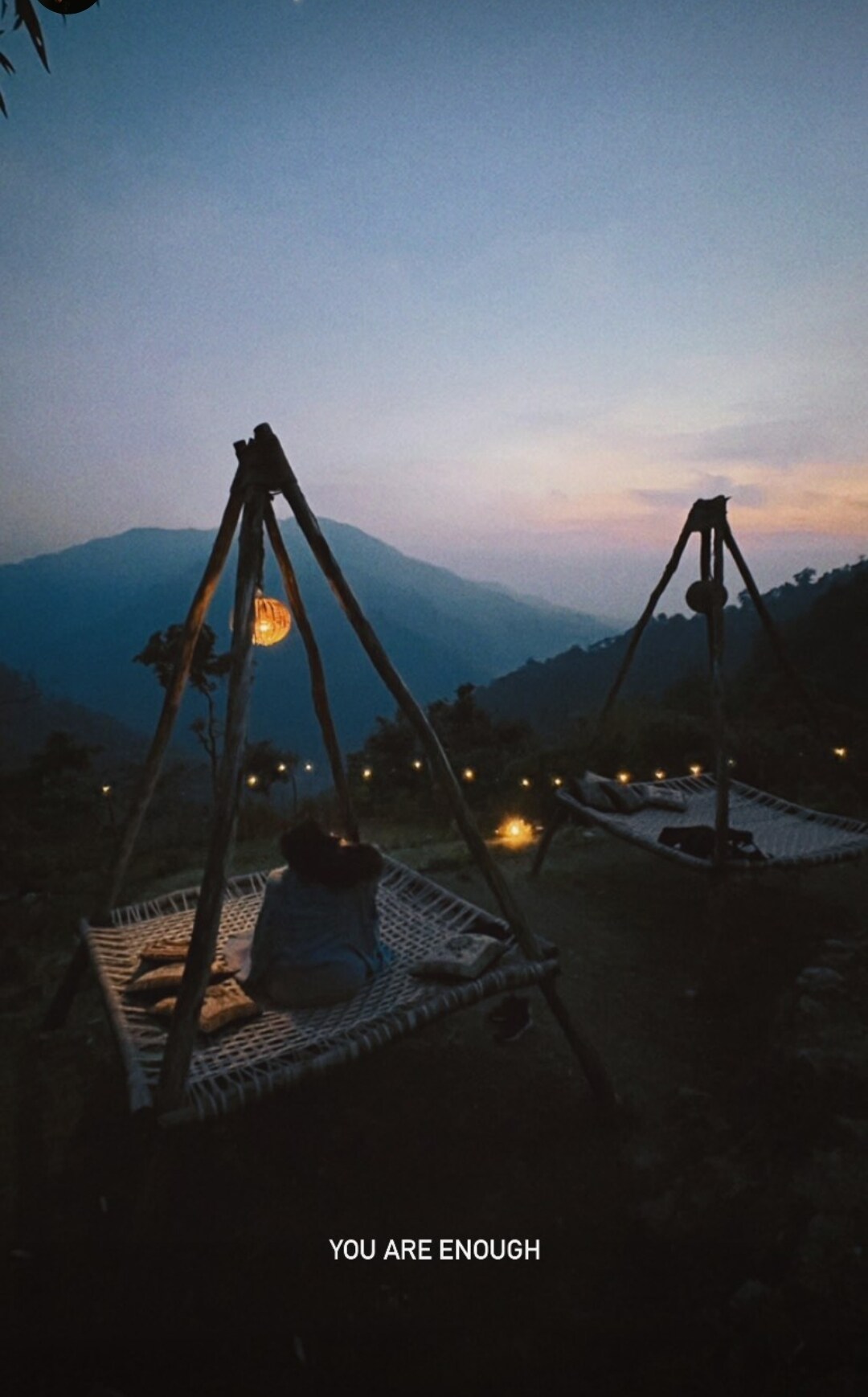
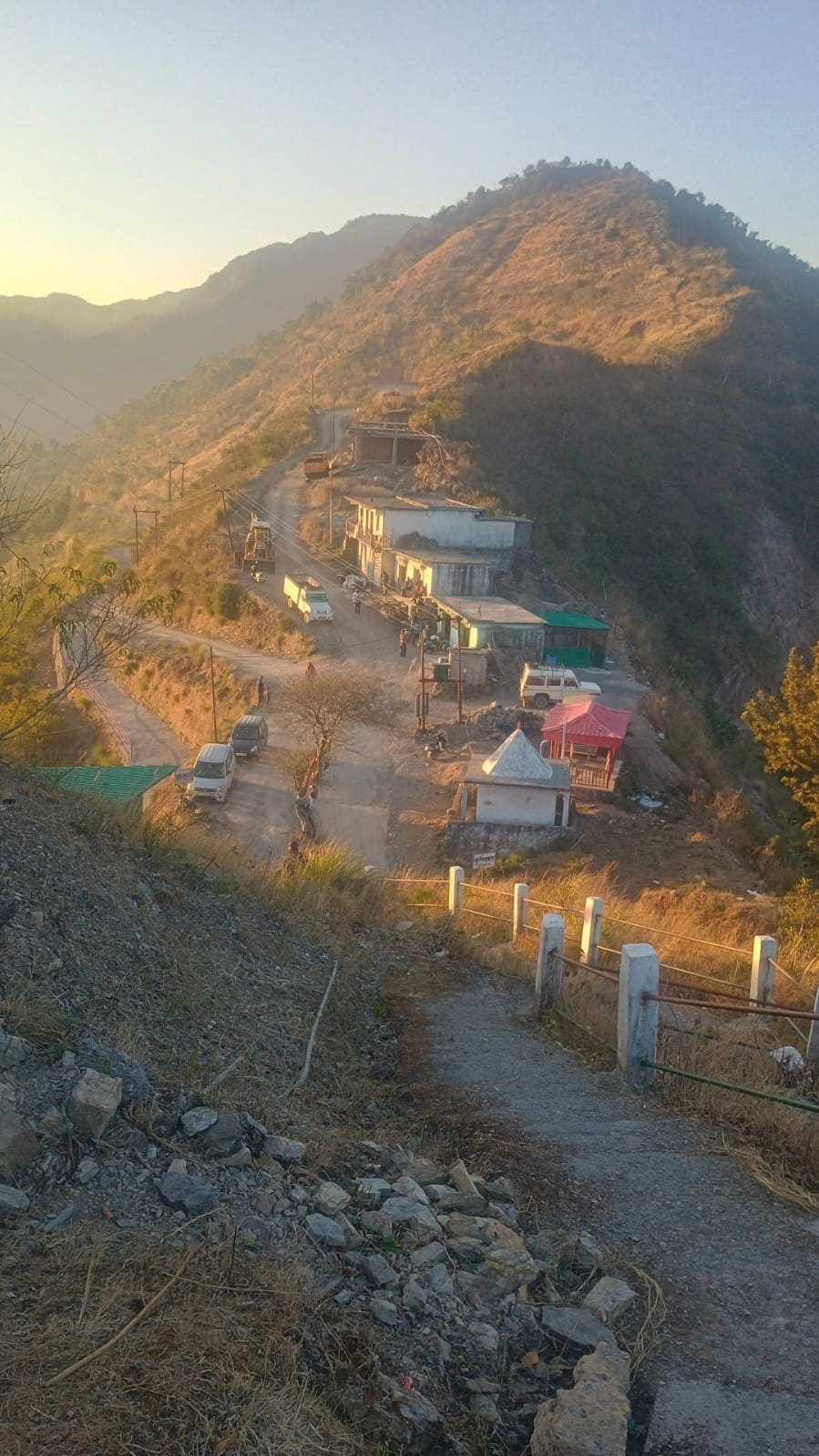
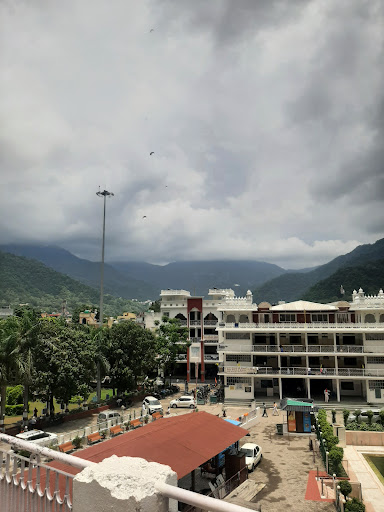
No words to express the beauty and peace of mind you will get once you reach there Long before Sikhs began coming to Hemkunt, the lake was known to the people who lived in the nearby valleys as a place of pilgrimage. Its name was Lokpal, and its sanctity derived from its association with tales of the gods. Most notably, the god Lakshman, the younger brother of Ram, is said to have meditated or done penance at Lokpal. In a popular story told by local people and visitors alike, Lakshman was brought to the shore of Lokpal after being mortally wounded in a battle with the son of Ravana. Lakshman's wife wept and prayed that her husband be saved. The monkey god Hanuman was then able to find a life-giving herb. When the herb was administered to Lakshman, he miraculously revived. In celebration, God showered flowers from heaven, which fell to the earth and took root in the Valley of Flowers.
Another story is told about Lakshman's previous incarnation as a seven headed snake. In this form, so the local people say, he meditated under the water at Lokpal and lord Vishnu slept on his back. The name Lokpal refers to Vishnu, the sustainer, who looks after the earth. Lokpal is also rumoured to be the native place of yet another god: Shiva, the destroyer, and his wife Parvati. Stories like these, and the ones about Hemkunt related below, have written sources in the Puranas (ancient volumes of Hindu mythology) and the Hindu epics (the Mahabharata and the Ramayana), but as they are passed from person to person and from generation to generation, they change, taking on local references and becoming blended with elements from other stories with other sources.
Traditionally, Lokpal was visited on three annual festivals held during the summer season. The pilgrimage to the lake was made primarily by women, both Garhwali villagers from the valley below Lokpal and villagers of Bhotia (Indo-Tibetan) ancestry from neighbouring valleys. All who went to Lokpal recognized the sanctity of the lake. Out of respect for the purity of the water and its environs, they made the steep ascent barefoot, clad only in white cotton dhoti (an unstitched garment). The women left their clothes and shoes behind at a halting place set in a glade of fir trees. There they would spend the night singing songs of the goddess, and at dawn they would set out to scale the slope to the lake. This halting place became the site of what is today Gobind Dham or Ghangaria, named after the ghagara, or petticoats, which the pilgrims would leave there.
When the pilgrims reached Lokpal, they would make offerings of coins, coconuts, Brahma Kamal flowers, and parshad (a consecrated sweet). They would often bathe in the cold water, and pray to Lakshman for the blessing of a son or for the health of their menfolk. A story by the local people about a Bhotia man who had no children. He came to Lokpal and his faith was so strong that he crawled the circumference of the lake on his elbows. When he returned the following year...
Read more⭐⭐⭐⭐⭐ 5/5 – A Spiritual & Peaceful Gurdwara We Keep Returning To
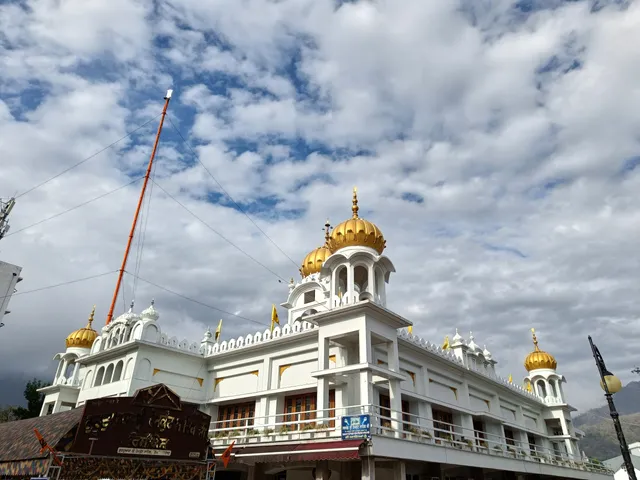
We live in Haridwar, and since Rishikesh is so close, we often visit Gurdwara Sri Hemkunt Sahib whenever we want peace and a spiritual break. Every visit here feels refreshing for the soul. Situated near the banks of the holy Ganga, this gurdwara offers not only a place of worship but also a sense of calm amidst the hustle of Rishikesh. 🌸🙏
This gurdwara is also the first stop for the Sri Hemkunt Sahib Yatra in Chamoli, so it holds special importance for devotees. Pilgrims from all over the country begin their journey here, and the sevadars provide great hospitality and guidance.
The gurdwara is beautifully maintained — clean, serene, and welcoming to everyone, regardless of religion or background. The architecture is simple yet graceful, with a peaceful prayer hall that instantly fills you with devotion. Sitting inside while listening to the soothing kirtan (hymns) was truly uplifting and calming for the mind.
The langar (community meal) here is served with so much love and humility. The food is simple, fresh, and nourishing — and sharing a meal here adds to the feeling of equality and togetherness that the Sikh tradition stands for.
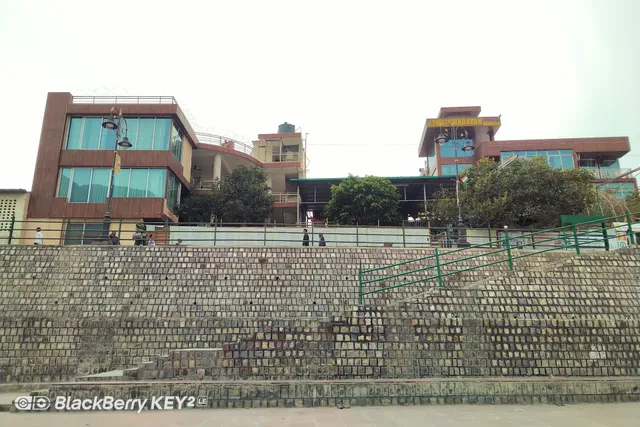
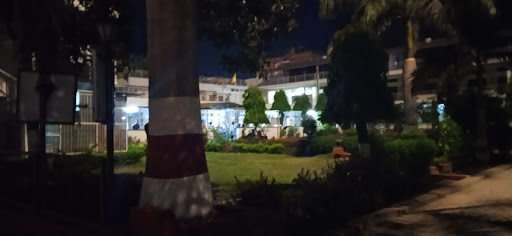
There are also accommodation facilities (rooms and halls) for yatris and visitors, and they are kept very clean and well maintained. This makes it a very convenient and comfortable stop, especially for those continuing their journey to Hemkunt Sahib. The gurdwara also has a sarovar (holy water pond) and a quiet courtyard where you can sit and reflect. Surrounded by greenery and the gentle sounds of the river nearby, the environment feels pure and divine.
What touched me most was the warm hospitality of the sevadars (volunteers). Their dedication and humility make the experience even more meaningful.
Whether you are visiting Rishikesh for spirituality, adventure, or relaxation, I would highly recommend stopping at Gurdwara Sri Hemkunt Sahib. It’s not just a place of prayer — it’s a place where you feel peace, love, and community.
Tip: Cover your head (scarves are available at the entrance if needed) and sit for a while during the kirtan. Don’t miss the langar — it’s a beautiful experience of seva (service) and sangat...
Read moreOur visit to the Gurudwara in Rishikesh was a deeply moving and spiritually uplifting experience that left an indelible mark on our hearts and souls. Situated on the banks of the holy Ganges River, amidst the serene backdrop of the Himalayan foothills, the Gurudwara welcomed us with open arms, embodying the spirit of love, equality, and service.
As we stepped inside the Gurudwara, we were greeted by the melodious strains of Kirtan – devotional hymns sung with heartfelt devotion and reverence. The air was infused with the fragrance of incense and the aroma of langar – the community kitchen where volunteers selflessly served meals to all who entered, regardless of caste, creed, or background.
Partaking in the langar was a humbling experience that touched our hearts deeply. Sitting side by side with fellow pilgrims and devotees, we shared in the simple yet profound act of eating together, reaffirming our shared humanity and interconnectedness.
Exploring the Gurudwara further, we discovered the sacred sanctum where the Guru Granth Sahib, the holy scripture of Sikhism, was enshrined. The atmosphere was charged with a sense of reverence and devotion, as devotees bowed their heads in prayer and contemplation.
Outside the Gurudwara, we found a serene courtyard where we could sit and reflect amidst the tranquil surroundings. The sound of the Ganges flowing nearby, the gentle rustle of leaves in the breeze, and the majestic presence of the mountains all contributed to a sense of peace and serenity that filled our souls with joy.
Leaving the Gurudwara, we carried with us not just memories, but a profound sense of gratitude and reverence for the teachings of Sikhism – of love, compassion, and selfless service. Our visit had been a journey of spiritual awakening and renewal, reminding us of the universal values that unite us all as one...
Read more