An Enchanting Spiritual Journey - Exploring Palani Temple
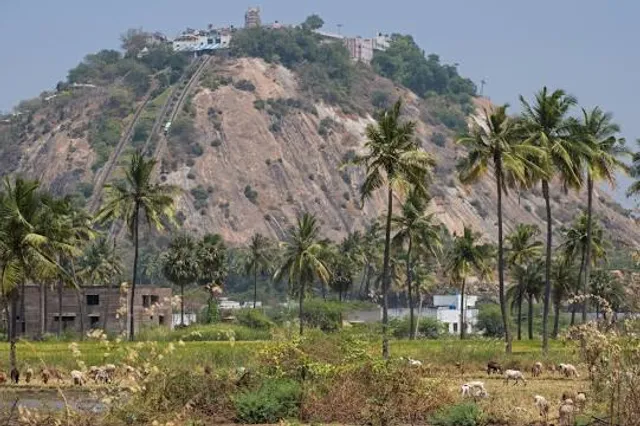
Palani Temple, nestled amidst the lush greenery of the Palani Hills in Tamil Nadu, India, is a captivating destination that blends spirituality, history, and natural beauty. As a devotee who recently embarked on a pilgrimage to this revered site, I found my experience at Palani Temple to be truly enchanting.
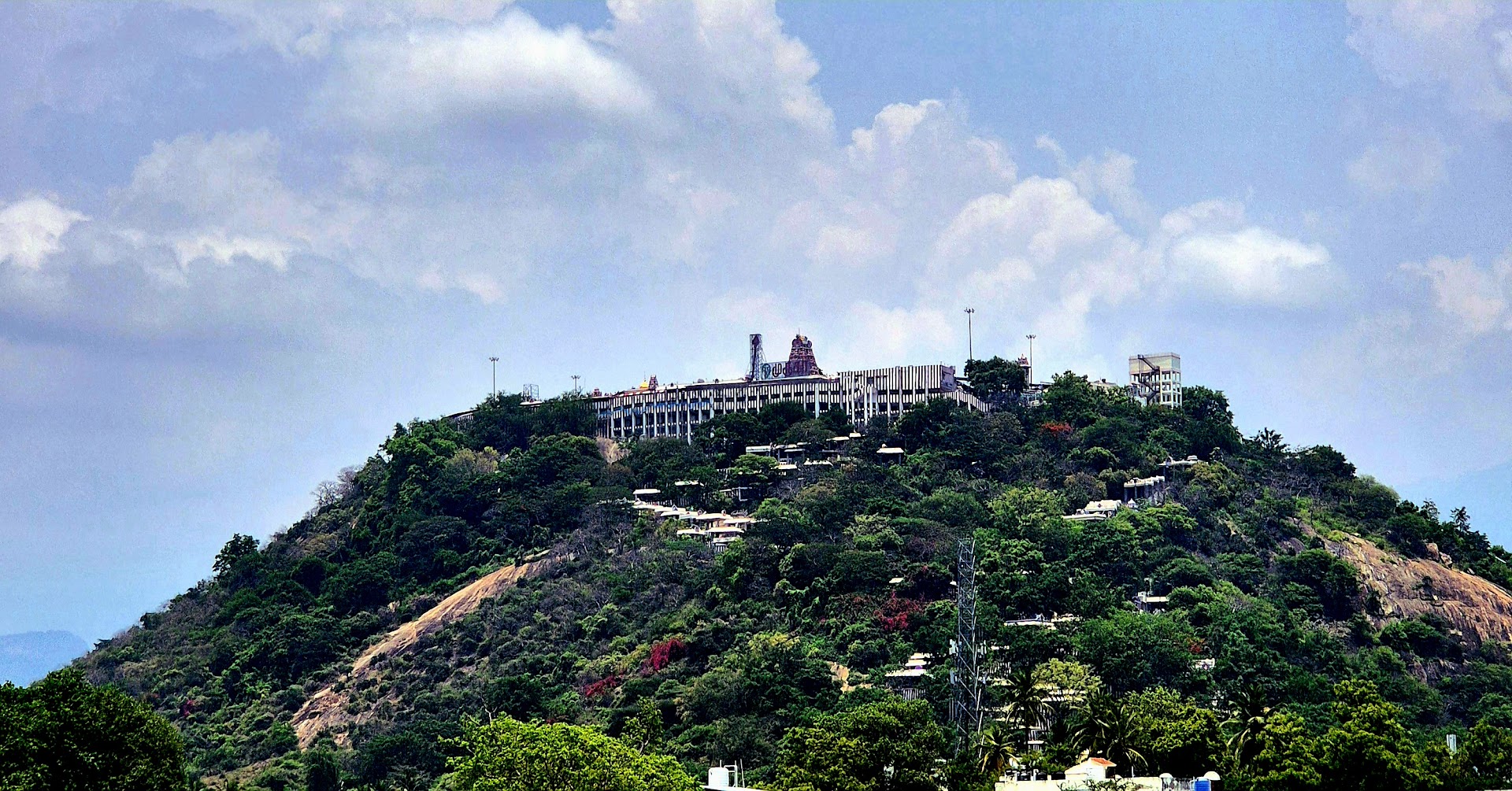
Upon arrival, I was immediately struck by the temple's imposing architecture and the serene atmosphere that pervaded the surroundings. The temple complex, dedicated to Lord Murugan, sits atop a hill and offers breathtaking panoramic views of the picturesque Palani town and the surrounding landscapes. The climb to the temple can be challenging, but it is well worth the effort, as it adds a sense of spiritual significance to the journey.
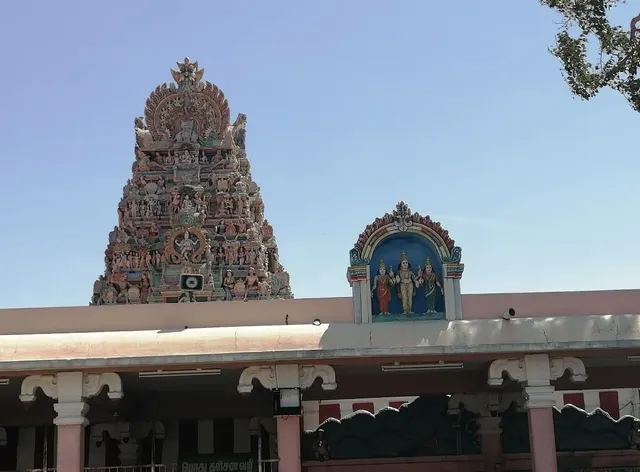
Stepping inside the temple, I was immersed in an aura of devotion and tranquility. The intricate carvings and sculptures adorning the temple walls are a testament to the rich artistic heritage of the region. The sanctum sanctorum, where the idol of Lord Murugan resides, exudes an overwhelming sense of divinity and reverence. The rhythmic chants of devotees and the fragrance of incense further enhance the spiritual experience.
One of the highlights of visiting Palani Temple is the opportunity to participate in the unique ritual known as "Paal Abhishekam." In this ritual, devotees have the privilege of pouring milk over the idol of Lord Murugan, symbolizing their devotion and seeking his blessings. This ancient practice has a profound impact on the devotees, fostering a deep connection with the divine.
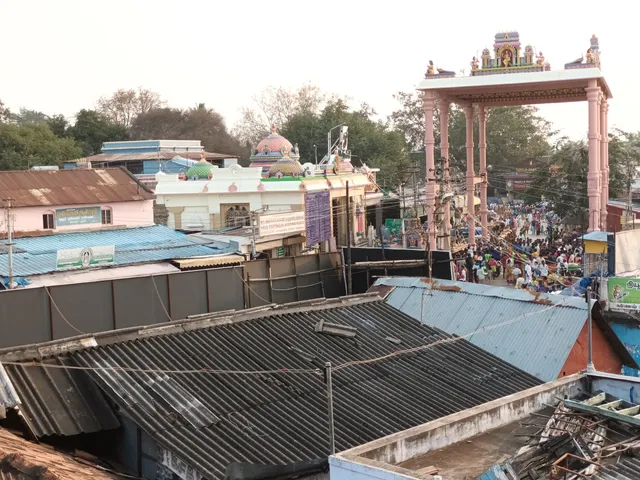
The temple's management and staff deserve special commendation for their dedication and efficient handling of the large number of pilgrims who visit daily. The queues were well-managed, ensuring a smooth darshan (viewing of the deity), and the premises were clean and well-maintained. The temple also offers various amenities, such as accommodation, dining facilities, and shops selling devotional items, making it convenient for devotees to extend their stay.
While the spiritual aspect of Palani Temple is its primary draw, the destination also boasts natural beauty that adds to its allure. The surrounding Palani Hills provide ample opportunities for nature lovers to explore scenic trails and enjoy the tranquility of the mountains. It is advisable to plan additional time to relish the stunning vistas and rejuvenate amidst nature's embrace.
However, it is worth mentioning that due to the temple's popularity, it can get crowded during peak pilgrimage seasons. This may affect the overall experience, as longer waiting times and larger crowds can diminish the sense of serenity and contemplation one seeks on such a journey. Planning the visit during weekdays or during less crowded periods is recommended for those seeking a more peaceful experience.
In conclusion, Palani Temple is an exceptional destination for those seeking a profound spiritual encounter intertwined with the natural splendor of the region. Its awe-inspiring architecture, sacred rituals, and the harmonious atmosphere offer a truly transformative experience. While crowds can be a factor, the temple's significance and the overwhelming sense of devotion make it a must-visit for devotees and travelers seeking a deeper connection...
Read moreபழனி முருகன் கோவில் 📿🦚🪷🙏 Every day from 5:45 am to 9 pm, the Palani Temple is open Lord Shiva was presented the Fruit of Knowledge by Sage Naruda which held the elixir of knowledge within. Lord Shiva wanted to divide the fruit equally among his two sons, Ganesha and Murugan but was highly counselled by the sage against cutting it. To overcome the dilemma, he decided that the first one to circle the world thrice shall be rewarded with the fruit. Quick to accept, Lord Murugan, embarked on his journey mounted on his peacock. The more thoughtful of the two Ganesha, began to circumambulate his parents Lord Shiva and Goddess Shakti, conjecturing the world to be no more than them. Delighted and impressed by their son’s devotion, Lord Shiva awarded the fruit to him.Murugan felt the urgency to get matured and gather wisdom. In his quest to know more about himself, he went into meditation atop the hills of Palani. There is no evidence of how this temple came into existence. Tamil Scriptures suggest that the idol of Lord Murugan was laid by the Sage Bogar who crafted the idol millennia ago for which the timeline has not been specified, using an amalgam of nine poisonous substances which when mixed in a specific ratio formed an eternal medicine. Consecutive robberies and neglect left the idol fragmented. The temple, later on, was built on the orders of a perumal king of the Chola Dynasty somewhere in between the second and fifth AD. It has proven to withstand the might of blades and the sands of time for centuries while the Chera, Chola and the Pandya dynasties faded.
Swami Siva a prodigy, and the most recent of the swamis is a well-known mystic to his disciples and devotees of Lord Murugan. Predicted by the sadhu swamis to leave home at an early age, he began to follow the path to become a Siddha himself.
As days began to roll by, his advancing age and his continuous practice to know himself through his devotion to Lord Murugan, the boy matured to become a full sanyasi and a big batton. He spent his life spreading his wisdom using his knowledge to benefit others and following his commitment to his supreme idol.
Years went by and the time came for sadhu Swamy to dissolve himself for eloping with god. In the end, with the ever-increasing exclamation of Lord Mugun on his mouth, he passed away. In the folklore swami’s name became a legend for his eternal devotion to Kartikey.
As the Kaliyuga set, which is about 4900 years before the current timeline, Muruga’s idol was installed on top of the sacred mountain as it was worshipped for years to come. The unfortunate situation now is that the idol stands slender and could collapse at any time. Around 100 years ago, a Siddha living in Palani who was one of the trustees of this temple, supposedly scraped the material from the back of the idol and diluted it to make medicines to be sold for commercial purposes.
Many famous and well-established mineralogists could not figure out the mineralogy and composition of the idol upon investigation. Even the Perkin-Elmer 707 atomic absorption spectrophotometer failed to identify and the trace elements. It was concluded that it was too difficult even for modern scientific analysis to penetrate the Divine...
Read more🕰️ General Info & Reviews • Location & Timings The temple runs from around 5 AM to 9–10 PM daily . Free entry; paid special darshan (₹10–20), pujas like Viswaroopa Darshan (₹100–200), Vila Pooja (~₹150–300), etc. . • Pilgrim Experience Visitors often praise the well-managed facilities (clean water, toilets, lodging) and serene spiritual vibe . Some mention crowding and commercial hassles, like pressured purchases and tiered queues enhancing darshan access: “The temple and its surroundings are heavily commercialized… separate queue system… higher-priced queue got a closer view… question the purpose of worship and the concept of equality.” 
⸻
📜 Historical & Mythological Significance • Six Abodes of Murugan A major temple among the six sacred abodes of Lord Murugan, dating back to Chera dynasty (2nd–5th century CE) . • Legend Murugan renounced after losing the gnana-palam contest to Ganesha, settling here as a hermit; “Pazham Nee” (“You are the fruit”) explains the name Palani . Sage Agathiyar also plays a part in placing this hill here, aiding Murugan’s solitude . • Unique Idol The main idol is a Navapashanam (nine-herb/mineral mix) crafted and consecrated by Siddhar Bogar . Known for centuries as an enduring medicine-like form, it faced replacement controversies in early 2000s, later halted due to legal and community resistance . • Architecture & Facilities Showcases Dravidian style with gold-pated vimana, Pandyan-era praharams, winch and ropeway access, plus tonsuring sheds, annadanam, goshala, etc. .
⸻
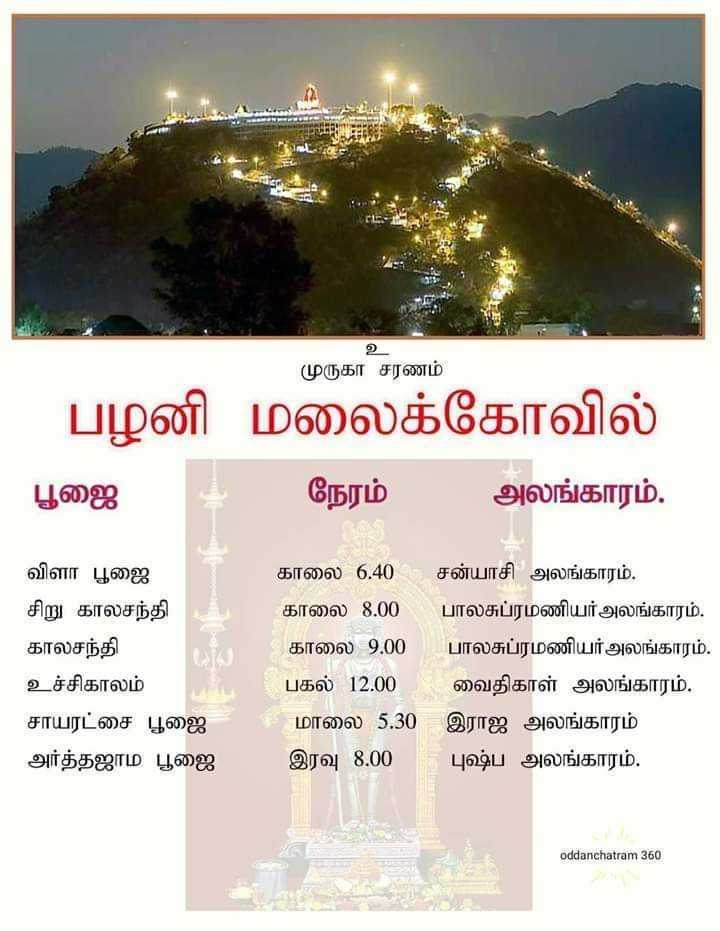
🛕 Daily Pujas & Booking • Six pujas daily Viswaroopa Darshanam ~5:40 AM Vila/Siru Kall Pooja ~6:40–8:00 AM Kaala Santhi ~9:00 AM Uchikala ~12:00 noon Sayaraksha ~5:30 PM Irakkaala (Pushpa Alangaram) ~8:00–8:30 PM    • Booking Poojas/Abhishekams Available online via the official site palanimurugan.hrce.tn.gov.in. Choose date, time, service, fill details, make payment—your slot is booked  .
⸻
🍯 Prasadam & Rituals • Panchamirtham A GI‑protected auspicious mixture of banana, jaggery, ghee, honey, raisins, etc.—sold in jars, offered during abhishekam. Average sales: 20k–30k jars/day, surging to over 100k during festivals . • Tonsuring & Kavadi Pilgrims shave their heads and carry kavadi during festivals (Thai Poosam, Panguni Uthiram, Kanda Sashti…), evoking devotion to Lord Murugan .
⸻
🚗 Access & Transport • Steps/Ropeway/Winch Around 600–690 steps to archakam mudar. Rope car runs 7 AM–12:30 PM & 1:30–5 PM (₹15 one-way, ₹50 special); winch operates from 5:20 AM till ~9 PM (₹10 adult, ₹5 child) . • Location & Reach Situated in a hill in Palani, Dindigul district. Nearest airport: Coimbatore (112 km). Nearest rail: Palani station (3 km). 🚗 Accessible via NH‑83 .
⸻
✅ Tips & Suggestions • Best Time to Visit Festivals like Thai Poosam (Jan/Feb), Panguni Uthiram attract large numbers—but weekdays are quieter . • Queue Tactics Choose steps to avoid ropeway/winch crowd waits (~2 hrs at peak) . • Watch Out Be wary of unofficial vendors outside the premises; stick to authenticated...
Read more