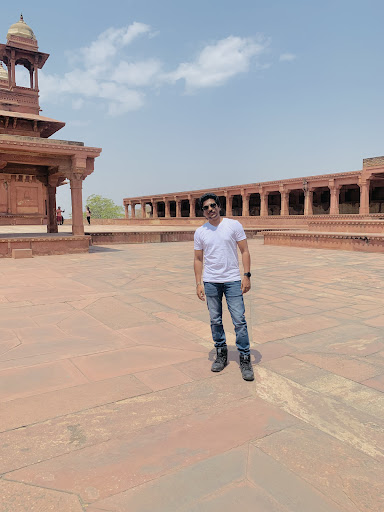
Nestled in the heart of India, Fatehpur Sikri is a UNESCO World Heritage Site that stands as a testament to the grandeur of Mughal architecture. Among the many architectural gems within this city, the Panch Mahal is a unique and striking structure that captivates the imagination of all who visit. In this review, we delve into the rich history, architectural brilliance, and cultural significance of the Panch Mahal at Fatehpur Sikri.
The Panch Mahal, also known as the "Palace of Five Stories," was commissioned by Emperor Akbar in the late 16th century. Fatehpur Sikri, located in present-day Uttar Pradesh, served as the capital of the Mughal Empire from 1571 to 1585. During this period, Akbar pursued a policy of religious tolerance and cultural amalgamation, which is reflected in the city's architecture, including the Panch Mahal.
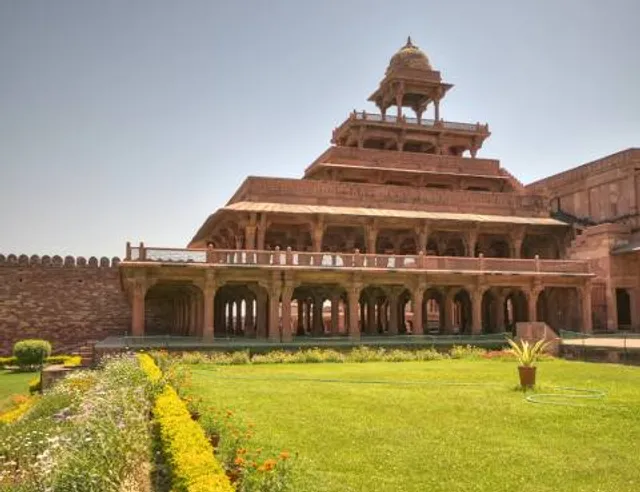
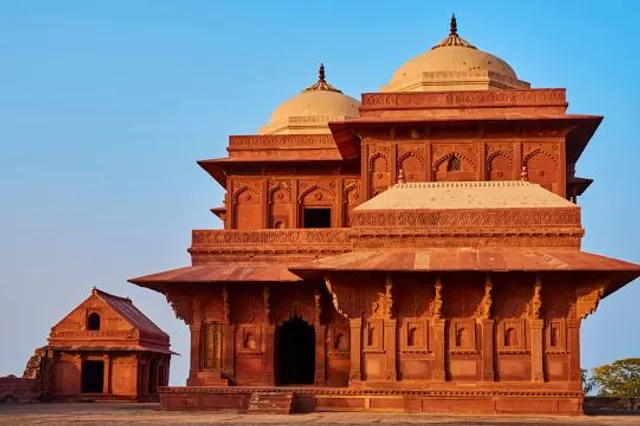
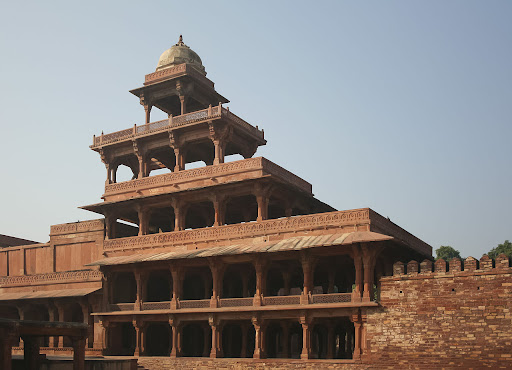
The Panch Mahal is a five-story, open pavilion that stands as a mesmerizing example of Mughal architecture, blending elements of Persian, Indian, and Islamic styles. Here are some of its architectural highlights:
Architectural Symmetry: The Panch Mahal is characterized by its perfect symmetry, with each level having a diminishing number of columns and arches. This design not only adds to its aesthetic appeal but also showcases the Mughal emphasis on proportion and balance.
Diwan-i-Khas Influence: The design of the Panch Mahal is believed to have been influenced by the Diwan-i-Khas (Hall of Private Audience) in Fatehpur Sikri, which featured a similar open-pillared structure. This influence reflects the Mughal penchant for experimenting with architectural styles.
Breezy Design: The open pavilion style of the Panch Mahal allowed for excellent ventilation and cool breezes to flow through its five levels. This design feature was particularly important in the hot Indian climate, making it a comfortable retreat for the emperor and his court.
Intricate Jali Work: The Panch Mahal's lower levels feature intricate jali (lattice) screens that add a delicate touch to the imposing structure. These screens not only enhance the aesthetic appeal but also served to protect the privacy of the royal inhabitants.
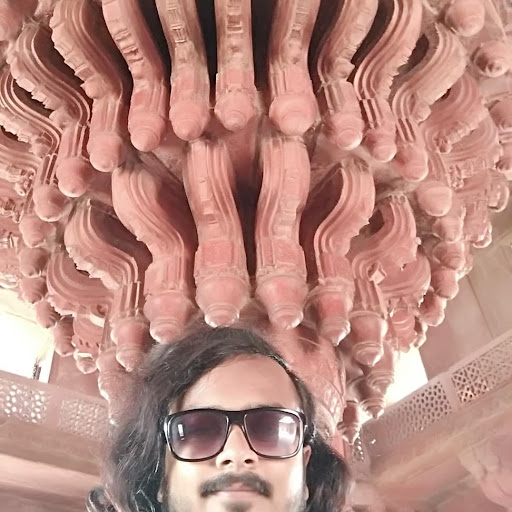
Central Pillar: At the center of the structure stands a single, elaborately carved pillar. This pillar symbolizes the central role of the emperor and his connection with the divine.
Beyond its architectural splendor, the Panch Mahal holds cultural significance:
Royal Retreat: The Panch Mahal served as a retreat and leisure space for the Mughal royal family. It was here that Emperor Akbar and his queens would relax and seek respite from the affairs of the court.
Cultural Exchange: Fatehpur Sikri was known for its diverse cultural influences, and the Panch Mahal stands as a physical embodiment of this syncretism. It reflects Akbar's efforts to create a harmonious blend of Persian, Indian, and Islamic cultures.
Architectural Legacy: The Panch Mahal has inspired architects and historians for centuries. Its unique design continues to be studied and admired as an architectural masterpiece.
The Panch Mahal at Fatehpur Sikri is a mesmerizing architectural marvel that transcends time. Its perfect symmetry, open design, and cultural significance make it a symbol of Mughal grandeur and innovation. Visiting this historic site not only offers a glimpse into India's rich past but also allows us to appreciate the genius of the Mughal architects who created this extraordinary structure. It stands as a testament to the enduring legacy of the Mughal Empire and is a must-see destination for anyone with an appreciation for history and...
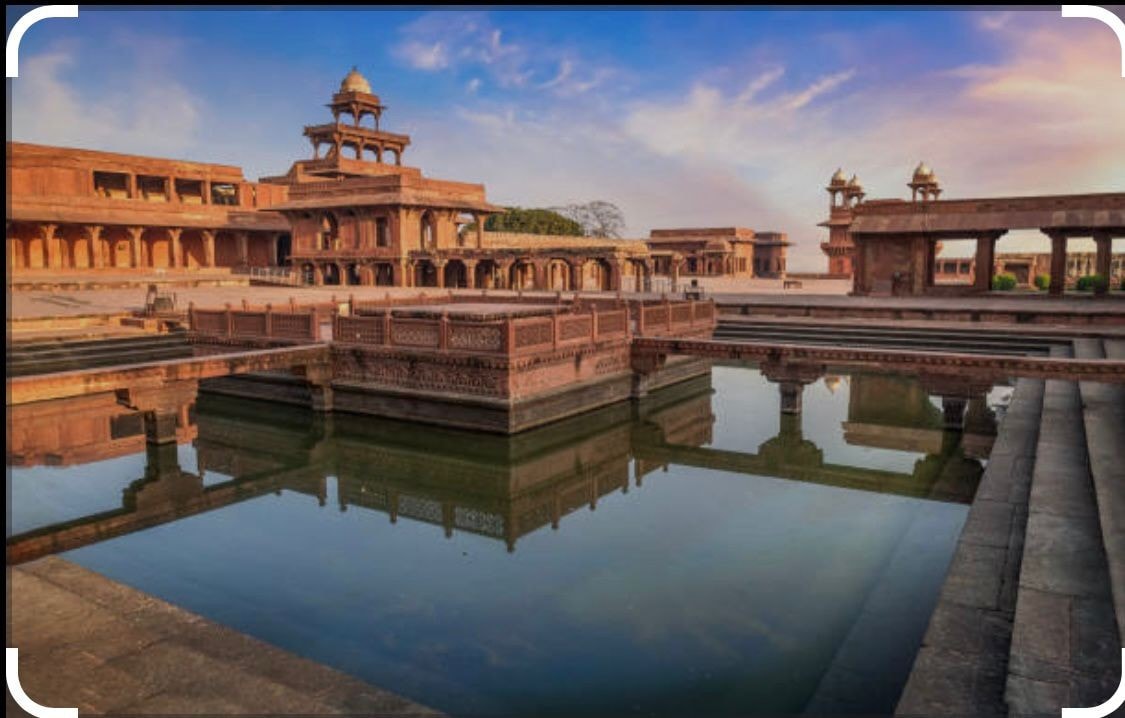
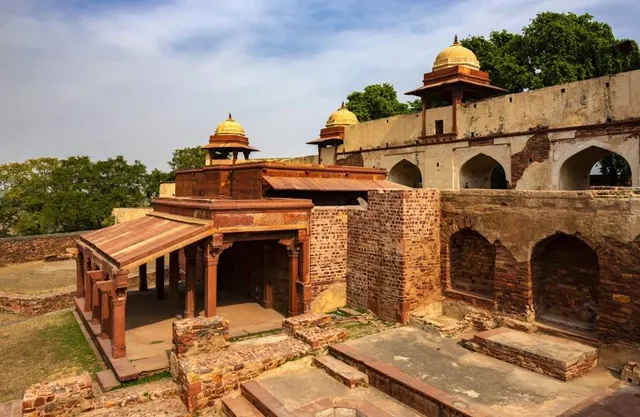
Read moreThe Panch Mahal,also known as "Badgir" meaning wind catcher tower, was commissioned by sikarwar rajputs . This structure stands close to the Zenana quarters (Harem) which supports the supposition that it was used for entertainment and relaxation. This is one of the most important building in Fatehpur Sikri . This is an extraordinary structure employing the design elements of a Buddhist Temple; entirely columnar, consisting of four storeys of decreasing size arranged asymmetrically upon the ground floor, which contains 84 columns. These columns, that originally had jaali (screens) between them, support the whole structure. Once these screens provided purdah (cover) to queens and princess on the top terraces enjoying the cool breeze and watching splendid views of Sikri fortifications and the town nestling at the foot of the ridge.
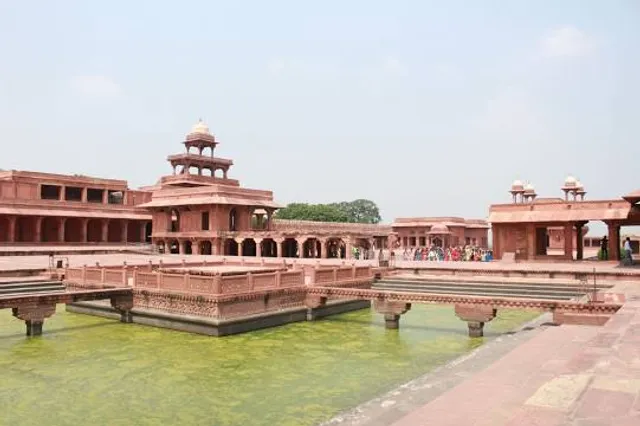
The pavilion gives a majestic view of the fort that lies on its left. The pool in front of the Panch Mahal is called the Anoop Talab. It would have been filled with water, save for the bridge, and would have been the setting for musical concerts and other entertainment. The ground floor has 84 columns, the first storey has 56 columns and the second and third storeys have 20 and 12 columns respectively. The topmost storey has 4 columns supporting a chhattri. There are 176 columns in all and each is elegantly carved pillars with...
Read moreThe Panch Mahal, also known as the "Palace of Five Stories," is not located in Agra, but in Fatehpur Sikri, which is a historical city near Agra, in the Indian state of Uttar Pradesh. Agra is famous for the Taj Mahal, while Fatehpur Sikri is renowned for its impressive Mughal architecture.
Fatehpur Sikri was founded by Emperor Akbar in the 16th century and served as the capital of the Mughal Empire for about 14 years before being abandoned. The Panch Mahal is one of the prominent structures within the complex of Fatehpur Sikri.
The Panch Mahal is an extraordinary five-story pavilion, which was built to serve as a leisure space and also as a place for royal women to relax and enjoy recreational activities. It is an example of Mughal architecture, with its unique design featuring a series of colonnades on each floor, gradually diminishing in size as they ascend. The topmost floor is the smallest, with just one dome, and it is believed that the emperor used this space for contemplation and meditation.
The Panch Mahal is a significant historical and architectural monument, showcasing the elegance and grandeur of the Mughal period in India. It is a popular attraction among tourists and history enthusiasts who visit Fatehpur Sikri to explore the impressive remnants of the once-glorious Mughal city.
Feel free to ask any...
Read more