HTML SitemapExplore
logo
Find Things to DoFind The Best Restaurants

Rumi Darwaza — Attraction in Uttar Pradesh

Name
Rumi Darwaza
Description
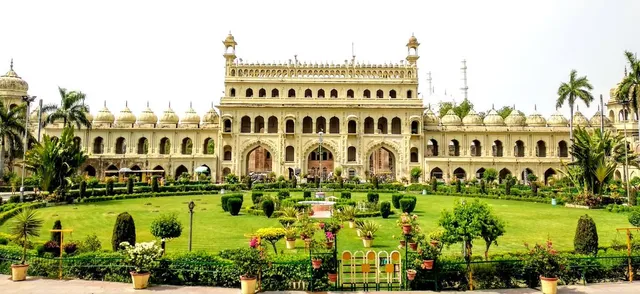
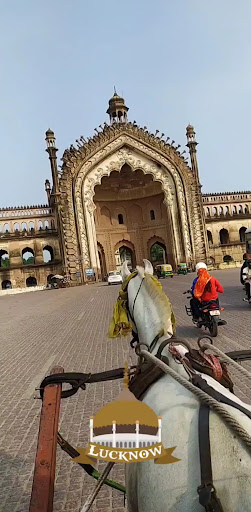
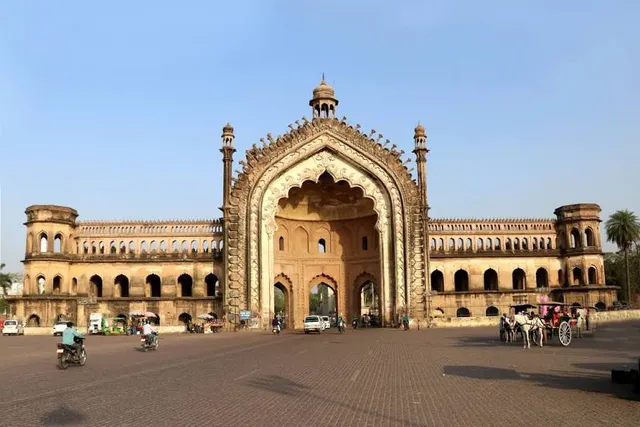
The Rumi Darwaza, in Lucknow, Uttar Pradesh, India, is an imposing gateway which was built by Nawab Asaf-Ud-Daula in 1784. It is an example of Awadhi architecture. The Rumi Darwaza, which stands sixty feet tall, was modeled after the Sublime Porte in Istanbul.
Nearby attractions
Bara Imambara
VW86+MQ3, Husainabad Trust Rd, Machchhi Bhavan, Lucknow, Uttar Pradesh 226003, India
Nibu Park
VW96+WHJ, Machchhi Bhavan, Lucknow, Uttar Pradesh 226003, India
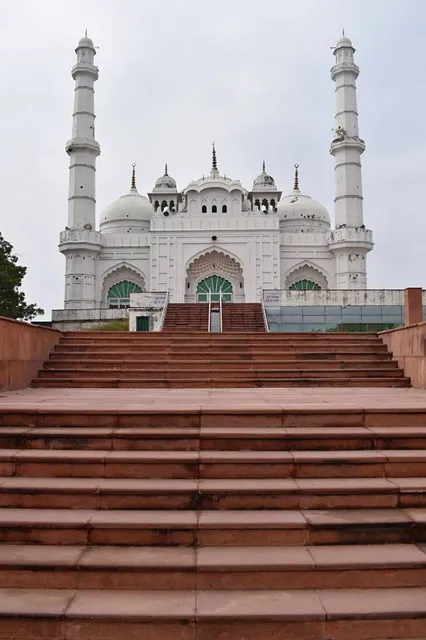
Teele Wali Masjid
VWC7+MRF, Pakka Pul, Machchhi Bhavan, Lucknow, Uttar Pradesh 226003, India
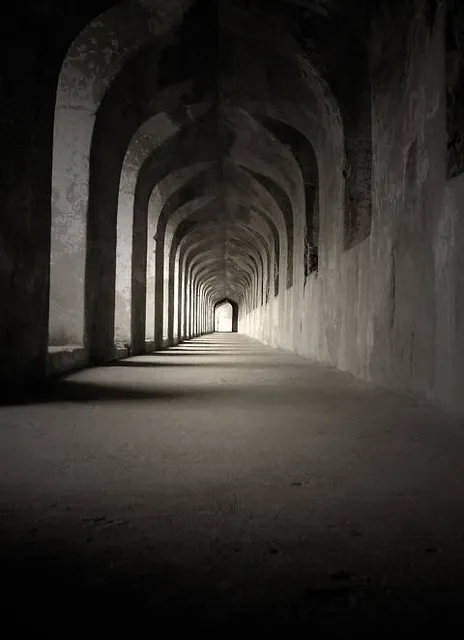
Bhul Bhulaiya of Awadh
VW97+C44, Unnamed Road, Machchhi Bhavan, Lucknow, Uttar Pradesh 226003, India
Kudiya Ghaat Park
Machchhi Bhavan, Lucknow, Uttar Pradesh 226003, India
Shahi Bauli Stepwell
VW97+H9M, Machchhi Bhavan, Lucknow, Uttar Pradesh 226003, India
Koneshwar Temple
VW94+JV6, Koneshwar Choraha, Koneshwar Chowraha Chowk, Opposite OBC ATM, Lajpat Nagar, Chowk, Lucknow, Uttar Pradesh 226003, India
Chota Imambara
447, Husainabad, Lucknow, Uttar Pradesh 226003, India
Satkhanda
Husainabad Trust Rd, Husainabad, Lucknow, Uttar Pradesh 226003, India
Badi Kali Ji Temple
VW74+G36, Kali Ji Mandir Rd, Chaupatiyan, Chowk, Lucknow, Uttar Pradesh 226003, India
Nearby restaurants
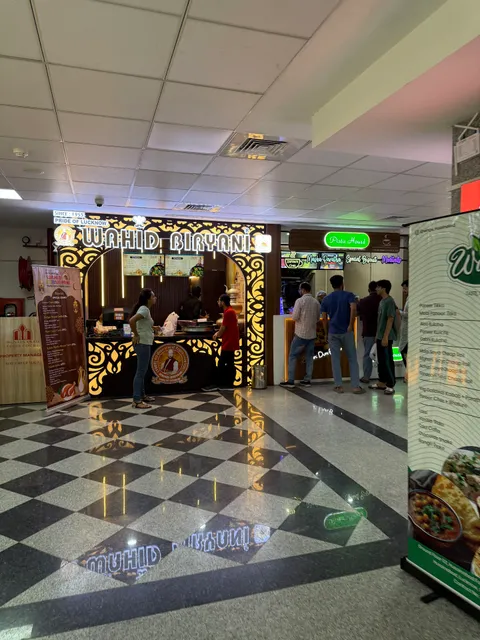
Mashi Biryani World
Nimbu Park Rd, behind Nimbu Park Road, opposite Khun Khunji Girls College, Machchhi Bhavan, Lucknow, Uttar Pradesh 226003, India
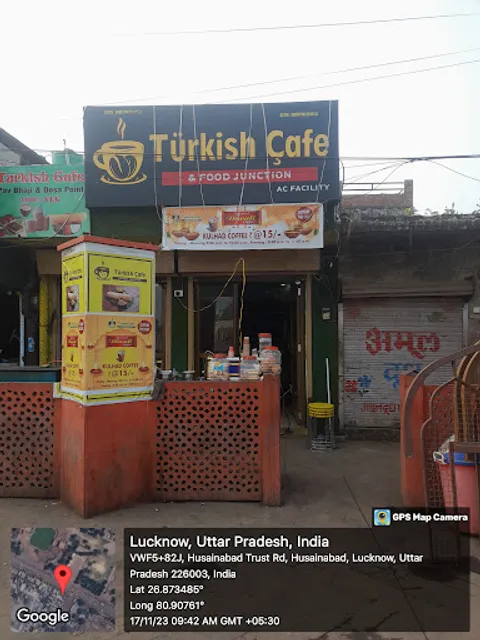
Turkish Cafe & Food Junction
65, Husainabad, Lucknow, Uttar Pradesh 226003, India
Domino's Pizza | Chowk, Lucknow
Upper Ground Floor, Machchhi Bhavan, 5, Lalji Tondan Marg, Chowk, Lucknow, Uttar Pradesh 226003, India
Aryan Chowk
311, 14, Kamla Nehru Marg, opposite Aarohi Market, Machchhi Bhavan, Lucknow, Uttar Pradesh 226003, India
Chef Corner
37, Tondan Marg, Chowk, Lucknow, Uttar Pradesh 226003, India
Pizza Cave
opposite Ghanta Ghar, Husainabad, Lucknow, Uttar Pradesh 226003, India
Spicy Treat
SH 25, Chowk, Lucknow, Uttar Pradesh 226003, India
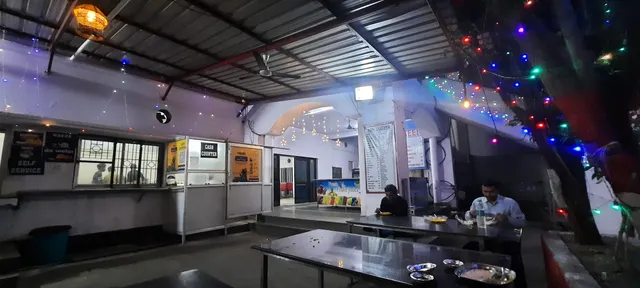
Kgmu Trauma Centre Refreshment Canteen
King George's Medical University, Lucknow, Uttar Pradesh 226003, India
Shree lassi & sons
313, 13, Kamla Nehru Marg, Chowk, Lucknow, Uttar Pradesh 226003, India
Dhindhora Fine Dine Restaurant
Khun Khun Ji Rd Chowk, Machchhi Bhavan, Lucknow, Uttar Pradesh 226003, India
Related posts
Keywords
Rumi Darwaza tourism.Rumi Darwaza hotels.Rumi Darwaza bed and breakfast. flights to Rumi Darwaza.Rumi Darwaza attractions.Rumi Darwaza restaurants.Rumi Darwaza travel.Rumi Darwaza travel guide.Rumi Darwaza travel blog.Rumi Darwaza pictures.Rumi Darwaza photos.Rumi Darwaza travel tips.Rumi Darwaza maps.Rumi Darwaza things to do.
Rumi Darwaza things to do, attractions, restaurants, events info and trip planning
Rumi Darwaza
IndiaUttar PradeshRumi Darwaza

Basic Info

Rumi Darwaza

17/11 Hussainabad Road, Lajpat Nagar Colony, Lajpat Nagar, Machchhi Bhavan, Lucknow, Uttar Pradesh 226003, India
4.5(7.6K)
Open until 12:00 AM
Save
spot

Ratings & Description

Info

The Rumi Darwaza, in Lucknow, Uttar Pradesh, India, is an imposing gateway which was built by Nawab Asaf-Ud-Daula in 1784. It is an example of Awadhi architecture. The Rumi Darwaza, which stands sixty feet tall, was modeled after the Sublime Porte in Istanbul.

Cultural
Outdoor
Accessibility
attractions: Bara Imambara, Nibu Park, Teele Wali Masjid, Bhul Bhulaiya of Awadh, Kudiya Ghaat Park, Shahi Bauli Stepwell, Koneshwar Temple, Chota Imambara, Satkhanda, Badi Kali Ji Temple, restaurants: Mashi Biryani World, Turkish Cafe & Food Junction, Domino's Pizza | Chowk, Lucknow, Aryan Chowk, Chef Corner, Pizza Cave, Spicy Treat, Kgmu Trauma Centre Refreshment Canteen, Shree lassi & sons, Dhindhora Fine Dine Restaurant
logoLearn more insights from Wanderboat AI.
Website
readwritetips.com
Open hoursSee all hours
FriOpen 24 hoursOpen

Plan your stay

hotel
Pet-friendly Hotels in Uttar Pradesh
Find a cozy hotel nearby and make it a full experience.
hotel
Affordable Hotels in Uttar Pradesh
Find a cozy hotel nearby and make it a full experience.
hotel
The Coolest Hotels You Haven't Heard Of (Yet)
Find a cozy hotel nearby and make it a full experience.
hotel
Trending Stays Worth the Hype in Uttar Pradesh
Find a cozy hotel nearby and make it a full experience.

Reviews

Nearby attractions of Rumi Darwaza

Bara Imambara

Nibu Park

Teele Wali Masjid

Bhul Bhulaiya of Awadh

Kudiya Ghaat Park

Shahi Bauli Stepwell

Koneshwar Temple

Chota Imambara

Satkhanda

Badi Kali Ji Temple

Bara Imambara

Bara Imambara

4.4

(18.8K)

Open 24 hours
Click for details
Nibu Park

Nibu Park

3.9

(548)

Closed
Click for details
Teele Wali Masjid

Teele Wali Masjid

4.6

(548)

Open 24 hours
Click for details
Bhul Bhulaiya of Awadh

Bhul Bhulaiya of Awadh

4.3

(909)

Closed
Click for details

Things to do nearby

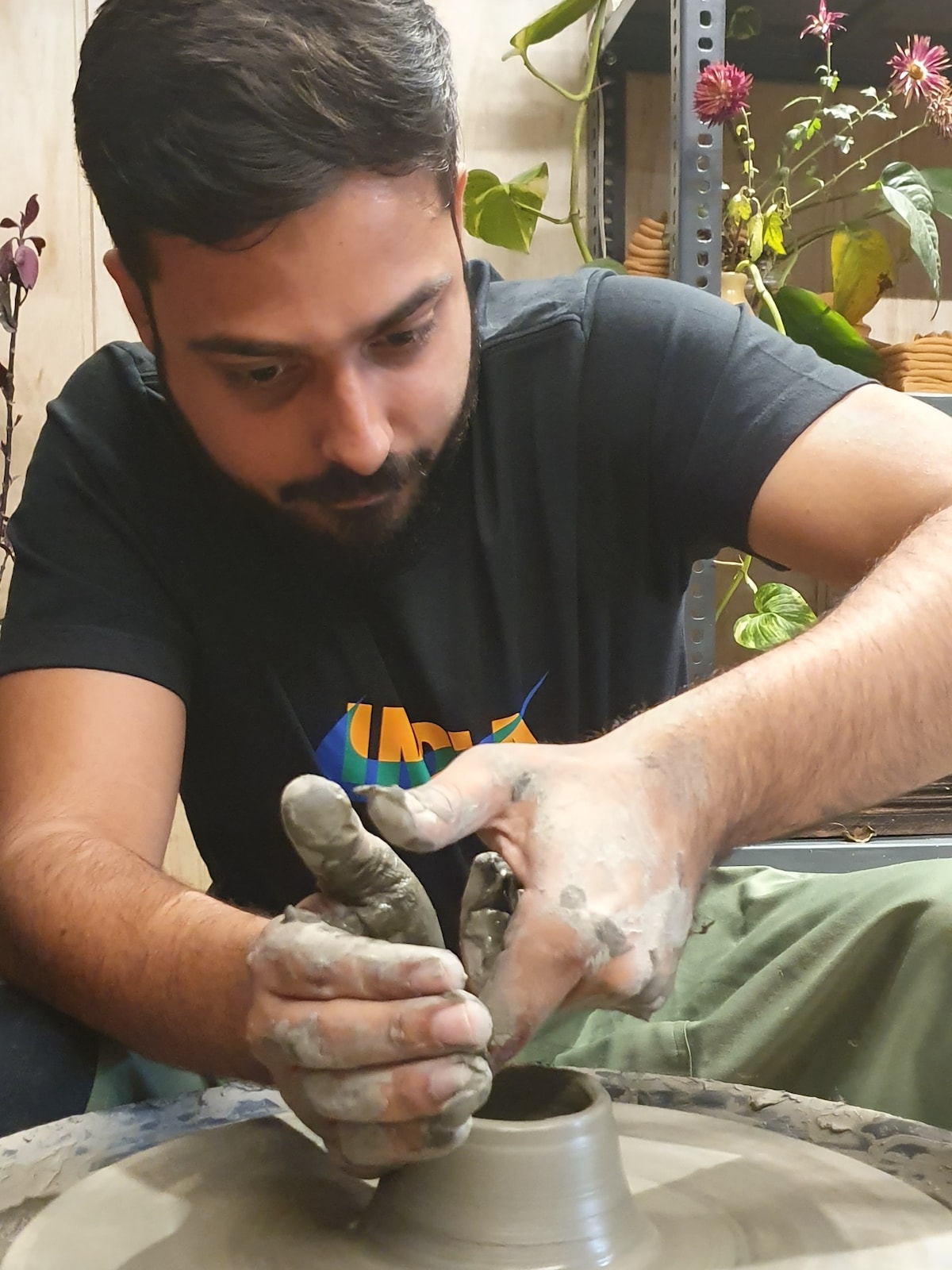
Create pottery
Create pottery
Sat, Dec 6 • 7:30 AM
Lucknow, Uttar Pradesh, 226010, India
View details
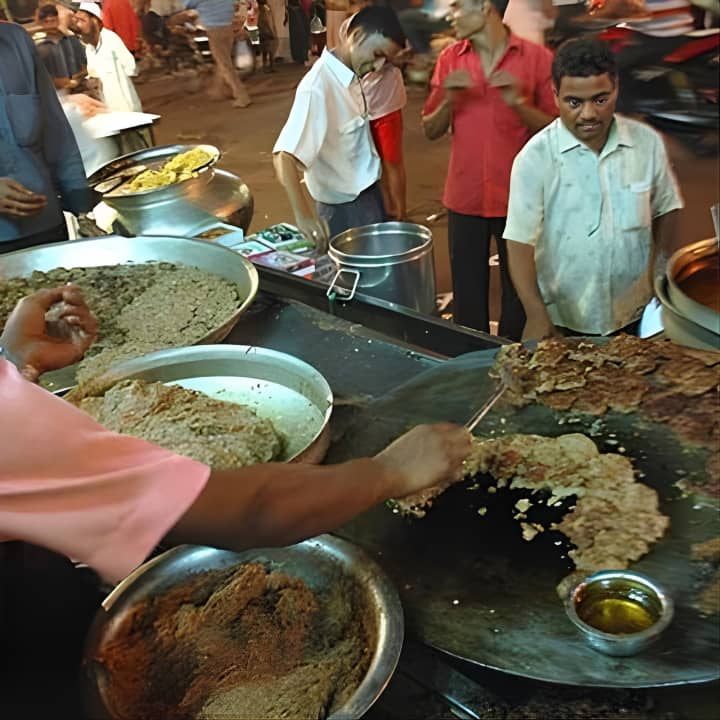
Lucknow Culinary Walk with Food Tastings
Fri, Dec 5 • 7:00 PM
690 Nicklin Way, Currimundi, 4551
View details
Masti Zone - Phoenix United Mall, Lucknow
Wed, Jul 23 • 12:00 AM
Kanpur Rd, Sector B, Bargawan, Alambagh, Lucknow, 226005
View details

Nearby restaurants of Rumi Darwaza

Mashi Biryani World

Turkish Cafe & Food Junction

Domino's Pizza | Chowk, Lucknow

Aryan Chowk

Chef Corner

Pizza Cave

Spicy Treat

Kgmu Trauma Centre Refreshment Canteen

Shree lassi & sons

Dhindhora Fine Dine Restaurant

Mashi Biryani World

Mashi Biryani World

4.7

(3.5K)

Click for details
Turkish Cafe & Food Junction

Turkish Cafe & Food Junction

4.9

(238)

Open until 12:00 AM
Click for details
Domino's Pizza | Chowk, Lucknow

Domino's Pizza | Chowk, Lucknow

4.1

(1.7K)

Click for details
Aryan Chowk

Aryan Chowk

4.3

(1.8K)

$$

Click for details
Get the Appoverlay
Get the AppOne tap to find yournext favorite spots!
Wanderboat LogoWanderboat

Your everyday Al companion for getaway ideas

CompanyAbout Us
InformationAI Trip PlannerSitemap
SocialXInstagramTiktokLinkedin
LegalTerms of ServicePrivacy Policy

Get the app

© 2025 Wanderboat. All rights reserved.
logo

Reviews of Rumi Darwaza

4.5
(7,601)
avatar
4.0
2y

The Rumi Darwaza symbolises the historical architecture of Lucknow. For its unique architectural design, it has earned fame throughout the world. Though built with the soft local material, the architecture of this portal is no less impressive than any other large building of historical significance. In 1775, Lucknow was the seat of power under the rule of Nawab Asaf-ud-Daula. In 1784 he laid the foundations of Rumi Darwaza and the Imambara and completed their construction by 1786. An idea of the expenditure on these constructions may be had from the amount then spent on this project. It cost rupees one crore, when thirty seers of wheat was available for merely a rupee. Ironically however, the construction of Rumi Darwaza and the other building was taken up as part of a large project to provide relief to the then famine-stricken people of Avadh. The Nawab could have distributed food grains in famine relief, but it was unacceptable to the people who preferred death to begging or accepting the dole. lt’s said that all classes of society contributed to the construction of the Rumi Darwaza. The ordinary people worked during the day and the nobles in the night for bare subsistence, or to supplement their incomes. Thus this portal was instrumental in providing employment to about 22 thousand persons during the famine. The architectural design of the world famous Imambara and Rumi Darwaza built by Nawab Asaf-ud-Daula was a creation of an architect named Kifayatulla. The beauty of these constructions lies in the distribution of stresses and strains of the lunar half-dome of Rumi Darwaza and the heavy roof of Imambara through an unparalleled feat of architecture. Besides, this miracle has been achieved merely with the help of Lakhori bricks and brown lime as construction materials. In none of these structures iron or wood has been used. Thus, these historical buildings have become permanent memorials to the architectural ingenuity of Asaf-ud-Daula and Kifayatulla.

However, there are other precedence in history to the architecture similar to Rumi Darwaza. Legends link its design to an ancient portal of Constantinople. Perhaps on this account it was also known as Kustuntunia in the 19th century. Some British historians state that the portal at the sublime port in Istanbul had an identical design. It was, however, not corroborated by British tourists of that time. The possibility of existence of a portal prior to 1453 A.D., however, cannot be ruled out.

In his famous book entitled ‘Private life of an Eastern King’, Nighton narrates that the portal of the court of Turkey’s Sultan was similar to Rumi Darwaza. Following this, some European historians still call it the ‘Turkish Gate.’ The Indian historian and head of ‘Punarlekhan Sansthan’, Shri Purushottam Nagesh Oak has published his researches in a book entitled ‘Lucknow ke Imambare Hindu Rajmahal Hain’. In this book he calls the portal ‘Ramdwar’, which according to him subsequently came to be known as ‘Rumi Darwaza’. Once, while laying the drainage underneath this portal, a stone slab with typical Hindu architectural engravings was exposed. As this slab formed the foundation of the portal, it was not...

   Read more
avatar
5.0
2y

Lucknow, the capital city of Uttar Pradesh in India, is known for its rich cultural heritage and architectural wonders. Among the many marvels that adorn this historic city, the Rumi Darwaza stands tall as a symbol of elegance and grandeur. With its exquisite design, intricate carvings, and captivating history, the Rumi Darwaza has become an iconic landmark, attracting visitors from far and wide. Constructed in the year 1784 by Nawab Asaf-ud-Daula, the fourth Nawab of Awadh, the Rumi Darwaza holds immense historical importance. It was built as an entrance to the city of Lucknow and was named after the famous mystic poet, Maulana Jalaluddin Rumi. The structure was inspired by the Sublime Porte (Bab-i Hümayun) in Istanbul, Turkey. The architectural brilliance of the Rumi Darwaza is simply awe-inspiring. Standing at a height of 60 feet, it is adorned with beautifully carved stone brackets, intricate floral patterns, and calligraphic inscriptions from the Holy Quran. The grand arched gateway is flanked by two imposing octagonal towers, each with a balcony that offers panoramic views of the surrounding area. The gateway is constructed with bricks and lime mortar, making it a sturdy and enduring masterpiece. One of the most remarkable features of the Rumi Darwaza is its unique blend of architectural styles. It seamlessly combines Awadhi, Mughal, and Turkish influences, showcasing the artistic prowess of the craftsmen of that era. The structure's towering height, coupled with its intricate detailing, leaves visitors in awe. Additionally, the Darwaza's colossal size and imposing presence make it a striking sight that commands attention. Beyond its architectural magnificence, the Rumi Darwaza holds great cultural significance. It has witnessed several historic events and continues to be a venue for various cultural festivals and celebrations. The gateway serves as a symbol of Lucknow's rich heritage, reflecting the city's multicultural past and its deep-rooted connection with arts, literature, and Sufism. Exploring the Rumi Darwaza allows visitors to immerse themselves in the cultural tapestry of Lucknow and gain a deeper understanding of its historical legacy.

In conclusion, the Rumi Darwaza stands as a testament to the grandeur of Lucknow's architectural legacy. Its remarkable design, historical significance, and cultural importance make it a must-visit destination for history enthusiasts, architecture lovers, and anyone seeking to experience the charm of this vibrant city. As you walk through the imposing gateway, you can't help but be transported back in time, marveling at the craftsmanship and the stories woven into every stone. A visit to the Rumi Darwaza is truly an enchanting journey...

   Read more
avatar
5.0
20w

🌟 Rumi Darwaza – The Timeless Gateway of Lucknow 🌟 ⭐️⭐️⭐️⭐️⭐️ (5/5)

If there’s one structure that defines the grandeur of Lucknow’s rich history and architectural elegance, it’s the Rumi Darwaza. Standing tall and proud in the heart of the city, this 60-feet tall gateway is not just a monument — it’s a symbol of the Nawabi era, a photographer’s dream, and a storyteller in stone. 📸🕌✨

⸻

🏛️ Historical Significance:

Built in 1784 by Nawab Asaf-ud-Daula, the Rumi Darwaza was part of a famine relief initiative that gave employment to thousands. Inspired by the Sublime Porte in Istanbul (Turkey), it is a fine example of Awadhi architecture, distinct from Mughal styles. Its name “Rumi” comes from “Rome” (the Ottoman Empire), showing the cultural blend of the time.

⸻

🔍 Why You Must Visit:

🕌 Architectural Grandeur – The gate is a masterpiece with intricate floral motifs, symmetrical design, and no use of wood or iron — purely built with Lakhauri bricks and lime mortar. The arched structure with a huge umbrella-like chhatri on top is simply majestic.

📸 Instagrammable Spot – Whether you’re a tourist, history buff, or content creator, Rumi Darwaza makes a perfect backdrop for reels, portraits, or heritage storytelling. The way it lights up in the evening adds to its charm 🌆✨.

🚶‍♂️ Walking Tour Heaven – Located between Bara Imambara and Chota Imambara, it’s a must-stop on any Old Lucknow heritage walk. The bustling streets around it offer glimpses of local life, street food, and traditional shops.

📚 Cultural Symbol – Often seen in travel books, postcards, and Bollywood films, Rumi Darwaza is the face of Tehzeeb-e-Lucknow — the culture, elegance, and warmth of the city.

⸻

🕰️ Best Time to Visit: • Morning for peaceful vibes and fewer crowds 🌅 • Evening for beautifully lit views and vibrant street life 🌃

📍 Nearby Attractions: • Bara Imambara (2-min walk) • Chota Imambara • Hussainabad Clock Tower • Akbari Gate food trail 🍢🍛 • Rikshaw rides through Old Lucknow 🚲

⸻

❤️ Final Thoughts:

Rumi Darwaza is more than a monument — it’s an experience. Standing beneath it gives you a feeling of stepping back in time, when Nawabs ruled with grace and the streets echoed with poetry, music, and stories. It’s a place where history breathes through every brick.

✨ A must-visit spot in Lucknow for every traveler, history enthusiast, and proud local. Don’t just click a picture — take a moment to admire its timeless beauty. 🌸🕌📷

#RumiDarwaza #LucknowDiaries #HeritageIndia #AwadhiArchitecture #MonumentalLucknow #CultureAndTehzeeb...

   Read more
Page 1 of 7
Previous
Next

Posts

Pranjal SinghPranjal Singh
The Rumi Darwaza symbolises the historical architecture of Lucknow. For its unique architectural design, it has earned fame throughout the world. Though built with the soft local material, the architecture of this portal is no less impressive than any other large building of historical significance. In 1775, Lucknow was the seat of power under the rule of Nawab Asaf-ud-Daula. In 1784 he laid the foundations of Rumi Darwaza and the Imambara and completed their construction by 1786. An idea of the expenditure on these constructions may be had from the amount then spent on this project. It cost rupees one crore, when thirty seers of wheat was available for merely a rupee. Ironically however, the construction of Rumi Darwaza and the other building was taken up as part of a large project to provide relief to the then famine-stricken people of Avadh. The Nawab could have distributed food grains in famine relief, but it was unacceptable to the people who preferred death to begging or accepting the dole. lt’s said that all classes of society contributed to the construction of the Rumi Darwaza. The ordinary people worked during the day and the nobles in the night for bare subsistence, or to supplement their incomes. Thus this portal was instrumental in providing employment to about 22 thousand persons during the famine. The architectural design of the world famous Imambara and Rumi Darwaza built by Nawab Asaf-ud-Daula was a creation of an architect named Kifayatulla. The beauty of these constructions lies in the distribution of stresses and strains of the lunar half-dome of Rumi Darwaza and the heavy roof of Imambara through an unparalleled feat of architecture. Besides, this miracle has been achieved merely with the help of Lakhori bricks and brown lime as construction materials. In none of these structures iron or wood has been used. Thus, these historical buildings have become permanent memorials to the architectural ingenuity of Asaf-ud-Daula and Kifayatulla. However, there are other precedence in history to the architecture similar to Rumi Darwaza. Legends link its design to an ancient portal of Constantinople. Perhaps on this account it was also known as Kustuntunia in the 19th century. Some British historians state that the portal at the sublime port in Istanbul had an identical design. It was, however, not corroborated by British tourists of that time. The possibility of existence of a portal prior to 1453 A.D., however, cannot be ruled out. In his famous book entitled ‘Private life of an Eastern King’, Nighton narrates that the portal of the court of Turkey’s Sultan was similar to Rumi Darwaza. Following this, some European historians still call it the ‘Turkish Gate.’ The Indian historian and head of ‘Punarlekhan Sansthan’, Shri Purushottam Nagesh Oak has published his researches in a book entitled ‘Lucknow ke Imambare Hindu Rajmahal Hain’. In this book he calls the portal ‘Ramdwar’, which according to him subsequently came to be known as ‘Rumi Darwaza’. Once, while laying the drainage underneath this portal, a stone slab with typical Hindu architectural engravings was exposed. As this slab formed the foundation of the portal, it was not considered safe.
Rishik JaiswalRishik Jaiswal
Lucknow, the capital city of Uttar Pradesh in India, is known for its rich cultural heritage and architectural wonders. Among the many marvels that adorn this historic city, the Rumi Darwaza stands tall as a symbol of elegance and grandeur. With its exquisite design, intricate carvings, and captivating history, the Rumi Darwaza has become an iconic landmark, attracting visitors from far and wide. Constructed in the year 1784 by Nawab Asaf-ud-Daula, the fourth Nawab of Awadh, the Rumi Darwaza holds immense historical importance. It was built as an entrance to the city of Lucknow and was named after the famous mystic poet, Maulana Jalaluddin Rumi. The structure was inspired by the Sublime Porte (Bab-i Hümayun) in Istanbul, Turkey. The architectural brilliance of the Rumi Darwaza is simply awe-inspiring. Standing at a height of 60 feet, it is adorned with beautifully carved stone brackets, intricate floral patterns, and calligraphic inscriptions from the Holy Quran. The grand arched gateway is flanked by two imposing octagonal towers, each with a balcony that offers panoramic views of the surrounding area. The gateway is constructed with bricks and lime mortar, making it a sturdy and enduring masterpiece. One of the most remarkable features of the Rumi Darwaza is its unique blend of architectural styles. It seamlessly combines Awadhi, Mughal, and Turkish influences, showcasing the artistic prowess of the craftsmen of that era. The structure's towering height, coupled with its intricate detailing, leaves visitors in awe. Additionally, the Darwaza's colossal size and imposing presence make it a striking sight that commands attention. Beyond its architectural magnificence, the Rumi Darwaza holds great cultural significance. It has witnessed several historic events and continues to be a venue for various cultural festivals and celebrations. The gateway serves as a symbol of Lucknow's rich heritage, reflecting the city's multicultural past and its deep-rooted connection with arts, literature, and Sufism. Exploring the Rumi Darwaza allows visitors to immerse themselves in the cultural tapestry of Lucknow and gain a deeper understanding of its historical legacy. In conclusion, the Rumi Darwaza stands as a testament to the grandeur of Lucknow's architectural legacy. Its remarkable design, historical significance, and cultural importance make it a must-visit destination for history enthusiasts, architecture lovers, and anyone seeking to experience the charm of this vibrant city. As you walk through the imposing gateway, you can't help but be transported back in time, marveling at the craftsmanship and the stories woven into every stone. A visit to the Rumi Darwaza is truly an enchanting journey into the past.
AsadAsad
The Rumi Darwaza, or Turkish Gate, is an architectural marvel located in Lucknow, Uttar Pradesh, India. Built in 1784 by Nawab Asaf-ud-Daula, the fourth Nawab of Awadh, it stands as a testament to the city's rich cultural and historical heritage. Here are more details about this iconic monument: 1. **Architectural Style**: The Rumi Darwaza is renowned for its distinctive architectural style, which combines elements of Mughal and Awadhi architecture. It stands at a height of approximately 60 feet and is adorned with intricate carvings, floral motifs, and calligraphy. The structure is characterized by its arched doorway, large balconies, and ornate embellishments. 2. **Symbolism**: The Rumi Darwaza holds symbolic significance as a representation of the cultural synthesis and cosmopolitan ethos of Lucknow. Its design reflects the influence of various architectural traditions, including Persian, Turkish, and Indian, underscoring the city's multicultural heritage. 3. **Historical Context**: The construction of the Rumi Darwaza was commissioned by Nawab Asaf-ud-Daula as part of his efforts to beautify the city of Lucknow. It was built during a period of prosperity and artistic patronage under the Nawabs of Awadh, who were known for their love of art, literature, and architecture. 4. **Name**: The name "Rumi Darwaza" is derived from the Persian word "Rumi," which means Roman or Byzantine. The gate is said to have been modeled after the Sublime Porte in Istanbul, Turkey, hence its association with Turkish architecture. 5. **Functional Purpose**: Originally, the Rumi Darwaza served as one of the entrances to the city of Lucknow. It was part of the larger fortification system that encircled the city during the Nawabi era. The gate provided access to the bustling markets and vibrant neighborhoods within the city walls. 6. **Tourist Attraction**: Today, the Rumi Darwaza is a popular tourist attraction and a symbol of Lucknow's identity. Visitors flock to admire its grandeur, intricate design, and historical significance. The monument is often illuminated at night, adding to its allure and charm. Overall, the Rumi Darwaza stands as a magnificent architectural marvel, symbolizing the rich cultural heritage and legacy of Lucknow. It serves as a reminder of the city's glorious past and continues to captivate visitors with its timeless beauty and historical resonance.
See more posts
See more posts
hotel
Find your stay

Pet-friendly Hotels in Uttar Pradesh

Find a cozy hotel nearby and make it a full experience.

The Rumi Darwaza symbolises the historical architecture of Lucknow. For its unique architectural design, it has earned fame throughout the world. Though built with the soft local material, the architecture of this portal is no less impressive than any other large building of historical significance. In 1775, Lucknow was the seat of power under the rule of Nawab Asaf-ud-Daula. In 1784 he laid the foundations of Rumi Darwaza and the Imambara and completed their construction by 1786. An idea of the expenditure on these constructions may be had from the amount then spent on this project. It cost rupees one crore, when thirty seers of wheat was available for merely a rupee. Ironically however, the construction of Rumi Darwaza and the other building was taken up as part of a large project to provide relief to the then famine-stricken people of Avadh. The Nawab could have distributed food grains in famine relief, but it was unacceptable to the people who preferred death to begging or accepting the dole. lt’s said that all classes of society contributed to the construction of the Rumi Darwaza. The ordinary people worked during the day and the nobles in the night for bare subsistence, or to supplement their incomes. Thus this portal was instrumental in providing employment to about 22 thousand persons during the famine. The architectural design of the world famous Imambara and Rumi Darwaza built by Nawab Asaf-ud-Daula was a creation of an architect named Kifayatulla. The beauty of these constructions lies in the distribution of stresses and strains of the lunar half-dome of Rumi Darwaza and the heavy roof of Imambara through an unparalleled feat of architecture. Besides, this miracle has been achieved merely with the help of Lakhori bricks and brown lime as construction materials. In none of these structures iron or wood has been used. Thus, these historical buildings have become permanent memorials to the architectural ingenuity of Asaf-ud-Daula and Kifayatulla. However, there are other precedence in history to the architecture similar to Rumi Darwaza. Legends link its design to an ancient portal of Constantinople. Perhaps on this account it was also known as Kustuntunia in the 19th century. Some British historians state that the portal at the sublime port in Istanbul had an identical design. It was, however, not corroborated by British tourists of that time. The possibility of existence of a portal prior to 1453 A.D., however, cannot be ruled out. In his famous book entitled ‘Private life of an Eastern King’, Nighton narrates that the portal of the court of Turkey’s Sultan was similar to Rumi Darwaza. Following this, some European historians still call it the ‘Turkish Gate.’ The Indian historian and head of ‘Punarlekhan Sansthan’, Shri Purushottam Nagesh Oak has published his researches in a book entitled ‘Lucknow ke Imambare Hindu Rajmahal Hain’. In this book he calls the portal ‘Ramdwar’, which according to him subsequently came to be known as ‘Rumi Darwaza’. Once, while laying the drainage underneath this portal, a stone slab with typical Hindu architectural engravings was exposed. As this slab formed the foundation of the portal, it was not considered safe.
Pranjal Singh

Pranjal Singh

hotel
Find your stay

Affordable Hotels in Uttar Pradesh

Find a cozy hotel nearby and make it a full experience.

Get the Appoverlay
Get the AppOne tap to find yournext favorite spots!
Lucknow, the capital city of Uttar Pradesh in India, is known for its rich cultural heritage and architectural wonders. Among the many marvels that adorn this historic city, the Rumi Darwaza stands tall as a symbol of elegance and grandeur. With its exquisite design, intricate carvings, and captivating history, the Rumi Darwaza has become an iconic landmark, attracting visitors from far and wide. Constructed in the year 1784 by Nawab Asaf-ud-Daula, the fourth Nawab of Awadh, the Rumi Darwaza holds immense historical importance. It was built as an entrance to the city of Lucknow and was named after the famous mystic poet, Maulana Jalaluddin Rumi. The structure was inspired by the Sublime Porte (Bab-i Hümayun) in Istanbul, Turkey. The architectural brilliance of the Rumi Darwaza is simply awe-inspiring. Standing at a height of 60 feet, it is adorned with beautifully carved stone brackets, intricate floral patterns, and calligraphic inscriptions from the Holy Quran. The grand arched gateway is flanked by two imposing octagonal towers, each with a balcony that offers panoramic views of the surrounding area. The gateway is constructed with bricks and lime mortar, making it a sturdy and enduring masterpiece. One of the most remarkable features of the Rumi Darwaza is its unique blend of architectural styles. It seamlessly combines Awadhi, Mughal, and Turkish influences, showcasing the artistic prowess of the craftsmen of that era. The structure's towering height, coupled with its intricate detailing, leaves visitors in awe. Additionally, the Darwaza's colossal size and imposing presence make it a striking sight that commands attention. Beyond its architectural magnificence, the Rumi Darwaza holds great cultural significance. It has witnessed several historic events and continues to be a venue for various cultural festivals and celebrations. The gateway serves as a symbol of Lucknow's rich heritage, reflecting the city's multicultural past and its deep-rooted connection with arts, literature, and Sufism. Exploring the Rumi Darwaza allows visitors to immerse themselves in the cultural tapestry of Lucknow and gain a deeper understanding of its historical legacy. In conclusion, the Rumi Darwaza stands as a testament to the grandeur of Lucknow's architectural legacy. Its remarkable design, historical significance, and cultural importance make it a must-visit destination for history enthusiasts, architecture lovers, and anyone seeking to experience the charm of this vibrant city. As you walk through the imposing gateway, you can't help but be transported back in time, marveling at the craftsmanship and the stories woven into every stone. A visit to the Rumi Darwaza is truly an enchanting journey into the past.
Rishik Jaiswal

Rishik Jaiswal

hotel
Find your stay

The Coolest Hotels You Haven't Heard Of (Yet)

Find a cozy hotel nearby and make it a full experience.

hotel
Find your stay

Trending Stays Worth the Hype in Uttar Pradesh

Find a cozy hotel nearby and make it a full experience.

The Rumi Darwaza, or Turkish Gate, is an architectural marvel located in Lucknow, Uttar Pradesh, India. Built in 1784 by Nawab Asaf-ud-Daula, the fourth Nawab of Awadh, it stands as a testament to the city's rich cultural and historical heritage. Here are more details about this iconic monument: 1. **Architectural Style**: The Rumi Darwaza is renowned for its distinctive architectural style, which combines elements of Mughal and Awadhi architecture. It stands at a height of approximately 60 feet and is adorned with intricate carvings, floral motifs, and calligraphy. The structure is characterized by its arched doorway, large balconies, and ornate embellishments. 2. **Symbolism**: The Rumi Darwaza holds symbolic significance as a representation of the cultural synthesis and cosmopolitan ethos of Lucknow. Its design reflects the influence of various architectural traditions, including Persian, Turkish, and Indian, underscoring the city's multicultural heritage. 3. **Historical Context**: The construction of the Rumi Darwaza was commissioned by Nawab Asaf-ud-Daula as part of his efforts to beautify the city of Lucknow. It was built during a period of prosperity and artistic patronage under the Nawabs of Awadh, who were known for their love of art, literature, and architecture. 4. **Name**: The name "Rumi Darwaza" is derived from the Persian word "Rumi," which means Roman or Byzantine. The gate is said to have been modeled after the Sublime Porte in Istanbul, Turkey, hence its association with Turkish architecture. 5. **Functional Purpose**: Originally, the Rumi Darwaza served as one of the entrances to the city of Lucknow. It was part of the larger fortification system that encircled the city during the Nawabi era. The gate provided access to the bustling markets and vibrant neighborhoods within the city walls. 6. **Tourist Attraction**: Today, the Rumi Darwaza is a popular tourist attraction and a symbol of Lucknow's identity. Visitors flock to admire its grandeur, intricate design, and historical significance. The monument is often illuminated at night, adding to its allure and charm. Overall, the Rumi Darwaza stands as a magnificent architectural marvel, symbolizing the rich cultural heritage and legacy of Lucknow. It serves as a reminder of the city's glorious past and continues to captivate visitors with its timeless beauty and historical resonance.
Asad

Asad

See more posts
See more posts