HTML SitemapExplore
logo
Find Things to DoFind The Best Restaurants

Saryu Ghat — Attraction in Uttar Pradesh

Name
Saryu Ghat
Description
Nearby attractions
Naya Ghat
Theri Bazar, Ayodhya, Manjha Kala, Uttar Pradesh 272129, India
Shri Nageshwar Nath Mandir Ayodhya Trust
near Ram Ki Paidi, Swargdwar, Theri Bazar, Ayodhya, Uttar Pradesh 224123, India
Prachin Shri Kale Ram Temple Ayodhya
R654+C68, Theri Bazar, Ayodhya, Uttar Pradesh 224123, India
Lakshman Ghat
R652+XH4, Theri Bazar, Ayodhya, Manjha Kala, Uttar Pradesh 224123, India
Janki Mahal
R636+HCW, Ram Katha Park, Ayodhya, Uttar Pradesh 224123, India
Ammaji Mandir
R54X+2RV, Tulsi Nagar, Ayodhya, Uttar Pradesh 224123, India
Nearby restaurants
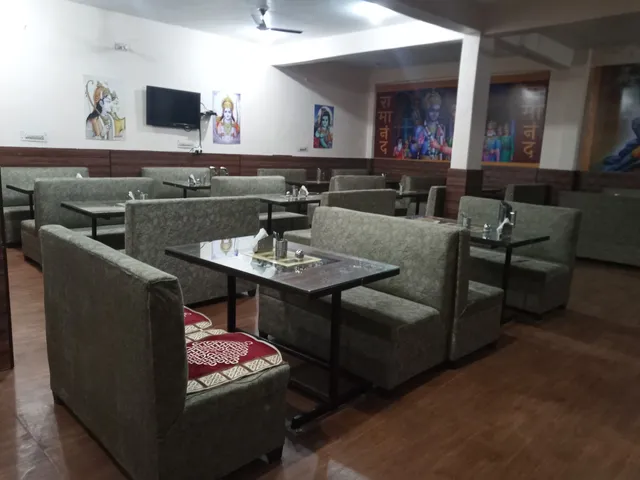
Ramanand Restaurant and Guest house
Ghat no. 15, Ram ki pehdi, near Sri Nageshwarnath Temple, Theri Bazar, Ayodhya, Uttar Pradesh 224123, India
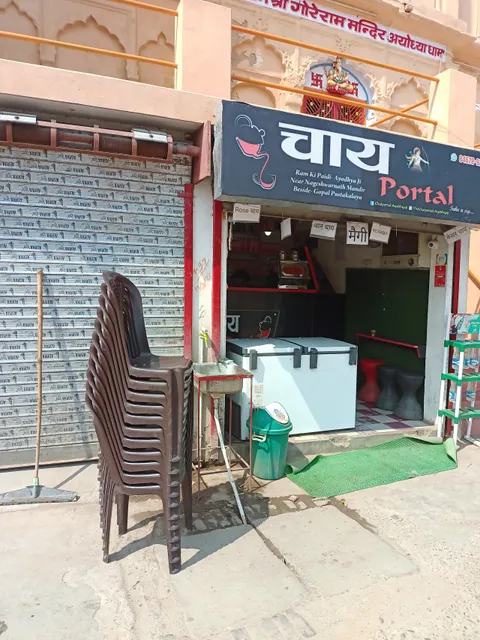
Chai Portal ,Ayodhya ji
Ram ki pedi, beside Gopal Pustkalaya, near Sri Nageshwarnath Temple, Theri Bazar, Ayodhya, Uttar Pradesh 224123, India
Cafe Ayodhya
R655+CJJ Nayaghat bandha tiraha, Ram Katha Park, Ayodhya, Manjha Kala, Uttar Pradesh 272129, India
Brahman Bhojnalaya
R645+MGM, Karsewakpuram, Ayodhya, Uttar Pradesh 224123, India
Shri Radhey Bhojnalaya
near tulsi udyan naya ghat, Ayodhya, Uttar Pradesh 224123, India
Amrut Rasoi
R645+573, near Tulasi Udyan, Naya Ghat, Ayodhya, Uttar Pradesh 224123, India
Gopal Bhojnalay
R645+MCF, Nayaghat, Ayodhya, Faizabad, Uttar Pradesh 224123, India
Neta Ji Dhaba Wale
Ramghat Ayodhya Lucknow Rd, Faizabad, Manjha Kala, Uttar Pradesh 224123, India
Ram Royals fast food and Restaurant
R645+865, Ram Path Rd, Rani Bazar Colony, Ayodhya, Uttar Pradesh 224123, India
Nearby hotels
Vedas villa
R653+2CX, Laxmanghat, Theri Bazar, Ayodhya, Uttar Pradesh 224123, India
Shri Punjabi atithi nivas 100 meta saryu Ghat
Agadra choraha, Theri Bazar, Ayodhya, Uttar Pradesh 224123, India
Saryu Sankul HomeStay
Tedhi Bajar Rd, Theri Bazar, Ayodhya, Uttar Pradesh 224123, India
Shri Kishori Kripa Homestay
Ram Ki Paidi Rd, Theri Bazar, Manjha Kala, Ayodhya, Uttar Pradesh 224123, India
Ayodhya Hotel
R653+58Q, Theri Bazar, Ayodhya, Uttar Pradesh 224123, India
Hotel Saryu (Rahi Yatri Niwas)
R656+HP2, Ram Katha Park, Ayodhya, Manjha Kala, Uttar Pradesh 272129, India
Raghuvar Inn
House no. 19, 3/136, Meerapur Rd, opposite Tulsi Udyan Road, behind Tiwari Mandir, Derabibi Nayaghat, Ayodhya, Uttar Pradesh 224123, India
OYO Hotel Ram Inn
Plot no. 1, Golaghat Rd, Tulsi Nagar, Ayodhya, Uttar Pradesh 224123, India
Hanumat bhavan dharmshala
R652+29Q, Unnamed Road, Theri Bazar, Ayodhya, Uttar Pradesh 224123, India
Praveg Saryu Resort Ayodhya
Ram Katha Park, Ayodhya, Manjha Kala, Uttar Pradesh 272129, India
Related posts
Keywords
Saryu Ghat tourism.Saryu Ghat hotels.Saryu Ghat bed and breakfast. flights to Saryu Ghat.Saryu Ghat attractions.Saryu Ghat restaurants.Saryu Ghat travel.Saryu Ghat travel guide.Saryu Ghat travel blog.Saryu Ghat pictures.Saryu Ghat photos.Saryu Ghat travel tips.Saryu Ghat maps.Saryu Ghat things to do.
Saryu Ghat things to do, attractions, restaurants, events info and trip planning
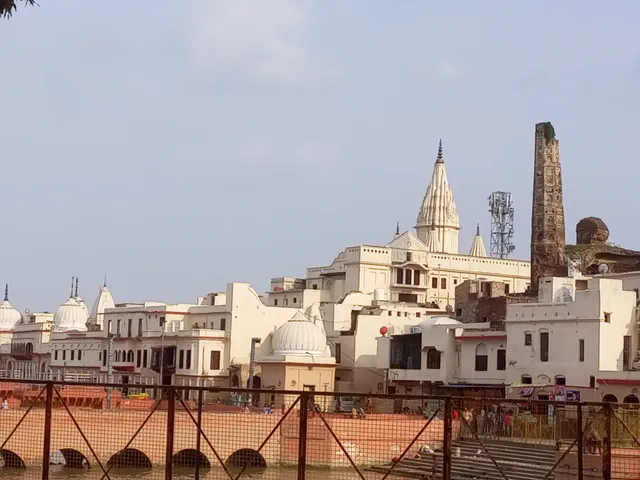
Saryu Ghat
IndiaUttar PradeshSaryu Ghat

Basic Info

Saryu Ghat

R664+G97, Manjha Kala, Uttar Pradesh 271303, India
4.6(3.6K)
Open until 12:00 AM
Save
spot

Ratings & Description

Info

Cultural
Outdoor
Family friendly
attractions: Naya Ghat, Shri Nageshwar Nath Mandir Ayodhya Trust, Prachin Shri Kale Ram Temple Ayodhya, Lakshman Ghat, Janki Mahal, Ammaji Mandir, restaurants: Ramanand Restaurant and Guest house, Chai Portal ,Ayodhya ji, Cafe Ayodhya, Brahman Bhojnalaya, Shri Radhey Bhojnalaya, Amrut Rasoi, Gopal Bhojnalay, Neta Ji Dhaba Wale, Ram Royals fast food and Restaurant
logoLearn more insights from Wanderboat AI.
Open hoursSee all hours
TueOpen 24 hoursOpen

Plan your stay

hotel
Pet-friendly Hotels in Uttar Pradesh
Find a cozy hotel nearby and make it a full experience.
hotel
Affordable Hotels in Uttar Pradesh
Find a cozy hotel nearby and make it a full experience.
hotel
The Coolest Hotels You Haven't Heard Of (Yet)
Find a cozy hotel nearby and make it a full experience.
hotel
Trending Stays Worth the Hype in Uttar Pradesh
Find a cozy hotel nearby and make it a full experience.

Reviews

Nearby attractions of Saryu Ghat

Naya Ghat

Shri Nageshwar Nath Mandir Ayodhya Trust

Prachin Shri Kale Ram Temple Ayodhya

Lakshman Ghat

Janki Mahal

Ammaji Mandir

Naya Ghat

Naya Ghat

4.5

(7K)

Open 24 hours
Click for details
Shri Nageshwar Nath Mandir Ayodhya Trust

Shri Nageshwar Nath Mandir Ayodhya Trust

4.6

(210)

Open 24 hours
Click for details
Prachin Shri Kale Ram Temple Ayodhya

Prachin Shri Kale Ram Temple Ayodhya

4.4

(125)

Open 24 hours
Click for details
Lakshman Ghat

Lakshman Ghat

4.7

(57)

Open 24 hours
Click for details

Nearby restaurants of Saryu Ghat

Ramanand Restaurant and Guest house

Chai Portal ,Ayodhya ji

Cafe Ayodhya

Brahman Bhojnalaya

Shri Radhey Bhojnalaya

Amrut Rasoi

Gopal Bhojnalay

Neta Ji Dhaba Wale

Ram Royals fast food and Restaurant

Ramanand Restaurant and Guest house

Ramanand Restaurant and Guest house

4.2

(64)

Click for details
Chai Portal ,Ayodhya ji

Chai Portal ,Ayodhya ji

4.8

(52)

Click for details
Cafe Ayodhya

Cafe Ayodhya

3.6

(8)

Open until 12:00 AM
Click for details
Brahman Bhojnalaya

Brahman Bhojnalaya

3.2

(19)

Click for details
Get the Appoverlay
Get the AppOne tap to find yournext favorite spots!
Wanderboat LogoWanderboat

Your everyday Al companion for getaway ideas

CompanyAbout Us
InformationAI Trip PlannerSitemap
SocialXInstagramTiktokLinkedin
LegalTerms of ServicePrivacy Policy

Get the app

© 2025 Wanderboat. All rights reserved.
logo

Reviews of Saryu Ghat

4.6
(3,646)
avatar
5.0
2y

the Saryu Ghat in Ayodhya stands as a testament to the rich cultural heritage and deep spiritual significance that the town holds. With its timeless charm and serene atmosphere, the ghat offers visitors a glimpse into the soul of Ayodhya, a place that is steeped in mythology, history, and religious devotion. This review delves into the various facets of Saryu Ghat, exploring its religious importance, architectural beauty, and the spiritual experience it offers to all who set foot on its hallowed ground.

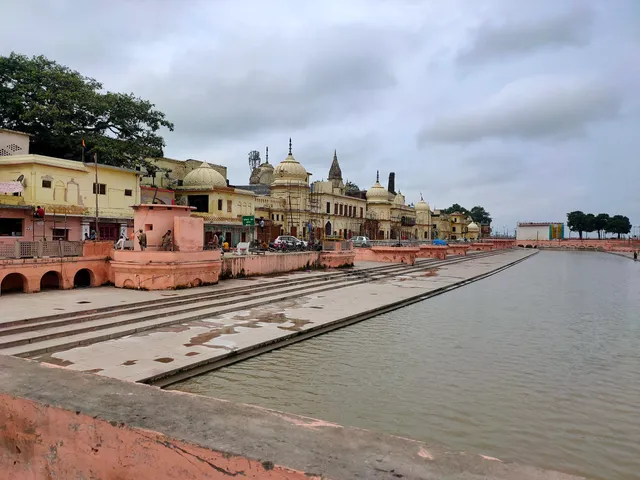
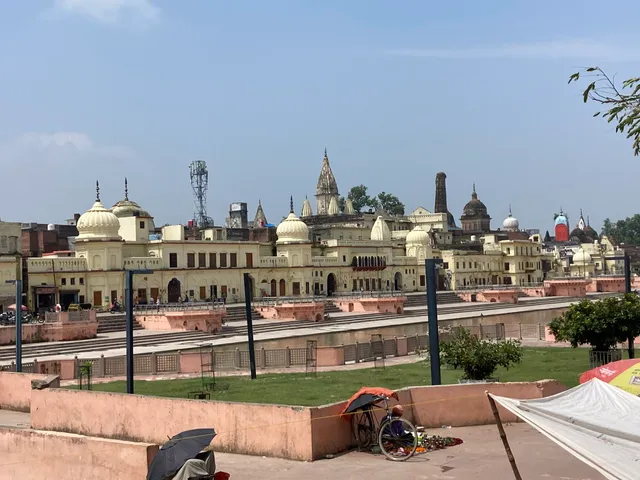
At first glance, the Saryu Ghat enchants visitors with its architectural elegance. The intricate designs of the ghats, the temples, and the surrounding structures exude a sense of grandeur that transports one back in time. The ghats are adorned with sculptures and carvings that narrate stories from Hindu epics, showcasing the intricate craftsmanship of artisans of yore. The well-maintained pathways, lush gardens, and the serene ambiance enhance the overall aesthetic appeal of the ghat, making it a perfect spot for introspection and leisurely strolls.

Beyond its architectural splendor, Saryu Ghat holds immense religious significance. According to Hindu mythology, the Saryu River is believed to be divinely blessed and a witness to the life and times of Lord Rama, the seventh avatar of Lord Vishnu. The ghat thus becomes a place of pilgrimage for devotees who seek to connect with their spiritual roots. Taking a dip in the holy river at Saryu Ghat is believed to cleanse one's sins and purify the soul. Many ceremonies and rituals are performed here, especially during festivals and auspicious occasions, further cementing its importance in the hearts of the faithful.

A visit to Saryu Ghat is more than just a visual treat; it's an immersive spiritual experience. The aura of devotion and the scent of incense pervade the air, creating an atmosphere of transcendence. The early morning and evening hours are particularly enchanting, as the rising and setting sun casts a golden glow on the waters of the Saryu, creating a picturesque backdrop for the spiritual activities taking place. The rhythmic chants of hymns, the sound of temple bells, and the sight of devotees engaged in prayer come together to create a sense of unity and reverence that is truly humbling.

In addition to its religious and architectural significance, Saryu Ghat also offers visitors the opportunity to connect with local culture. The ghat is often a hub of cultural events, from religious processions to traditional music and dance performances. These events not only enrich the experience of visitors but also provide a platform for local artists to showcase their talents. This cultural exchange further adds to the ghat's multifaceted appeal, making it a space where spirituality and art converge.

In conclusion, Saryu Ghat in Ayodhya is a treasure trove of spiritual, cultural, and architectural marvels. Its timeless beauty, historical importance, and religious significance make it a must-visit destination for travelers seeking a deeper connection with India's rich heritage. The ghat's ability to transport visitors to a realm of tranquility and introspection is a testament to its enduring charm. Whether you are a spiritual seeker, a history enthusiast, or simply someone looking to experience the essence of Ayodhya, a visit to Saryu Ghat promises an unforgettable journey into the heart and soul of this...

   Read more
avatar
5.0
2y

Ayodhya as the place where the milk would flow from the udder of a calf.[15] He cut down the forests that had covered the ancient ruins, established a new city, erected the Ramgar fort, and built 360 temples.[23]

According to the JNU historians, this myth of "re-discovery" seems to recognize that modern Ayodhya is not same as the ancient Ayodhya, and appears to be an attempt to impart the modern town a religious sanctity that it originally lacked.[15] These historians theorize that the 5th century emperor Skandagupta (who adopted the title Vikramditya) moved his residence to Saketa, and renamed it to Ayodhya, probably to associate himself with the legendary solar dynasty.[15] According to Bakker, the Guptas moved their capital to Saketa either during the reign of Kumaragupta I or Skandagupta, and this event is possibly alluded to in the Raghuvamsha.[17]

Kishore Kunal argues that there is no historical evidence to support the theory that Saketa was renamed as "Ayodhya" by Skandagupta. He notes that the Kalidasa's Raghuvamsha clearly refers to the same city by the names "Saketa" and "Ayodhya", while narrating the legend of Rama.[24] Historian Gyanendra Pandey argues that Kalidasa's mention of "Saketa" and "Ayodhya" do not prove any connection between the legendary Ayodhya and the present-day Ayodhya, as he lived in the Gupta period (c. 5th century CE), presumably after the Guptas had changed the name of Saketa to "Ayodhya".[25]

Relatively recent association with Rama Edit The rise of the modern Ayodhya town as a centre of Rama worship is relatively recent, dating back to the 13th century, when the Ramanandi sect started gaining prominence. Several inscriptions dated between 5th and 8th centuries mention the town, but do not mention its association with Rama. The writings of Xuanzang (c. 602–664 CE) associate the town with Buddhism. It has also been an important Jain pilgrimage centre, and an ancient Jain figure (dated 4th-3rd century BCE) has been found here. The 11th century texts refer to Gopataru tirtha in Ayodhya, but do not refer to the birthplace of Rama.[15]

Bakker notes that the legend of Rama was not always connected with Ayodhya: for example, the Buddhist Dasaratha-jataka mentions Varanasi, not Ayodhya, as the capital of Dasharatha and Rama. Thus, the association of Rama with Ayodhya may be a result the claim that he was a member of the Ikshvaku family, and this family's association with Ayodhya.[18]

Analysis of Ramayana Edit According to M. C. Joshi, "a critical examination of the geographical data available in Valmiki's narratives does not justify the commonly accepted identification of the ancient city with the modern one". For example, in the Ayodhya Kanda of the Ramayana, Bharata takes a geographically "non-sensical" route while traveling to Ayodhya from the kingdom of his uncle Kekeya (located in the extreme west of the Indian subcontinent). During this journey, he passes through places located in present-day Odisha...

   Read more
avatar
5.0
2y

Saryu Ghat: Where Spirituality Meets Serenity

Saryu Ghat in Ayodhya is a revered destination along the banks of the sacred Saryu River, offering a serene sanctuary that seamlessly blends spirituality, history, and culture. With its deep-rooted mythological significance and architectural splendor, the ghat has become a vital pilgrimage site and a captivating spot for tourists.

The ghat's historical importance is intertwined with Ayodhya's role as the birthplace of Lord Rama. The river's banks are believed to be the starting point of Rama's journey, lending the ghat a profound connection to Hindu mythology. This link draws countless devotees who seek blessings and solace.

Architecturally, Saryu Ghat stands as a masterpiece that marries various styles across epochs. Intricate carvings and sculptures grace the area, narrating tales of ancient craftsmanship. The steps leading to the river are meticulously designed, and the surrounding temples boast a fusion of traditional and contemporary architectural elements. These structures, adorned with depictions of mythology, offer an exquisite visual spectacle.

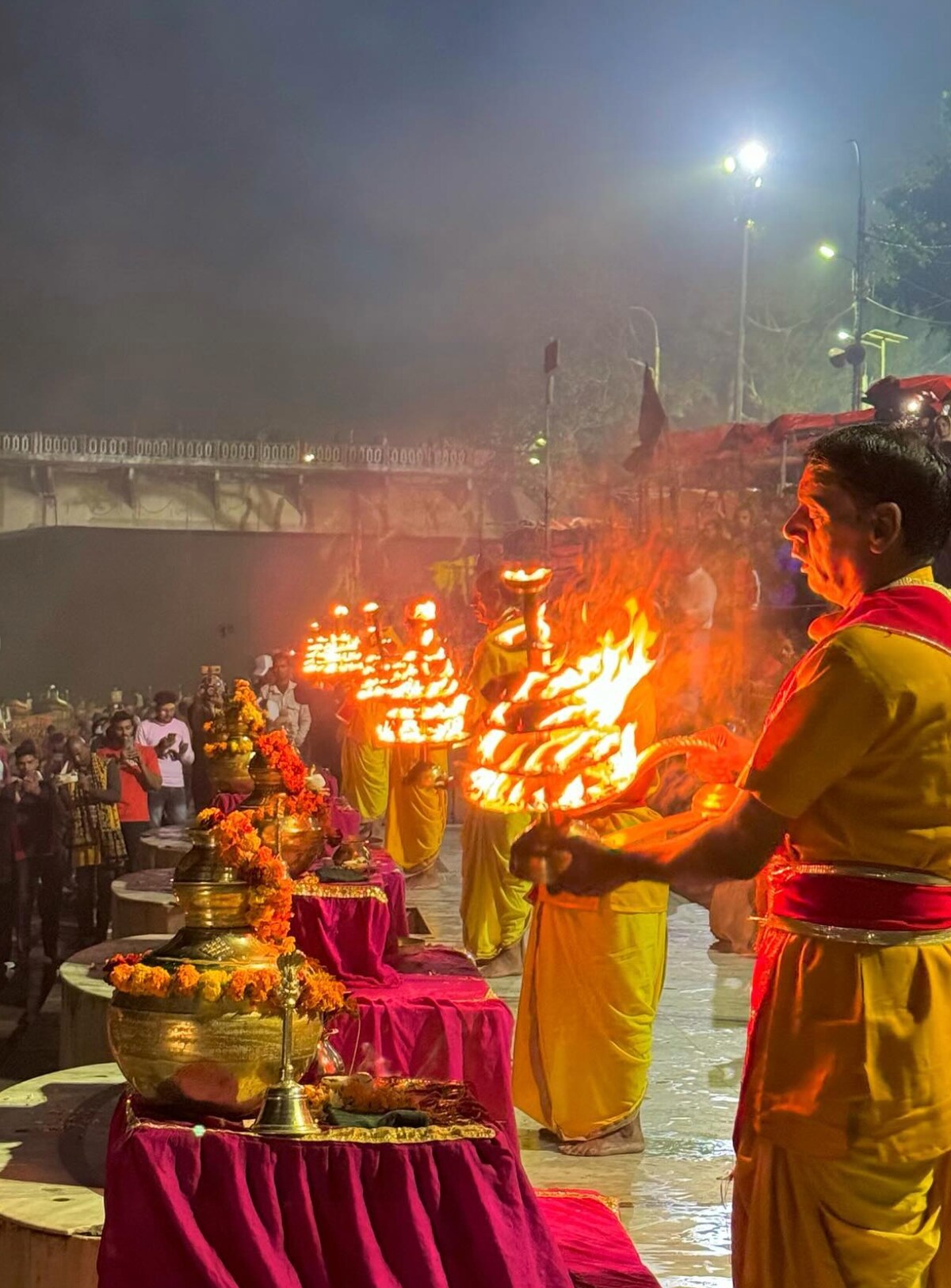
Spiritual rituals, including the Ganga Aarti, infuse life into Saryu Ghat. As the sun sets, saffron-clad priests conduct mesmerizing ceremonies with incense, lamps, and chants, evoking a strong sense of devotion. The atmosphere during festivals such as Diwali and Ram Navami is especially enchanting, as the ghat radiates with the glow of countless diyas and hosts processions that honor Lord Rama.

Saryu Ghat transcends its spiritual essence to embrace India's cultural heritage. The site becomes a stage for classical music and dance performances, providing visitors with a glimpse into the country's artistic legacy. Amidst the tranquil ambiance, the ghat offers a haven for meditation and reflection, offering respite from the clamor of daily life.

Efforts to preserve and develop Saryu Ghat are evident in its amenities, including well-maintained pathways, seating areas, and informative displays. These additions enhance the experience for modern-day pilgrims and tourists, without compromising the ghat's historical significance.

In conclusion, Saryu Ghat is a testament to Ayodhya's rich legacy, where spirituality intertwines with architectural splendor and cultural richness. Standing by the river's edge, one can't help but feel the weight of history and the serenity of the present. Whether you're a pilgrim seeking blessings or a traveler yearning for a tranquil retreat, Saryu Ghat promises an experience that resonates deeply...

   Read more
Page 1 of 7
Previous
Next

Posts

Rishik JaiswalRishik Jaiswal
the Saryu Ghat in Ayodhya stands as a testament to the rich cultural heritage and deep spiritual significance that the town holds. With its timeless charm and serene atmosphere, the ghat offers visitors a glimpse into the soul of Ayodhya, a place that is steeped in mythology, history, and religious devotion. This review delves into the various facets of Saryu Ghat, exploring its religious importance, architectural beauty, and the spiritual experience it offers to all who set foot on its hallowed ground. At first glance, the Saryu Ghat enchants visitors with its architectural elegance. The intricate designs of the ghats, the temples, and the surrounding structures exude a sense of grandeur that transports one back in time. The ghats are adorned with sculptures and carvings that narrate stories from Hindu epics, showcasing the intricate craftsmanship of artisans of yore. The well-maintained pathways, lush gardens, and the serene ambiance enhance the overall aesthetic appeal of the ghat, making it a perfect spot for introspection and leisurely strolls. Beyond its architectural splendor, Saryu Ghat holds immense religious significance. According to Hindu mythology, the Saryu River is believed to be divinely blessed and a witness to the life and times of Lord Rama, the seventh avatar of Lord Vishnu. The ghat thus becomes a place of pilgrimage for devotees who seek to connect with their spiritual roots. Taking a dip in the holy river at Saryu Ghat is believed to cleanse one's sins and purify the soul. Many ceremonies and rituals are performed here, especially during festivals and auspicious occasions, further cementing its importance in the hearts of the faithful. A visit to Saryu Ghat is more than just a visual treat; it's an immersive spiritual experience. The aura of devotion and the scent of incense pervade the air, creating an atmosphere of transcendence. The early morning and evening hours are particularly enchanting, as the rising and setting sun casts a golden glow on the waters of the Saryu, creating a picturesque backdrop for the spiritual activities taking place. The rhythmic chants of hymns, the sound of temple bells, and the sight of devotees engaged in prayer come together to create a sense of unity and reverence that is truly humbling. In addition to its religious and architectural significance, Saryu Ghat also offers visitors the opportunity to connect with local culture. The ghat is often a hub of cultural events, from religious processions to traditional music and dance performances. These events not only enrich the experience of visitors but also provide a platform for local artists to showcase their talents. This cultural exchange further adds to the ghat's multifaceted appeal, making it a space where spirituality and art converge. In conclusion, Saryu Ghat in Ayodhya is a treasure trove of spiritual, cultural, and architectural marvels. Its timeless beauty, historical importance, and religious significance make it a must-visit destination for travelers seeking a deeper connection with India's rich heritage. The ghat's ability to transport visitors to a realm of tranquility and introspection is a testament to its enduring charm. Whether you are a spiritual seeker, a history enthusiast, or simply someone looking to experience the essence of Ayodhya, a visit to Saryu Ghat promises an unforgettable journey into the heart and soul of this ancient town.
Shiv YadavShiv Yadav
Ayodhya as the place where the milk would flow from the udder of a calf.[15] He cut down the forests that had covered the ancient ruins, established a new city, erected the Ramgar fort, and built 360 temples.[23] According to the JNU historians, this myth of "re-discovery" seems to recognize that modern Ayodhya is not same as the ancient Ayodhya, and appears to be an attempt to impart the modern town a religious sanctity that it originally lacked.[15] These historians theorize that the 5th century emperor Skandagupta (who adopted the title Vikramditya) moved his residence to Saketa, and renamed it to Ayodhya, probably to associate himself with the legendary solar dynasty.[15] According to Bakker, the Guptas moved their capital to Saketa either during the reign of Kumaragupta I or Skandagupta, and this event is possibly alluded to in the Raghuvamsha.[17] Kishore Kunal argues that there is no historical evidence to support the theory that Saketa was renamed as "Ayodhya" by Skandagupta. He notes that the Kalidasa's Raghuvamsha clearly refers to the same city by the names "Saketa" and "Ayodhya", while narrating the legend of Rama.[24] Historian Gyanendra Pandey argues that Kalidasa's mention of "Saketa" and "Ayodhya" do not prove any connection between the legendary Ayodhya and the present-day Ayodhya, as he lived in the Gupta period (c. 5th century CE), presumably after the Guptas had changed the name of Saketa to "Ayodhya".[25] Relatively recent association with Rama Edit The rise of the modern Ayodhya town as a centre of Rama worship is relatively recent, dating back to the 13th century, when the Ramanandi sect started gaining prominence. Several inscriptions dated between 5th and 8th centuries mention the town, but do not mention its association with Rama. The writings of Xuanzang (c. 602–664 CE) associate the town with Buddhism. It has also been an important Jain pilgrimage centre, and an ancient Jain figure (dated 4th-3rd century BCE) has been found here. The 11th century texts refer to Gopataru tirtha in Ayodhya, but do not refer to the birthplace of Rama.[15] Bakker notes that the legend of Rama was not always connected with Ayodhya: for example, the Buddhist Dasaratha-jataka mentions Varanasi, not Ayodhya, as the capital of Dasharatha and Rama. Thus, the association of Rama with Ayodhya may be a result the claim that he was a member of the Ikshvaku family, and this family's association with Ayodhya.[18] Analysis of Ramayana Edit According to M. C. Joshi, "a critical examination of the geographical data available in Valmiki's narratives does not justify the commonly accepted identification of the ancient city with the modern one". For example, in the Ayodhya Kanda of the Ramayana, Bharata takes a geographically "non-sensical" route while traveling to Ayodhya from the kingdom of his uncle Kekeya (located in the extreme west of the Indian subcontinent). During this journey, he passes through places located in present-day Odisha and Assam.[13]
SAHAPATHIKA TEAMSAHAPATHIKA TEAM
Sarayu Ghat: Where Serenity Meets Spiritual Splendor Sarayu Ghat, nestled along the tranquil banks of the sacred Sarayu River in Ayodhya, is a timeless gem that epitomizes the essence of spirituality and serenity. Having had the privilege of visiting this revered ghat, I am compelled to share my enchanting experience. From the moment you set foot on the ancient steps leading down to the ghat, you are enveloped in a sense of peace and tranquility that transcends the ordinary. The gentle flow of the Sarayu River, the rustle of the breeze through the trees, and the distant echoes of devotional chants create an ambiance that is both soothing and spiritually uplifting. Sarayu Ghat holds immense significance in Hindu mythology, particularly as the site where Lord Rama is believed to have embarked on his final journey to Vaikuntha, the abode of Lord Vishnu. The ghat serves as a focal point for pilgrims and devotees seeking to connect with the divine and pay homage to the revered hero of the epic Ramayana. One of the highlights of Sarayu Ghat is the mesmerizing Ganga Aarti ceremony held every evening, where devotees gather to offer prayers and witness the spectacle of flickering lamps and rhythmic chants. The sight of the illuminated riverbanks, adorned with colorful decorations and reverberating with sacred hymns, is truly a sight to behold and an experience that touches the soul. Beyond its religious significance, Sarayu Ghat is also a place of introspection and contemplation. The serene surroundings provide the perfect backdrop for moments of quiet reflection and spiritual rejuvenation. Whether you're sitting by the riverbank, taking a leisurely boat ride, or simply soaking in the ethereal beauty of the ghat, every moment spent here is imbued with a sense of divine grace. The cleanliness and upkeep of Sarayu Ghat are commendable, thanks to the efforts of the local authorities and dedicated volunteers. The well-maintained pathways, clean bathing ghats, and lush greenery contribute to the overall charm and allure of the place, ensuring a memorable and immersive experience for visitors. In conclusion, Sarayu Ghat is not just a physical location; it's a sacred sanctuary where the mortal transcends into the realm of the divine. Whether you're a devout pilgrim seeking spiritual solace or a curious traveler in search of cultural enrichment, a visit to Sarayu Ghat is sure to leave a lasting impression on your heart and soul. Highly recommended for anyone seeking a glimpse of spiritual splendor amidst the ancient city of Ayodhya.
See more posts
See more posts
hotel
Find your stay

Pet-friendly Hotels in Uttar Pradesh

Find a cozy hotel nearby and make it a full experience.

the Saryu Ghat in Ayodhya stands as a testament to the rich cultural heritage and deep spiritual significance that the town holds. With its timeless charm and serene atmosphere, the ghat offers visitors a glimpse into the soul of Ayodhya, a place that is steeped in mythology, history, and religious devotion. This review delves into the various facets of Saryu Ghat, exploring its religious importance, architectural beauty, and the spiritual experience it offers to all who set foot on its hallowed ground. At first glance, the Saryu Ghat enchants visitors with its architectural elegance. The intricate designs of the ghats, the temples, and the surrounding structures exude a sense of grandeur that transports one back in time. The ghats are adorned with sculptures and carvings that narrate stories from Hindu epics, showcasing the intricate craftsmanship of artisans of yore. The well-maintained pathways, lush gardens, and the serene ambiance enhance the overall aesthetic appeal of the ghat, making it a perfect spot for introspection and leisurely strolls. Beyond its architectural splendor, Saryu Ghat holds immense religious significance. According to Hindu mythology, the Saryu River is believed to be divinely blessed and a witness to the life and times of Lord Rama, the seventh avatar of Lord Vishnu. The ghat thus becomes a place of pilgrimage for devotees who seek to connect with their spiritual roots. Taking a dip in the holy river at Saryu Ghat is believed to cleanse one's sins and purify the soul. Many ceremonies and rituals are performed here, especially during festivals and auspicious occasions, further cementing its importance in the hearts of the faithful. A visit to Saryu Ghat is more than just a visual treat; it's an immersive spiritual experience. The aura of devotion and the scent of incense pervade the air, creating an atmosphere of transcendence. The early morning and evening hours are particularly enchanting, as the rising and setting sun casts a golden glow on the waters of the Saryu, creating a picturesque backdrop for the spiritual activities taking place. The rhythmic chants of hymns, the sound of temple bells, and the sight of devotees engaged in prayer come together to create a sense of unity and reverence that is truly humbling. In addition to its religious and architectural significance, Saryu Ghat also offers visitors the opportunity to connect with local culture. The ghat is often a hub of cultural events, from religious processions to traditional music and dance performances. These events not only enrich the experience of visitors but also provide a platform for local artists to showcase their talents. This cultural exchange further adds to the ghat's multifaceted appeal, making it a space where spirituality and art converge. In conclusion, Saryu Ghat in Ayodhya is a treasure trove of spiritual, cultural, and architectural marvels. Its timeless beauty, historical importance, and religious significance make it a must-visit destination for travelers seeking a deeper connection with India's rich heritage. The ghat's ability to transport visitors to a realm of tranquility and introspection is a testament to its enduring charm. Whether you are a spiritual seeker, a history enthusiast, or simply someone looking to experience the essence of Ayodhya, a visit to Saryu Ghat promises an unforgettable journey into the heart and soul of this ancient town.
Rishik Jaiswal

Rishik Jaiswal

hotel
Find your stay

Affordable Hotels in Uttar Pradesh

Find a cozy hotel nearby and make it a full experience.

Get the Appoverlay
Get the AppOne tap to find yournext favorite spots!
Ayodhya as the place where the milk would flow from the udder of a calf.[15] He cut down the forests that had covered the ancient ruins, established a new city, erected the Ramgar fort, and built 360 temples.[23] According to the JNU historians, this myth of "re-discovery" seems to recognize that modern Ayodhya is not same as the ancient Ayodhya, and appears to be an attempt to impart the modern town a religious sanctity that it originally lacked.[15] These historians theorize that the 5th century emperor Skandagupta (who adopted the title Vikramditya) moved his residence to Saketa, and renamed it to Ayodhya, probably to associate himself with the legendary solar dynasty.[15] According to Bakker, the Guptas moved their capital to Saketa either during the reign of Kumaragupta I or Skandagupta, and this event is possibly alluded to in the Raghuvamsha.[17] Kishore Kunal argues that there is no historical evidence to support the theory that Saketa was renamed as "Ayodhya" by Skandagupta. He notes that the Kalidasa's Raghuvamsha clearly refers to the same city by the names "Saketa" and "Ayodhya", while narrating the legend of Rama.[24] Historian Gyanendra Pandey argues that Kalidasa's mention of "Saketa" and "Ayodhya" do not prove any connection between the legendary Ayodhya and the present-day Ayodhya, as he lived in the Gupta period (c. 5th century CE), presumably after the Guptas had changed the name of Saketa to "Ayodhya".[25] Relatively recent association with Rama Edit The rise of the modern Ayodhya town as a centre of Rama worship is relatively recent, dating back to the 13th century, when the Ramanandi sect started gaining prominence. Several inscriptions dated between 5th and 8th centuries mention the town, but do not mention its association with Rama. The writings of Xuanzang (c. 602–664 CE) associate the town with Buddhism. It has also been an important Jain pilgrimage centre, and an ancient Jain figure (dated 4th-3rd century BCE) has been found here. The 11th century texts refer to Gopataru tirtha in Ayodhya, but do not refer to the birthplace of Rama.[15] Bakker notes that the legend of Rama was not always connected with Ayodhya: for example, the Buddhist Dasaratha-jataka mentions Varanasi, not Ayodhya, as the capital of Dasharatha and Rama. Thus, the association of Rama with Ayodhya may be a result the claim that he was a member of the Ikshvaku family, and this family's association with Ayodhya.[18] Analysis of Ramayana Edit According to M. C. Joshi, "a critical examination of the geographical data available in Valmiki's narratives does not justify the commonly accepted identification of the ancient city with the modern one". For example, in the Ayodhya Kanda of the Ramayana, Bharata takes a geographically "non-sensical" route while traveling to Ayodhya from the kingdom of his uncle Kekeya (located in the extreme west of the Indian subcontinent). During this journey, he passes through places located in present-day Odisha and Assam.[13]
Shiv Yadav

Shiv Yadav

hotel
Find your stay

The Coolest Hotels You Haven't Heard Of (Yet)

Find a cozy hotel nearby and make it a full experience.

hotel
Find your stay

Trending Stays Worth the Hype in Uttar Pradesh

Find a cozy hotel nearby and make it a full experience.

Sarayu Ghat: Where Serenity Meets Spiritual Splendor Sarayu Ghat, nestled along the tranquil banks of the sacred Sarayu River in Ayodhya, is a timeless gem that epitomizes the essence of spirituality and serenity. Having had the privilege of visiting this revered ghat, I am compelled to share my enchanting experience. From the moment you set foot on the ancient steps leading down to the ghat, you are enveloped in a sense of peace and tranquility that transcends the ordinary. The gentle flow of the Sarayu River, the rustle of the breeze through the trees, and the distant echoes of devotional chants create an ambiance that is both soothing and spiritually uplifting. Sarayu Ghat holds immense significance in Hindu mythology, particularly as the site where Lord Rama is believed to have embarked on his final journey to Vaikuntha, the abode of Lord Vishnu. The ghat serves as a focal point for pilgrims and devotees seeking to connect with the divine and pay homage to the revered hero of the epic Ramayana. One of the highlights of Sarayu Ghat is the mesmerizing Ganga Aarti ceremony held every evening, where devotees gather to offer prayers and witness the spectacle of flickering lamps and rhythmic chants. The sight of the illuminated riverbanks, adorned with colorful decorations and reverberating with sacred hymns, is truly a sight to behold and an experience that touches the soul. Beyond its religious significance, Sarayu Ghat is also a place of introspection and contemplation. The serene surroundings provide the perfect backdrop for moments of quiet reflection and spiritual rejuvenation. Whether you're sitting by the riverbank, taking a leisurely boat ride, or simply soaking in the ethereal beauty of the ghat, every moment spent here is imbued with a sense of divine grace. The cleanliness and upkeep of Sarayu Ghat are commendable, thanks to the efforts of the local authorities and dedicated volunteers. The well-maintained pathways, clean bathing ghats, and lush greenery contribute to the overall charm and allure of the place, ensuring a memorable and immersive experience for visitors. In conclusion, Sarayu Ghat is not just a physical location; it's a sacred sanctuary where the mortal transcends into the realm of the divine. Whether you're a devout pilgrim seeking spiritual solace or a curious traveler in search of cultural enrichment, a visit to Sarayu Ghat is sure to leave a lasting impression on your heart and soul. Highly recommended for anyone seeking a glimpse of spiritual splendor amidst the ancient city of Ayodhya.
SAHAPATHIKA TEAM

SAHAPATHIKA TEAM

See more posts
See more posts