A Historical and Mystical Experience at Scindia Ghat**
Scindia Ghat in Varanasi is a fascinating place that combines historical significance with mystical charm. Here's a detailed review of my visit:
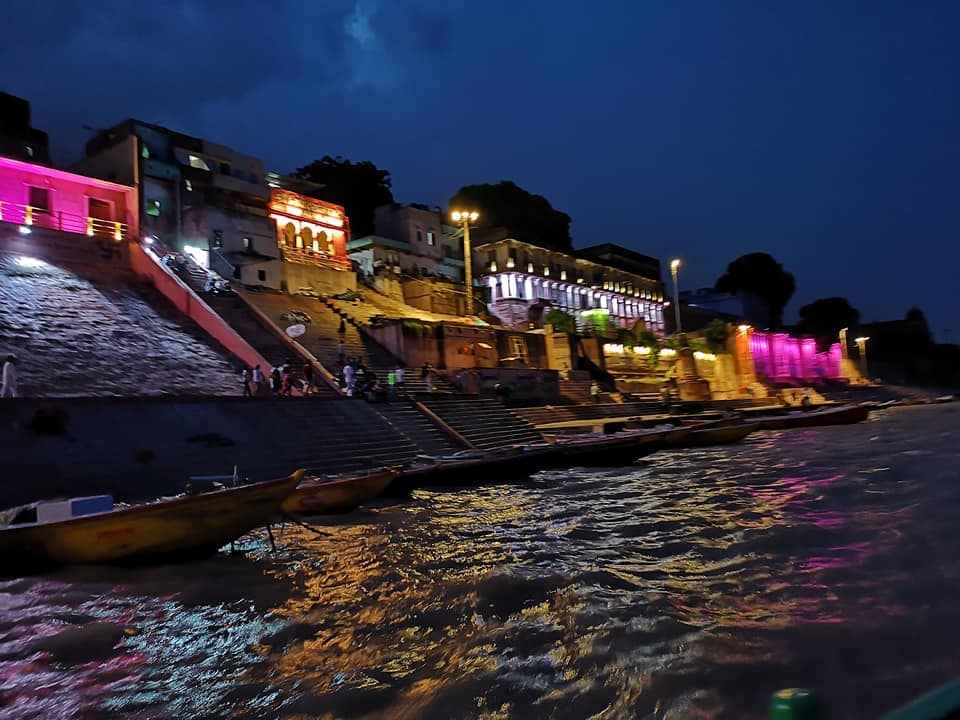
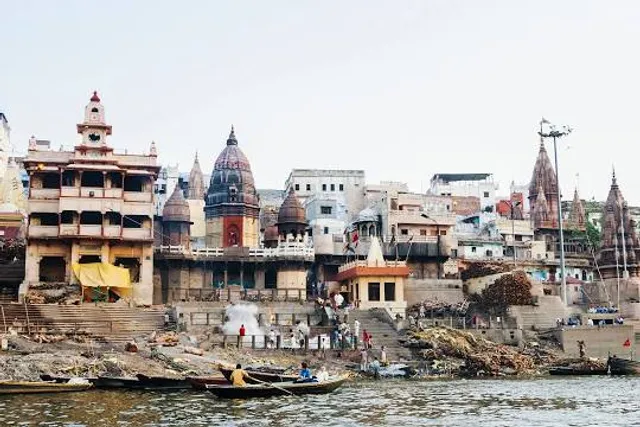
Location and Accessibility: Scindia Ghat is located north of Dashashwamedh Ghat and can be reached by a short walk from there or by taking a boat ride along the Ganges. It’s easily accessible and well-connected by local transport.
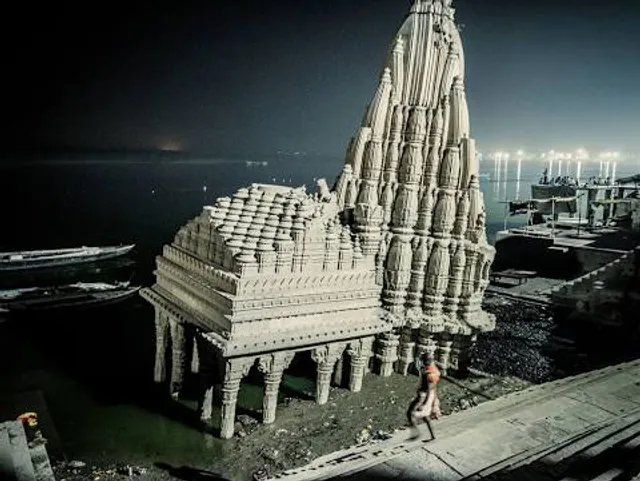
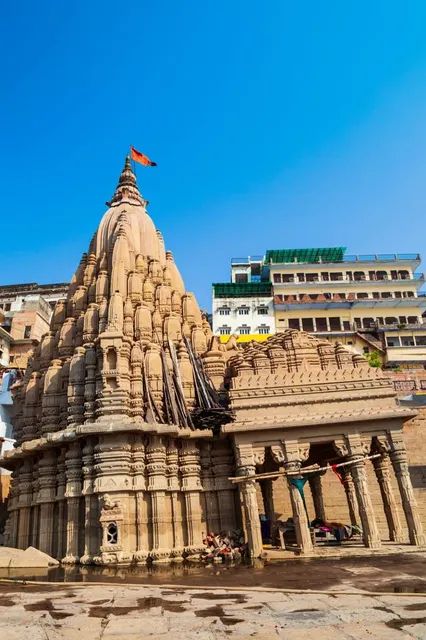
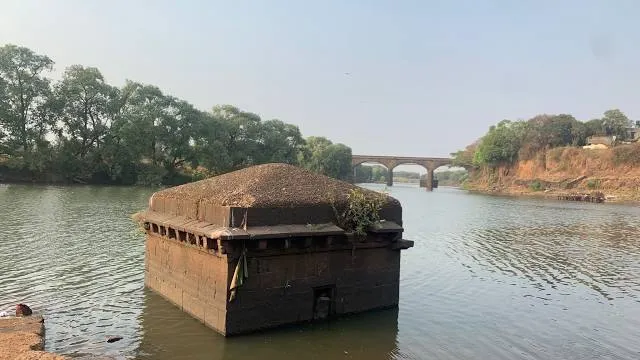
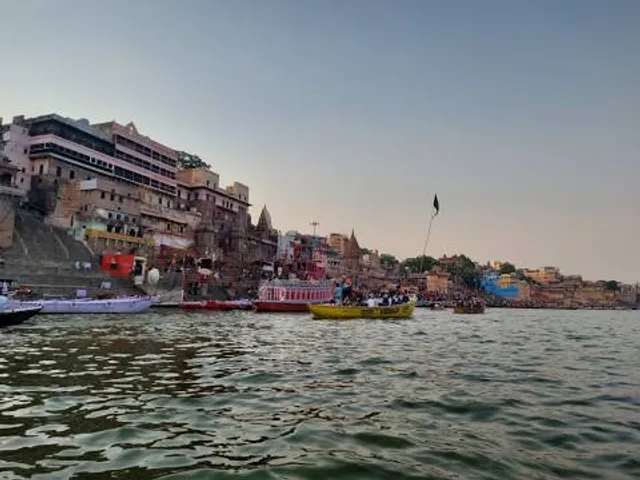
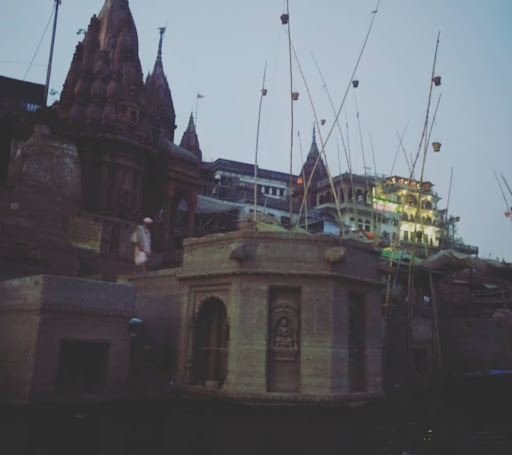
Atmosphere: The atmosphere at Scindia Ghat is unique and intriguing. It's less crowded than some of the more popular ghats, offering a quieter and more introspective experience. The ghat is characterized by its partially submerged Shiva temple, which adds a mystical and almost otherworldly quality to the environment. The sound of the river, combined with the sight of the sunken temple and the ancient structures, creates a captivating ambiance.
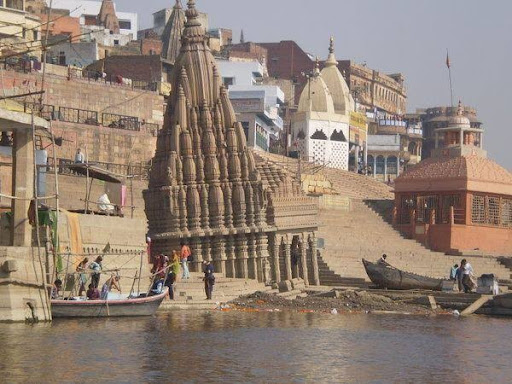
Historical and Cultural Significance: Scindia Ghat is named after the Scindia (Shinde) family of Madhya Pradesh, who built it in the early 19th century. The ghat is particularly famous for the tilted Shiva temple, which sank partially during its construction. This sunken temple is a major attraction and a subject of many legends and local lore. The ghat is also linked to the birth of Agni, the god of fire, according to Hindu mythology, adding to its spiritual significance.
Activities: Religious Practices: The ghat is a site for various religious rituals and ceremonies. Devotees often visit the sunken temple to offer prayers. Exploration: The ancient architecture and the partially submerged temple offer great opportunities for exploration and photography. The ghat’s historical structures and the scenic views of the Ganges are truly photogenic. Boat Rides: Boat rides from Scindia Ghat provide a different perspective of the river and the ghats, especially during sunrise and sunset. The sight of the tilted temple from the boat is particularly striking. Spiritual Reflection: The quieter environment makes it an ideal spot for meditation and reflection. The mystical atmosphere adds to the spiritual experience.
Cleanliness and Facilities: Scindia Ghat is relatively clean, though, like many places in Varanasi, it faces challenges due to the high foot traffic and religious activities. Efforts are made by local authorities and communities to maintain cleanliness. Basic amenities like restrooms and small eateries are available nearby.
Safety: The ghat is generally safe for visitors. The area is frequented by locals and tourists alike, creating a sense of security. However, as with any crowded place, it's advisable to keep an eye on personal belongings and be cautious, especially during peak hours.
Conclusion: Scindia Ghat is a must-visit for those interested in history, mythology, and the mystical aspects of Varanasi. Its unique features, such as the partially submerged Shiva temple and its serene environment, make it stand out among the many ghats of Varanasi. Whether you are a spiritual seeker, a history enthusiast, or a curious traveler, Scindia Ghat offers a rich and captivating experience.
Pro Tips: Visit during the early morning or late afternoon to enjoy the serene atmosphere and avoid the midday heat. Take a boat ride for a unique view of the ghat and the sunken temple. Bring a camera to capture the mystical and historical elements of the ghat.
Final Thoughts: My visit to Scindia Ghat was a highlight of my trip to Varanasi. The combination of historical intrigue, spiritual significance, and serene beauty makes it a place worth visiting. Scindia Ghat offers a glimpse into the mystical side of Varanasi, making it a memorable and...
Read moreScindia Ghat, nestled between the sacred energy of Manikarnika Ghat and the poetic quietude of the lesser-known riverfronts, is one of Varanasi’s most visually compelling and symbolically rich sites. Often overlooked by casual visitors, this ghat offers a stunning blend of myth, architectural beauty, and spiritual ambiance that leaves a lasting impression on thoughtful travelers and seekers.
What immediately draws attention at Scindia Ghat is the partially submerged Shiva temple near the river’s edge—a haunting and beautiful structure that leans into the Ganga as though bowing to time itself. According to legend, this temple began to sink shortly after its construction, adding an air of mystique and a reminder of nature’s ultimate supremacy over human ambition. Today, it stands as a powerful symbol of impermanence and divine humility.
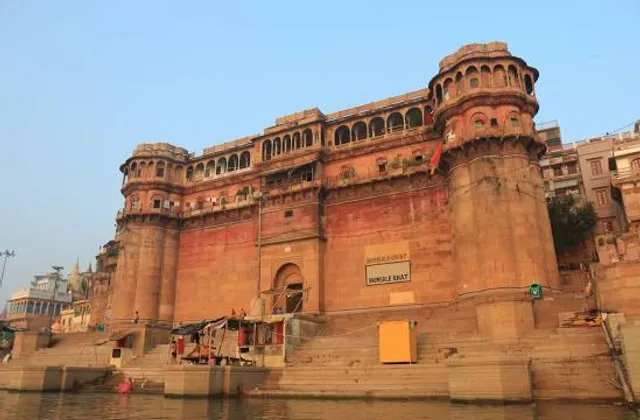
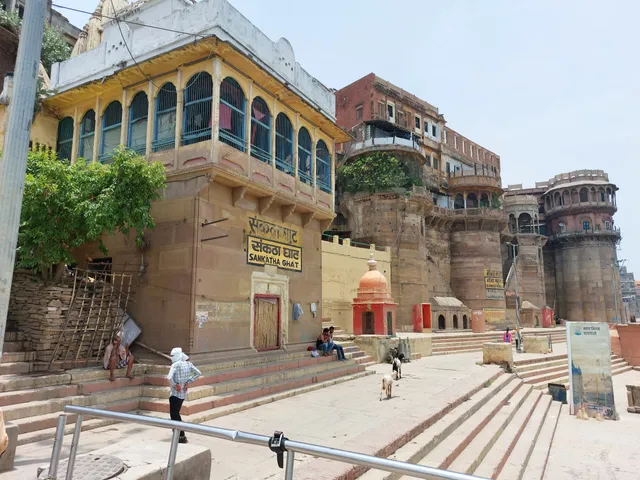
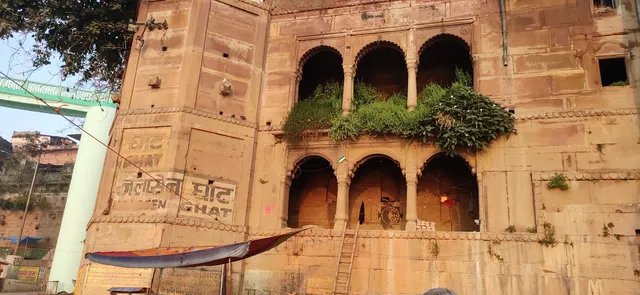
The ghat is named after the Scindia (or Sindhia) dynasty, who played a role in its development. The surrounding architecture—graceful steps, pillared platforms, and arched niches—reflects a sense of faded grandeur that blends seamlessly into the spiritual pulse of the city. Unlike the more crowded ghats, Scindia provides a more intimate experience, where one can sit quietly, observe rituals in progress, or simply watch the sacred river flow with measured grace.
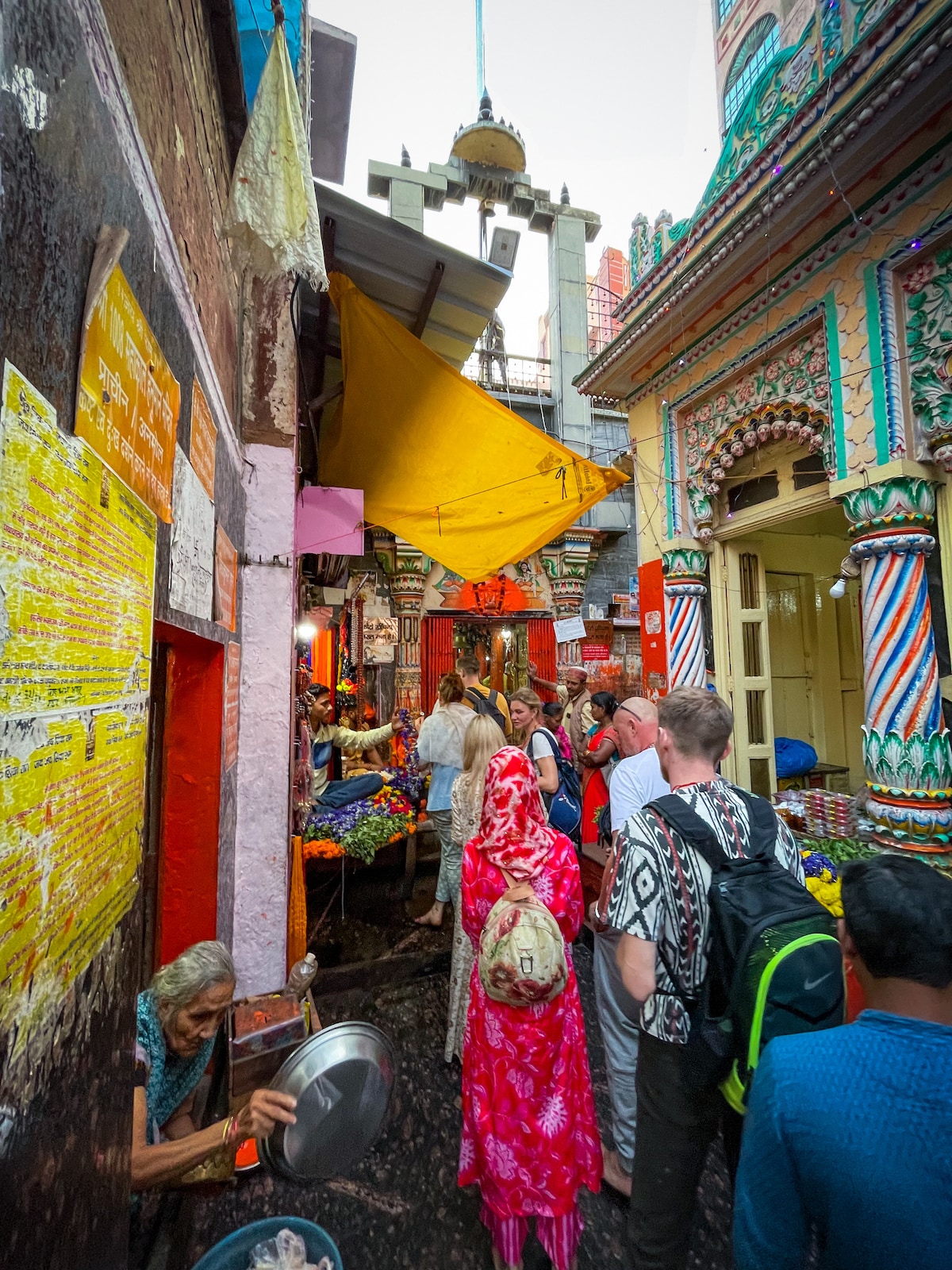
What makes Scindia Ghat especially significant is its proximity to the revered Siddha Kshetra—an area believed to be inhabited by spiritually awakened souls. The nearby narrow lanes are dotted with small shrines and ancient homes, each whispering layers of history and devotion. There’s a meditative stillness here, broken only by the murmur of prayers or the rustle of marigold petals floating downstream.
In essence, Scindia Ghat is a gentle revelation. It does not dazzle with spectacle but enchants with subtlety. It speaks to those who seek the beauty in decay, the sacred in silence, and the profound in the overlooked. A visit here leaves one feeling not just inspired, but quietly transformed—aware of both the fragility and the timelessness that Varanasi holds...
Read moreScindia Ghat is distinguished from the other famous ghats in Varanasi with its partially submerged Lord Shiva temple. The story behind its submersion is an extremely fascinating one. To its north side lies the Manikarnika Ghat while the other popular ghat in Varanasi, Dashashwamedh Ghat lies at a distance of 1.2 km approx. from it. The temple which remains partially submerged in the River Ganga is known as the Ratneshwar Shiva Temple, or simply, leaning Shiva Temple. It is believed that the temple was submerged almost 150 years because it was unable to bear the weight of the ghat. People believe that it has been drowning ever since and there will come a time when it will be completely submerged. There is also a mythological tale behind the temple’s submergence. According to the tale, a boy by the name of Man Singh had a mother who was in love with a man, and wanted to marry him. The boy disapproved of this relationship and wanted to clear whatever debt he felt he owed his mother. Once he had done this, he thought, he would cut all ties with her. The mother was unwilling to bring the relationship to an end from her side and asked him to do that instead. With that objective in mind, he arrived at Kashi and built a temple dedicated to Lord Shiva. By doing so, he felt he had paid off any debt he owed his mother. Upon visiting the temple, however, his mother was enraged and said that nothing could pay off a mother’s love towards her child. Since then, the temple was cursed and remained submerged under water. During summers though, when the waters of River Ganga subside a little, the garbagriha (sanctum sanctorum) of the temple is visible, thus becoming a special attraction...
Read more